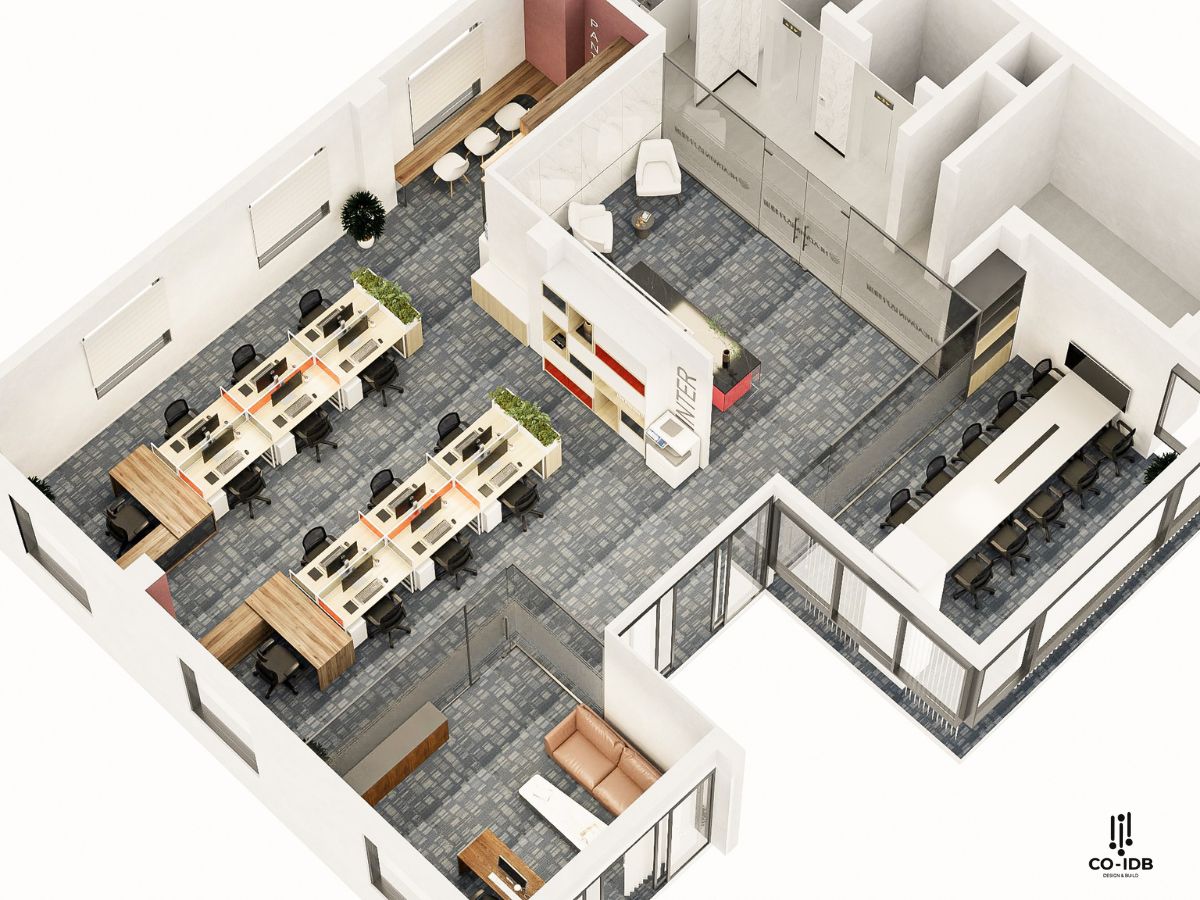
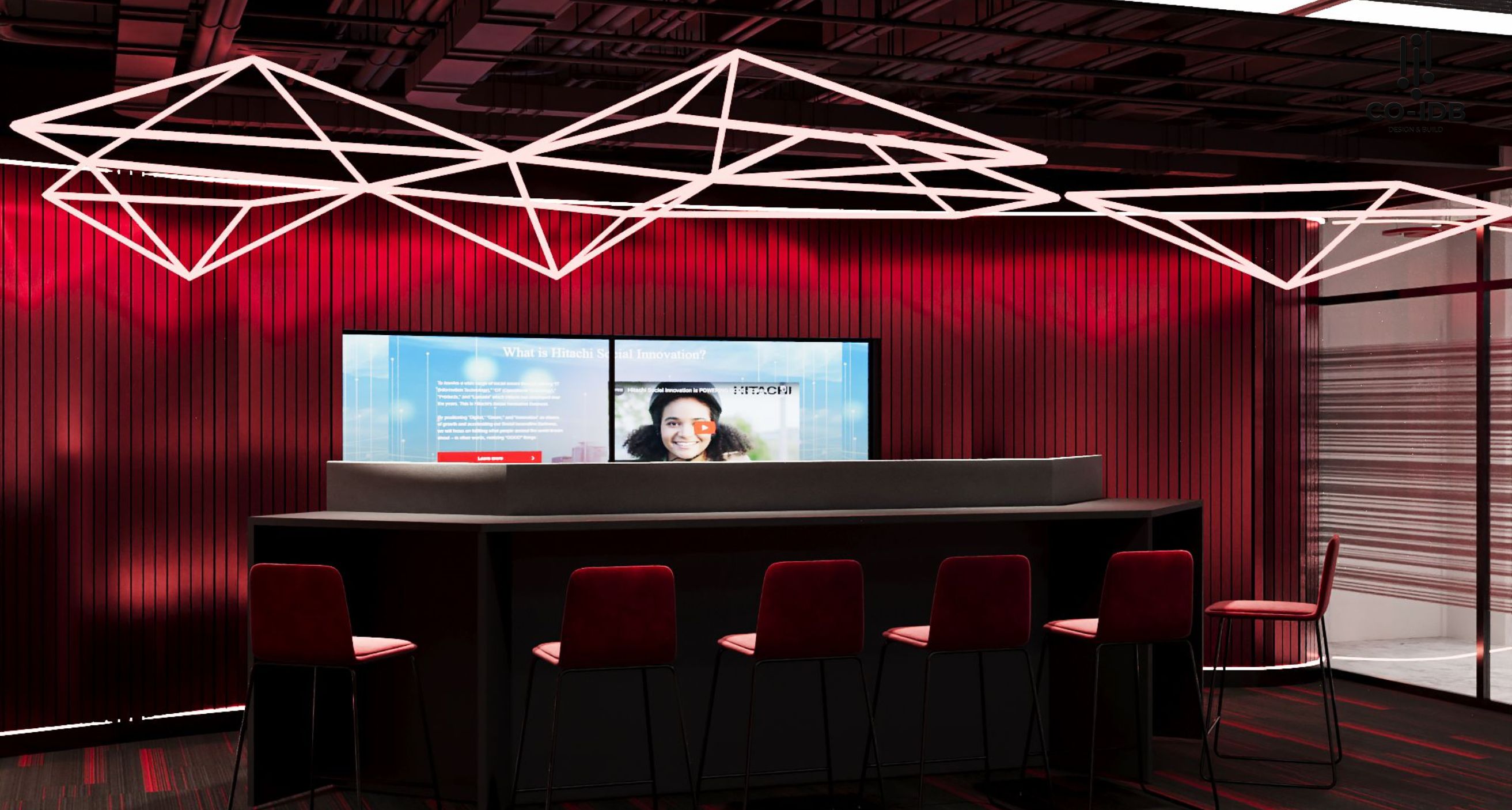
In modern office spaces, a meeting room is more than just a place for work discussions; it is a space for strategic debate, internal training, and team bonding. A standard meeting room design not only optimizes utility but also plays a vital role in enhancing productivity, improving the user experience, and reflecting the professional image of the business. CO-IDB helps optimize every detail to ensure each meeting leaves a professional mark.
In this article, you will discover key design principles, optimization tips for various purposes, and high-end meeting room models designed and constructed by CO-IDB.

Why Do You Need a Standard Meeting Room Design?
Many businesses still view meeting rooms as “secondary” areas, but they are actually where critical activities happen: making decisions, discussing strategy, and welcoming clients or partners.
A well-designed meeting room helps:
- Increase productivity and focus throughout the session.
- Convey a professional image to staff and partners.
- Optimize functionality and reduce setup time, especially for multi-purpose use.

Conversely, poor design—such as bad lighting, acoustic echoes, or cramped furniture—can lead to fatigue and loss of focus. At CO-IDB, we often see businesses needing renovations after just 1–2 years due to original design flaws like lack of scalability or failure to support hybrid meetings.
6 Key Factors for Effective Meeting Room Design
1. Location
Meeting rooms should be placed in quiet zones, away from main traffic or noisy open-plan areas. However, they must remain accessible, ideally situated centrally between departments for easy team connection.
2. Size and Capacity Standards
Bigger isn’t always better. The area should be based on the frequency of use and the primary purpose of the space.
| Room Size | Standard Area | Max Capacity |
| Small | Min 20m² | 10 – 20 people |
| Medium | Min 40m² | 20 – 50 people |
| Large | Min 0.8m²/person | 50 – 200 people |

3. Open Design Concepts
Utilizing natural light through glass partitions or wooden slats keeps the room private yet airy. Modern offices often opt for “transformable” designs using movable walls to expand or shrink the space as needed.

4. Furniture Selection
CO-IDB prioritizes ergonomic chairs that support the spine during long sessions. Tables can be rectangular, oval, or modular for easy reconfiguration. For creative spaces, consider integrating writable surfaces or whiteboards for quick ideation.
5. Scientific Lighting Systems
Lighting must be sufficient yet subtle to maintain focus. We recommend combining natural light with 4000K neutral LED lighting to prevent eye strain and glare on screens.
6. Presentation and Audio-Visual Technology
A modern room requires:
- Large screens or projectors.
- Wireless microphones or conference mics.
- Online meeting cameras (4K resolution).
- Ceiling speakers with echo cancellation.
Cables should be hidden underground or integrated into table sockets for a clean, clutter-free look.
50+ High-End Meeting Room Models for Professional Offices
A well-designed space impresses partners and provides comfort for employees. Below are premium models categorized by size and function.
Large Meeting Rooms (>20 people)
Large spaces allow for creative ceiling designs, integrated air conditioning, and high-end long-table setups suitable for major conferences.

Small Group / Huddle Rooms
Ideal for quick 4–8 person discussions. These prioritize flexibility and a “closer” atmosphere, often using minimalist furniture and integrated tech for online calls.

Optimization Tips for Specific Needs
- Creative Rooms: Use open spaces, beanbags, and writable walls to encourage brainstorming.
- Hybrid/Online Rooms: Focus on soundproofing, high-res cameras, and neutral backgrounds for a professional on-camera appearance.
- Interview Rooms: Design with warm lighting and L-shaped seating to reduce candidate stress.
- VIP/Partner Rooms: Use premium materials like wood veneer, leather, and glass to showcase brand prestige.
CO-IDB: Your Partner in Optimizing Modern Meeting Spaces
CO-IDB focuses on creating functional spaces that match your business model and brand identity. We offer end-to-end design and construction solutions that ensure flexibility, cost-optimization, and future scalability.
Contact CO-IDB today for expert design consultation for your office.