The traditional office is an extremely familiar concept to most companies and businesses. However, today there are many design styles that make the traditional office no longer as familiar as before, so not everyone can accurately define it. Let’s join Co-IDB to explore the details of this office type, so you can choose and arrange the most suitable workspace for your business.

What is a Traditional Office?
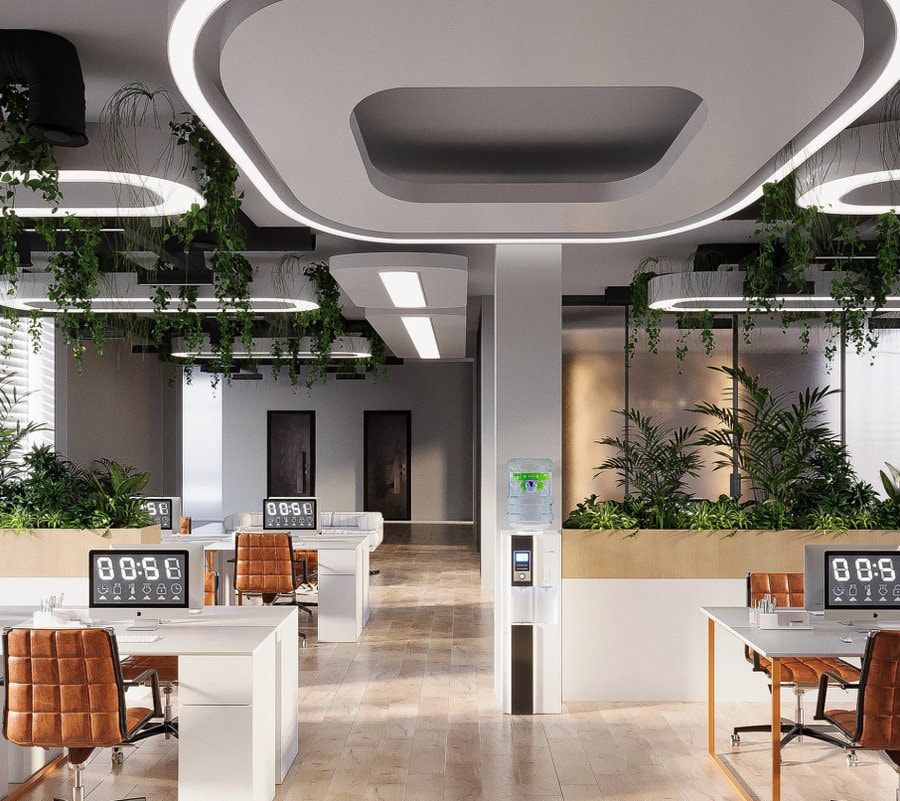
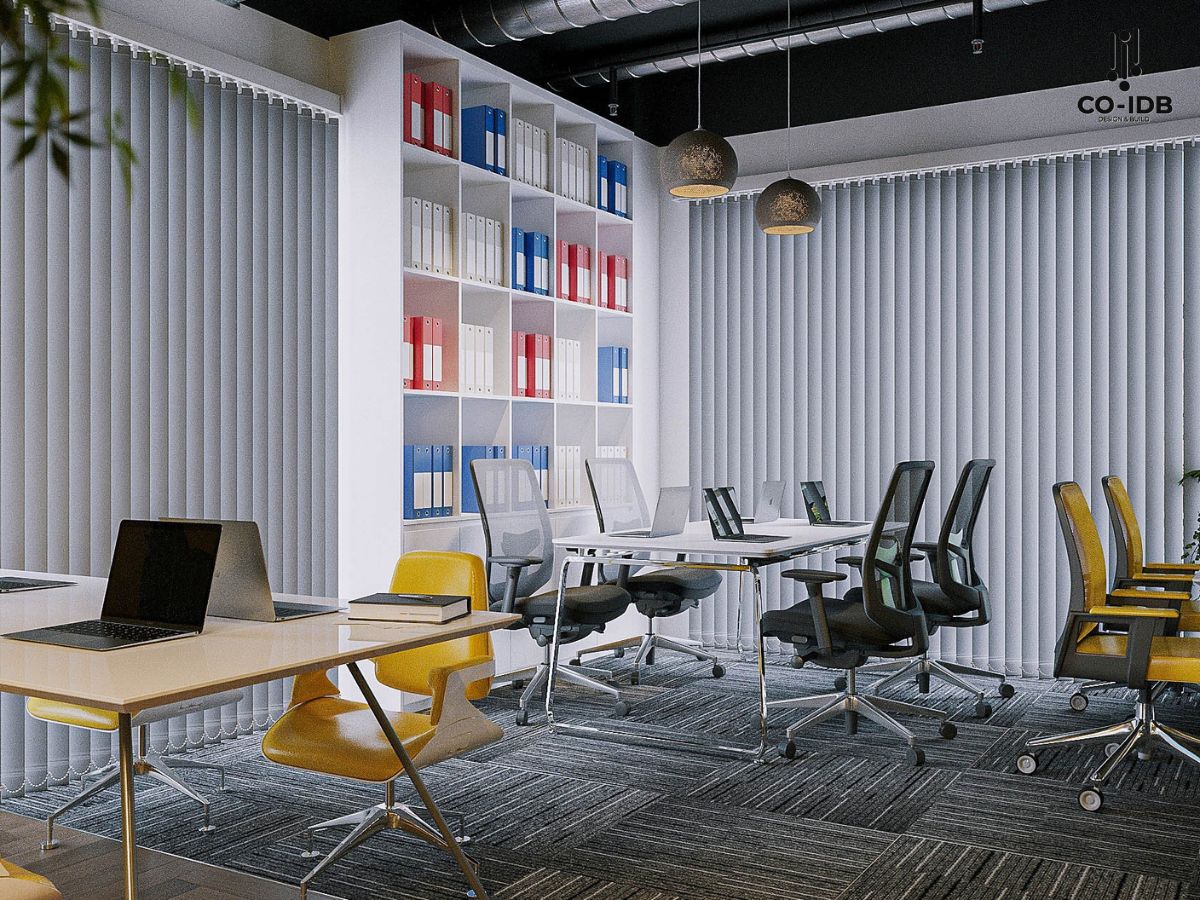
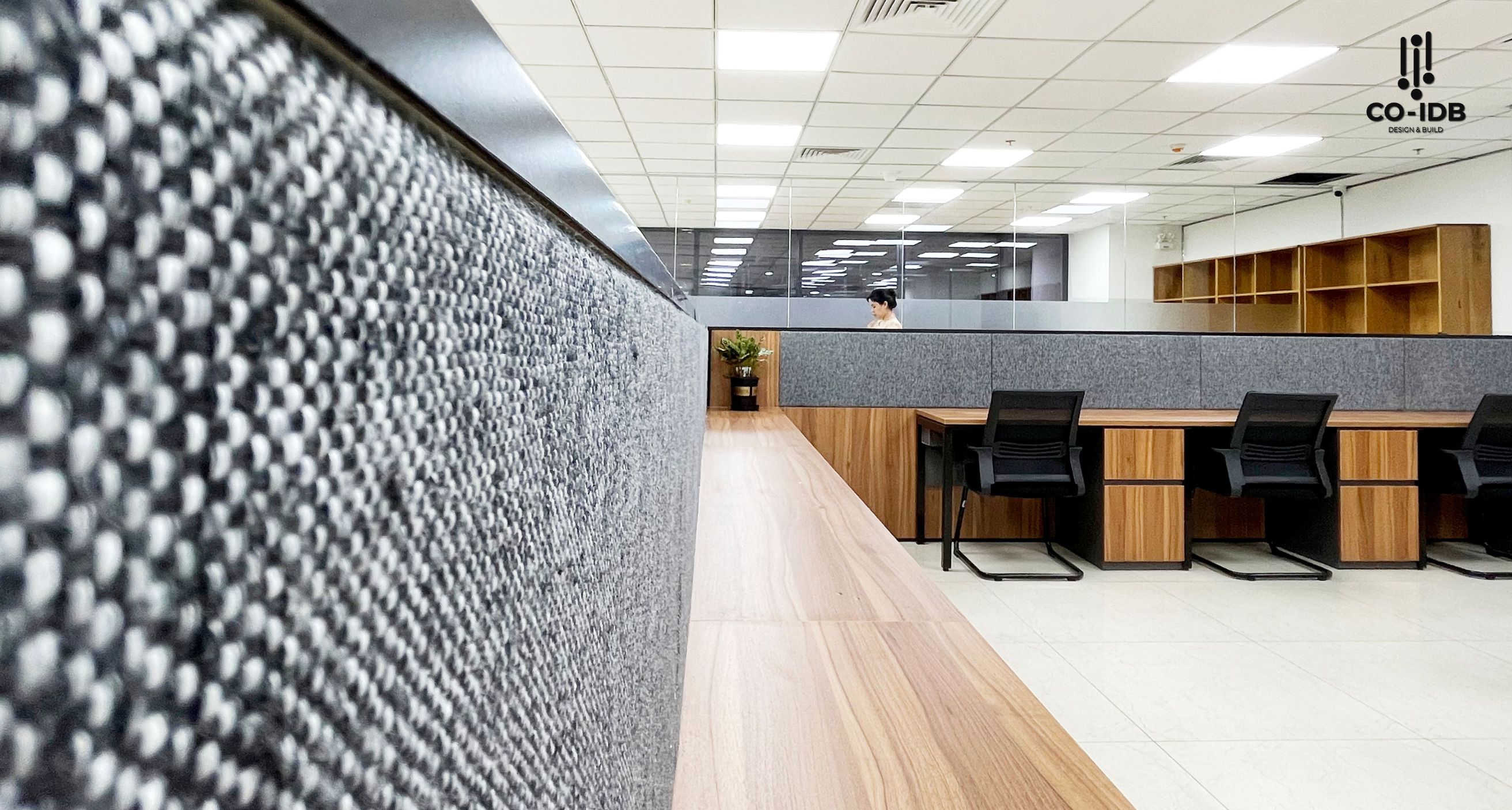
A traditional office is typically designed with a spacious area, including private desks for individual employees and different departments. This style brings warmth and professionalism to the workspace. However, in the 4.0 era, many companies have started shifting to more modern design styles to foster innovation and creativity in the work environment.
Features of Traditional Office Design
Below are some prominent features of the **traditional office**:
-
-
Independent ownership: The office is owned or managed by a single, separate business, not shared with other companies.
-
Specific address: Has a clear headquarters and contact information, defining a fixed address.
-
-
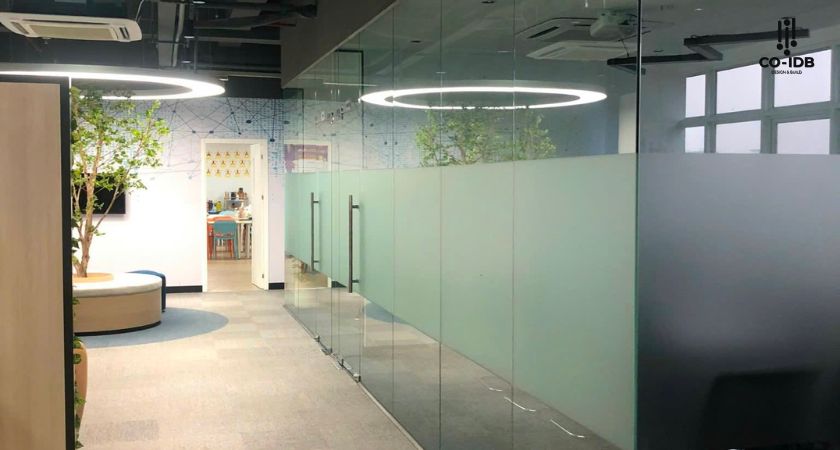
Space layout: Divided by walls, partitions, or enclosed rooms on the same fixed floor plan.
-
Working hours: Employees usually work during standard administrative hours, with specific time regulations.
-
Equipment and technology: Uses less modern equipment, furniture, and technology.

Advantages of the traditional office:
-
Legal stability: A clear address facilitates legal procedures and contracts.
-
Increased trust: A fixed headquarters creates reliability with customers and partners, enhancing the company’s professional image.
-
Unique brand and culture: The office can be customized according to the business’s needs and preferences, creating a distinct identity.
-
Information security: Separate workspace ensures privacy and security of internal information.
-
Clear hierarchy: Allows division of workspace according to hierarchy and function.
-
Long-term costs: Large initial investment but lower maintenance costs compared to other solutions.

Disadvantages of the traditional office:
-
High construction cost: The traditional office requires a large investment for construction, design, and equipment, as only one business owns it and cannot share costs with other parties.
-
Limited interaction: Clear spatial division can reduce opportunities for communication and connection among employees, as well as limit interaction between employees and superiors.
-
Difficulty in expansion: Upgrading or expanding a traditional office is challenging due to the clear division of departments, reducing flexibility and the ability to adjust the space.
-
Feeling constrained: Enclosed workspaces and partitions can make employees feel suffocated and limit flexibility in movement between departments.

Read more: The Latest Updated Office Design Standards
The Difference Between Traditional Offices and Other Offices
Comparing Traditional Offices with Modern Offices
Modern offices are designed to reflect innovation and the direction of new businesses, serving not only as a workspace but also as a place to express the company’s style and identity.
Below is a table comparing some notable criteria between traditional and modern offices:
|
Criteria |
Traditional Office |
Modern Office |
|
Furniture and Equipment |
Traditional nature, serving basic needs |
Modern, smart, highly aesthetic |
|
Technology |
Less application of new technology |
Application of modern, advanced technology |
|
Space |
Arranged in a traditional style Enclosed space, separated by fixed walls, partitions, and private rooms |
Furniture arranged in a novel and unique way Open, airy space |

3.2. Comparing Traditional Offices with Virtual Offices
Virtual Office is a modern office form increasingly popular globally, but still relatively new in Vietnam. This type of office provides services such as an address and contact without requiring a physical workspace.
Below is a table comparing some notable criteria between traditional and virtual offices:
|
Criteria |
Traditional Office |
Virtual Office |
|
Address, Location |
The main contact location is the company’s office and physical workplace |
The contact address is only for transactions and business registration purposes |
|
Workspace |
The workspace is designed into separate functional areas, all concentrated in the same area and under the exclusive management or ownership of the business |
Flexible and adaptive workspace, allowing employees to work from various locations. They can share space with other businesses or work at short-term rental locations |
|
Cost |
Initial construction costs can be high, but will decrease in the long run |
Costs are saved by only needing to rent workspace, while employees can work remotely without coming to the office |
3.3. Comparing Traditional Offices with Shared Offices
A shared office, also known as a co-working space, is a common workspace model where individuals or businesses from various fields can share the space. Below is a table comparing the differences between traditional and shared offices:
|
Criteria |
Traditional Office |
Shared Office |
|
Workspace |
Fixed, separated, independent, private, can be designed individually |
Flexible and expanding workspace, shared with others. Cannot be customized to personal preferences, and no need to worry about office arrangement or setup |
|
Cost |
Significant investment in construction or long-term leasing and necessary furniture |
Flexible costs with payment options based on financial capability, including all accompanying services |
|
Communication |
Communication is primarily limited internally within the company, with few opportunities to interact with external people |
Open, with opportunities to meet and collaborate with many partner companies in the same office Opportunities to attend events, socialize, and connect with many other businesses |

Read more: Compilation of Popular Interior Materials for Office Decoration Today
Should You Choose the Traditional Office Model or Not?
Choosing an office model, from a traditional office to other modern solutions, requires businesses to carefully consider both the design and construction phases.
To help businesses decide whether to choose a traditional office or not, **Co-IDB** shares some experiences below:
– Choose according to the business’s purpose & development direction: If the business prioritizes stability and longevity, a traditional office may be a suitable choice. Conversely, if the business needs a flexible and creative work environment, modern office styles might be a better solution.
– Business scale: A traditional office often has high initial investment costs, suitable for medium and large-scale businesses. Small businesses need to consider carefully; choosing a shared office may be more suitable. Regardless of whether a traditional office is chosen, the current office trend still focuses on:
-
Focusing on flexibility and convenience
-
Maintaining harmony between the workspace and furniture
-
Ensuring suitability for the intended use

Above is all the information about the **traditional office**. To turn your ideas into reality and ensure your workspace design meets standards, please contactCo-IDB We are ready to provide professional interior design solutions and construction, meeting specific requirements and making the workspace as optimal and efficient as possible.
>> Read more: Green Office: Benefits and Best Design Ideas for 2025