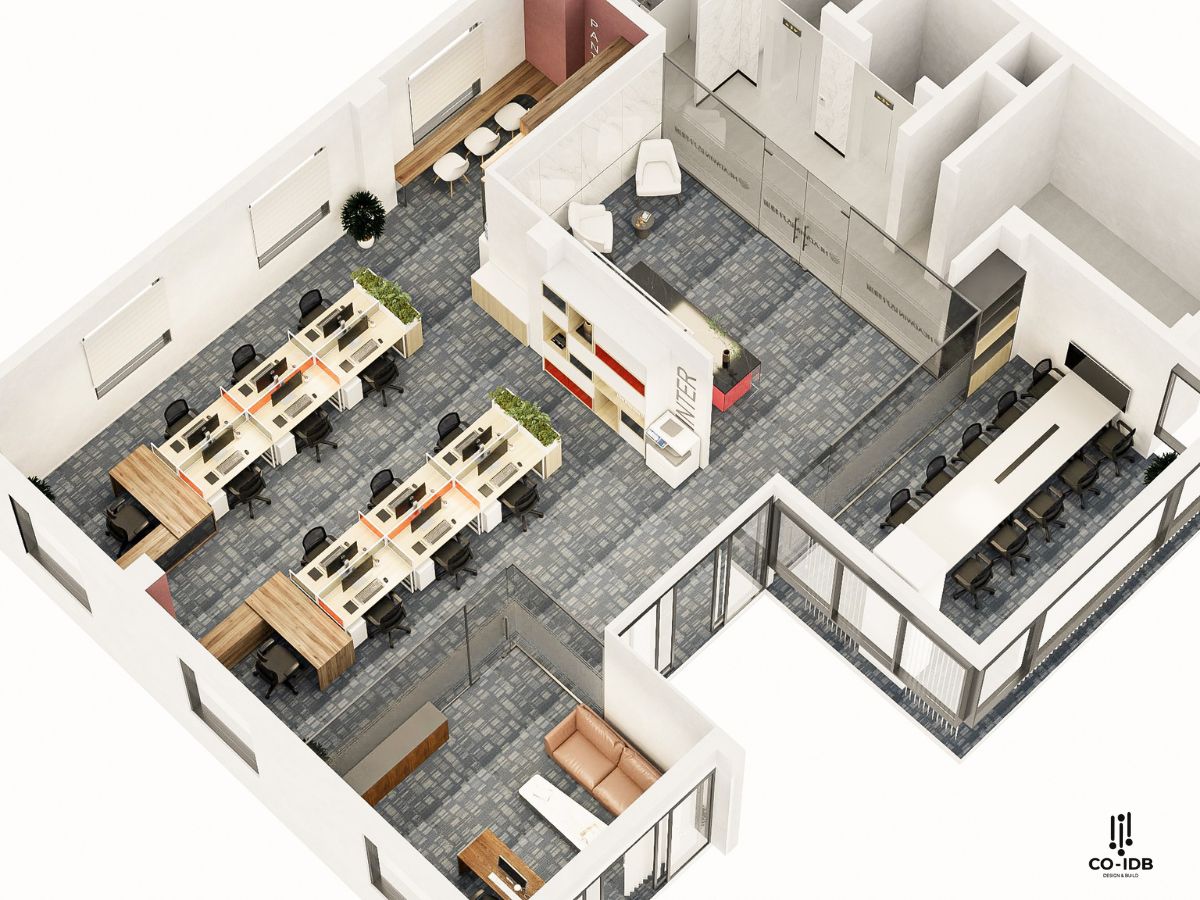
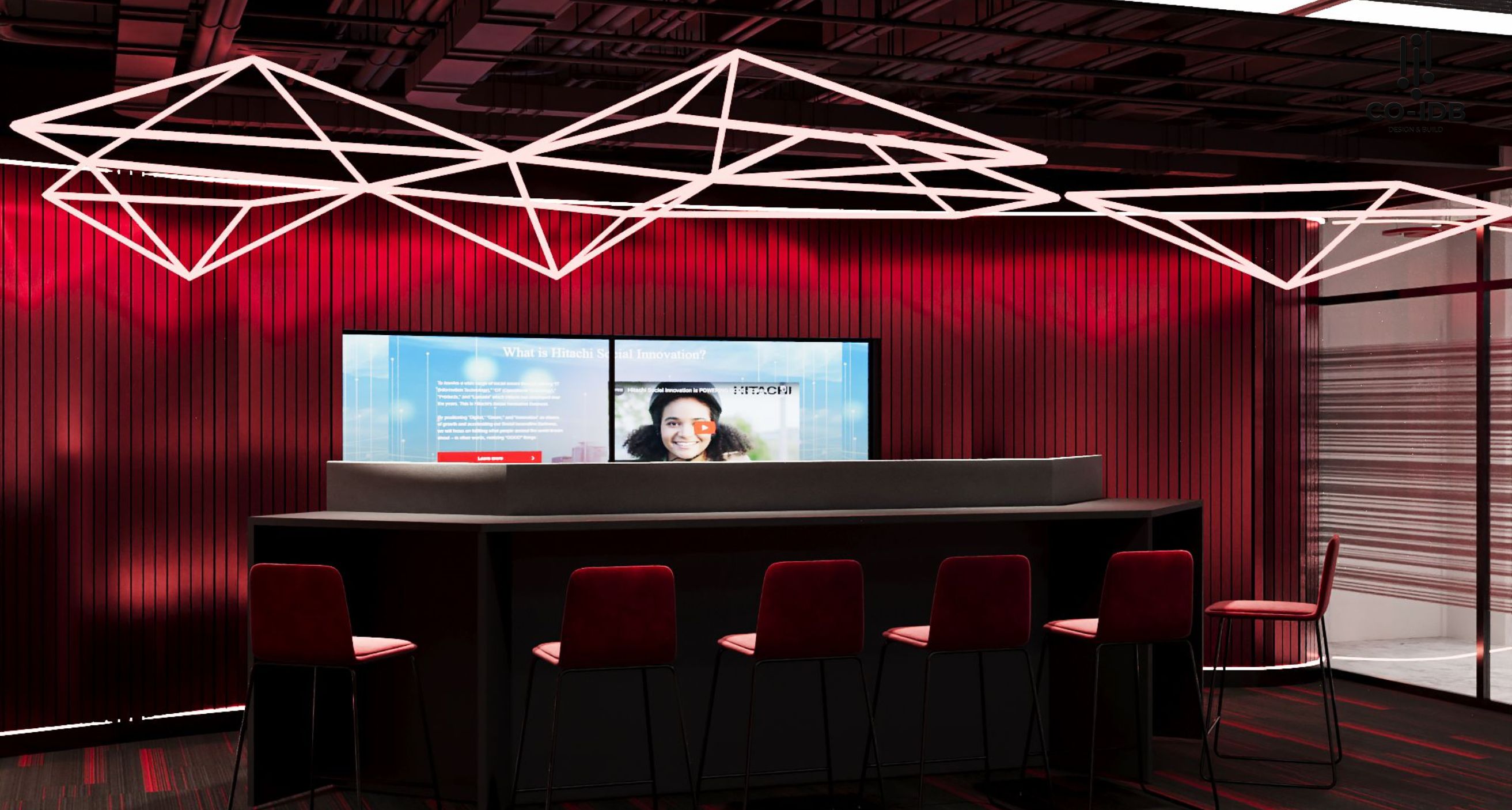
Rustic style brings warmth and nature into the workspace. This design trend combines raw materials, earthy colors, and diverse textures to create a unique working environment reminiscent of the humble beauty of the countryside. In a world where modern offices often lean towards minimalism and technology, rustic style stands out as a breath of fresh air, providing a sense of closeness to nature and fostering creativity.

What is Rustic Style?
Rustic style is a design approach that focuses on natural and rugged beauty. Its origins lie in rural life, where people were closely connected to nature and utilized available materials from their surroundings.
Key characteristics of rustic style include:
- Use of natural materials such as wood, stone, and raw metals.
- Priority for neutral and earthy color palettes.
- Creating diverse and rough textures.
- Incorporating vintage and handmade elements.
- Minimalist in layout but rich in textural detail.
Rustic style differs from modern styles through the warmth and sense of proximity to nature it provides. While modern styles often focus on minimalism and sharp lines, rustic style emphasizes creating space with depth and personality through natural materials and craftsmanship.
>> See more: What is Eclectic Style?

Core Elements of Rustic Office Design
Natural materials play a vital role in defining the rustic identity. Raw wood, especially reclaimed or naturally grained wood, is often used for furniture, flooring, and decorative accents. Rough stone, such as granite or slate, can be used for walls or decorative elements, providing a rugged texture and a connection to the outdoors.
Neutral and earthy tones form the foundation of the rustic palette. This includes shades like terracotta, beige, stone gray, and moss green. These colors not only evoke nature but also create a warm, pleasant workspace that helps reduce stress and enhance focus.

| Color | Hex Code | Application in Rustic Offices |
| Earth Brown | #8B4513 | Wooden furniture, flooring |
| Beige | #F5DEB3 | Walls, curtains |
| Stone Gray | #708090 | Metal accessories, office chairs |
| Moss Green | #556B2F | Plants, decorative details |
| Brick Orange | #B7410E | Accents, decorative pillows |
Rugged and diverse textures add depth and interest. Combining different textures like raw wood, coarse stone, burlap, and matte metal creates visual richness and stimulates the sense of touch, making the space feel more alive and memorable.

Rustic Office Design Ideas
1. Rustic Style for Small Offices
Space optimization is the top priority for small rustic offices. Effective strategies include:
- Using multi-functional furniture like wall-mounted folding desks made of reclaimed wood.
- Leveraging vertical space with wall shelves made from pipes and raw wood.
- Choosing desks with integrated drawers to maximize storage.
- Using folding wooden or metal chairs that can be tucked away when not in use.

2. Rustic Style for Home Offices
Creating a private workspace is key to an effective rustic home office:
- Use a corner of the living room or bedroom, separated by a mobile wooden partition.
- Create a mini “cabin” workspace using pallet wood in an open space.
- Convert a closet into a “cloffice” with a folding desk and rustic shelving.
3. Combining Rustic with Other Styles
- Rustic-Industrial: A perfect blend of ruggedness and modernity, featuring exposed metal pipes, Edison bulbs, and exposed brick walls.
- Rustic-Modern: Balances old and new by pairing solid wood desks with sleek metal legs and ergonomic chairs upholstered in natural fabrics.
- Rustic-Minimalist: Focuses on a few statement pieces, a limited neutral palette, and plenty of natural light.

4. Rustic Chic Design Ideas
Rustic chic combines raw beauty with sophistication by using neutral palettes with pastel accents, pairing raw wood with velvet upholstery, and decorating with refined artwork or crystal chandeliers.

5. Rustic Conference Room Design
Inspiring meeting rooms foster collaboration:
- A large conference table made from a single solid wood slab.
- Using mismatched chairs in various rustic styles.
- Large whiteboards encased in reclaimed wood frames.
- A focal moss wall or greenery wall to refresh the atmosphere.

Conclusion
Rustic style brings nature and warmth to the modern work environment. By integrating natural materials and earthy colors, this style creates a workspace that boosts employee creativity and well-being while reflecting a brand’s unique culture.

>> See more: