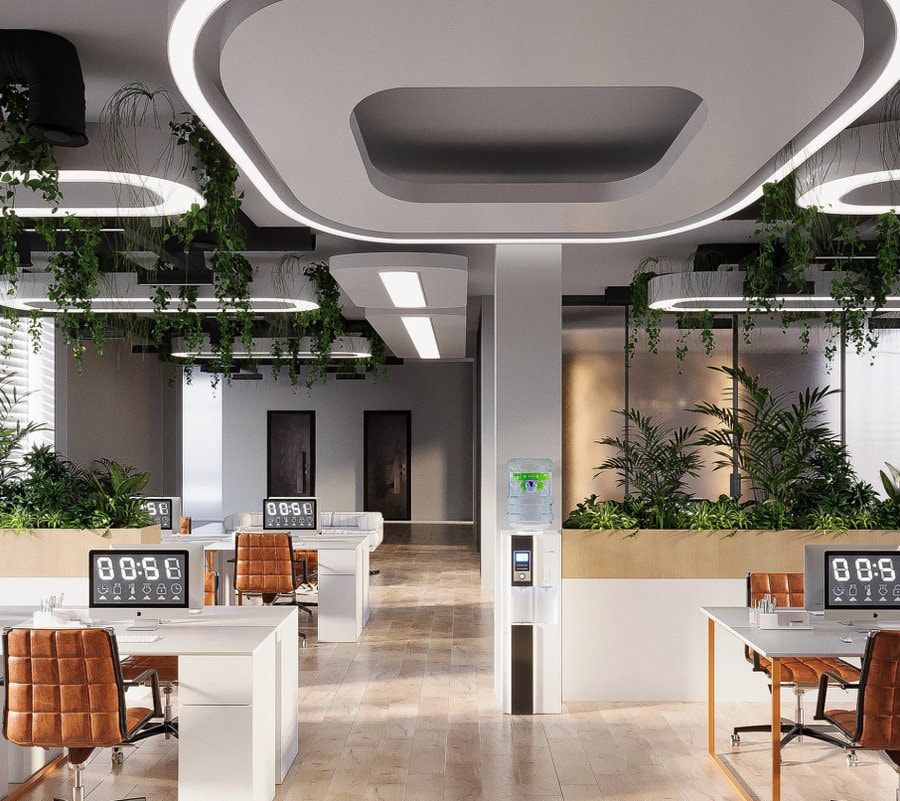
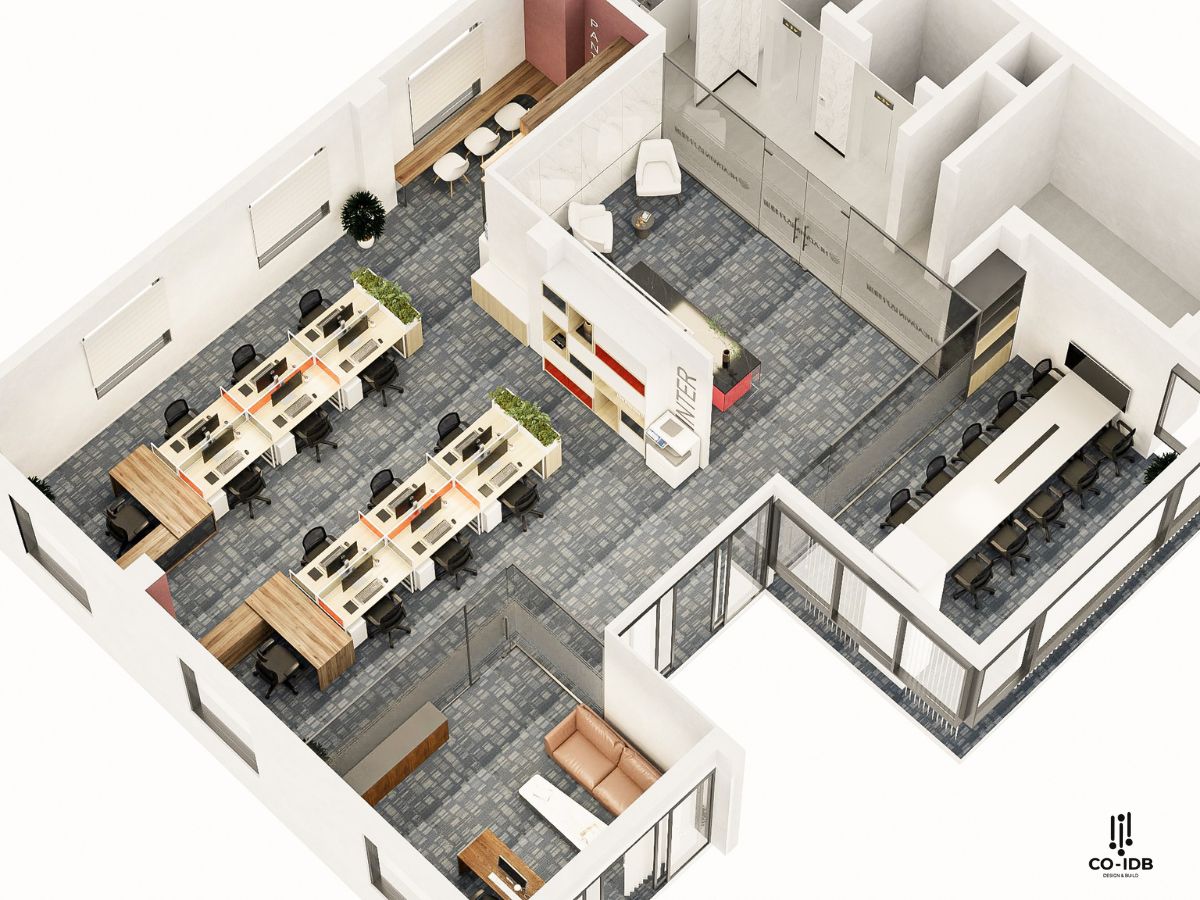
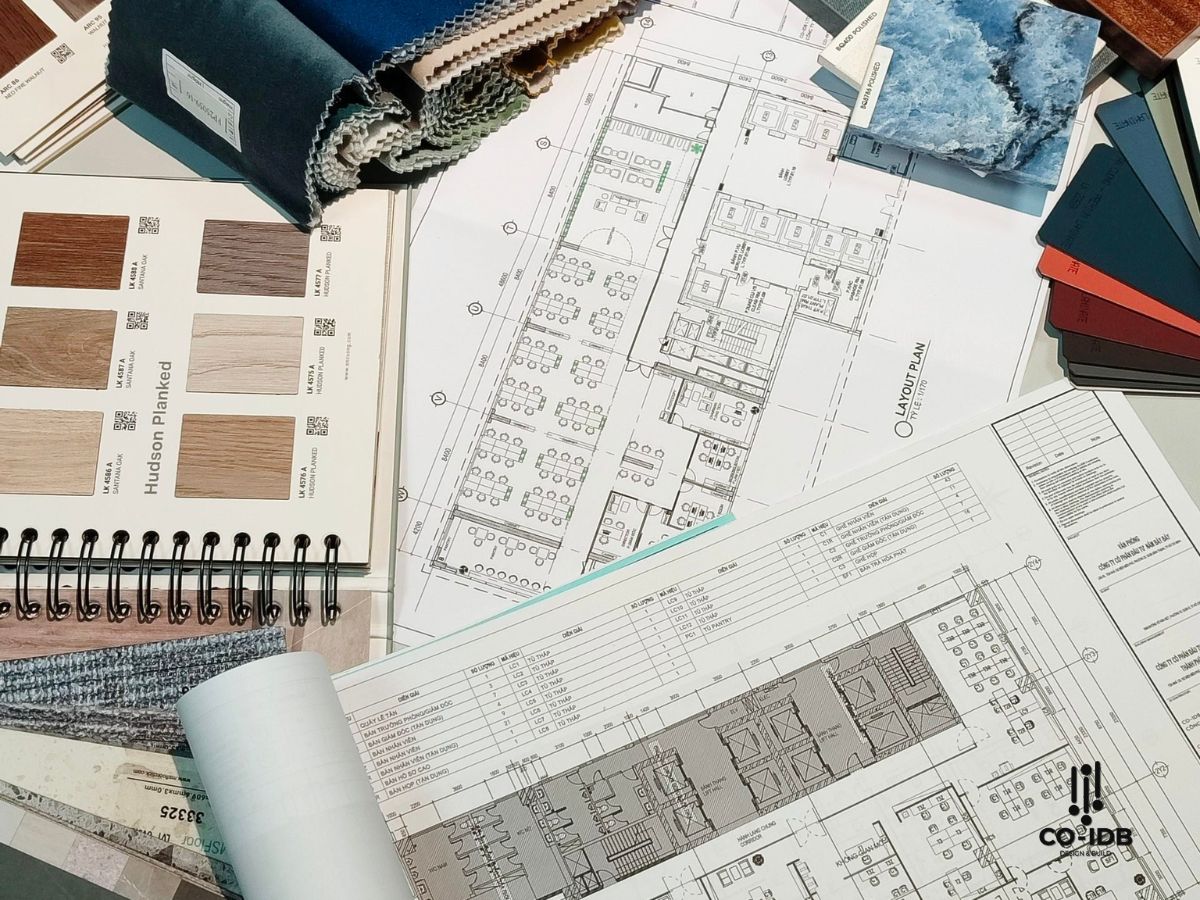
A Well-being office is more than just a place to work; it is an environment that nurtures the health, happiness, and creativity of employees. Investing in a well-being workspace is an investment in the future of the enterprise, creating a solid foundation for sustainable growth. Explore how to transform your office into a standard-setting well-being space today!

What is Well-being? The Importance of the Well-being Office
A Well-being office is a concept that integrates design elements, policies, and activities to optimize employee health, happiness, and productivity. It goes beyond basic health and safety standards, focusing on creating an environment that promotes holistic individual development.
The importance of a well-being office is reflected across several dimensions:
- Enhancing physical health and reducing employee stress.
- Boosting engagement and job satisfaction.
- Improving overall productivity and creative output.
- Attracting and retaining top-tier talent.
- Building a positive and attractive employer brand.
| Metric | Impact | Practical Example |
| Productivity | +20% Increase | Enhanced focus and creative problem-solving |
| Absenteeism | -15% Decrease | Better health immunity, lower burnout rates |
| Engagement | +30% Increase | A more positive and supportive work culture |
| Revenue | +10% Increase | Higher performance efficiency, lower turnover costs |
The business case for well-being investments

See more: Exploring Coworking Spaces and Productivity Design Solutions
Human-Centric Design: The Foundation of Well-being
Human-centric design places the needs and experiences of employees at the forefront of the design process. This approach considers Ergonomics, lighting, acoustics, and temperature to create an optimal environment for health and performance.
Key principles of human-centric design include:
- Customization: Allowing employees to adjust their personal workspace.
- Diversity: Providing various zones for different work styles (focus, collaboration, rest).
- Inclusive Design: Ensuring the workspace is accessible to everyone.
- Feedback Loop: Continuously gathering and implementing employee suggestions.

Design Principles for a Well-being Office
Green Materials
Green materials play a vital role in creating a sustainable well-being office. Using eco-friendly materials reduces ecological footprints and improves indoor air quality.
- Recycled or FSC-certified timber.
- Low-VOC (Volatile Organic Compound) paints and adhesives.
- Carpets and fabrics made from recycled fibers.
Ergonomics
Ergonomics is pivotal in preventing work-related health issues such as back pain and eye strain. A standard well-being office often includes:
- Adjustable ergonomic task chairs.
- Sit-stand desks for movement.
- Correct monitor positioning for neck health.

Lighting and Acoustics
Natural lighting positively impacts human circadian rhythms and mood. Furthermore, smart acoustic design creates “quiet zones” for concentration and “vibrant zones” for collaboration, effectively managing unwanted noise pollution.
The Future of the Well-being Office: Trends and Predictions
The future of well-being workspaces will be defined by technological integration:
- AI & Machine Learning: Optimizing environments based on personalized biometrics.
- Virtual & Augmented Reality (VR/AR): Bridging the gap for hybrid and remote teams.
- IoT (Internet of Things): Automating climate and lighting controls for peak comfort.

Enterprises that prioritize well-being today will be better positioned to thrive in an increasingly competitive business landscape. At Co-IDB, we encourage businesses to integrate these principles to build not just a better workplace, but a healthier and more prosperous society.
>>> Explore more: