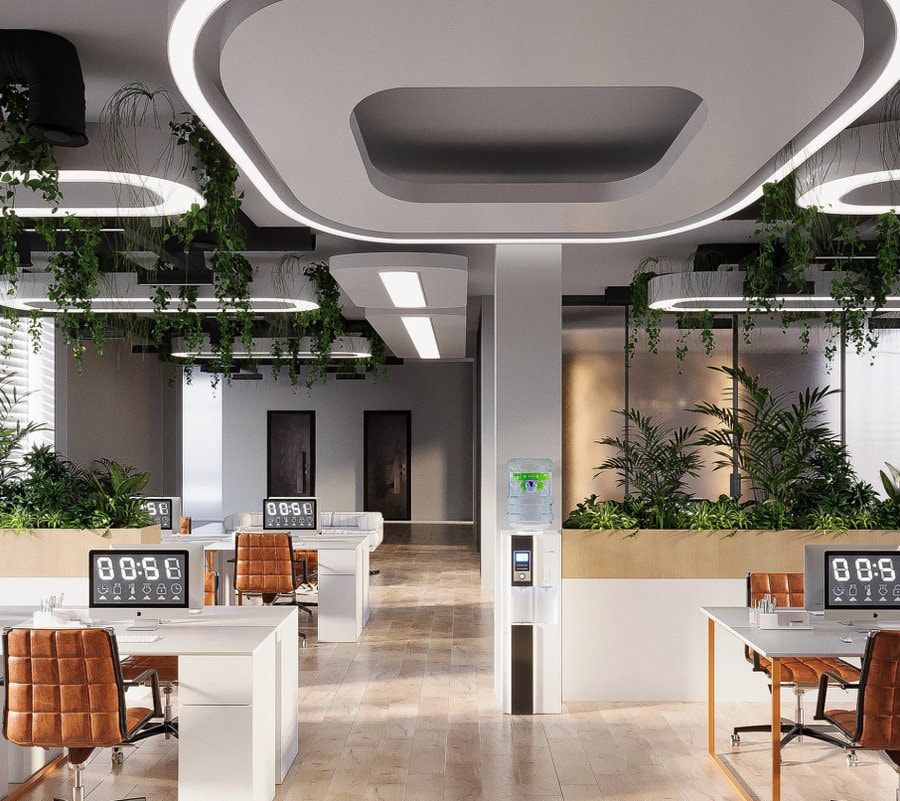
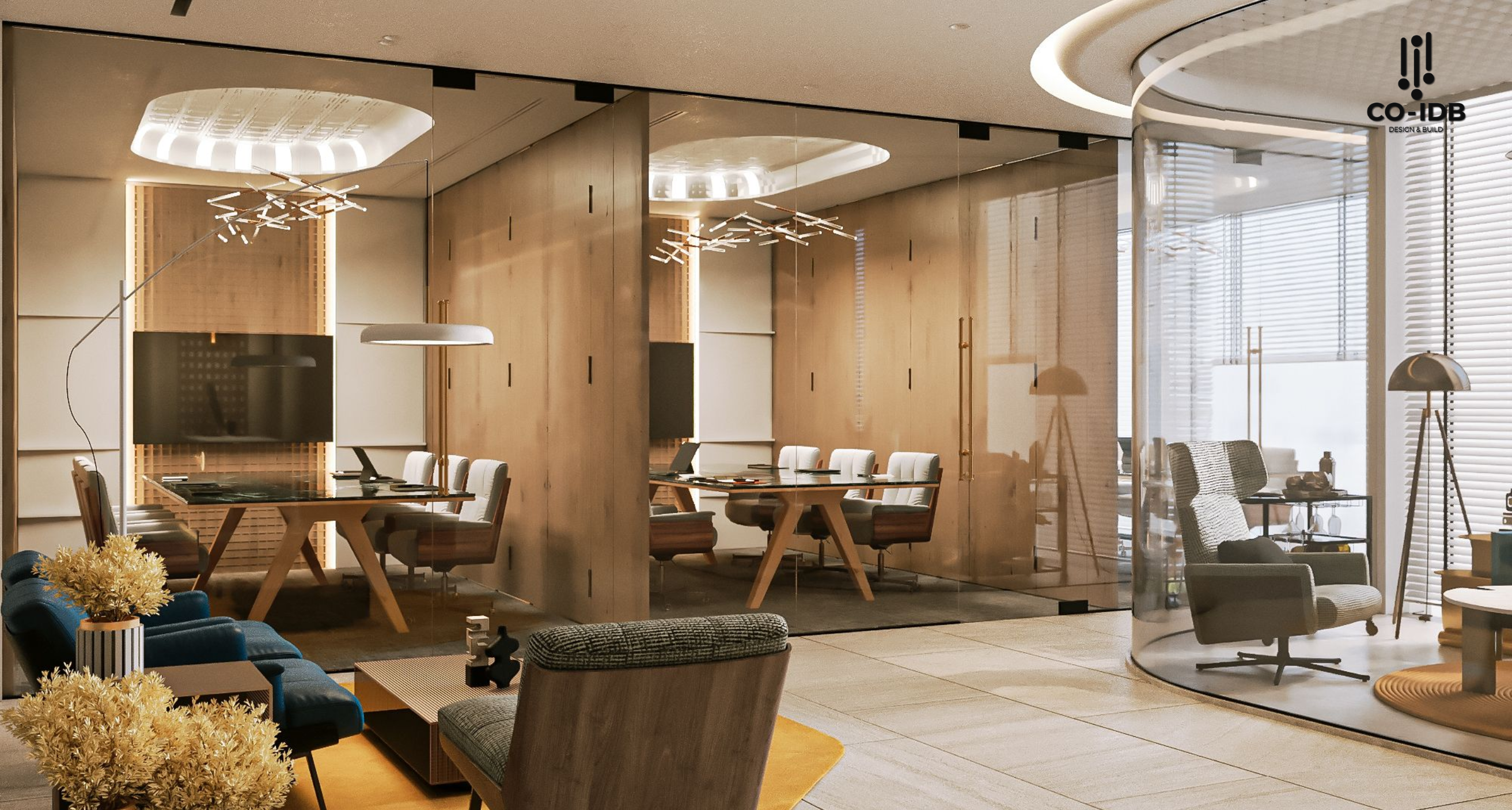
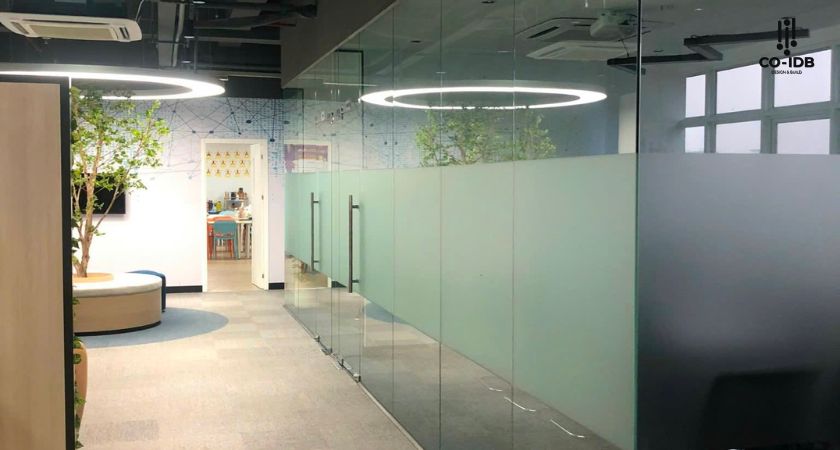
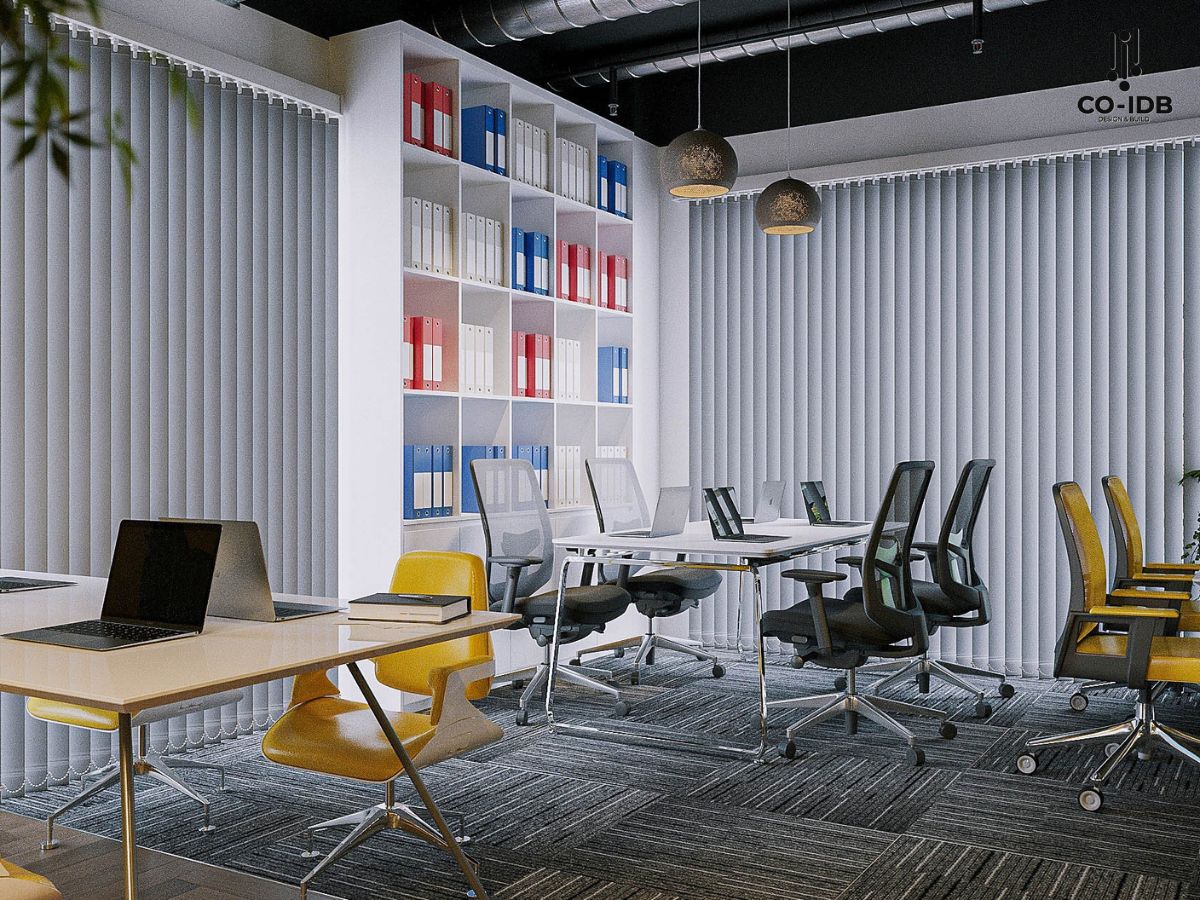
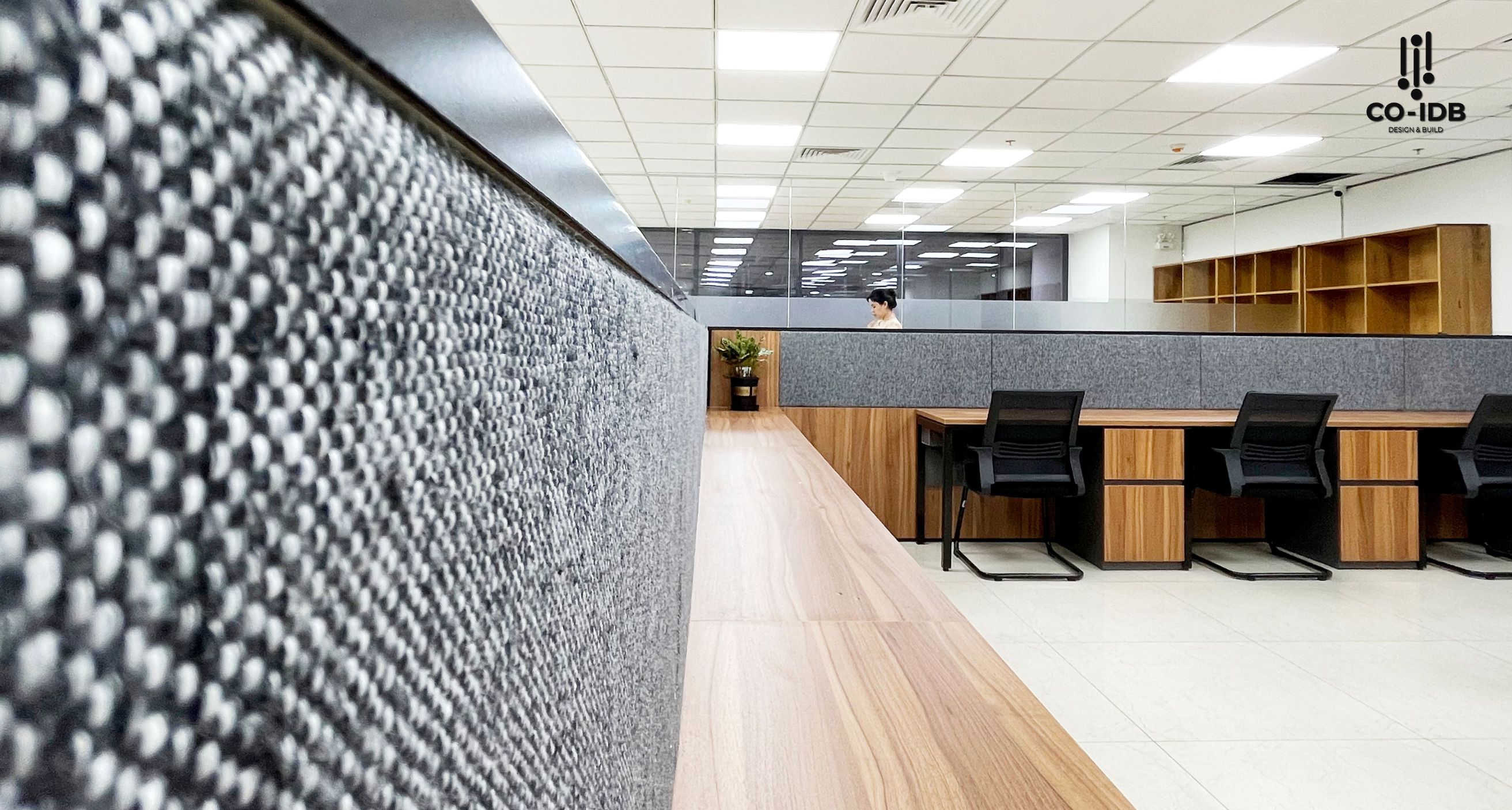
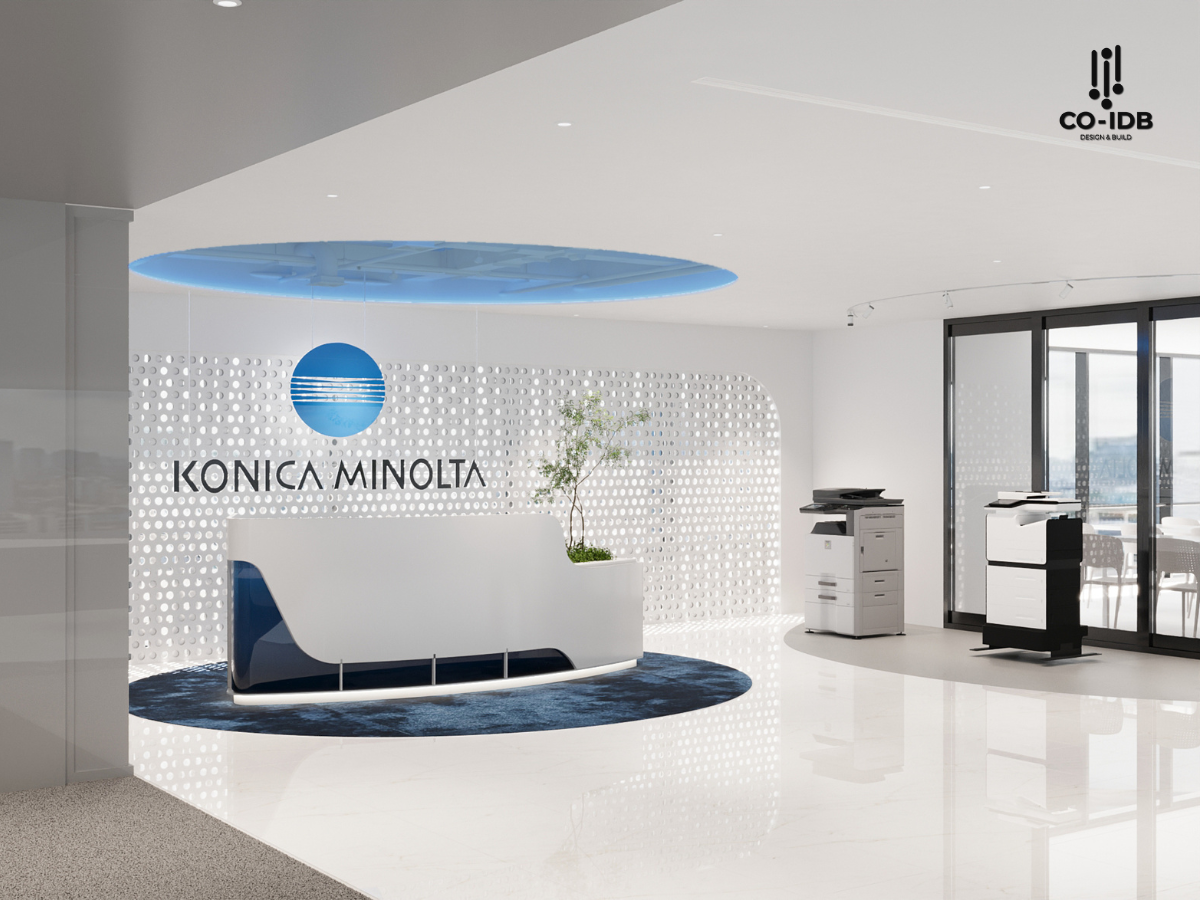
Coworking Spaces, emerging since 2005, are reshaping how we work in the 21st century. This model provides a flexible working environment where professionals, entrepreneurs, and employees from various fields can share space, resources, and ideas. Join Co-IDB as we explore how to design optimal coworking spaces to enhance productivity, while considering management factors, costs, and their impact on modern work culture.

What is a Coworking Space?
A coworking space is a shared workspace where individuals and small businesses can rent workspace within a professional environment. Coworking spaces provide office infrastructure including furniture, high-speed internet, meeting rooms, and other amenities. This model fosters collaboration and networking among members, creating a dynamic and creative community.

The History of Coworking Spaces and Their Benefits
Coworking spaces first appeared in 2005 in San Francisco, initiated by Brad Neuberg. The concept quickly evolved and spread globally by meeting the needs of an increasingly flexible and digitized workforce. The growth of coworking spaces has been driven by the remote work trend and the rise of startups and freelancers.
Thanks to the coworking space model, many small businesses and individuals benefit from a flexible and cost-effective work environment. Businesses can save on office operating costs while maintaining a professional workspace, while individuals benefit from networking opportunities and a dynamic atmosphere.
Table 1: Benefits of Coworking Spaces
|
Audience |
Key Benefits |
|
Businesses |
– Cost savings – Flexibility in scaling – Access to a business community |
|
Individuals |
– Professional work environment – Networking opportunities – Better work-life balance |
|
Startups |
– Reduced startup costs – Access to mentors and investors – Growth-supportive environment |

Types of Coworking Spaces
Coworking spaces come in various forms to meet the diverse needs of users. Hot desking is the most popular type, allowing daily seat flexibility. Dedicated desks provide fixed seating for those who need a more stable workspace.
Common types of coworking spaces:
-
Hot desking
-
Dedicated desks
-
Private offices
-
Event spaces
-
Specialized spaces (e.g., for creative or tech industries)
>> See more: Other Office Types

Comparing Coworking Spaces with Traditional Offices
Coworking spaces differ from traditional offices in terms of flexibility and community. Most traditional offices today still require long-term contracts and significant infrastructure investment. In contrast, coworking spaces offer a more flexible solution with lower costs and broader networking opportunities.
Table 2: Comparison between Coworking Space and Traditional Office
|
Criteria |
Coworking Space |
Traditional Office |
|
Cost |
Low, Flexible |
High, Stable |
|
Flexibility |
High |
Low |
|
Environment |
Dynamic, Interactive |
Private, Stable |
|
Amenities |
Diverse |
Depends on investment |
|
Security |
Medium/Low |
High |
You should choose:
Choose a coworking space when:
-
You are a freelancer, startup, or small business.
-
You need a flexible workspace with low overhead.
-
You want to expand your professional network.
Choose a traditional office when:
-
You need private, stable workspace.
-
You have a large-scale business.
-
You need complete control over the work environment.
Core Elements of Effective Coworking Space Design
Designing an effective coworking space requires a balance between functionality and aesthetics. Shared workspaces must integrate ergonomic elements to ensure user health and productivity. The design should foster creativity and collaboration while providing quiet zones for focused work.
Saving Space in Shared Areas
Optimizing space is crucial in coworking space design. These spaces utilize flexible layouts, allowing for adjustments based on real user needs.
Interior design strategies for space optimization:
-
Using multi-functional and mobile furniture
-
Creating clear functional zones
-
Applying space management technology
-
Designing open spaces with the ability to partition when needed

Creating Productivity-Enhancing Spaces
Enhancing productivity is the primary goal of coworking design, as it attracts businesses and individuals. A positive work environment contributes to member performance. Factors such as lighting, acoustics, and air quality directly impact productivity and must be prioritized during the design process.
Productivity-enhancing strategies:
-
Creating diverse work zones (phone booths for focus, collaborative spaces, or creative rooms)
-
Ensuring appropriate natural and artificial lighting
-
Sound control to minimize noise distractions
-
Integrating relaxation and break areas

Integrating Technology into Design
In the Industry 4.0 era, smart technology plays a vital role. Investors should integrate IoT systems to manage spaces effectively and enhance user experience. Smart booking systems are also a great suggestion to optimize space usage and increase management efficiency.
Table 3: Technology Applications in Coworking Spaces
|
Technology |
Application |
Benefits |
|
IoT |
Energy management |
Reduced operating costs |
|
Smart Booking System |
Seat and room management |
Space optimization |
|
Mobile Apps |
Member management and billing |
Enhanced user experience |
|
Smart Security |
Access control |
Improved security |

Coworking Space Design and Operating Costs
Coworking space design costs depend on factors such as scale, location, and luxury level. Initial investment includes construction and equipment, while operating costs involve personnel, services, and maintenance.
Table 4: Estimated Coworking Space Design and Operating Costs
|
Item |
Estimated Cost (USD/m2) |
|
Basic Construction |
500 – 1000 |
|
Furniture and Equipment |
300 – 600 |
|
Technology and Systems |
100 – 200 |
|
Monthly Operating Costs |
20 – 40 |
Note: The table above provides market estimates. Depending on your project scale and budget, Co-IDB can provide consultation and propose a tailored cost structure.

With the insights shared in this article, we hope you now have a deeper understanding of the coworking space model and suitable design solutions. Co-IDB predicts that as we enter a new era of flexible work, coworking spaces will play a vital role in creating productive, creative, and sustainable work environments for future generations.
>> See more: Hybrid Office Models