“
Current office design styles are highly diverse, moving beyond old patterns. Instead, modern designs featuring open spaces, vibrant colors, and creative inspiration are becoming the new standard for office design. Join CO-IDB in exploring this article for the latest ideas!
Eco Office Design Style
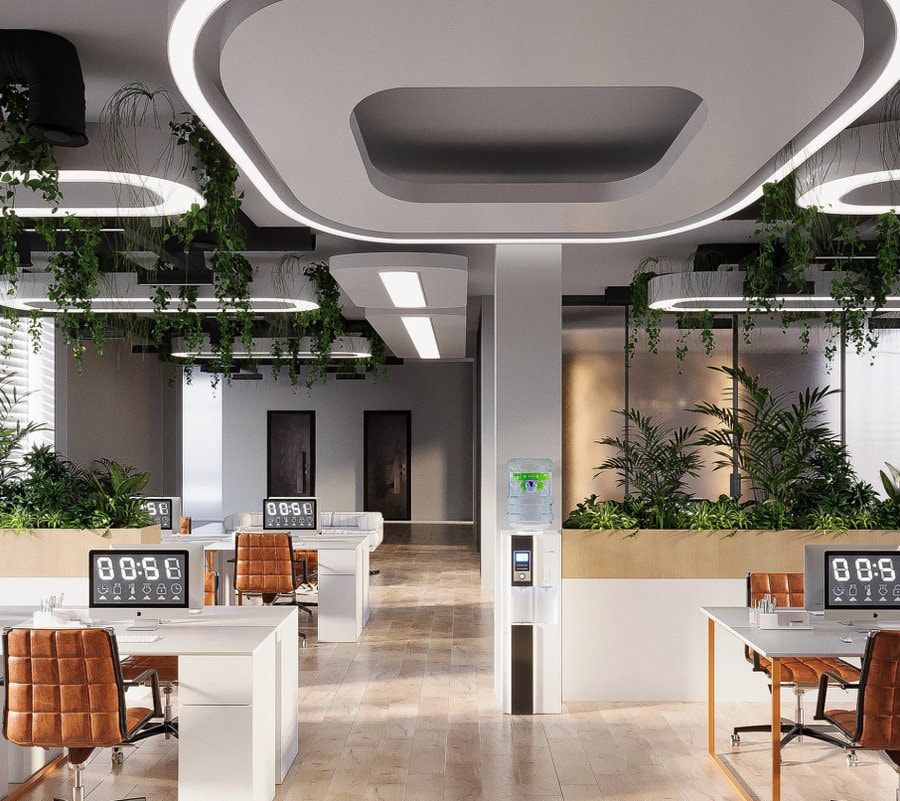
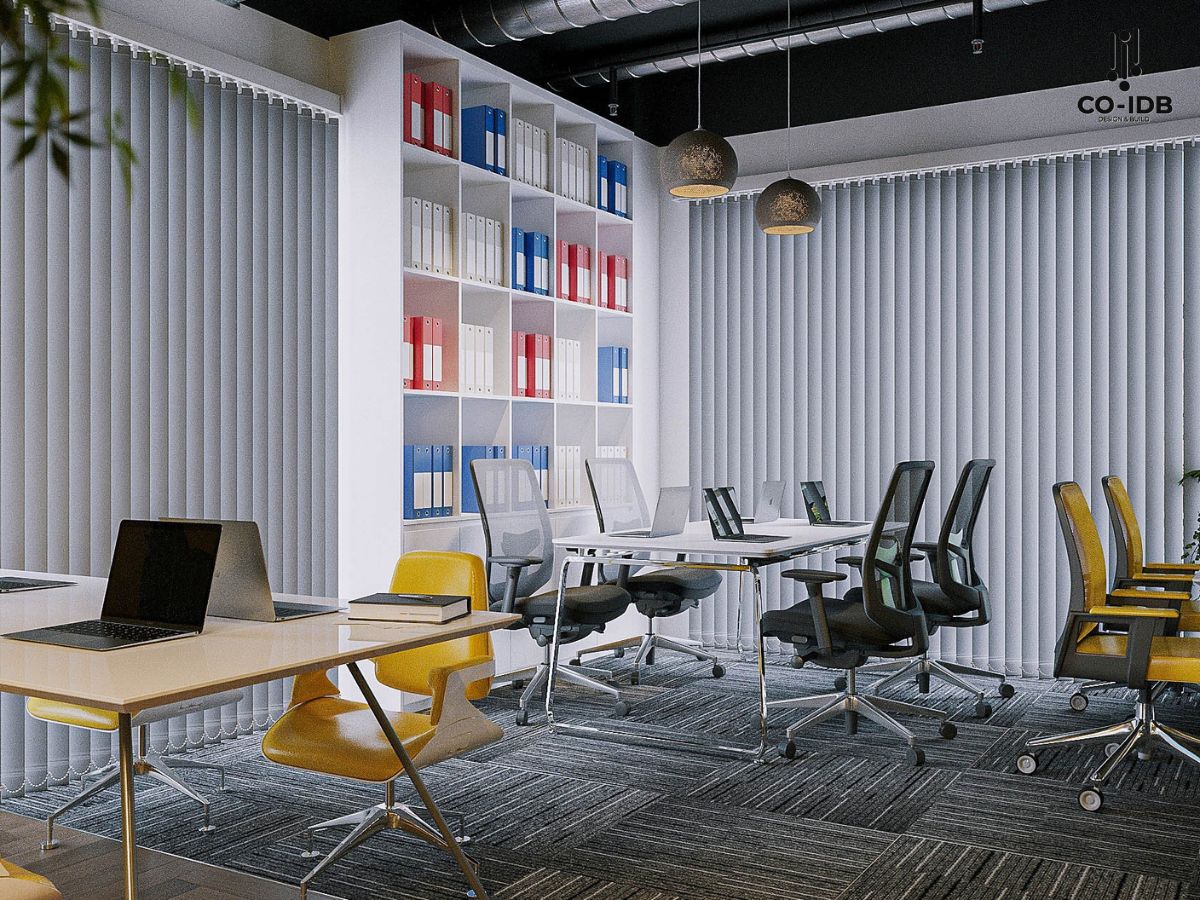
The Eco Office style is currently seen as a modern interior design trend, bringing nature into the office space. A prominent strength of this trend is the greater utilization of natural light; glass partitions are often used to maximize the amount of natural light.

Modern Office Design Style
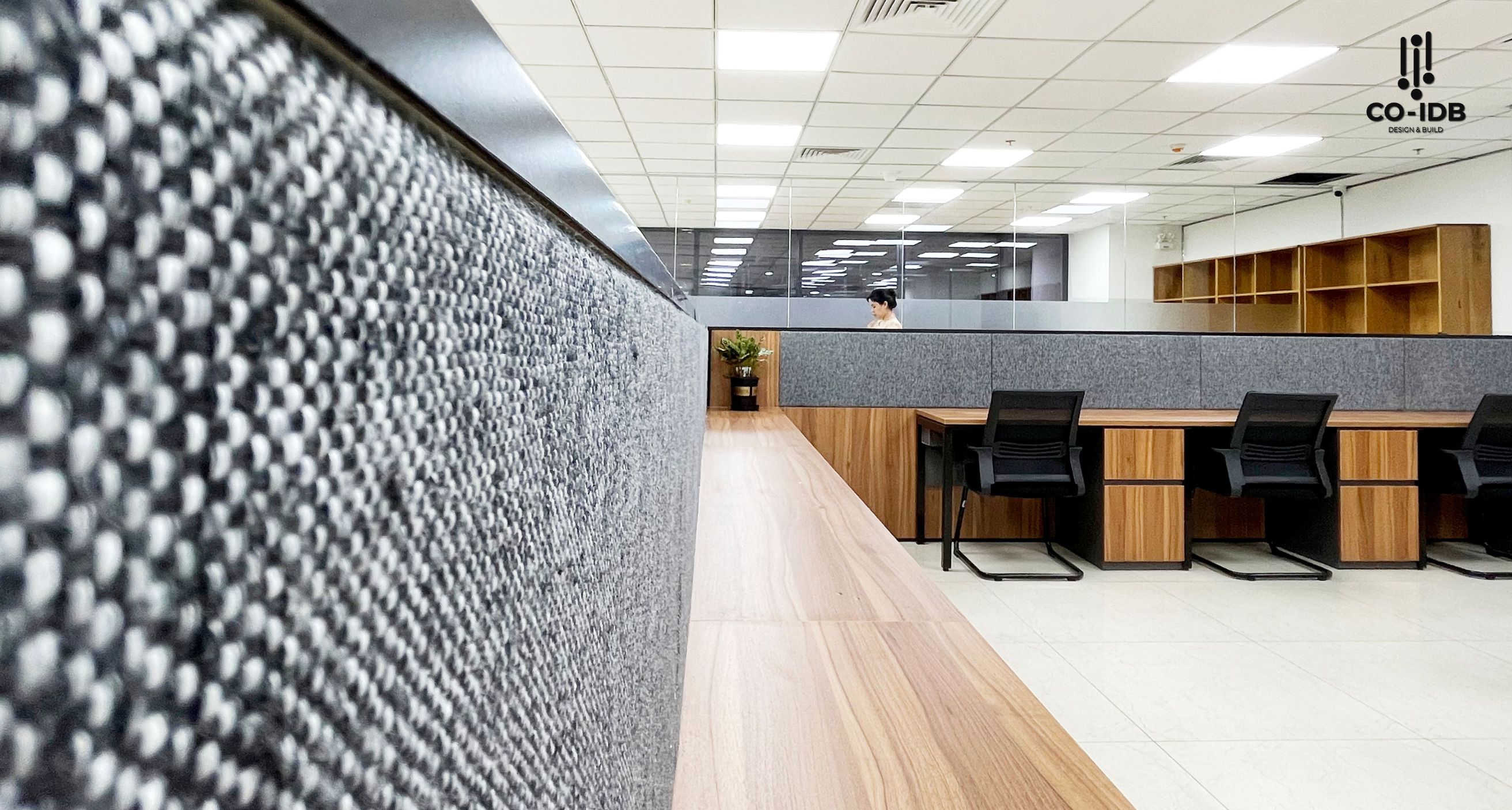
The modern office design style focuses on convenience, sleekness, and high applicability. Common elements are sharp, square lines, modern materials like glass, metal, composite plastic combined with neutral tones such as white, gray, and brown to create the foundation for the space. The layout is scientifically organized, helping to optimize the workspace and increase usage efficiency. This is a popular choice for technology companies, startups, or businesses aiming for a youthful, professional, and flexible operational image.
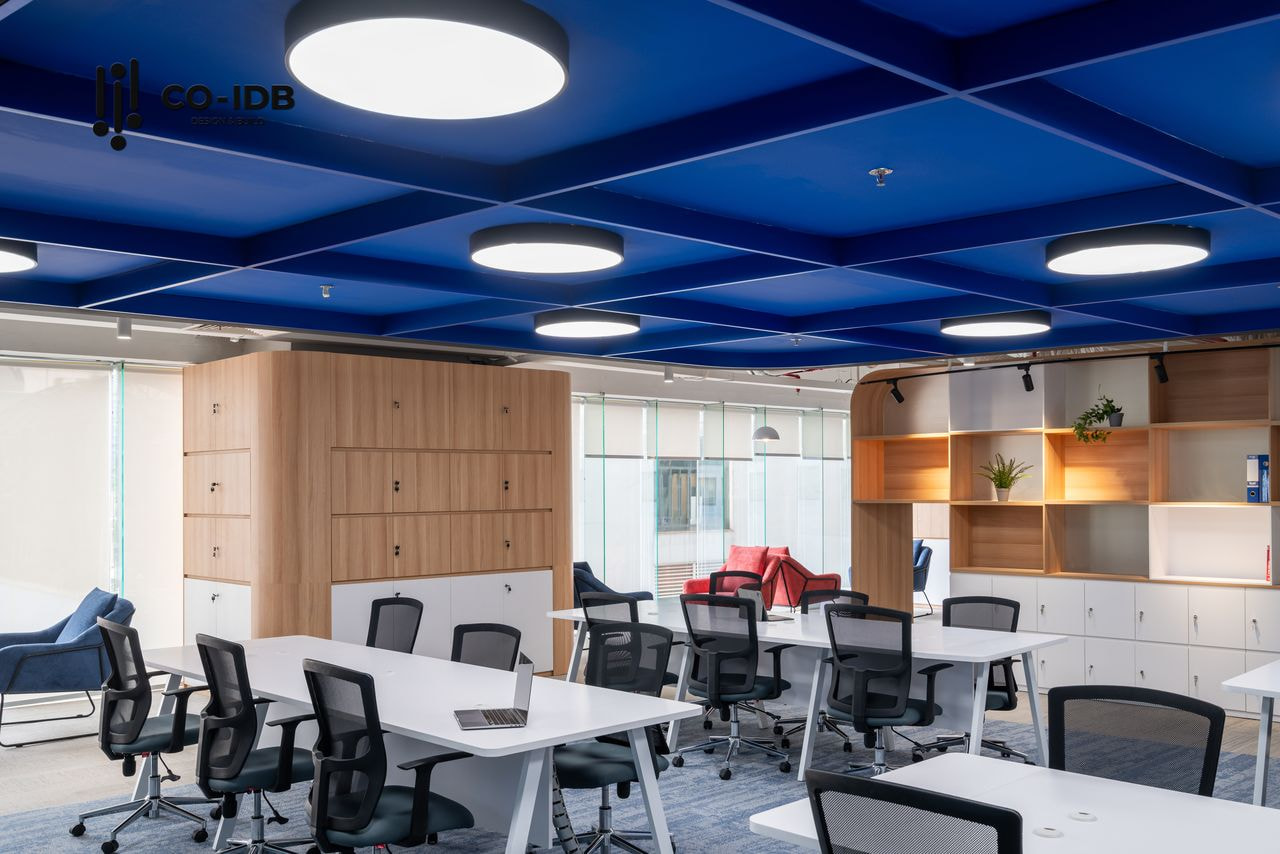
Classic Office Interior Design Style
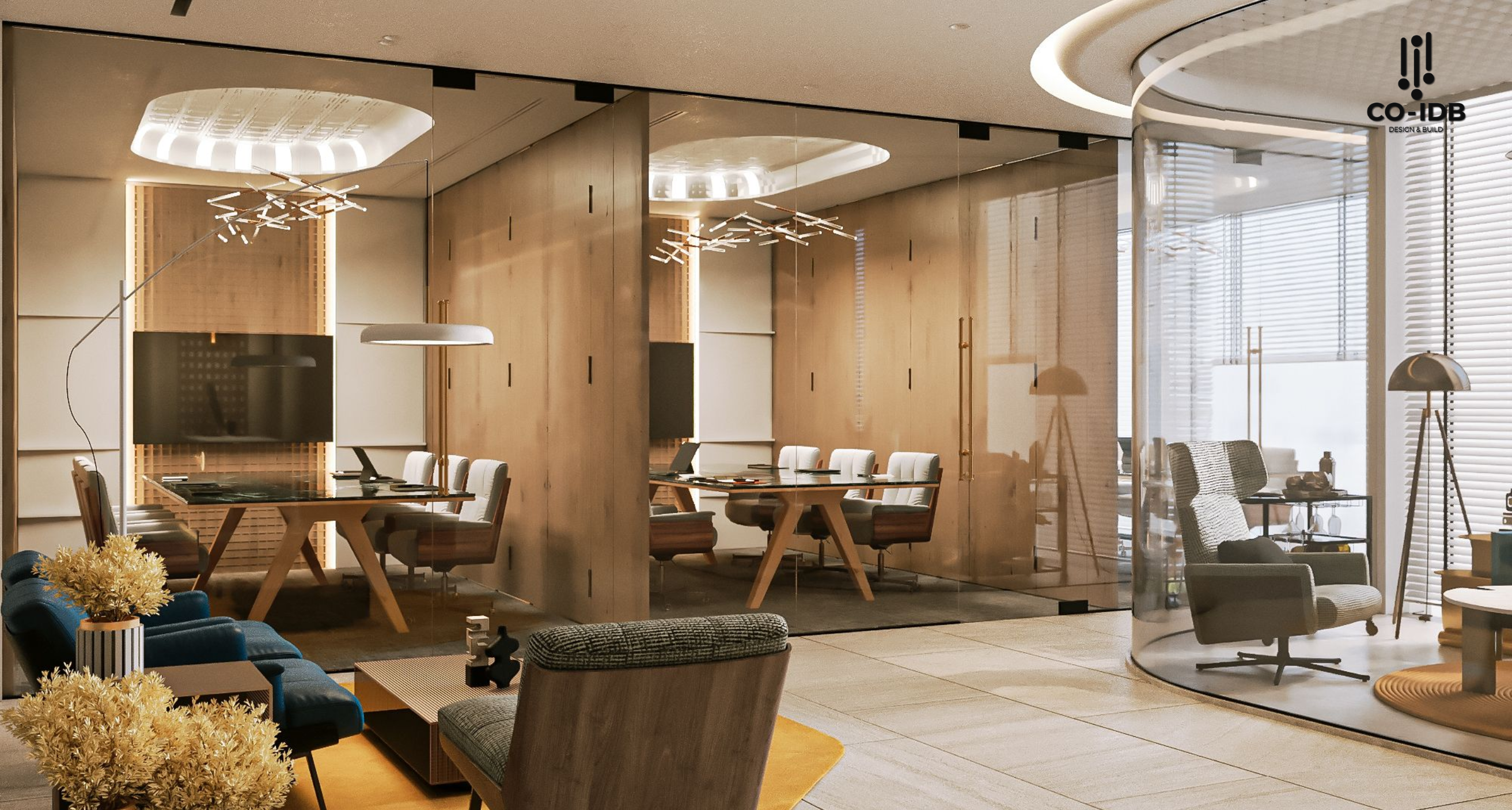
The classic style brings luxury, standard, and a sense of permanence. The space often uses natural wood, leather, along with sophisticated, symmetrical decorative details like molding, high ceilings, or chandeliers. This style is chosen by many businesses in the finance, legal, and real estate sectors – as it expresses prestige, stability, and class. The combination of high-end furniture and dignified arrangement helps create a deep impression on customers and partners.

Industrial Office Design Style
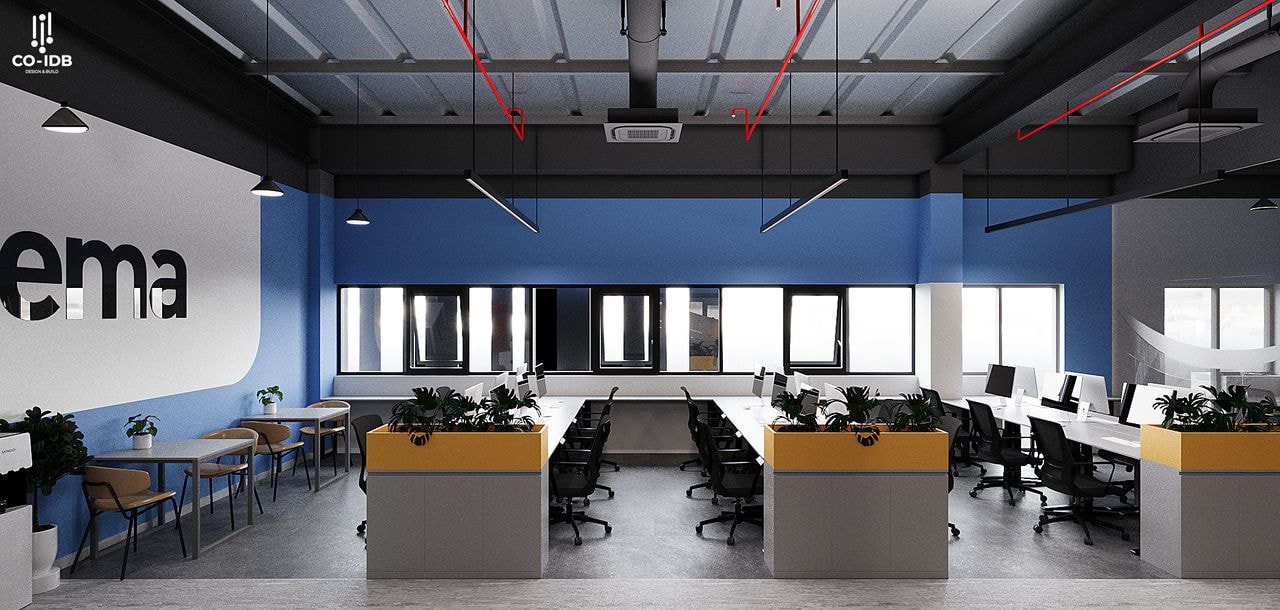
Industrial is a style inspired by factories and workshops – bringing a rustic, strong, and distinct personality to the workspace. Exposed brick walls, concrete ceilings with visible technical conduits, exposed electrical/AC ducts, combined with metal and rustic wood furniture are common characteristics. The Industrial office space is suitable for young, creative businesses or those with a dynamic work culture. This choice expresses a unique character and can save on investment costs if reasonably designed.

Minimalist Office Design Style
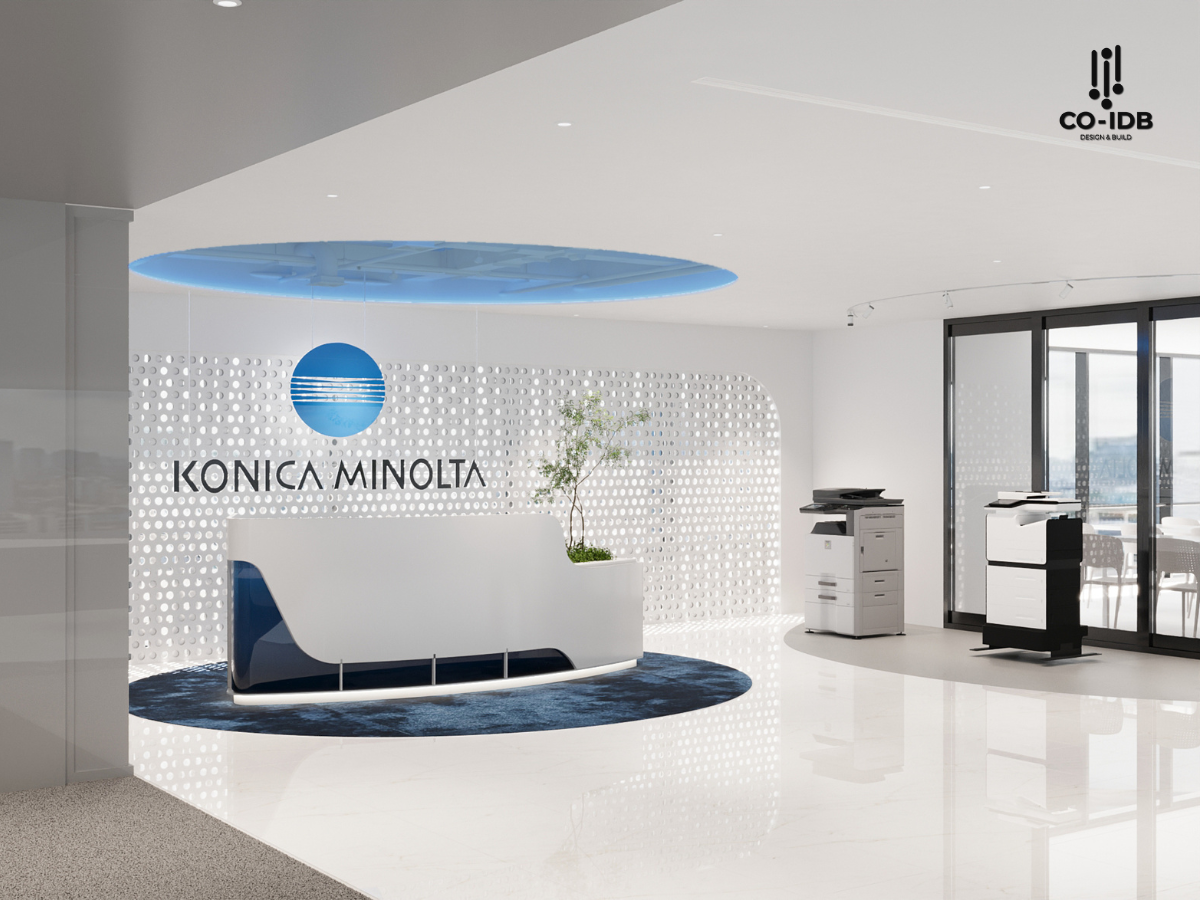
The minimalist style focuses on eliminating superfluous elements, retaining only what is truly essential. Neutral color schemes such as white, gray, and black, flat furniture, minimal details, and simple lines create a sense of spaciousness, lightness, and sophistication. The spatial layout is often designed to be coherent and scientific, helping to reduce visual stress and increase the user’s ability to concentrate. This style is popular in technology offices, design firms, or businesses pursuing a professional – optimized image.

Open Office Design Style
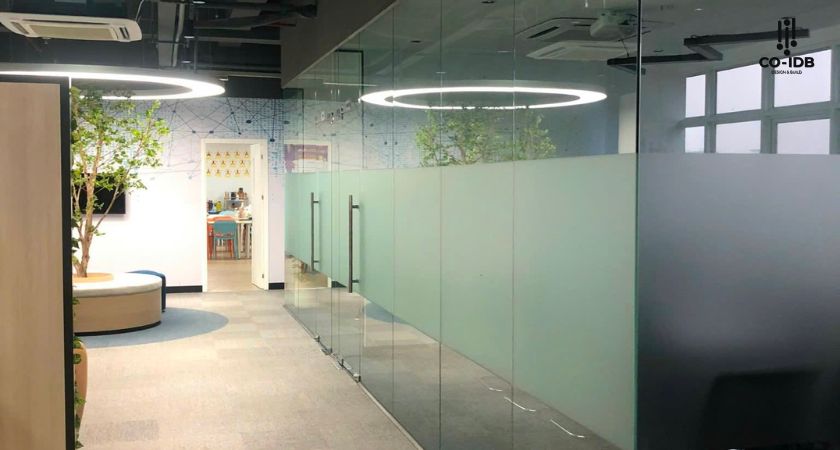
The open office is a design trend aimed at increasing connectivity between departments, removing fixed partitions to create a flexible, airy workspace. Areas are separated by mobile furniture or glass partitions to maintain necessary privacy without losing the open nature. This style is suitable for businesses with a team-based work model, requiring frequent exchange, especially in creative, marketing, and startup fields. The open office contributes to fostering creativity, reducing the distance between staff and management.
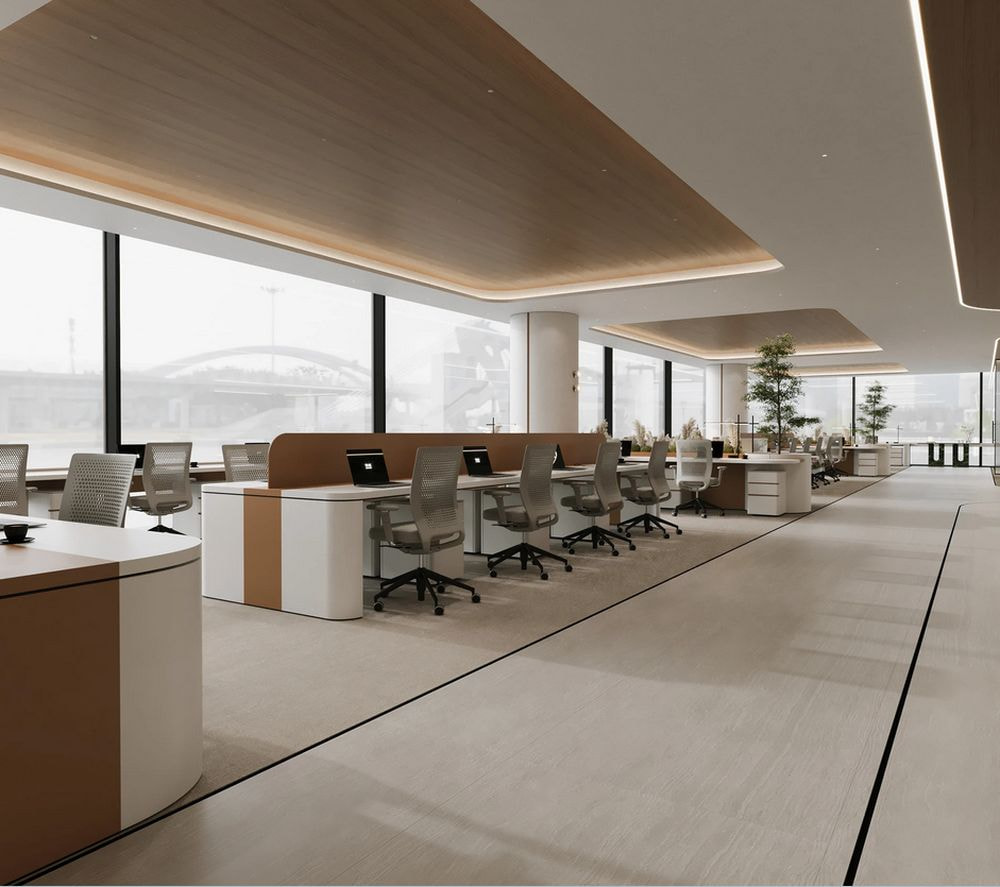
Multi-functional Office Design Style
Multi-functional office design aims to maximize the use of every square meter of space, suitable for businesses that need flexibility in usage – especially in large cities. A meeting room can also serve as a training area, and a relaxation room can be converted into a reception area. Smart furniture, sliding partitions, and foldable desks are common solutions. This style helps save space, optimize costs, and easily adapt to changes in operating models such as remote or hybrid work.
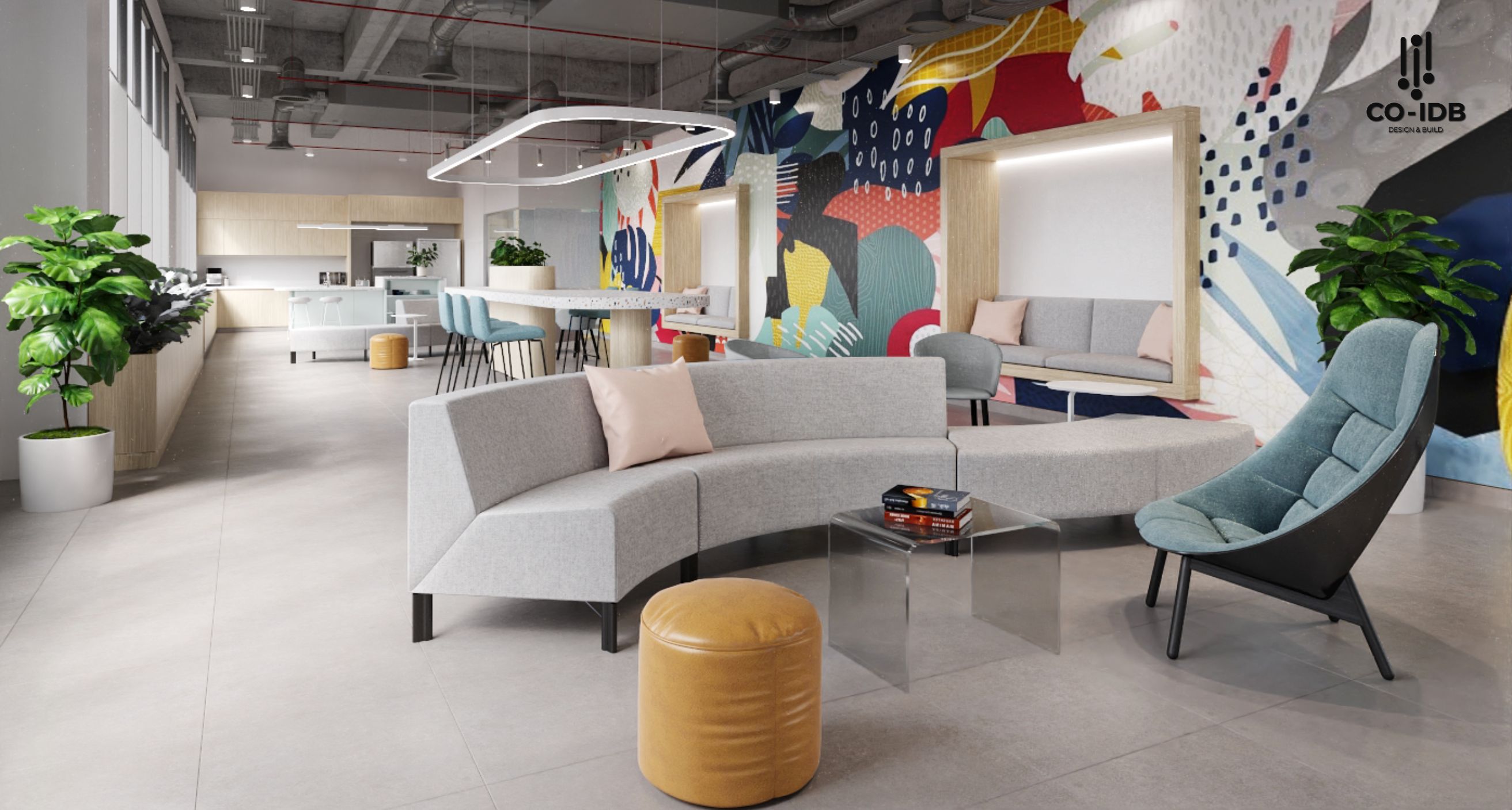
Experience-Based Office Design Style
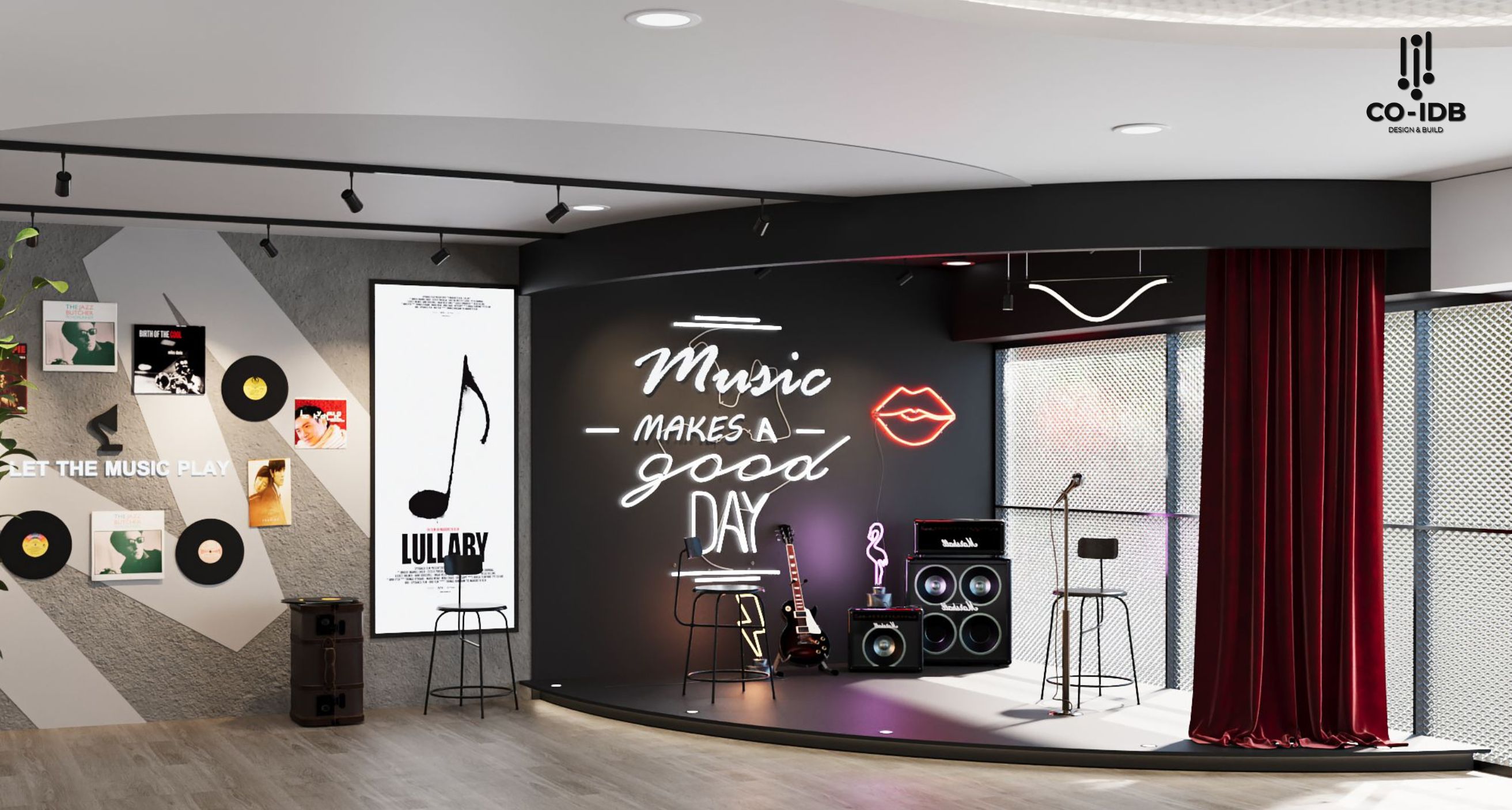
This style not only focuses on functionality but also prioritizes the experience of employees and customers. The space is divided into many specialized areas: from relaxation lounges, reading nooks, and mini-bars to creative spaces, gaming areas, or wellness zones. This is a common trend in agencies, creative companies, or large corporations seeking to increase internal engagement. An experience-based office contributes to creating an engaging work environment, attracting talent, and enhancing the employer brand.
Why choose CO-IDB as your partner for office design and construction?
Choosing a design and office construction unit not only affects the quality of the workspace but also determines the brand image in the eyes of customers and partners. With hands-on experience in hundreds of Class A office projects, CO-IDB provides creative design solutions, technically sound construction, and cost optimization, ensuring every space is both beautiful and efficient.
Correctly understanding needs – Focused consulting
CO-IDB does not design offices just to be “visually appealing.” We accompany businesses to deeply understand the industry specifics, operating model, brand vision, and from there, provide strategic and suitable spatial solutions.
Multi-industry experience – Practical solutions
We have successfully implemented hundreds of office projects.
Design aligned with business goals: Every project begins with a clear understanding of the customer’s core values, operating model, and brand image.
Full Design & Build package – Quality control from start to finish
With a complete Design & Build model, CO-IDB takes charge from concept design, technical details, in-house furniture production, to final construction, helping to control quality, timeline, and budget for customers.
Cost optimization – Maximizing usage efficiency
The space must be beautiful but also efficient. CO-IDB advises on flexible functional layouts, durable and easy-to-maintain materials, and smart furniture, helping businesses optimize area, reduce operating costs, and increase work performance.
Commitment to transparency – Partnership
We commit clearly on costs, timeline, and quality. After handover, CO-IDB’s warranty and after-sales team is always ready to support, ensuring the business operates smoothly from day one.

>> See more: