“
Office curtains and blinds play a vital role in the modern workplace. They are not merely decorative items but key factors in optimizing space, controlling light, and creating a professional atmosphere. Choosing the right window coverings can enhance work efficiency and create an impressive, attractive office design for potential clients.
Popular Types of Office Curtains and Blinds
The office window covering market offers a diverse range of blinds and curtains to meet various needs and preferences. Each type has unique characteristics, suitable for different spaces and purposes within the office.
Fabric Curtains
Fabric curtains bring a soft and cozy look to the office space. The fabric material offers effective sound insulation and temperature regulation. The variety of colors and patterns in fabric curtains allows businesses to express their unique style and make an impression on clients.
Roller Blinds (Rèm Cuốn)
Roller blinds stand out with their modern and neat design. The rolling mechanism allows for easy adjustment and saves office space. Roller blinds are suitable for small offices or those needing a flexible solution for light control.
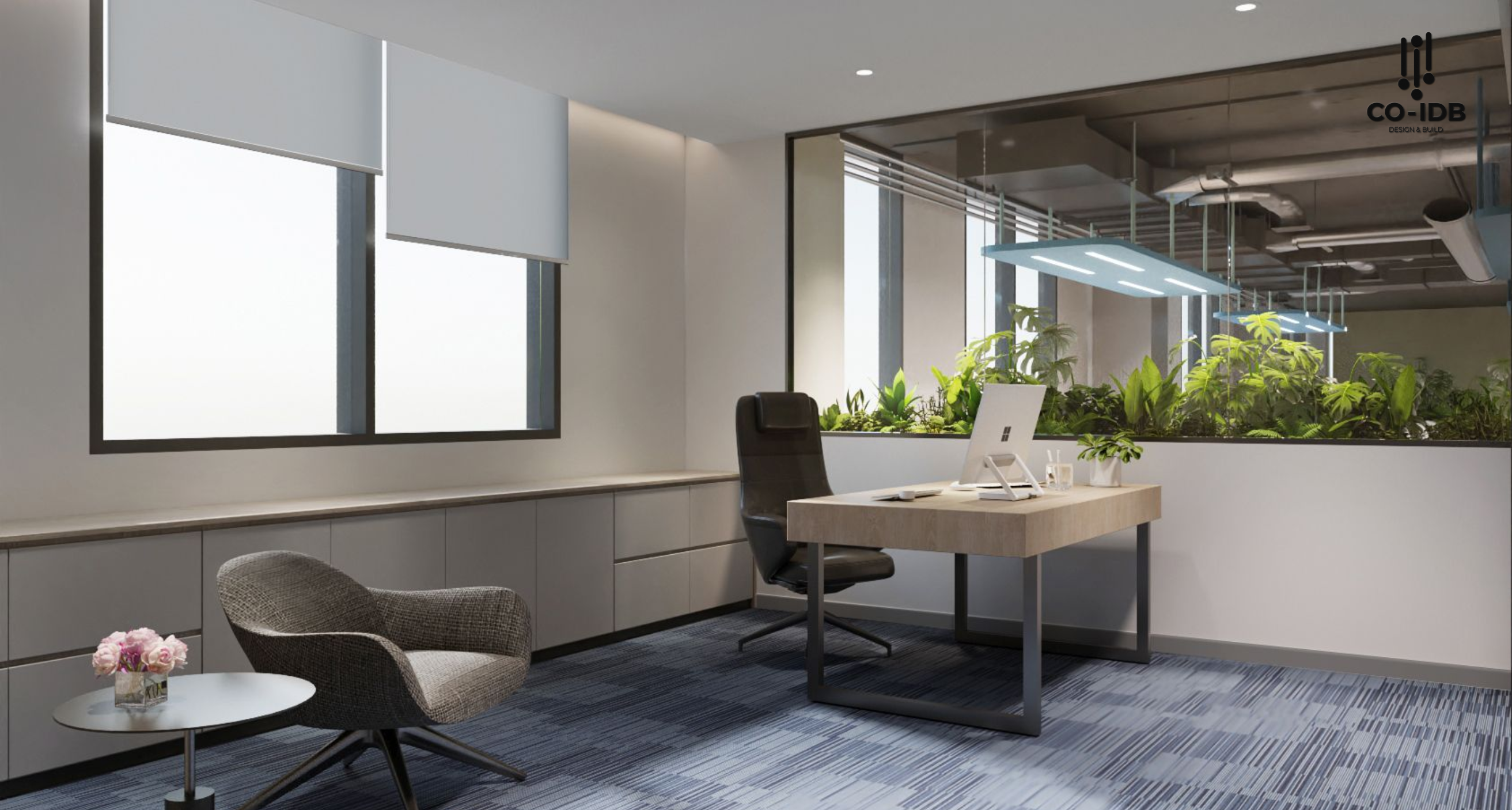
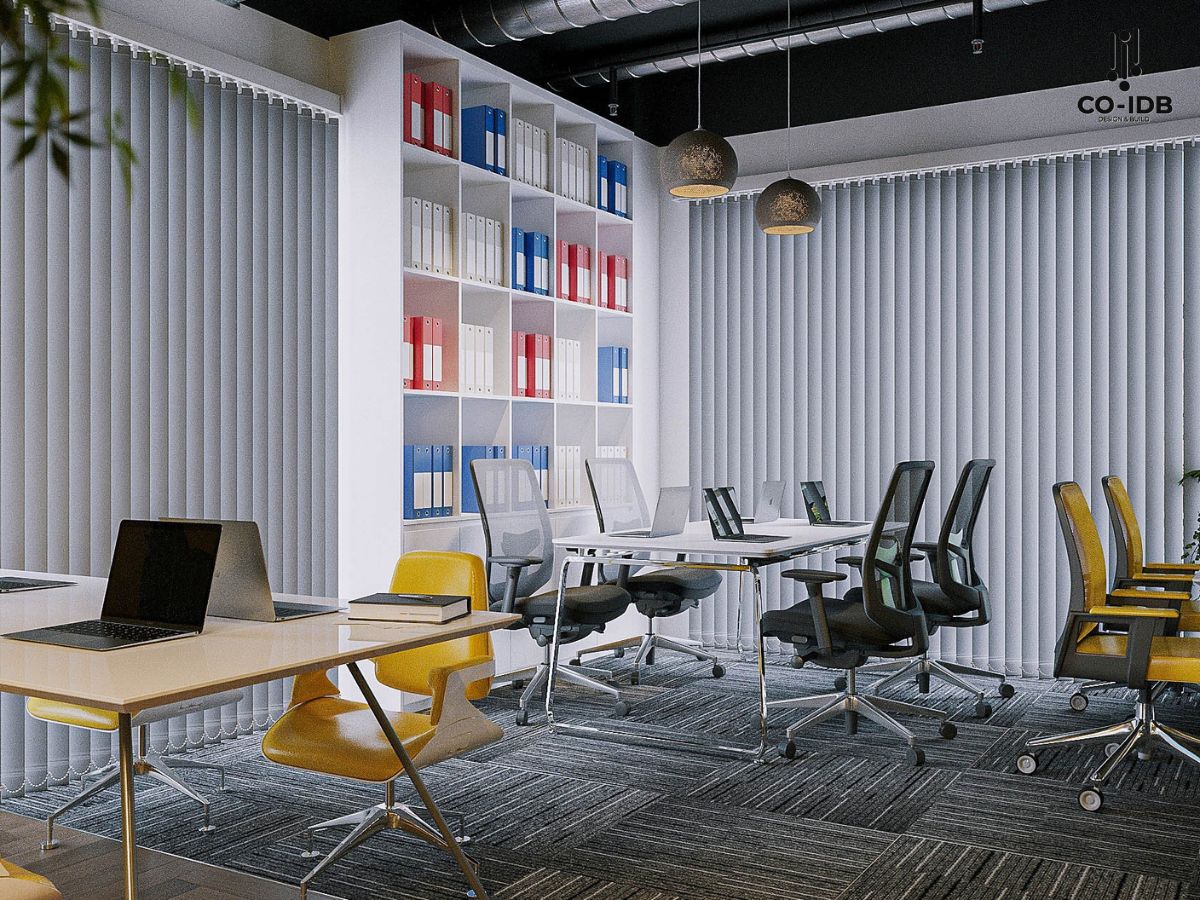
Vertical Blinds (Rèm Lá Dọc)
Vertical blinds are suitable for large glass doors and high windows in modern offices. The vertical slat design allows for angle adjustment to control the amount of light and the view. Vertical blinds are easy to replace one slat at a time when needed, helping to save on maintenance costs.
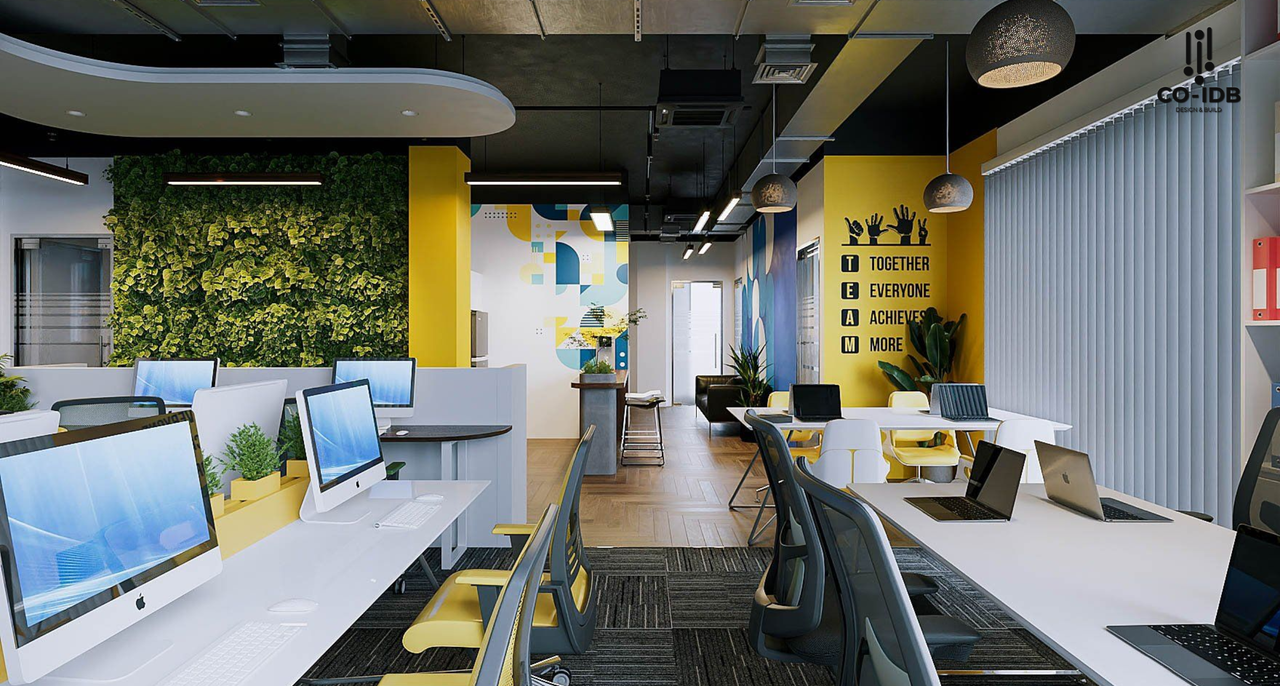
Roman Blinds (Rèm Roman)
Roman blinds bring a luxurious and sophisticated look to the office. The pleated design creates a unique visual effect when raised or lowered. Roman blinds are suitable for offices that need to make an impression on clients or partners.
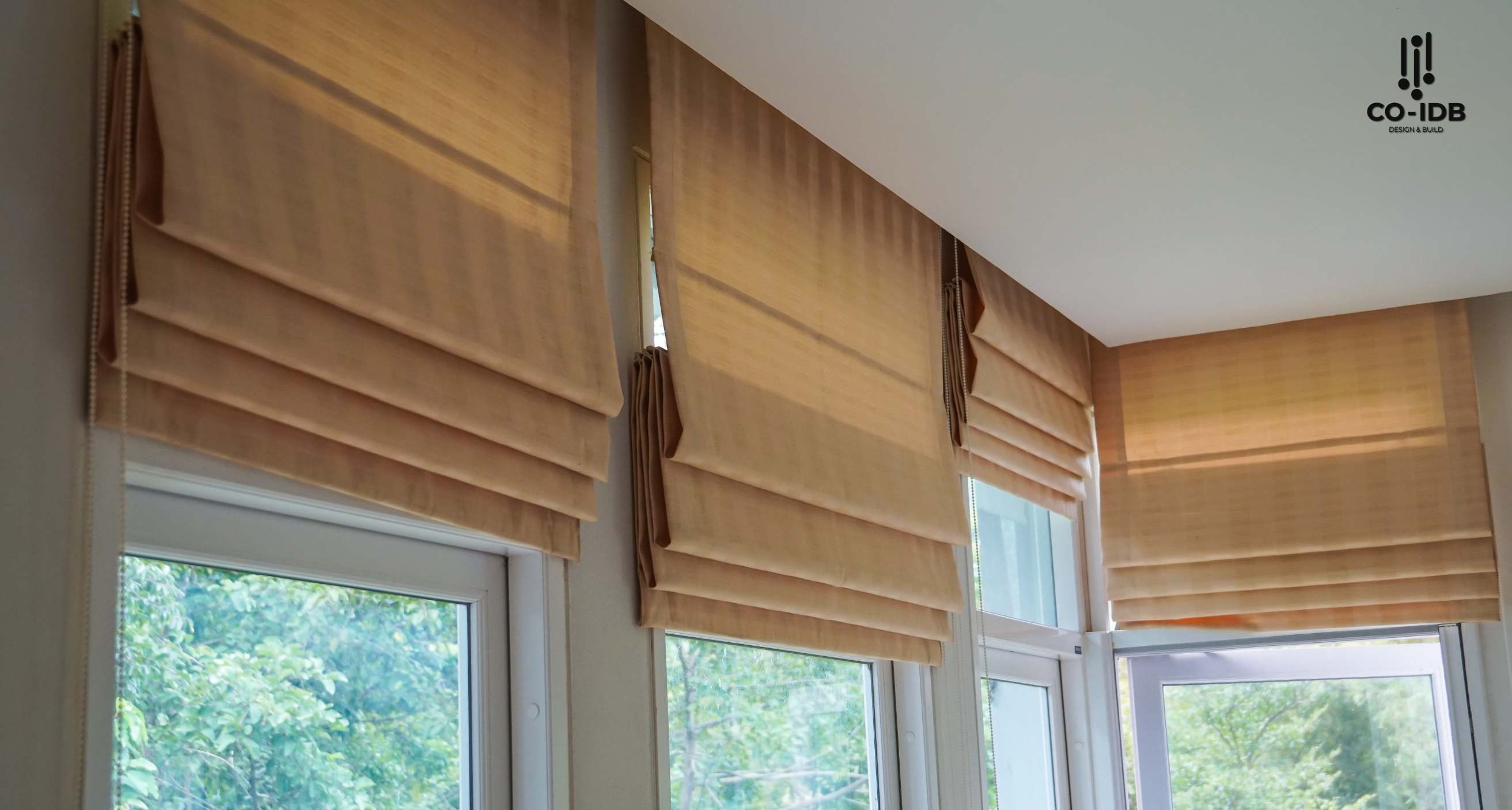
Glass Window Blinds (Rèm Cửa Kính)
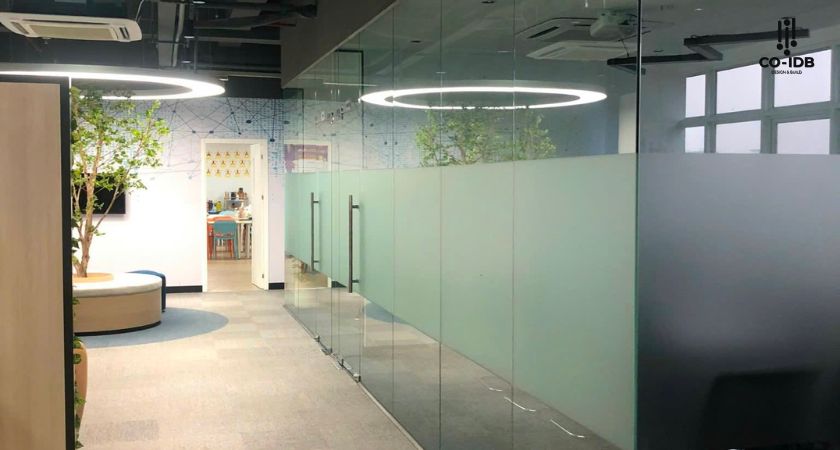
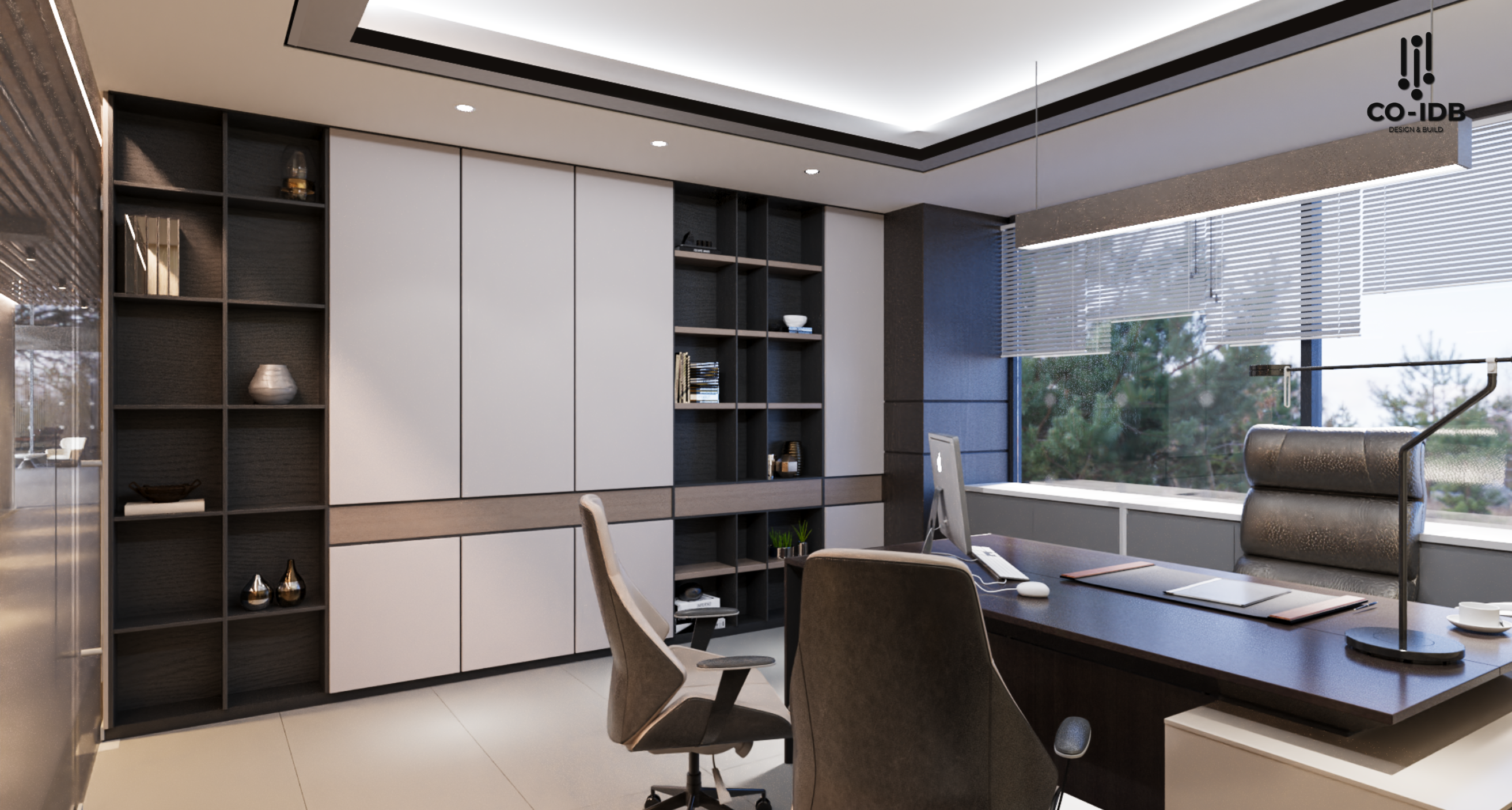
Glass window blinds are specially designed to optimize natural light in offices with many glass windows. This type of blind helps reduce glare on computer screens and creates a comfortable working environment for employees.
Comparison of Popular Office Curtains and Blinds
|
Blind Type |
Pros |
Cons |
Best Suited For |
|
Fabric Curtains |
– Diverse colors – Good sound insulation – Create a cozy space |
– Easily collects dust – Requires periodic washing |
Offices needing a friendly impression |
|
Roller Blinds |
– Neat, modern – Easy to adjust – Space-saving |
– Limited color options – Poor sound insulation |
Small offices, needing flexibility |
|
Vertical Blinds |
– Suitable for large glass doors – Easy angle adjustment – Easy to replace individual slats |
– Can be noisy in the wind – Not suitable for classic style |
Offices with large, high glass windows |
|
Roman Blinds |
– Luxurious, sophisticated – Create beautiful visual effects – Good heat insulation |
– High cost – Difficult to clean |
Senior executive offices, important meeting rooms |
|
Glass Window Blinds |
– Optimize natural light – Reduce screen glare – Protect privacy |
– Limited in style – May not provide enough sound insulation |
Offices with many glass windows, needing light control |
Common Green Materials in Office Interiors
Choosing the right blinds requires considering many factors to ensure aesthetics and function in the office environment. Below are important criteria to consider:
-
Window size and shape
-
Natural light direction
-
Office design style
-
Business budget
-
Security and privacy requirements
-
Sound and heat insulation capacity
-
Durability and maintainability
-
Smart and automation features
Carefully considering these factors helps businesses choose optimal window coverings for the workspace, enhancing efficiency and making a good impression on clients and partners.
>> See more: Types of office lighting for businesses to choose from
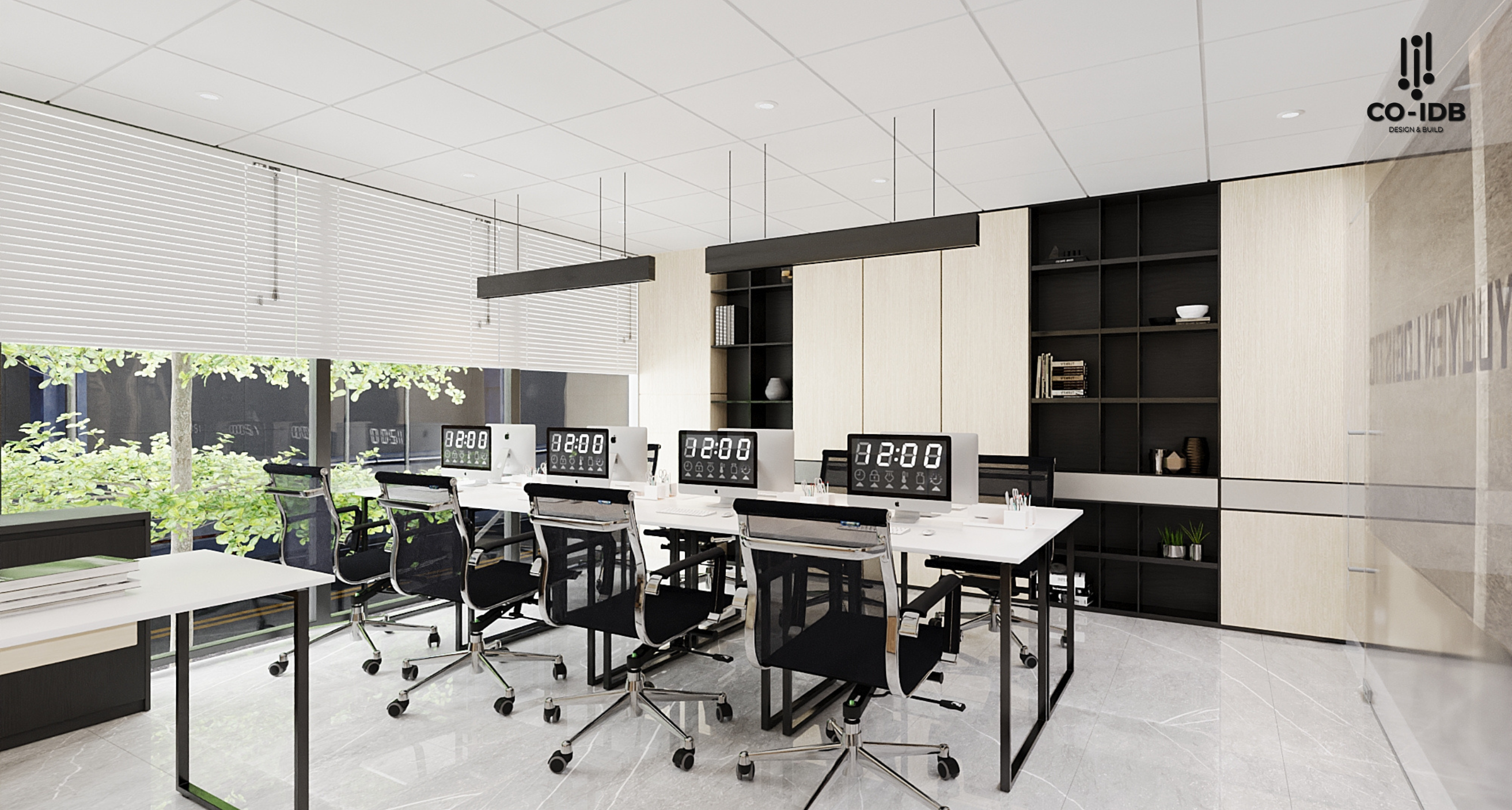
Office Window Covering Materials: Characteristics and Pros/Cons
The material of the window coverings plays a crucial role in determining the durability, maintainability, and functional effectiveness of the blinds in the office environment. Here are some popular materials and their characteristics:
1. Linen:
-
Pros: Luxurious, airy, naturally antibacterial
-
Cons: High cost, easily wrinkled
2. Fire-retardant Synthetic Fabric:
-
Pros: Safe, meets fire safety standards
-
Cons: Limited in colors and styles

3. Linen:
-
Pros: Luxurious, airy, naturally antibacterial
-
Cons: High cost, easily wrinkled
4. Fire-retardant Synthetic Fabric:
-
Pros: Safe, meets fire safety standards
-
Cons: Limited in colors and styles
5. Blackout Fabric:
-
Pros: Good heat insulation, completely blocks light
-
Cons: Can create a heavy feeling in the space

Choosing the appropriate material requires balancing the functional and aesthetic requirements of the office. For example, an office requiring high safety should prioritize fire-retardant fabric, while an office needing a creative space might choose cotton or linen fabric to create a comfortable and natural feel.
How to Combine Window Coverings with Other Office Furniture
When harmoniously combined with other furniture elements, window coverings can create a unified and professional office space. Here are some suggestions for combining window coverings with office furniture:
-
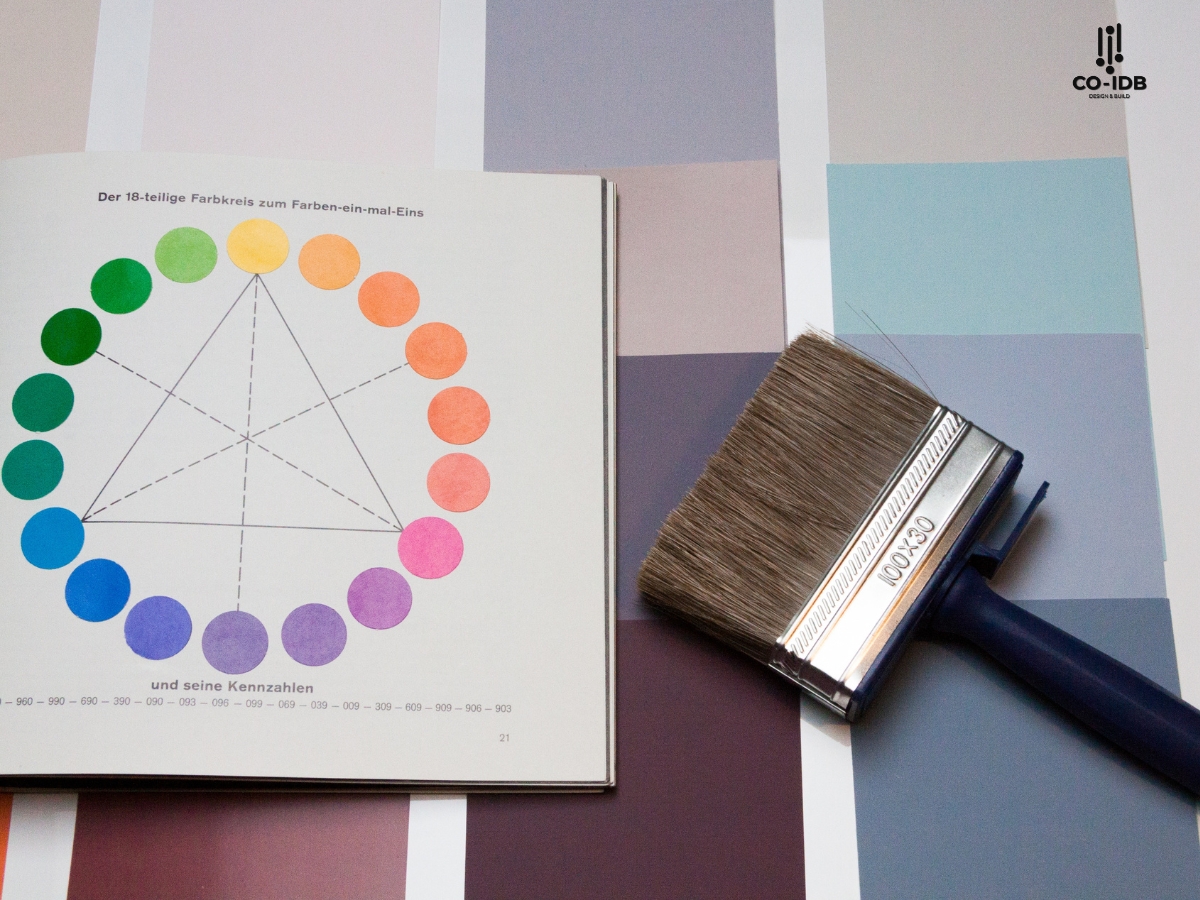
Color coordination: Choose curtain/blind colors that match the general color palette of the office. The curtain color can be used as an accent or to harmonize with walls and furniture.
-
Combination with desks and chairs: Choose a blind material that is similar to the upholstery material of the chairs to create consistency. For example, linen fabric blinds would suit chairs upholstered in natural fabric.
-
Integration with the lighting system: Smart blinds can interact with the office lighting system to optimize natural and artificial light.
-
Coordination with partitions: Use blinds as flexible partitions in open spaces to create consistency with fixed partitions.
-
Combination with cabinets and shelves: Choose a blind style that matches the style of the office cabinets and shelves. For example, Roman blinds would suit cabinets and shelves with a classic design.
The harmonious combination of window coverings and furniture not only creates aesthetic beauty but also contributes to a unified and professional working environment, (reflecting the brand identity) of the business.

Office Window Covering Installation and Maintenance Process
The installation and maintenance process for window coverings plays a crucial role in ensuring effective use and extending the lifespan of the blinds in the office environment. A standard process often includes the following steps:
-
Accurate site survey and measurement
-
Selecting suitable blinds
-
Professional installation
-
Usage instructions
-
Periodic maintenance
The installation of window coverings should be performed by a professional team to ensure the blinds function well and safely. For (smart blinds, the installation process also includes integration with the control system and other devices in the office.
Periodic maintenance helps maintain the performance and aesthetics of the window coverings. A typical maintenance schedule might include:
-
Weekly cleaning: Vacuuming or gentle wiping
-
Monthly inspection: Ensuring all components operate smoothly
-
Quarterly deep cleaning: Washing (if possible) or professional cleaning
-
Annual servicing: Checking and replacing worn parts
For smart blinds, maintenance also includes software updates and checking (wireless connections) to ensure the system always operates stably.
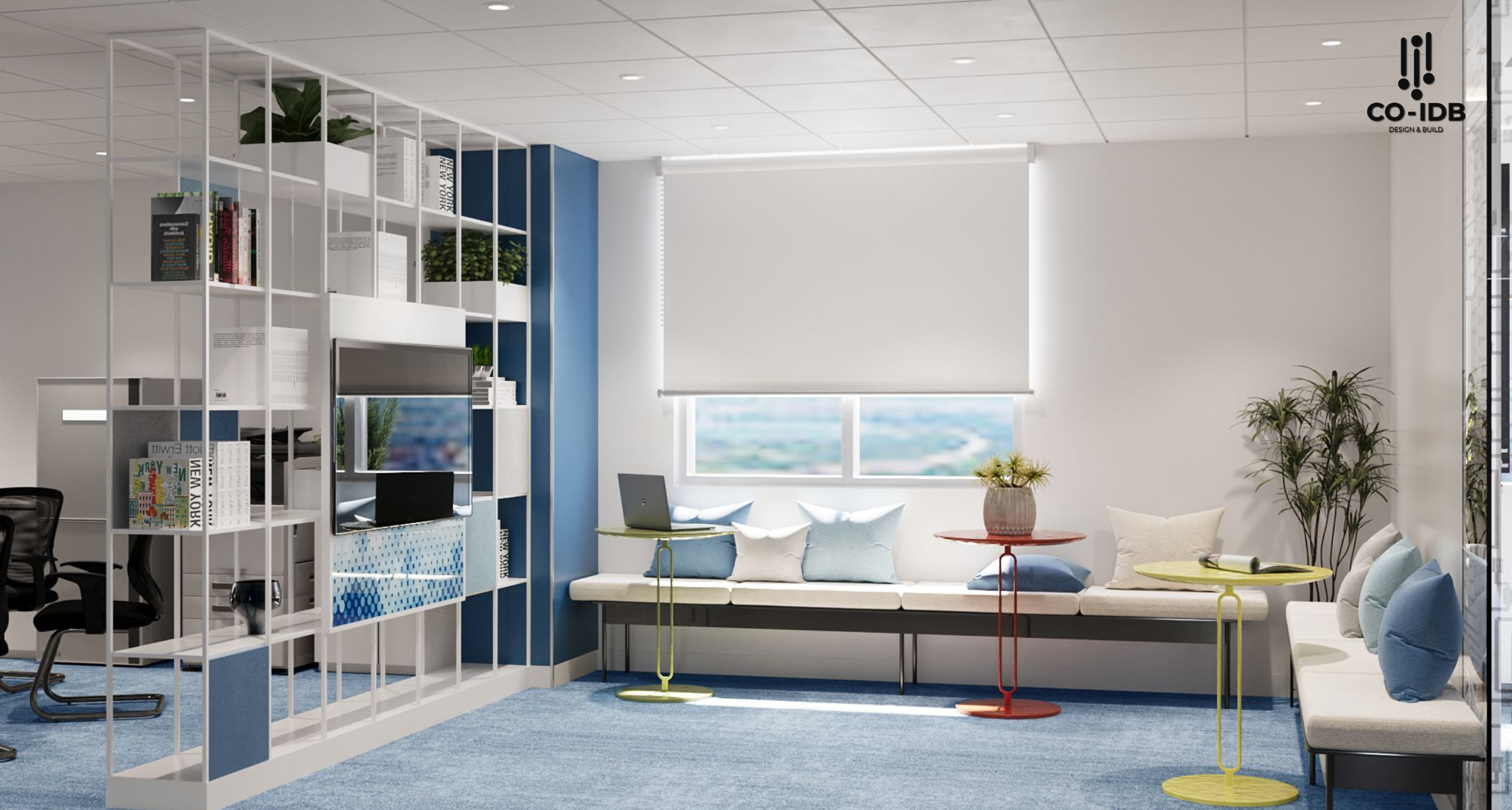
With the factors Co-IDB mentioned above about office window coverings, businesses need to consider many elements such as function, aesthetics, cost, and technology integration when choosing office blinds. By carefully considering and making smart choices, businesses can turn their window coverings into a crucial part of their strategy for optimizing the work environment.
>> See more: