The director’s office plays a central role as the power hub in every business. More than just a workspace, it is a space that reflects the company’s vision, leadership style, and corporate culture. A well-designed director’s office creates an effective working environment, boosting productivity and inspiring the team.
This article will delve into the important aspects of director’s office design, from space planning to ergonomics, aesthetics, and flexibility. We will explore how to optimize the workspace for leadership while creating a strong impression on partners and clients.

Function of the Director’s Office
Director’s office design directly influences the corporate image. A professionally and luxuriously designed space conveys a message of the company’s success and credibility. Clients and partners highly value businesses with a meticulously invested leadership office, which (creates an advantage) in (negotiations and collaborations).
The CEO’s work performance significantly depends on the working environment. A thoughtfully designed director’s office optimizes workflow, reduces stress, and enhances focus. A suitable workspace supports the decision-making process and promotes creativity, two core elements in a leadership role.

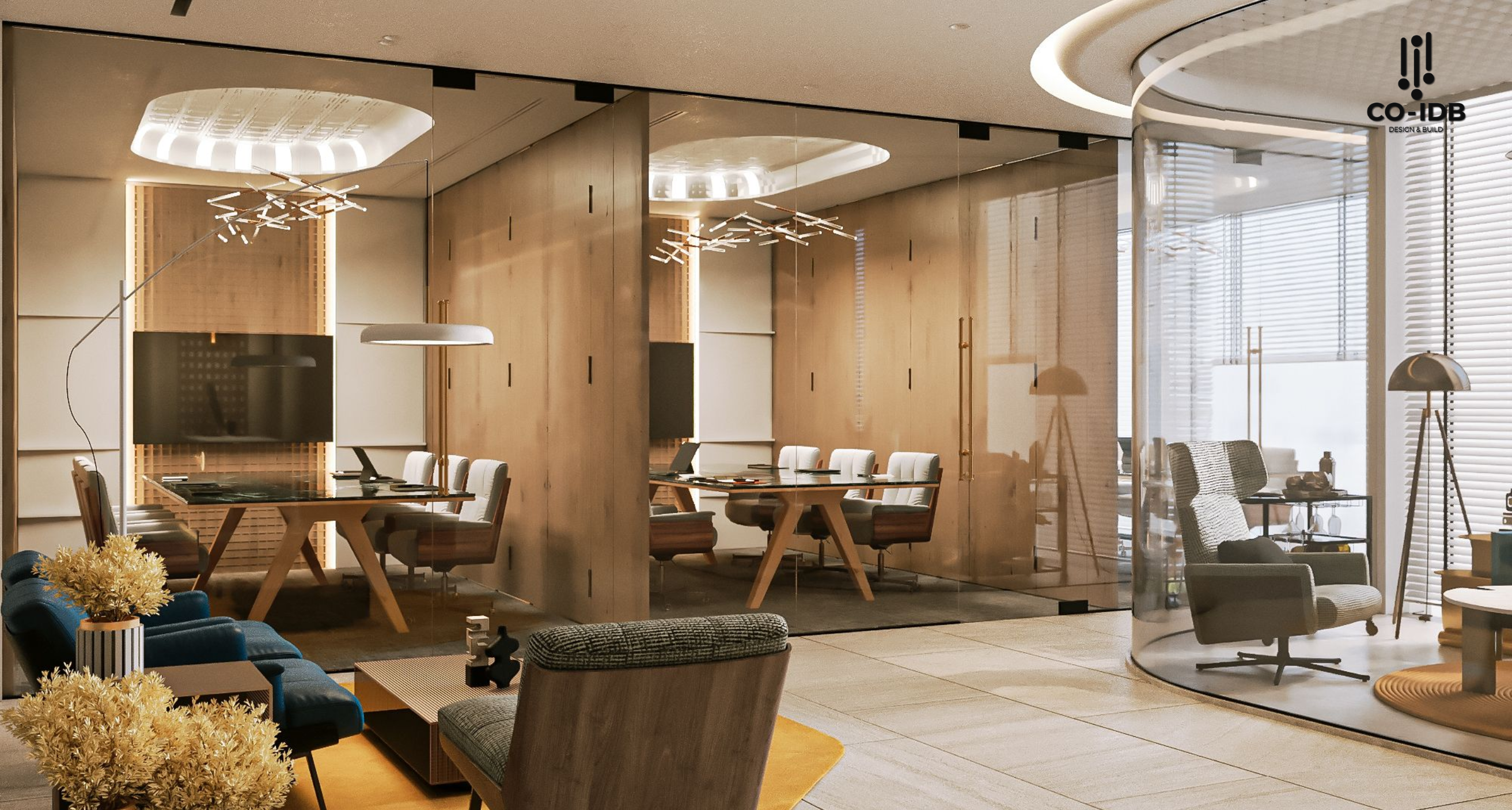
Similar to the reception area, the director’s office is a space that creates an impression on the company’s clients and partners, playing a vital role in business. The director’s office is where many important meetings and key negotiations take place. An impressive and professional design creates a positive atmosphere, fosters trust, and facilitates agreement-reaching.
What Should a Director’s Office Have?
Director’s office furniture plays a crucial role in showcasing the leader’s position, class, and making an impression on partners and clients. Below are the basic furnishings a director’s office should have.
Desk:
-
The desk is the centerpiece of the director’s office, so it is necessary to choose a table with an appropriate size, luxurious design, and convenience.
-
Popular materials for executive desks include high-grade natural wood such as walnut, rosewood, oak,…
-
The desk should have enough area to place a computer, screen, documents, and other necessary items.

Executive Office Chair:
-
The executive chair must be soft and comfortable for the user to work for long periods.
-
Choose a chair whose design matches the style of the desk and the overall room space.
-
High-grade leather is a popular choice for executive chairs.
File Cabinet:
-
File cabinets help store records and papers neatly and scientifically.
-
Choose a cabinet with a size appropriate for the room’s area and multiple compartments for document classification.
-
Wood or metal are common choices for file cabinets.

Reception Sofa:
-
A reception sofa helps create a good impression on clients and partners visiting the office.
-
Choose a sofa with a size appropriate for the room’s area and colors harmonious with the overall space.
-
High-grade leather or felt/fabric is a popular choice for reception sofas.
Decorative Items:
-
Decorative items such as paintings, plants, feng shui objects… help create a focal point in the director’s office and bring a comfortable feeling to the user.
-
Choose decorative items whose colors and styles are harmonious with the overall room space.

In addition to the basic furnishings above, the director’s office may include other amenities such as:
-
Private restroom
-
Relaxation area
-
Modern sound and lighting system
What is the Standard Size of a Director’s Office?
The standard size of a director’s office depends on various factors such as:
- Office Area:
-
If the office area is small, the director’s office can range from 10 – 15 m2.
-
If the office area is large, the director’s office can range from 35 – 40 m2 or more.
-
-
Usage Needs:
-
-
If the director frequently hosts clients and partners, the room area needs to be larger to have a separate reception area.
-
If the director requires a private restroom, the room area also needs to be larger.
-

In addition, the size of the director’s office also needs to adhere to some following standards:
-
Minimum area: The minimum area for a director’s office is 9 m2.
-
Height: The minimum height for a director’s office is 2.6 m.
-
Area ratio: The area ratio between the length and width of the director’s office should be 1:1.5 or 1:2.
See more: Admire the design and construction samples for a 1000m2 office interior
How to Design the Director’s Office Interior?
Aesthetic and Psychological Factors in Design
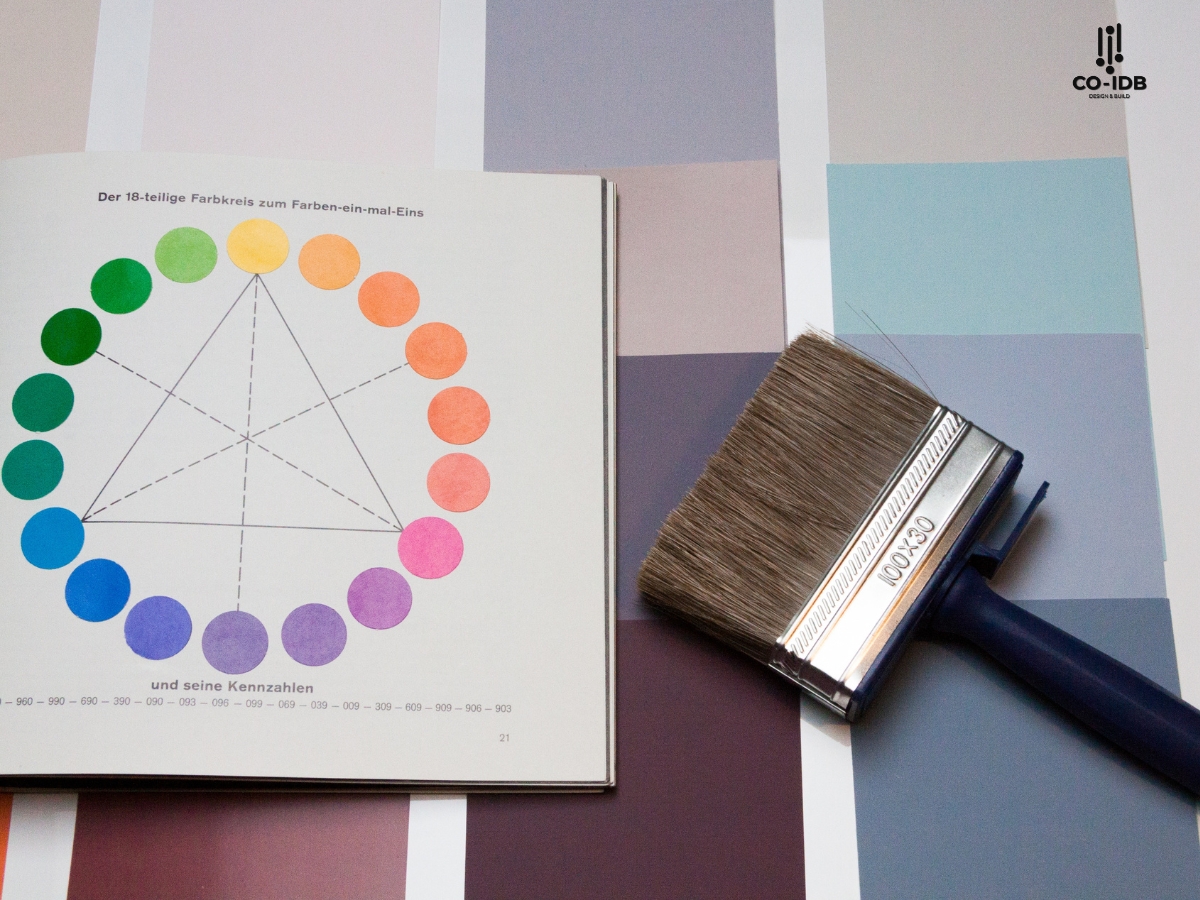
Color in director’s office design profoundly affects psychology and work performance. Choosing the right colors not only creates a visual impression but also impacts mood and energy. For example:
-
Blue: Creates a sense of calm and focus
-
Green: Encourages creativity and balance
-
Brown: Brings a feeling of stability and trustworthiness
-
Gray: Conveys professionalism and sophistication

Lighting plays a crucial role in creating an ideal working environment. Utilizing natural light not only saves energy but also improves mood and productivity. Combine this with a flexible artificial lighting system, where brightness and color can be adjusted according to the time of day and work needs.
Art and decoration in the director’s office not only serve an aesthetic purpose but also reflect the company’s values and vision. Paintings, statues, or other artwork should be carefully selected to convey the message of corporate culture and the leader’s personality.

Feng Shui can play a role in leadership office design, especially in Asian businesses. Some basic Feng Shui principles include:
-
Placing the desk in a position where the entrance is visible
-
Avoiding placing the desk under a beam or directly facing the door
-
Using items symbolizing prosperity and good luck
-
Balancing the five elements: metal, wood, water, fire, earth in decoration
-
Versatility and Flexibility of the Space
Director’s Office Layout
Effective space planning is the foundation of successful director’s office design. Logical division of functional zones optimizes workflow and enhances performance. A typical director’s office should include the following areas:
-
Main working area
-
Reception/Client area
-
Quick meeting area
-
Storage area
The room’s traffic flow needs to be designed to optimize efficiency. Furniture arrangement should allow easy movement between areas, minimizing unnecessary time and effort. The desk should be positioned where there is a good view of the door and windows, creating a sense of control and security.

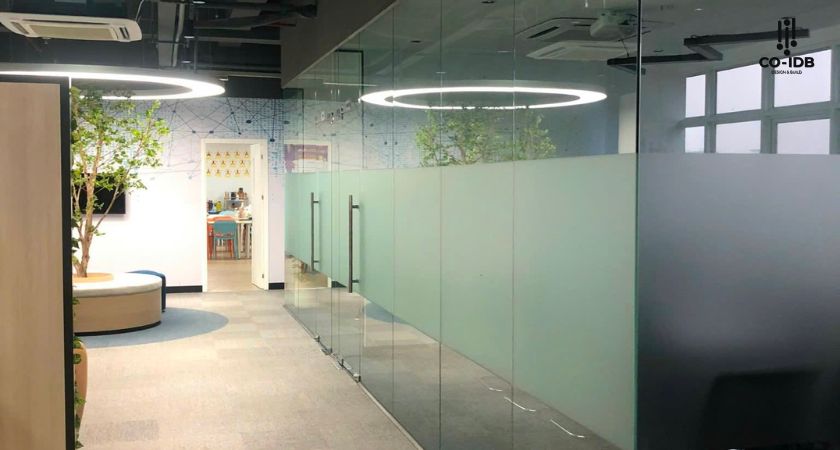
Balancing privacy and openness is a challenge in director’s office design. Using movable partitions or plants can create a flexible space, meeting privacy needs when necessary while maintaining openness and communication ability.
A well-designed director’s office is not just a workspace but a strategic tool to foster the success of the leader and the business. By investing time and resources into creating an optimal working environment for the leadership, the business is laying the foundation for future development and success. Please contact Co-IDB for the most effective director’s office design consultation.
>> See more: