”
Currently, optimizing workspace is one of the top criteria in modern office design. According to annual surveys, each individual spends at least 40 hours/week in the office. So, how can a workspace be arranged to be both aesthetic, comfortable, and productivity-boosting? Co-IDB proposes tips and notes on office design, ensuring flexibility for application regardless of whether the scale is medium or small.
The Importance of Office Design
The office workspace is a “mirror” reflecting the company’s image most clearly and in detail, not only for employees, who spend at least 8 hours a day in the office, but also for partners and clients.
A scientific and convenient office space arrangement will help:
-
Enhance employee work performance: When working in a beautiful office, convenient, with full modern equipment, employees are ensured an ideal environment to fully develop their capabilities.
-
Create a good impression on partners and clients: A scientific and modern office will leave a good impression on clients, as this is where the company receives and serves them.
-
Elevate the company’s position against competitors: A scientific office space arrangement will help your business become more classy and professional. Furthermore, creating a design with the company’s unique flair also helps increase brand recognition, thereby affirming the company’s position compared to competitors in the market.
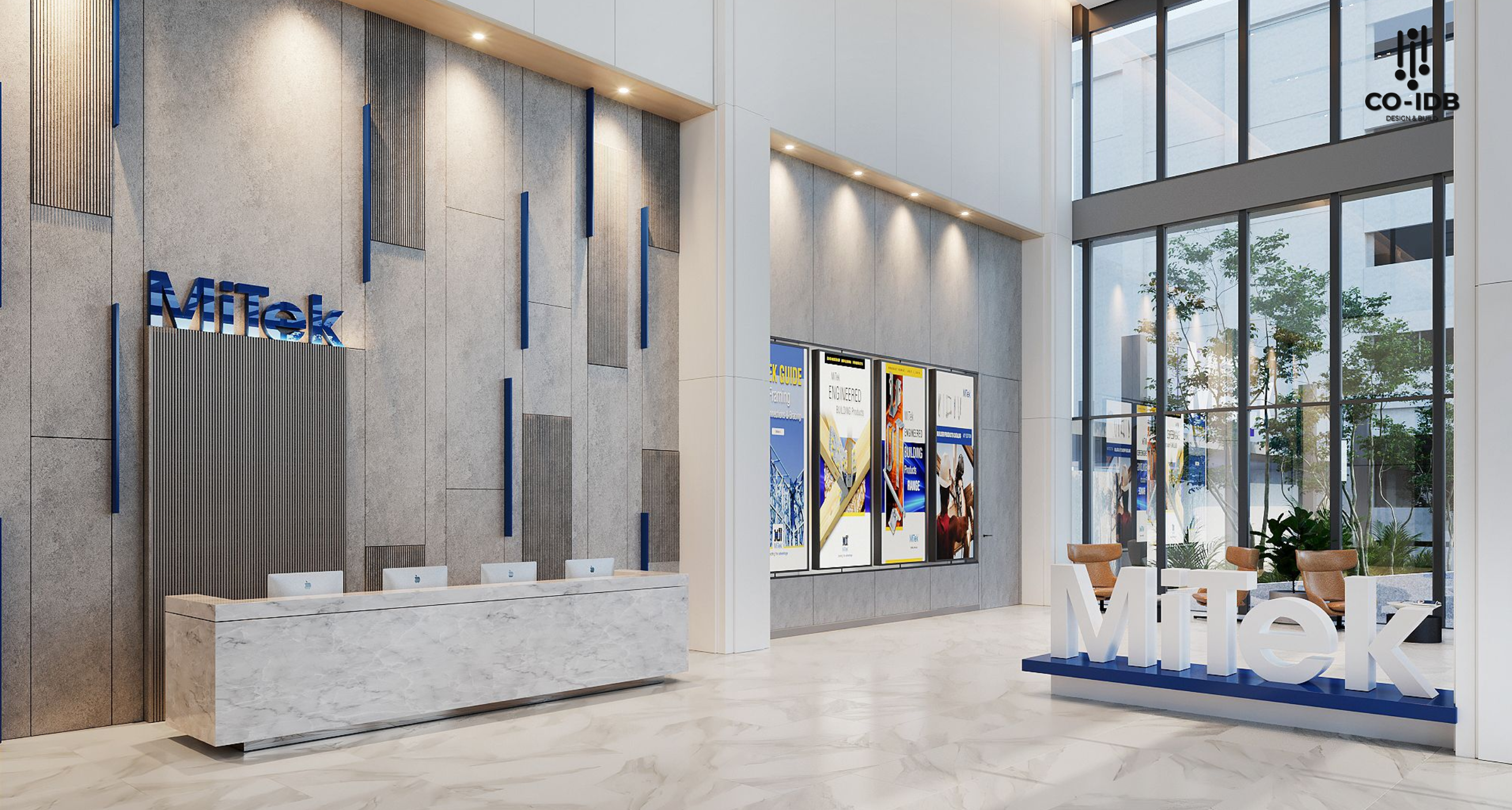
Area Standards for Office Design
When mentioning office space arrangement, most of us immediately think of factors like: area division, department layout, furniture selection, desk arrangement, lighting system design, color scheme,…
With meticulous calculations from the architect team at Co-IDB, we provide readers with the following standards:
Standard m²/person
To determine the standard for beautiful office design, it is necessary to rely on two main factors:
-
Number of employees in the company
-
Average area required for each employee
This standard is divided into three levels:
-
Space and cost saving (3-4m²/person)
-
Average and sufficient (5-6m²/person)
-
Standard (7-10m²/person)
Depending on the purpose, needs, and space arrangement method, each company can design the office area appropriately.

Area Standard per Employee
The office area standard for each employee can vary based on many factors such as type of work, employee level, need for space utilization, level of creativity required for the job,…
However, according to office design experts, some general standards for office area per employee are as follows:
-
Minimum private office area: from 7m² – 12m² per employee. This is the minimum space needed to ensure comfort and create an effective working environment.
-
Minimum common area: from 4m² – 6m² per employee. This area is dedicated to common items such as file cabinets, photocopiers, printers, and reception areas.
-
Meeting room area: from 1m² – 2m² per participant. This area is necessary to ensure comfort for meetings and negotiations.
These standards are for reference only and can be adjusted depending on the specific factors of each case.
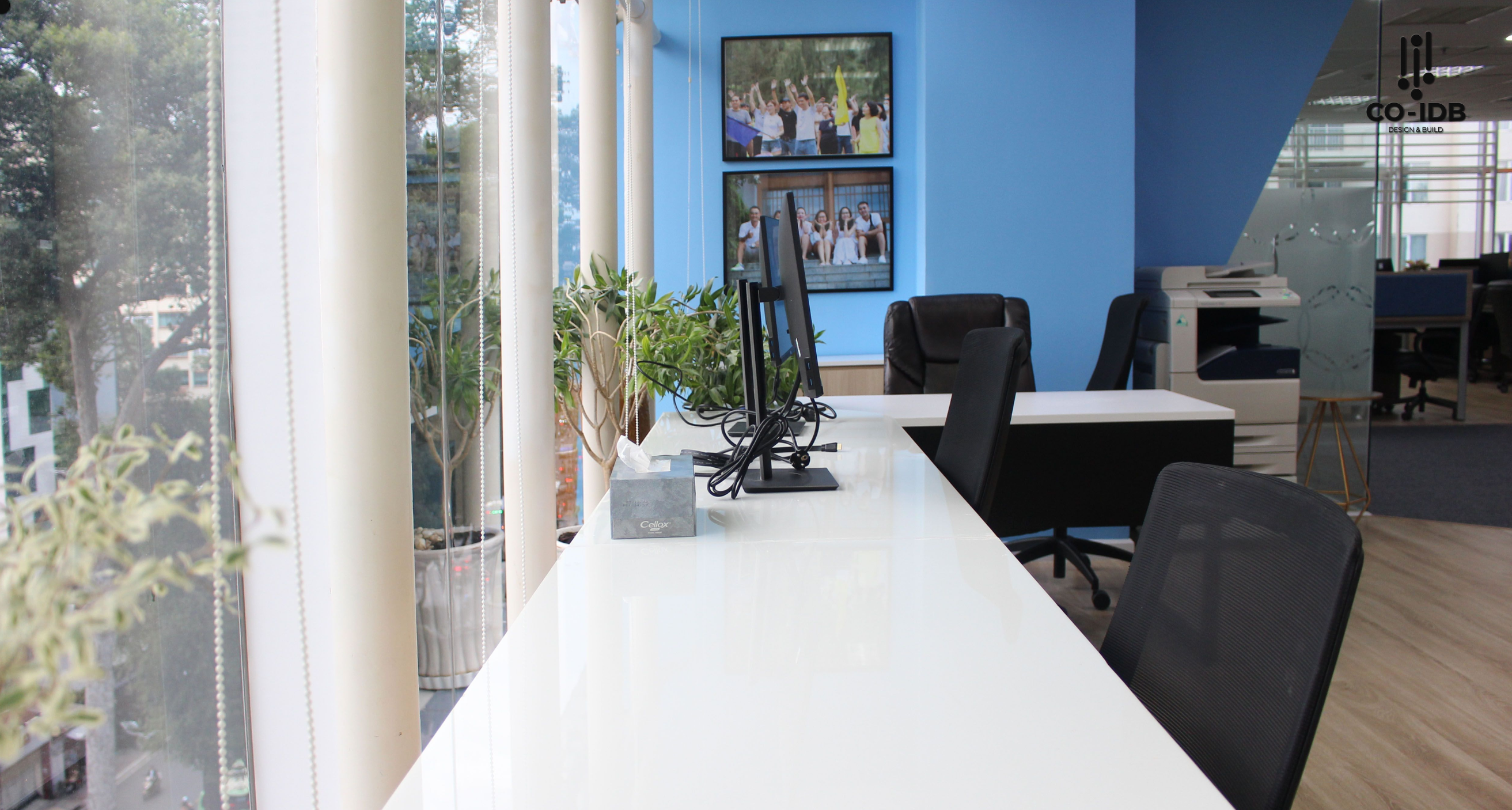
Area Standard for Executive Levels
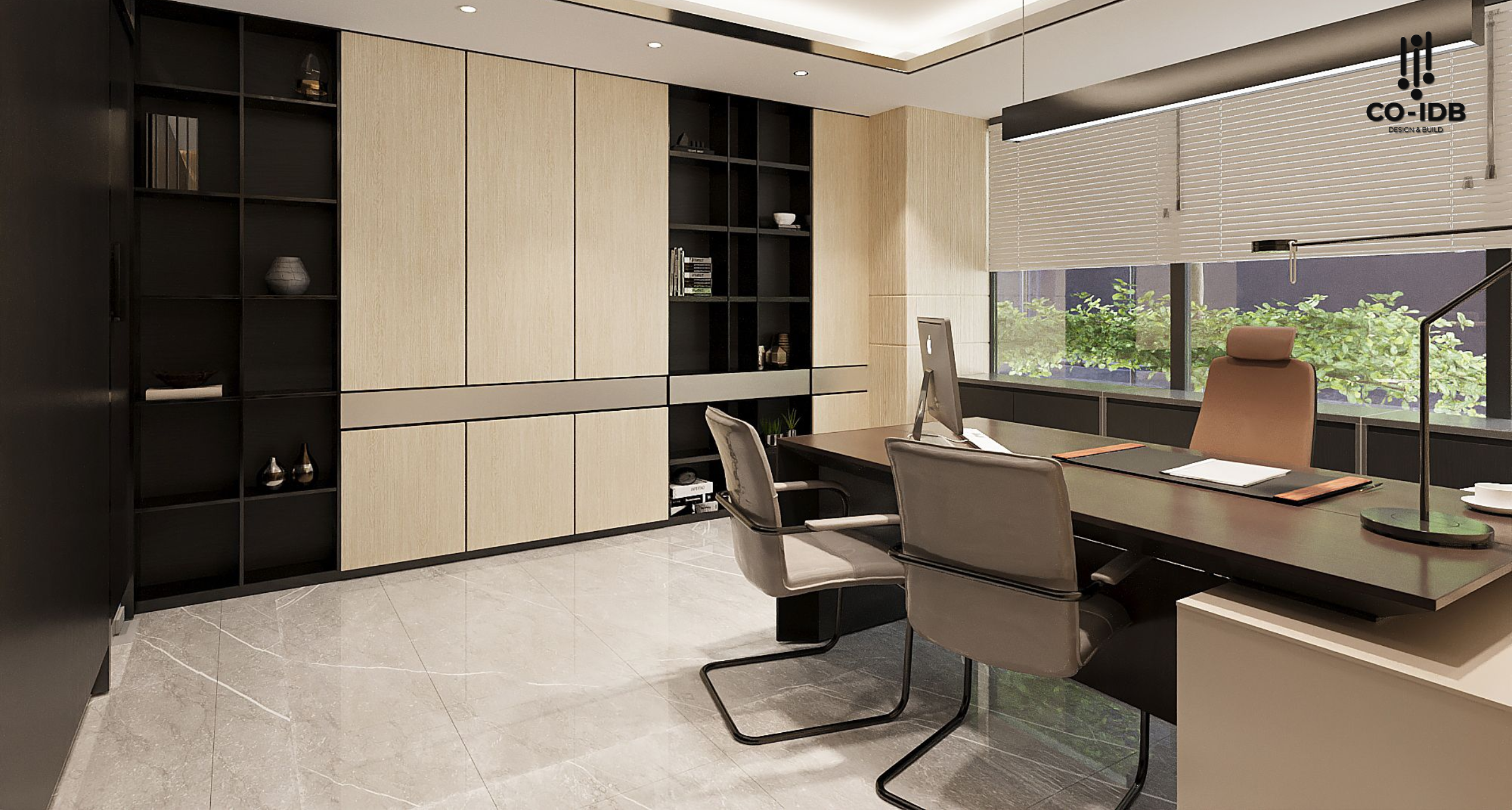
The private office of executives such as vice director, general director, manager, etc., needs to ensure privacy and comfort.
However, the executive office area should not be larger than the meeting room or the general staff working area to maintain balance among departments in the business. Specifically:
-
General Director, CEO office: approximately 25m²/person
-
Manager, Director office: 10 – 18.5m²/person
Meeting Room Area Standard
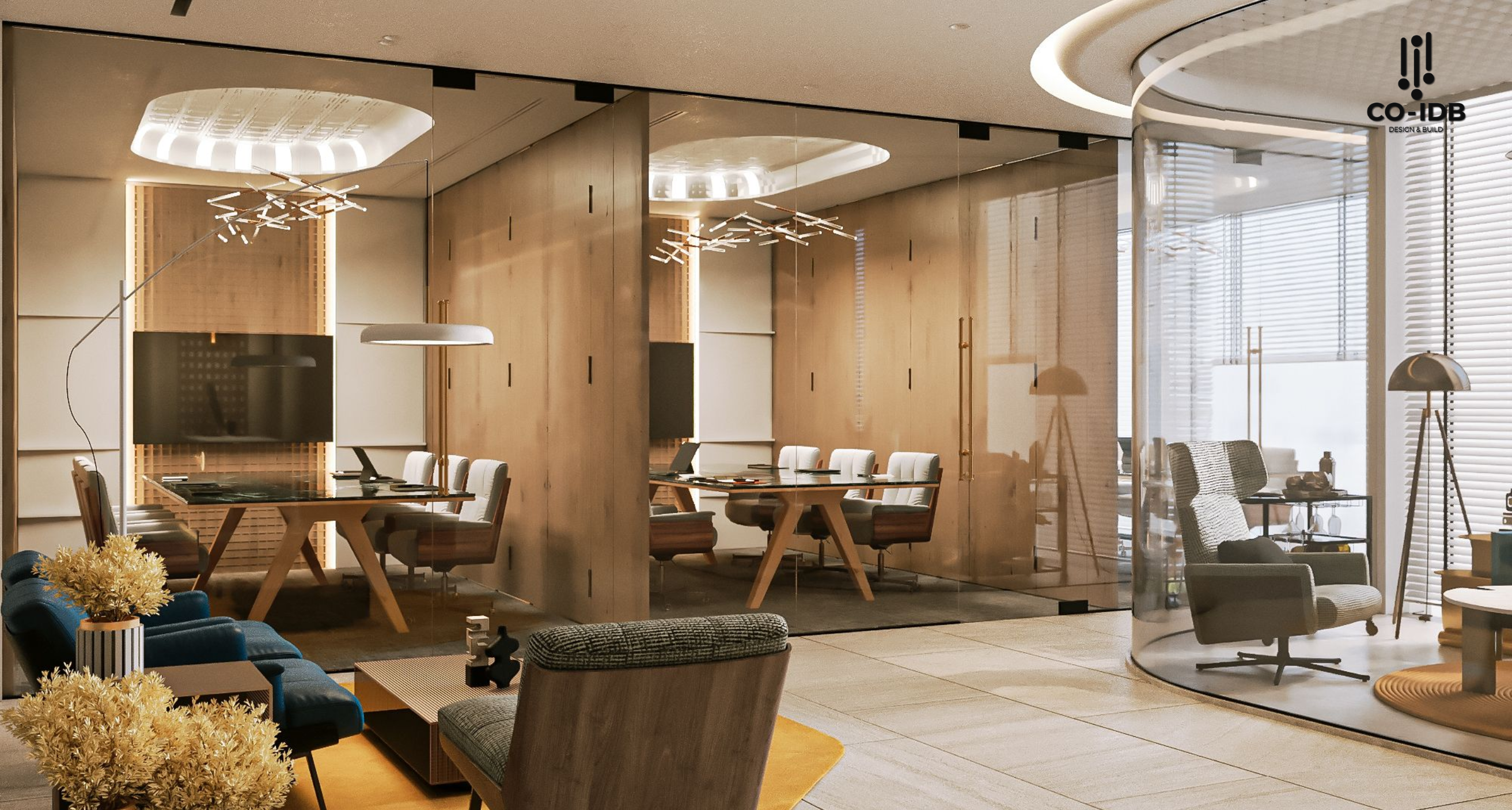
The meeting room is an area that needs to be calculated and designed most carefully because it is the “forge” for the company to launch breakthrough ideas. Moreover, this place can also be utilized to organize workshops, mini-events, employee training, or even to receive partners. A room that is too large causes waste and reduces focus, while one that is too small will create a feeling of discomfort leading to inefficiency.
Therefore, businesses should refer to the following standards when designing a meeting room:
-
Meeting room for 4 people: 7.5 – 8m²
-
Meeting room for 8 people: 15m²
-
Meeting room for 12 people: 20m²
-
Meeting room for 20 people: 40m²

Some Tips to Optimize Small and Medium Office Design
Reasonable Layout Arrangement
This is a crucial factor that determines whether the office image after design will be beautiful or not. This layout ensures the ability to create suitable design ideas and provides everyone with the most comfortable workspace possible.
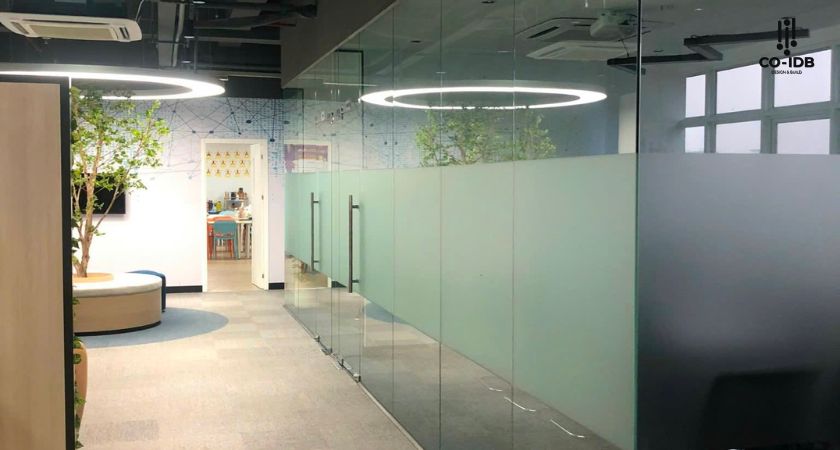
If the work requires quietness and privacy, arranging separate rooms by using fixed walls or mobile partitions is necessary to effectively separate during the working process.
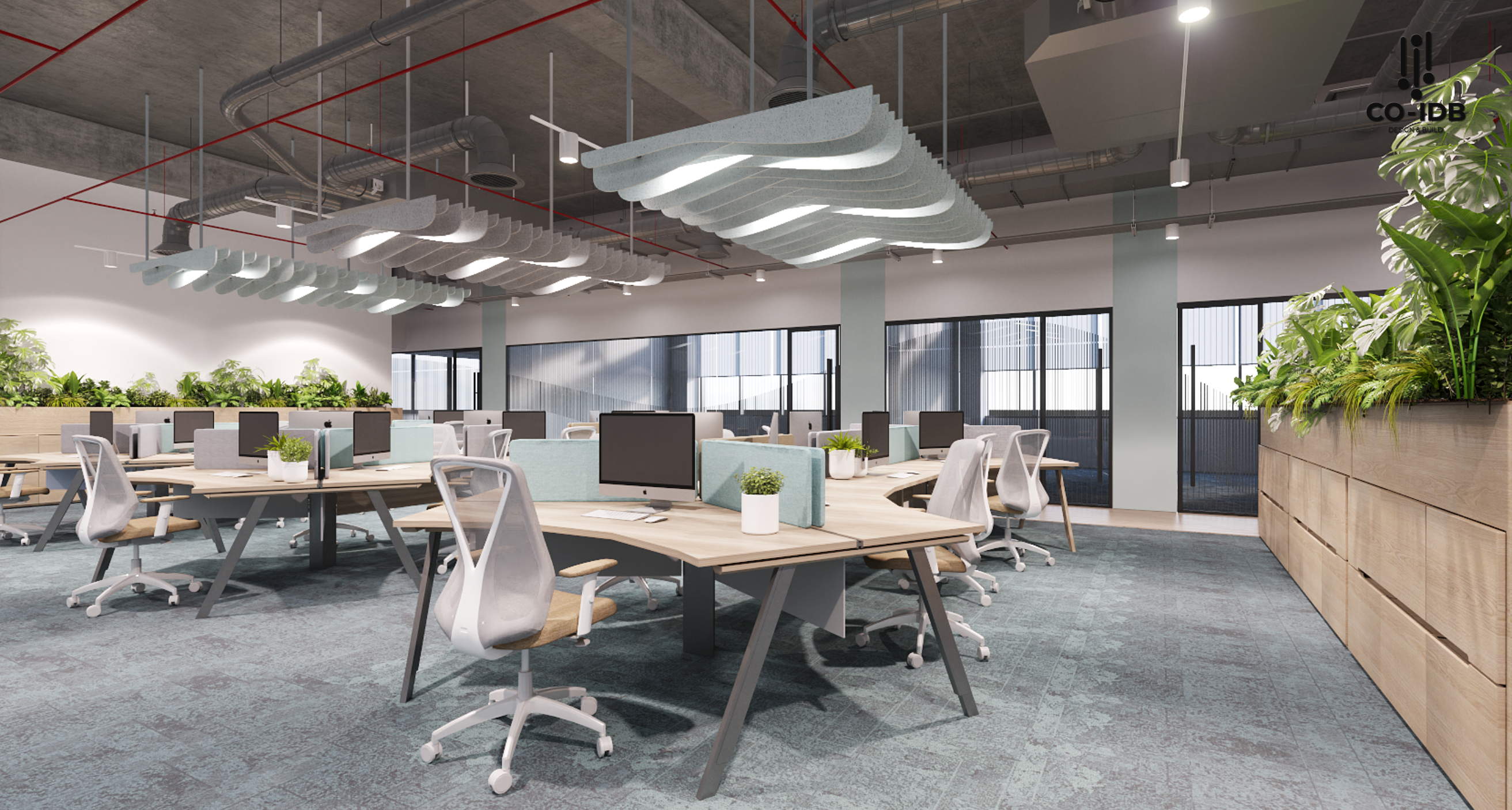
Adequate Lighting Utilization
Lighting also plays a key role in office design, helping to:
-
Reduce eye strain and vision-related issues, thereby improving alertness and focus
-
Regulate circadian rhythm, reducing stress and improving work morale
-
A bright and professional office creates a positive impression on clients and partners upon visiting
-
Highlight interior designs, creating a sense of spaciousness and comfort
-
Create focal points and zone the workspace
In addition, during the design process, it is necessary to choose suitable lighting types for each space, such as tube lights, LED lights, downlights, etc., maximizing light by using large windows, facilitating the reception of natural light while creating the most ideal view.

Luxurious, Minimalist Furniture
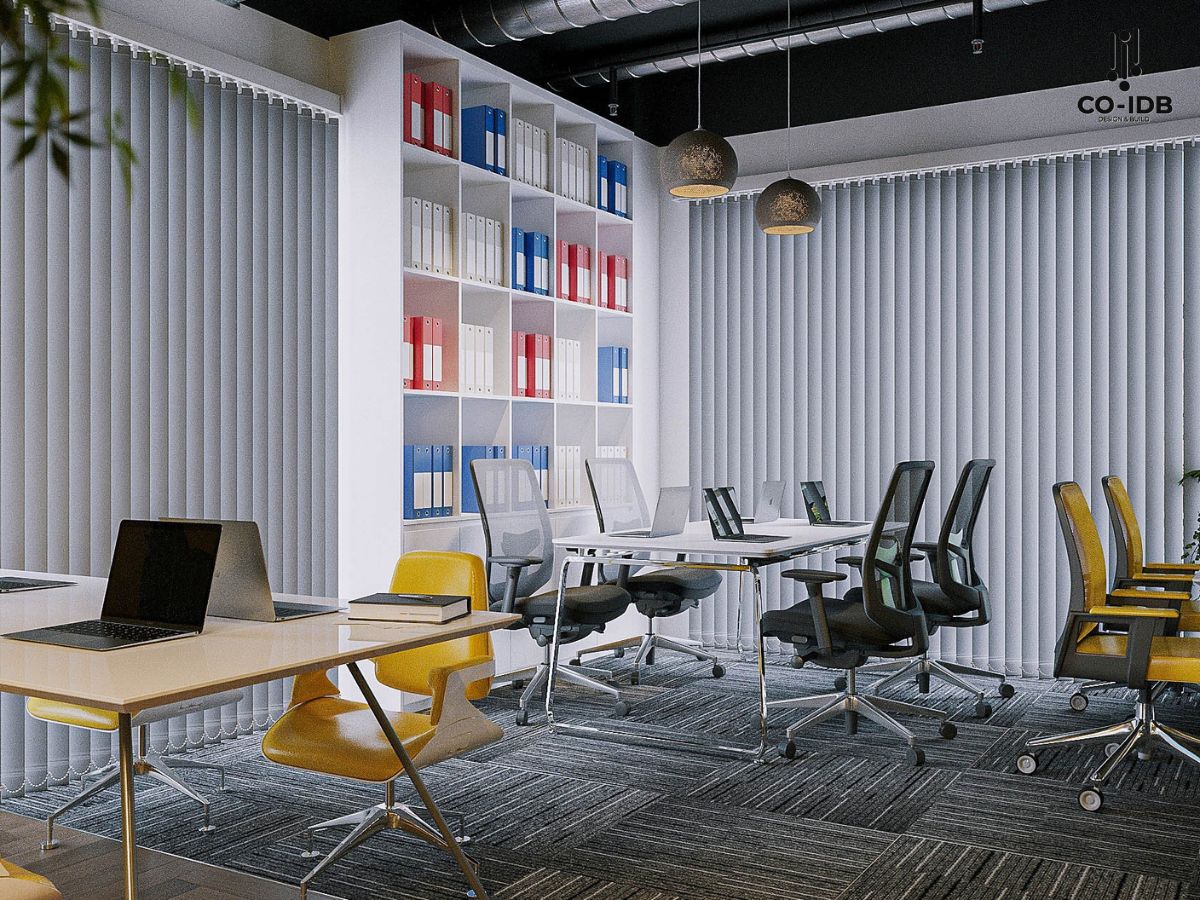
Optimizing smart office furniture is indispensable for the company to maximize space utilization. Instead of choosing heavy, traditional furniture models like shelves or cabinets for paper documents, one can choose minimalist, lightweight designs combined with online document storage. Simultaneously, reduce unnecessary items to make the office space simpler.
For example, using long desks with added wheels for easy movement. Chairs with swivel bases help save space when not in use.
Arranging Just Enough Decorative Items
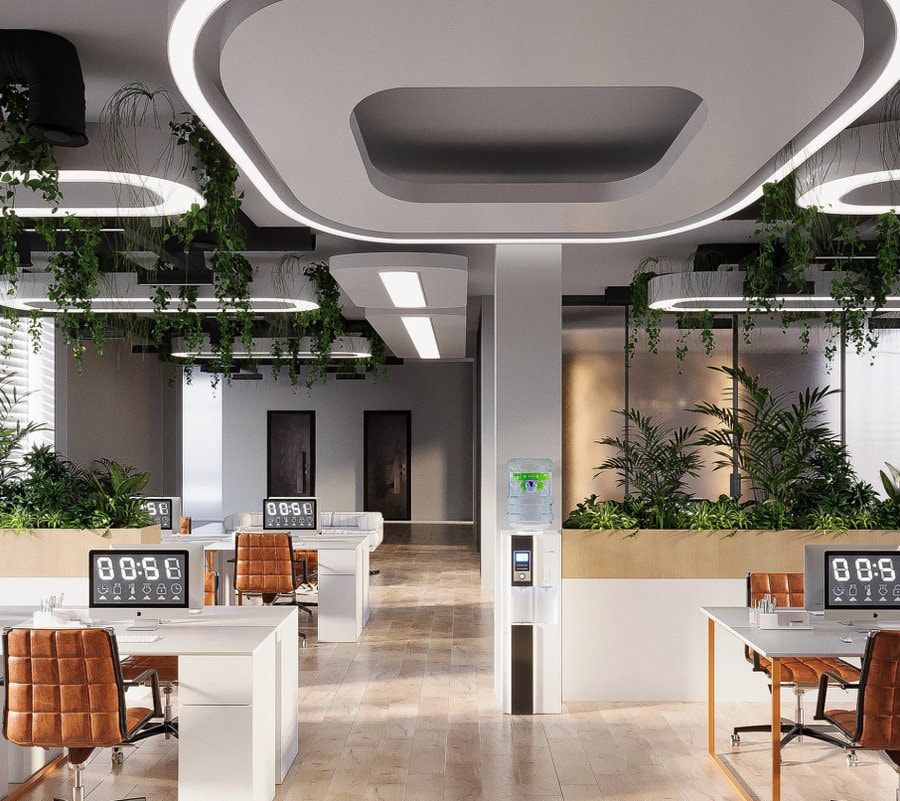
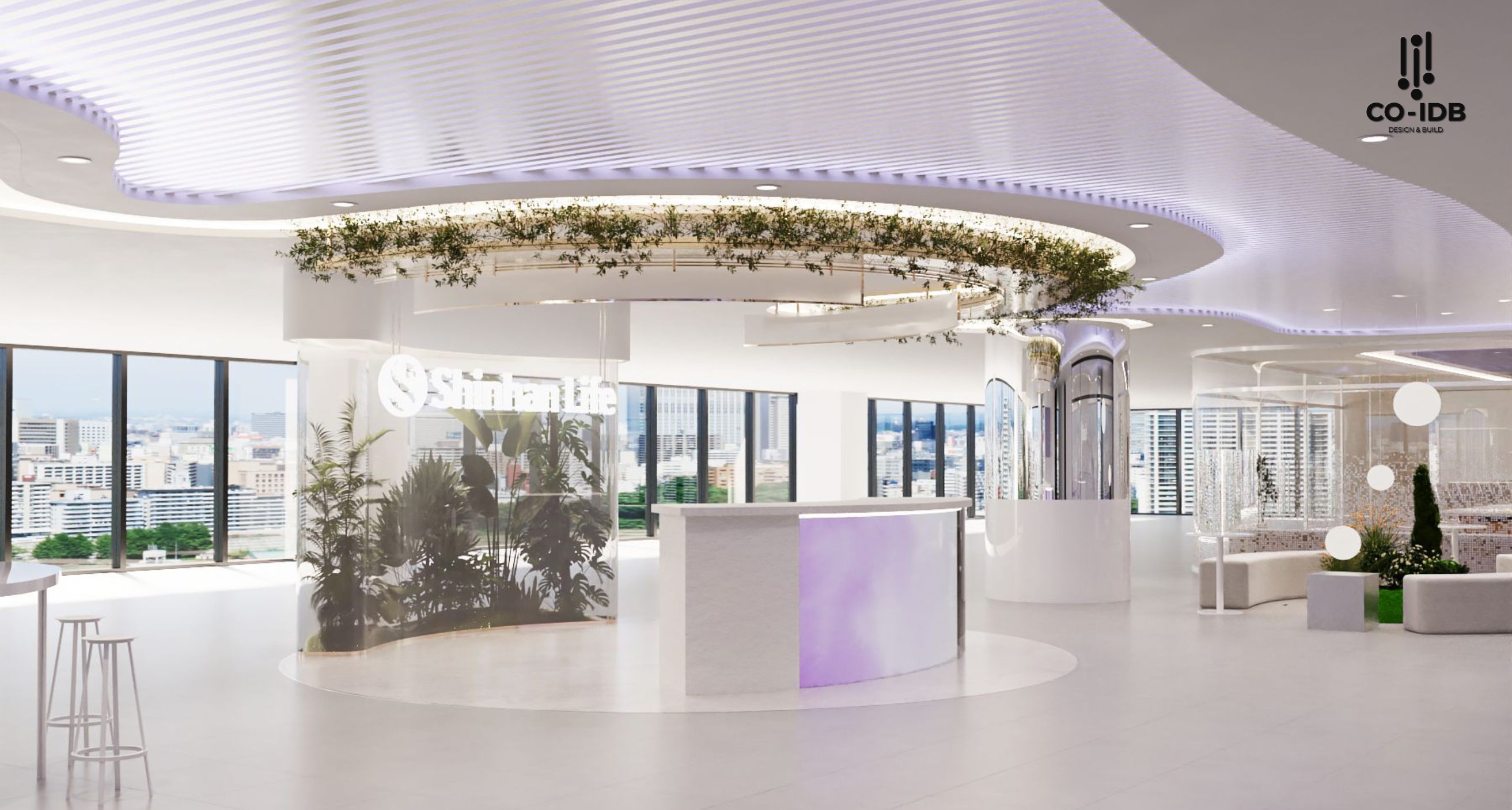
Adding some decorative items to the office space such as greenery, wall art, and other accessories also plays an important role in space arrangement, creating a comfortable and natural working environment.
These decorative items not only beautify the workspace but also inspire and motivate employees, thereby increasing work performance.
Focusing on Feng Shui Factor
When arranging office space, the Feng Shui factor is almost always a concern for most businesses. However, not everyone recognizes its importance during the office interior design and construction process.
Factors such as door direction, desk location, plants, and Feng Shui objects all affect the standard office layout and arrangement.
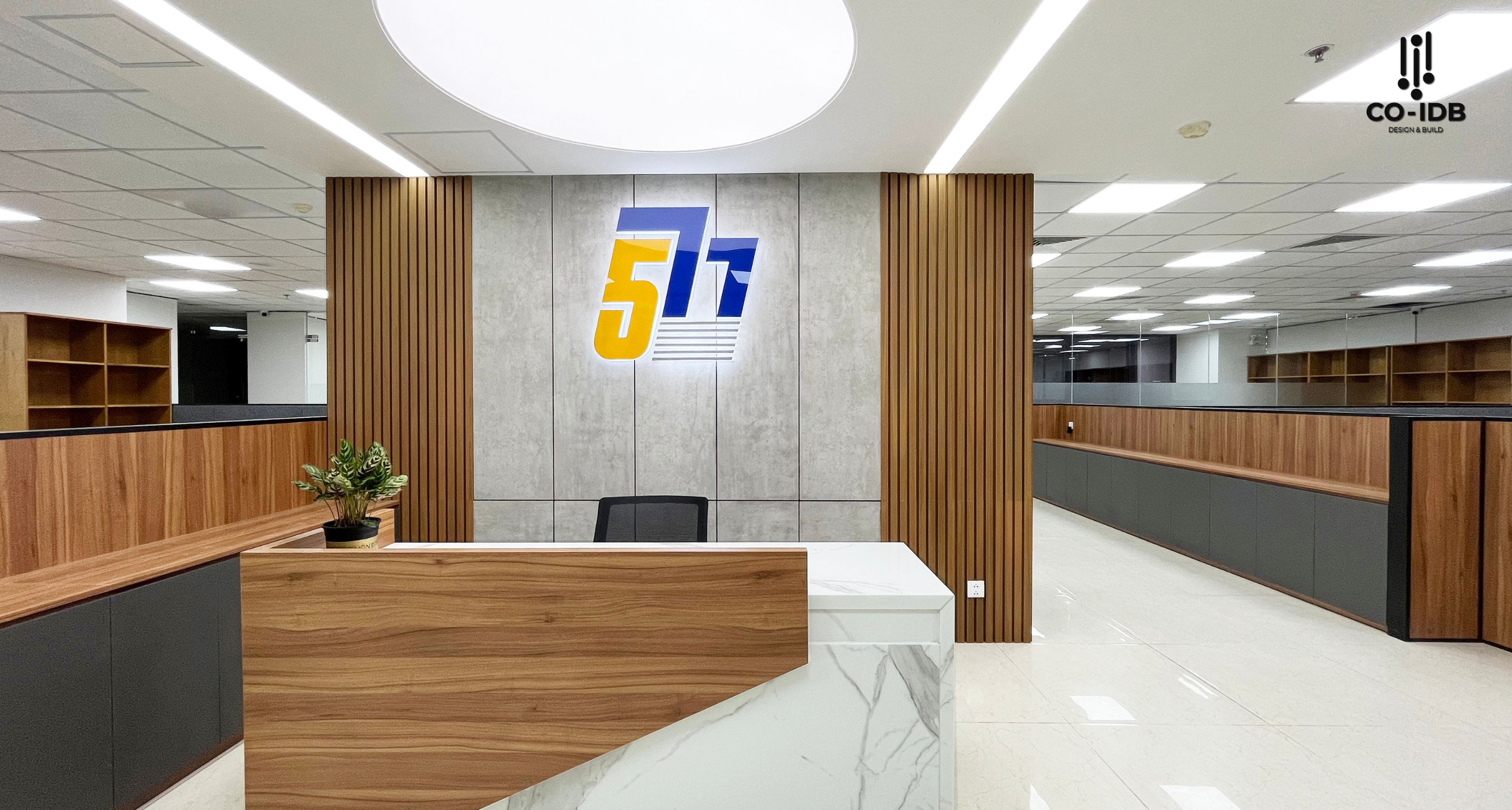
The above are some suggestions on how to arrange a professional and modern office space. Hopefully, through this article, you will find a method to design a beautiful office that suits your business needs.
If you are preparing to move to a new office or have just rented one, need consultation on design style or office interior construction, do not hesitate to contact Co-IDB for quick and completely free support.
>> See more:
“