Office partitions currently come in a vast array of designs, materials, and functions, which can leave businesses feeling uncertain about choosing the right fit for their needs and budget. To help businesses easily classify and select the appropriate partition, Co-IDB provides detailed instructions in the article below.
What are Office Partitions?
Office partitions are flexible dividing panels available in various sizes and materials such as engineered wood, gypsum (drywall), glass, etc. With high applicability, partitions are widely used in spaces such as houses, eateries, restaurants, and offices.
The Role of Office Partitions
Office partitions are a flexible solution for dividing space within an office functional diagram, serving as a replacement for traditional walls. With the ability to easily change the spatial structure, partitions not only help organize space effectively but also act as a decorative element, enhancing the beauty and sophistication of the office. At the same time, using office partitions helps save significant costs compared to constructing fixed walls.

Common Types of Office Partitions Today
Office Partitions by Functional Area
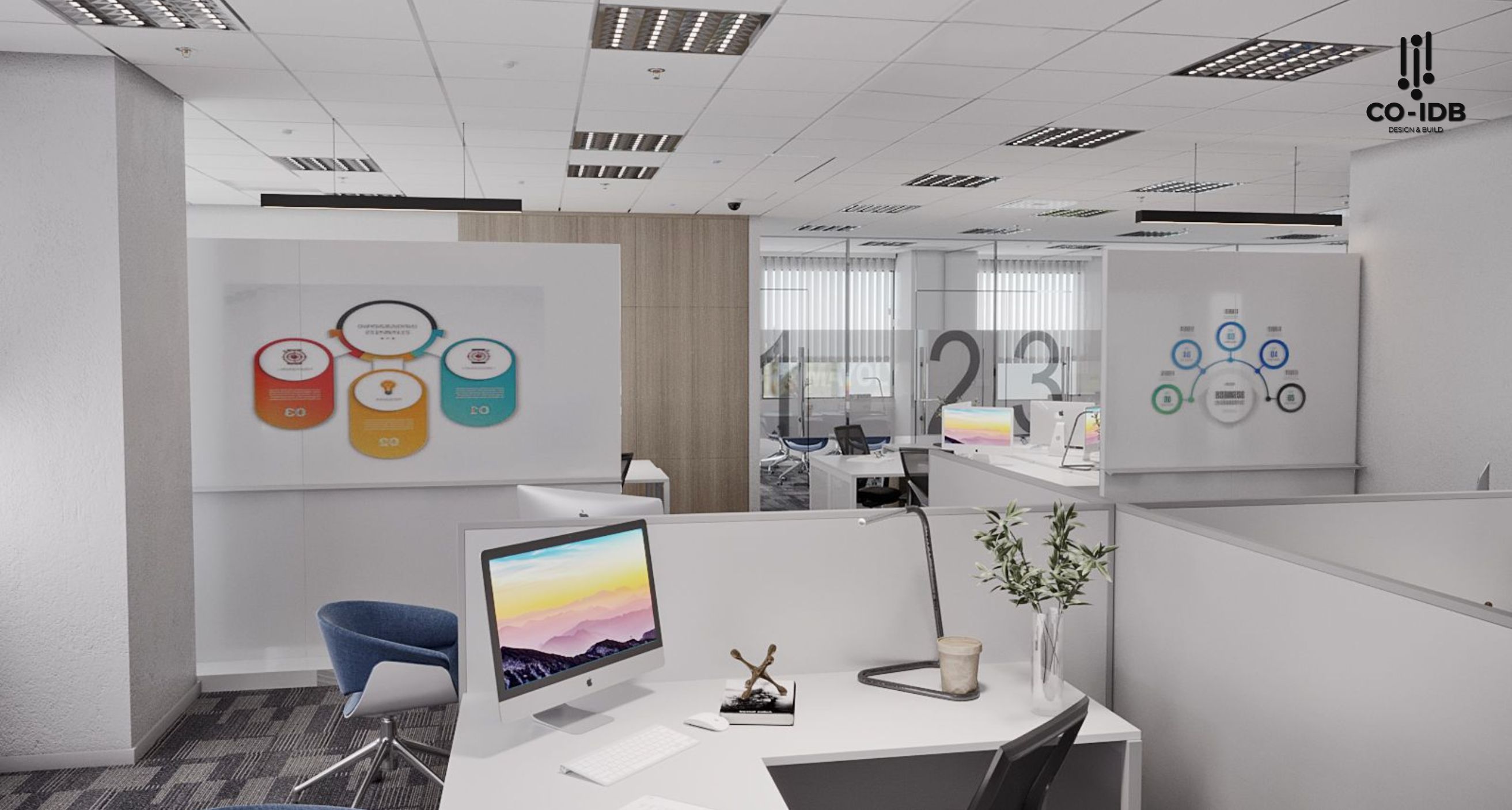
Desk Partitions
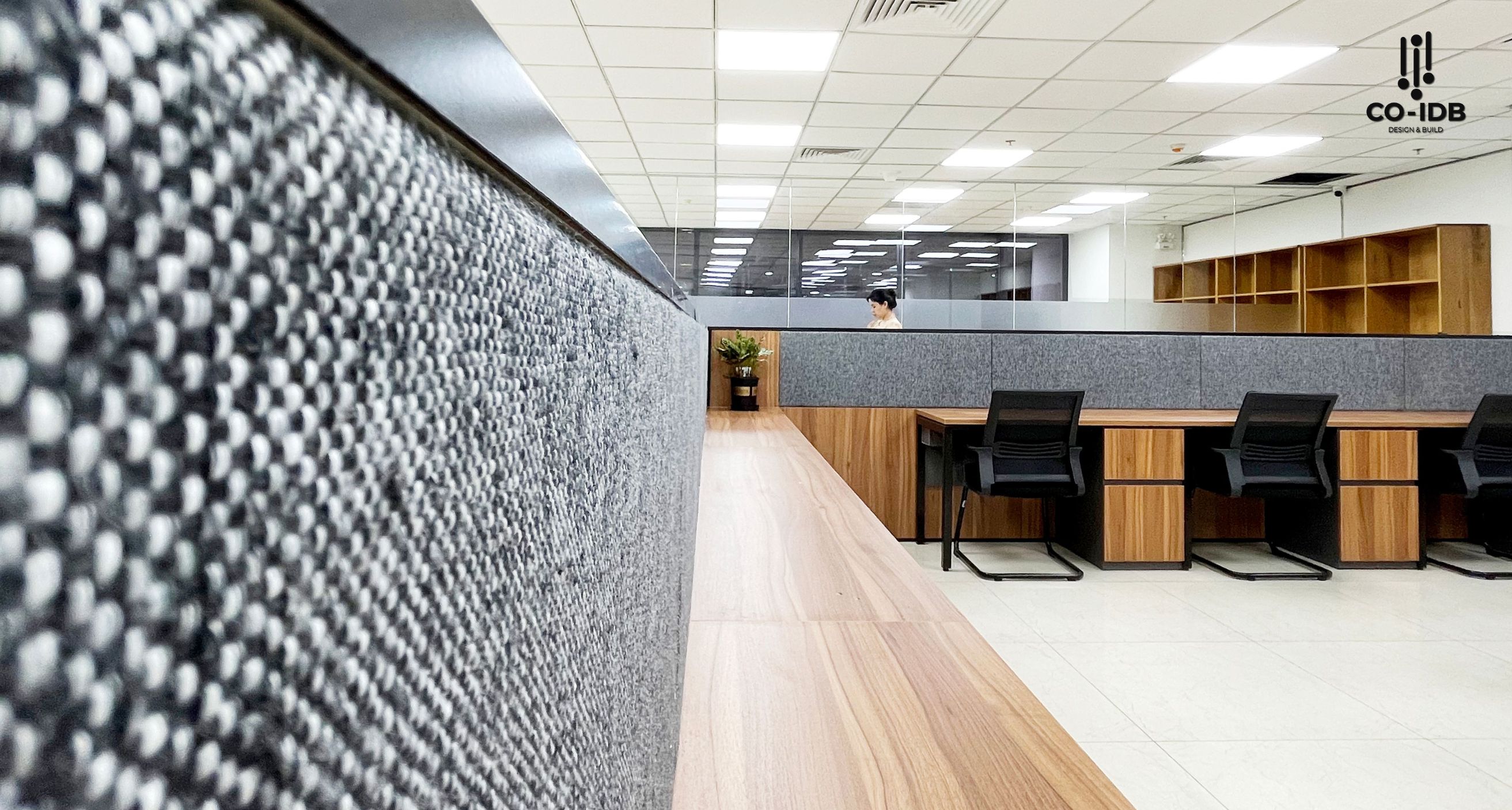
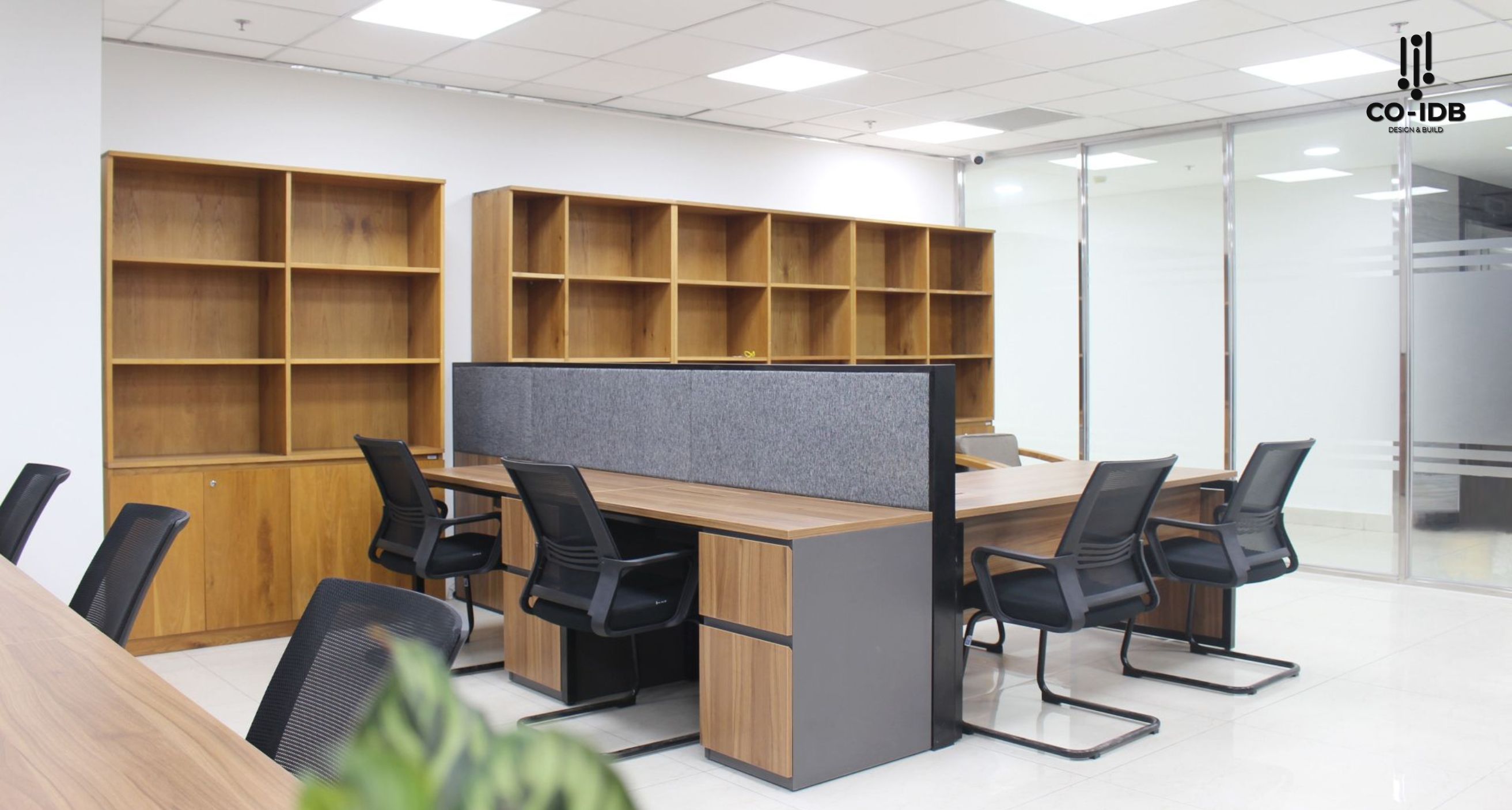
This type of partition is usually small in size and specifically designed to create private space for each employee at their desk. In an open office environment where all employees sit at a large communal desk, a lack of privacy can create discomfort and lead to distractions, as others can easily see one’s computer screen or documents. Therefore, this type of partition is an ideal solution to ensure privacy and concentration at work.
Departmental and Room Partitions
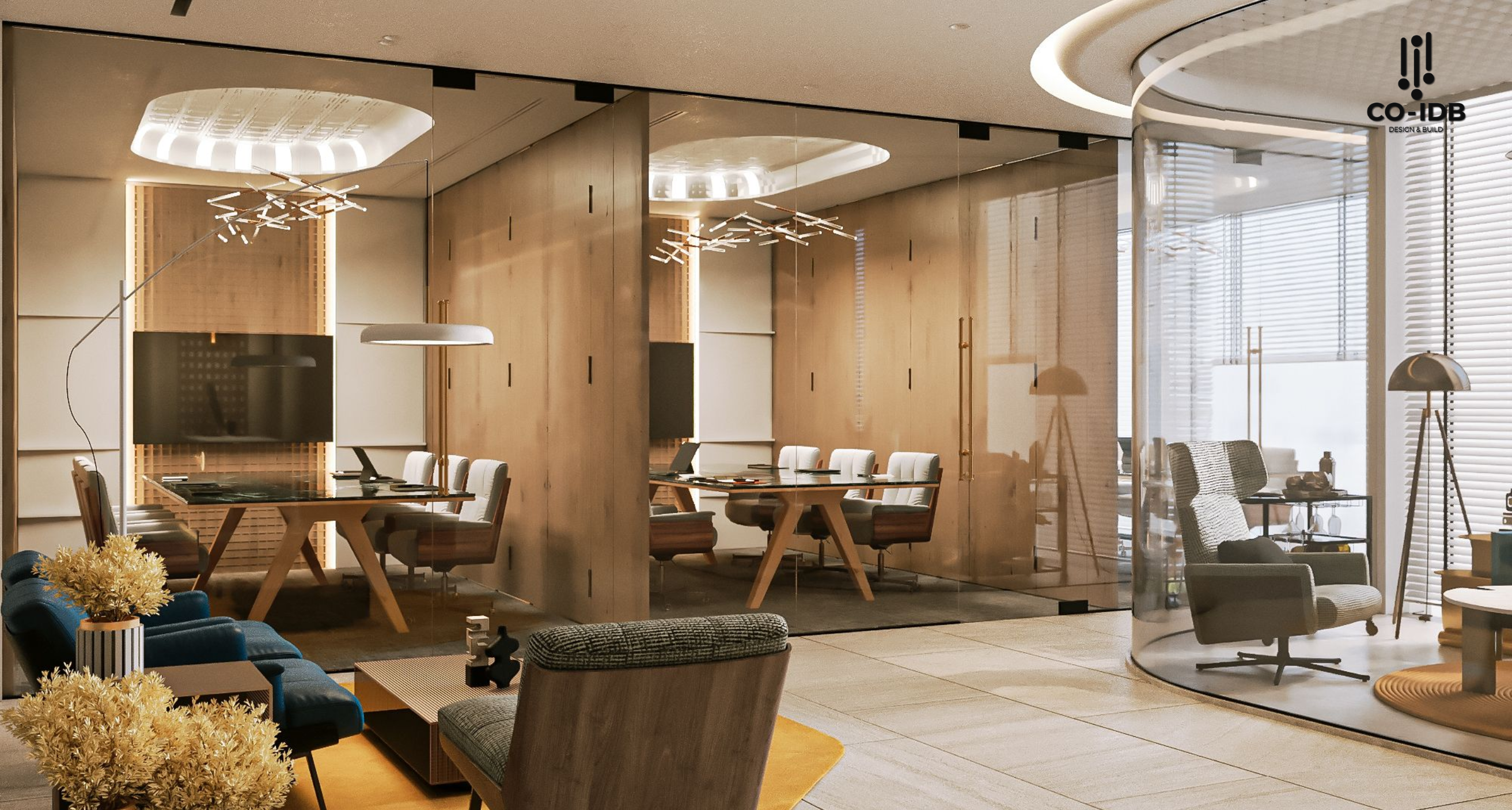
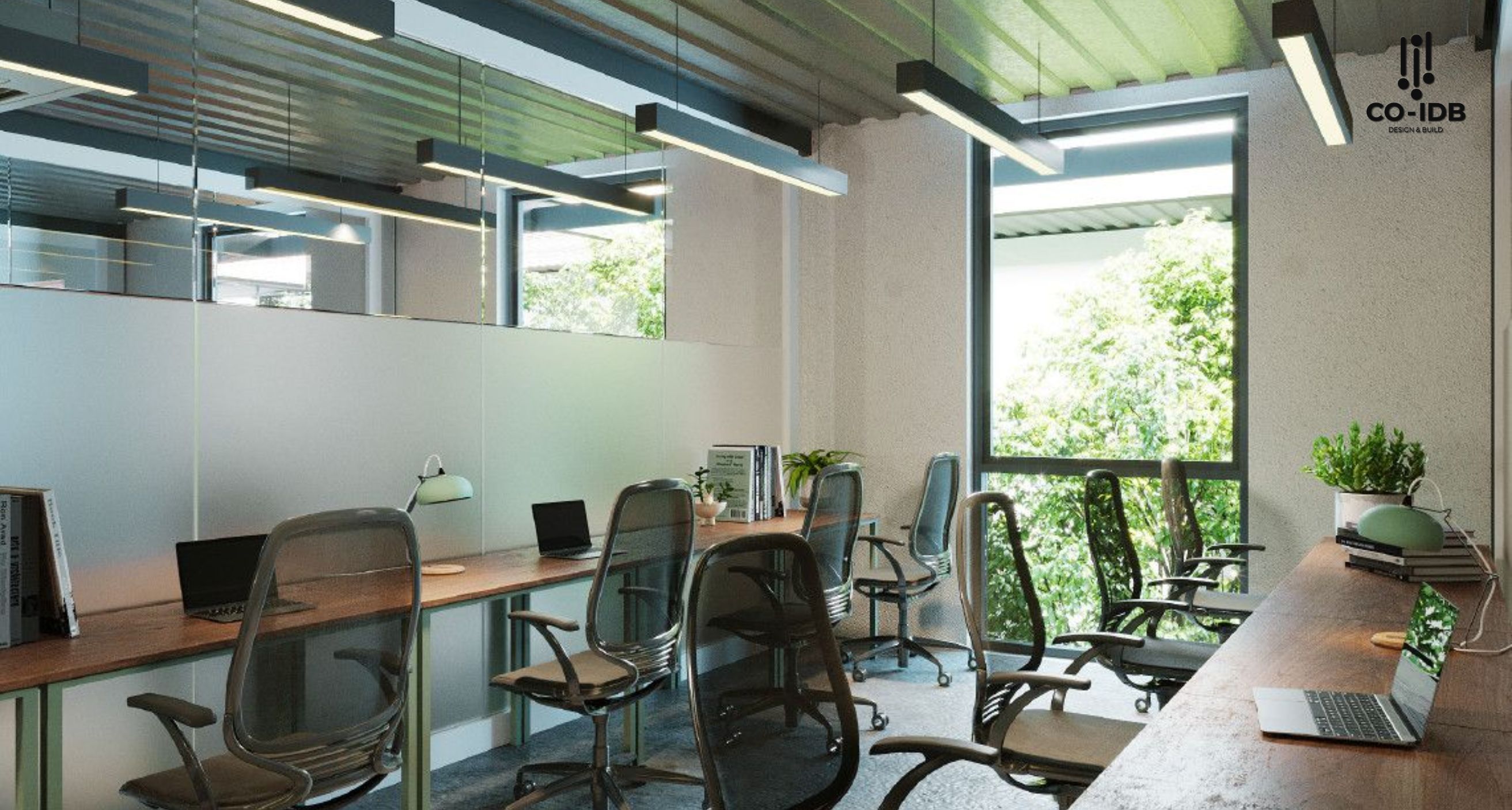
While desk partitions merely aim to create private space for individuals, departmental partitions have the capacity to create dedicated working areas for entire teams, departments, or even executive offices.
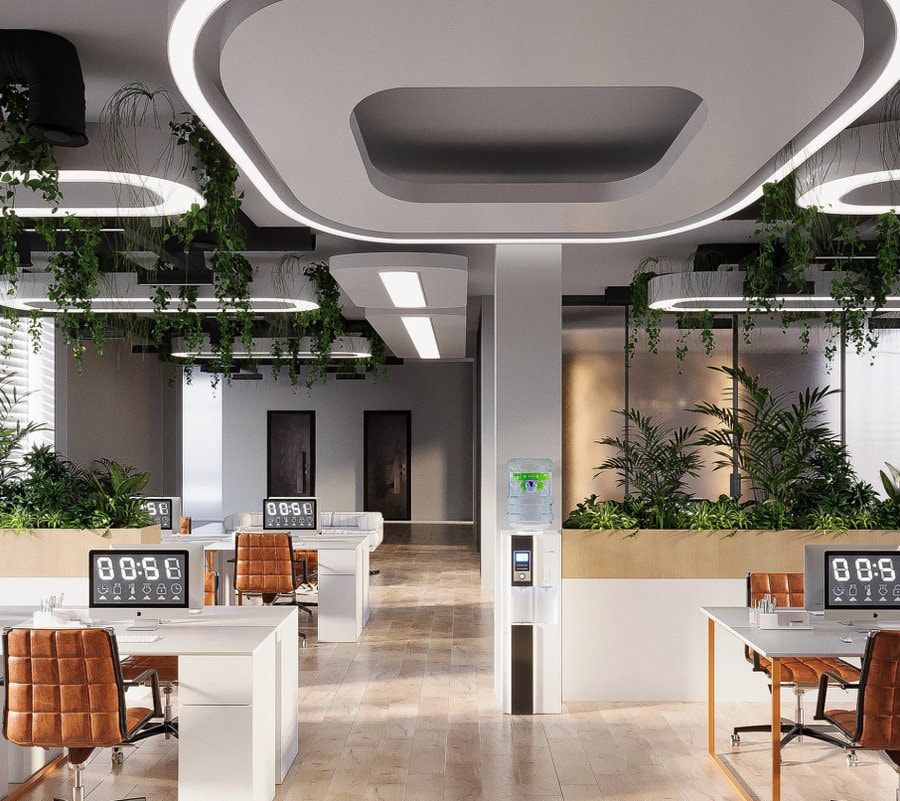
For instance, when planning a specific floor layout, businesses can use partitions to divide areas such as the Director’s office, marketing room, HR room, pantry, and rest areas. This not only helps organize the space logically but also improves privacy during meetings and enhances information security.
Office Partitions by Material
Gypsum Office Partitions (Drywall)
Gypsum office partitions are an effective alternative to traditional cement walls, helping to divide space flexibly and conveniently. This type of partition is usually constructed from a metal frame, covered with gypsum boards, and finished with skim coating and other materials. Key advantages of gypsum partitions include:
-
Lightweight: Gypsum partitions are 8-10 times lighter than conventional partition types.
-
Flexibility in use: Available in many sizes and easy to install, remove, or adjust to fit spatial needs.
-
Diverse features: Effective fire resistance, soundproofing, sound absorption, heat insulation, and decoration.
-
Rich designs: Diverse patterns with smooth surfaces, making it easy to combine with other interior items.
-
Environmentally friendly: Contains no toxic chemicals, safe for health and environmental protection.
-
High durability: The lifespan of gypsum partitions can reach up to 10 years.
However, gypsum partitions also have some disadvantages:
-
Susceptible to yellowing: If exposed to water, the partitions can turn yellow, affecting the overall aesthetics.
-
Hollow structure: Due to the hollow interior, the load-bearing capacity of gypsum partitions is not as high as traditional walls.
-
Potential for cracking: After long-term use, partitions may shrink and develop cracks.
-
Low impact resistance: Gypsum partitions do not withstand force as well as other partition types.

Wooden Office Partitions
Wood is always a popular choice in office design due to its ability to bring luxury and modernity to the office workspace. For this reason, wooden office partitions are often prioritized. This product is favored for the following outstanding advantages:
-
Creates neatness and order: Wooden partitions help organize indoor space effectively, suiting various architectural styles.
-
Attractive design: Beautiful wood grains help conceal office defects, bringing a light, elegant feel and enhancing aesthetics.
-
Durable and friendly material: Natural wood has high durability, sturdiness, and is environmentally friendly.
However, this type of partition also has some drawbacks:
-
Susceptible to damage during moving: Wooden partitions can crack or break if frequently subjected to heavy impacts.
-
Poor water resistance: Wooden partitions have low resistance to water; therefore, they should be placed in dry, fixed locations with limited movement to ensure durability.
Glass Office Partitions
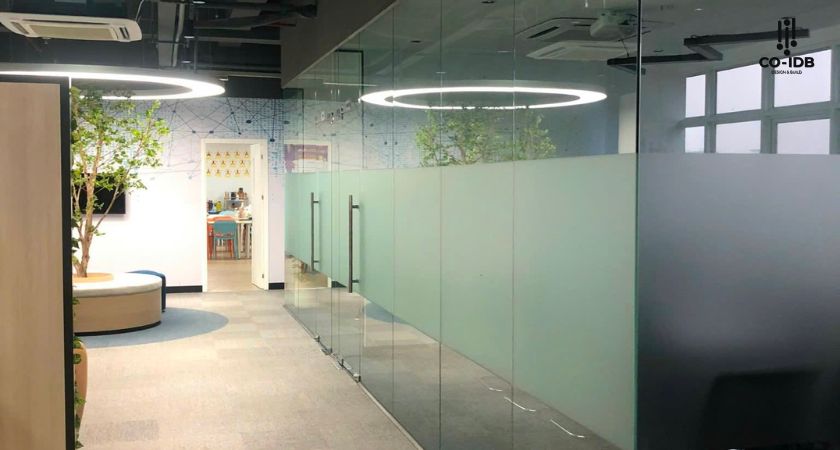
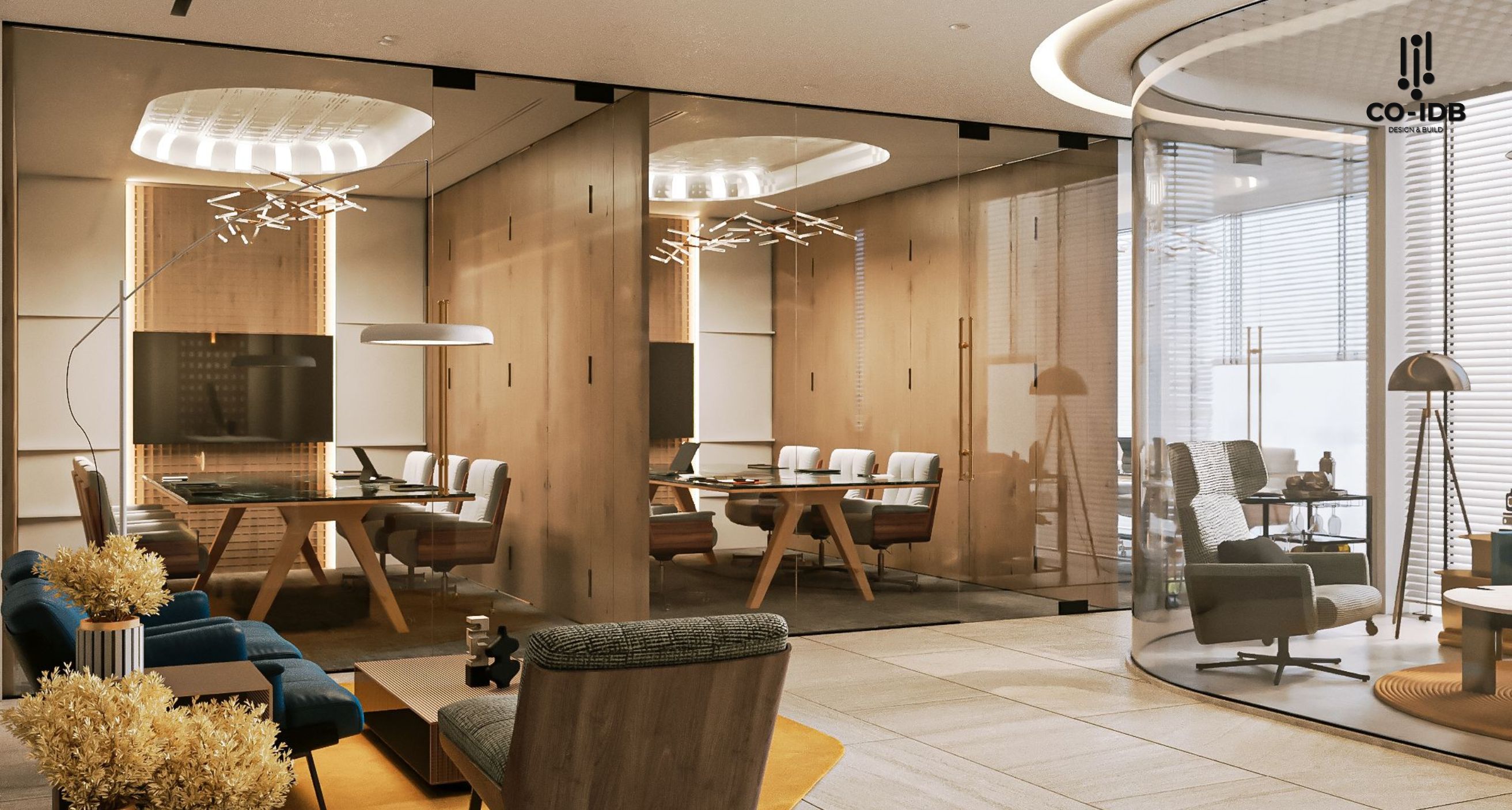
Tempered glass office partitions are the ideal solution for bringing a sense of spaciousness and airiness to the space. This type of partition uses tempered glass heated at 500 – 700 degrees Celsius and combined with accessories such as glass clamps, spider fittings, hinges, and corner clips. With many outstanding advantages, this product is highly favored in office design:
-
Unobstructed view: Tempered glass allows the space to become airy and more expanded.
-
High durability: Thanks to secure bonding, the partition can withstand vibrations, strong winds, and impacts well.
-
Lightweight: Easy to install and relocate.
-
Good heat and sound insulation: Glass partitions often have a tight structure, helping to block sound and temperature while providing effective waterproofing.
-
Easy installation and maintenance: Installing, dismantling, and moving glass partitions is very convenient.
However, this type of partition also has some disadvantages:
-
Lack of privacy: Due to the transparent texture, glass partitions cannot guarantee a high level of privacy.
-
Quality depends on price: Cheap glass can affect the quality and durability of the partition.
-
Prone to dust and dirt: Glass easily becomes blurred and accumulates dust if not cleaned regularly.
Partitions by Design
Fixed Partitions
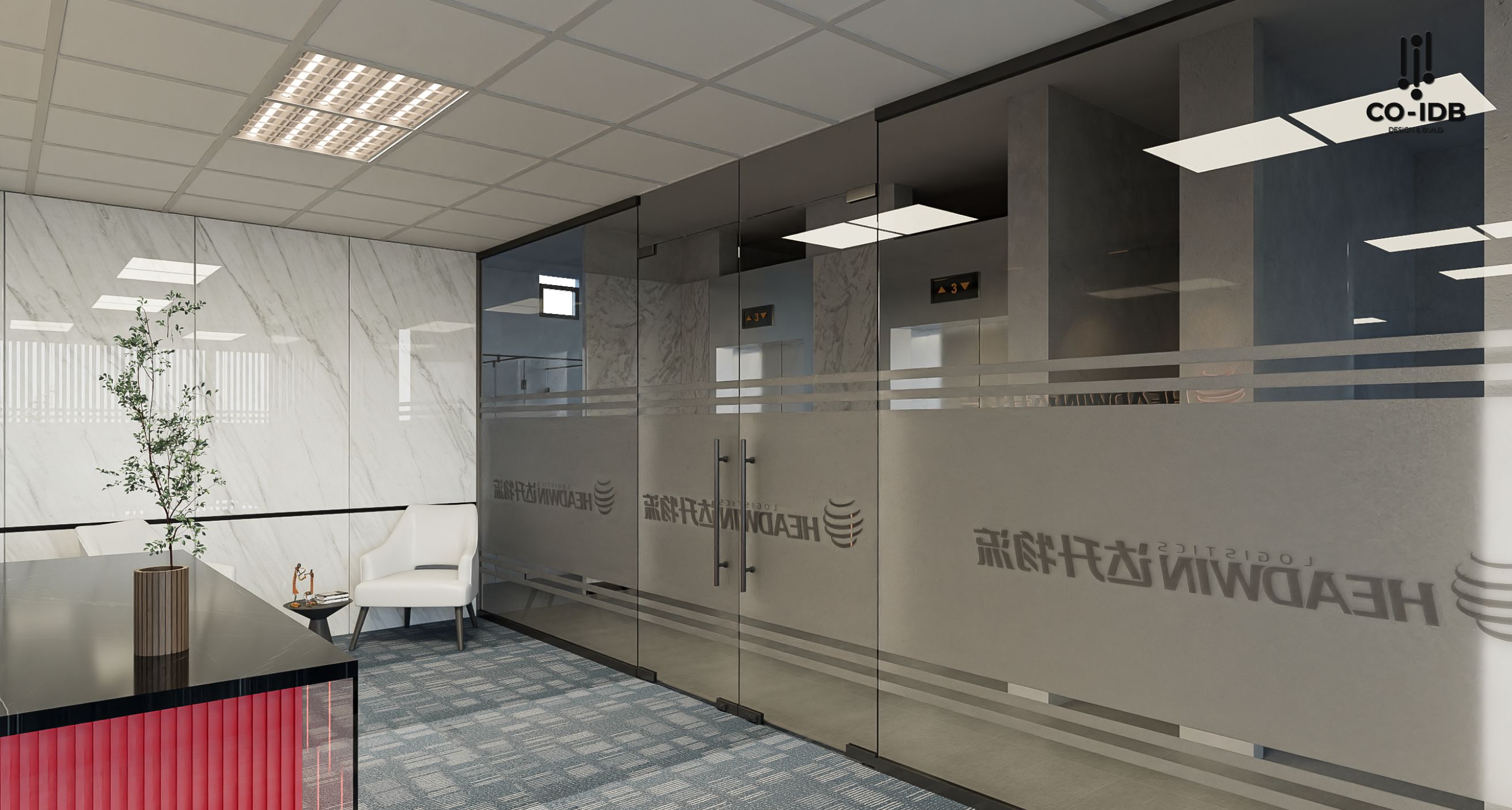
Fixed partitions are widely used in companies and businesses for their ability to divide space professionally and aesthetically. Unlike mobile partitions, fixed partitions cannot be moved and always remain in a permanent position. Materials for fixed partitions are very diverse, including wood, aluminum, glass, gypsum, and many other options, providing flexibility in design and application.
Movable Partitions
With the ability to move easily, movable partitions use a system of rail tracks and cast plastic ball bearings to install the panels. These panels are designed according to standard sizes and slide smoothly on the rails. Notably, movable partitions can be opened or closed easily without causing noise and can be tucked away into a storage box to return the room to its original open state.

The article above provides suggestions regarding types of office partitions. Choosing a partition not only affects work performance and comfort in the office environment but also reflects the aesthetic values of the space. If you still have questions related to this topic or wish to receive a quote for office partitions, contact Co-IDB immediately for prompt and completely free support.
>> See more: