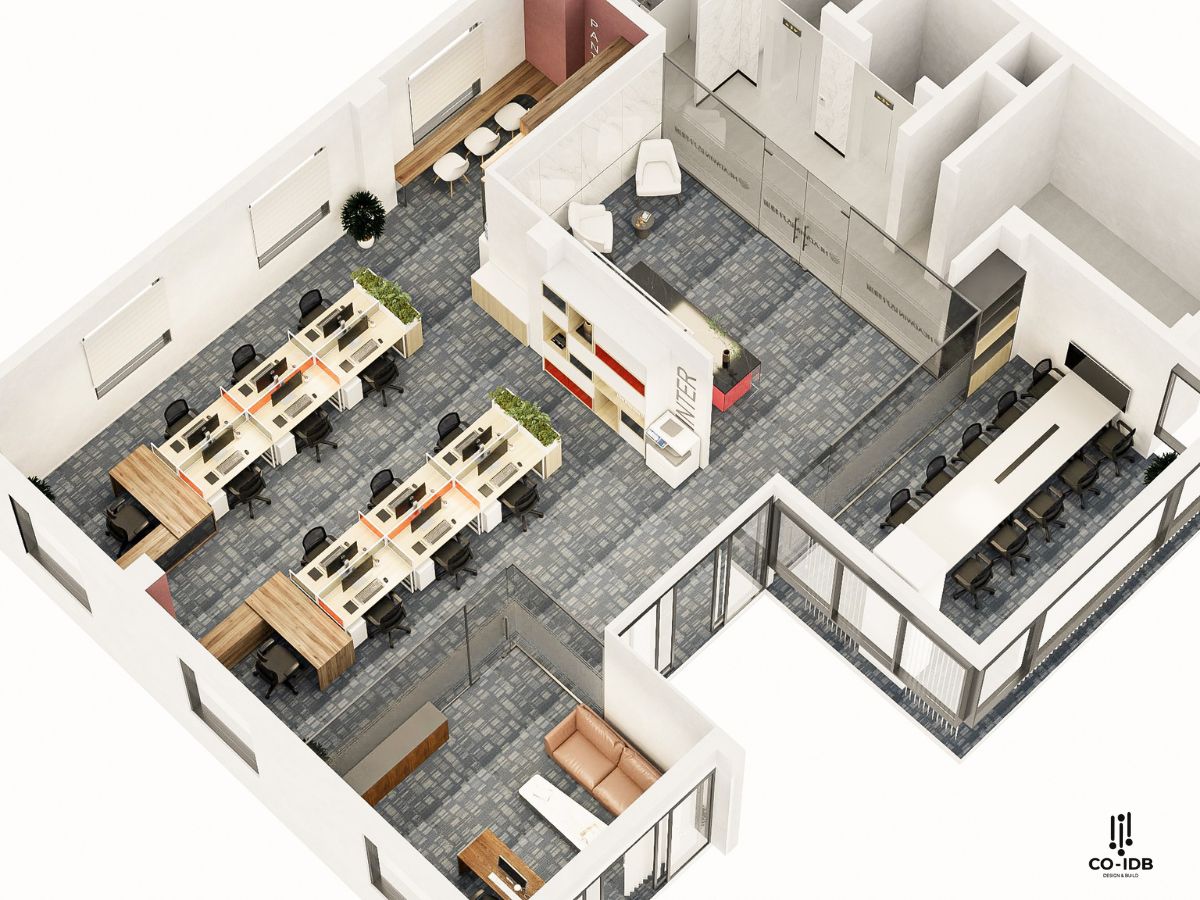
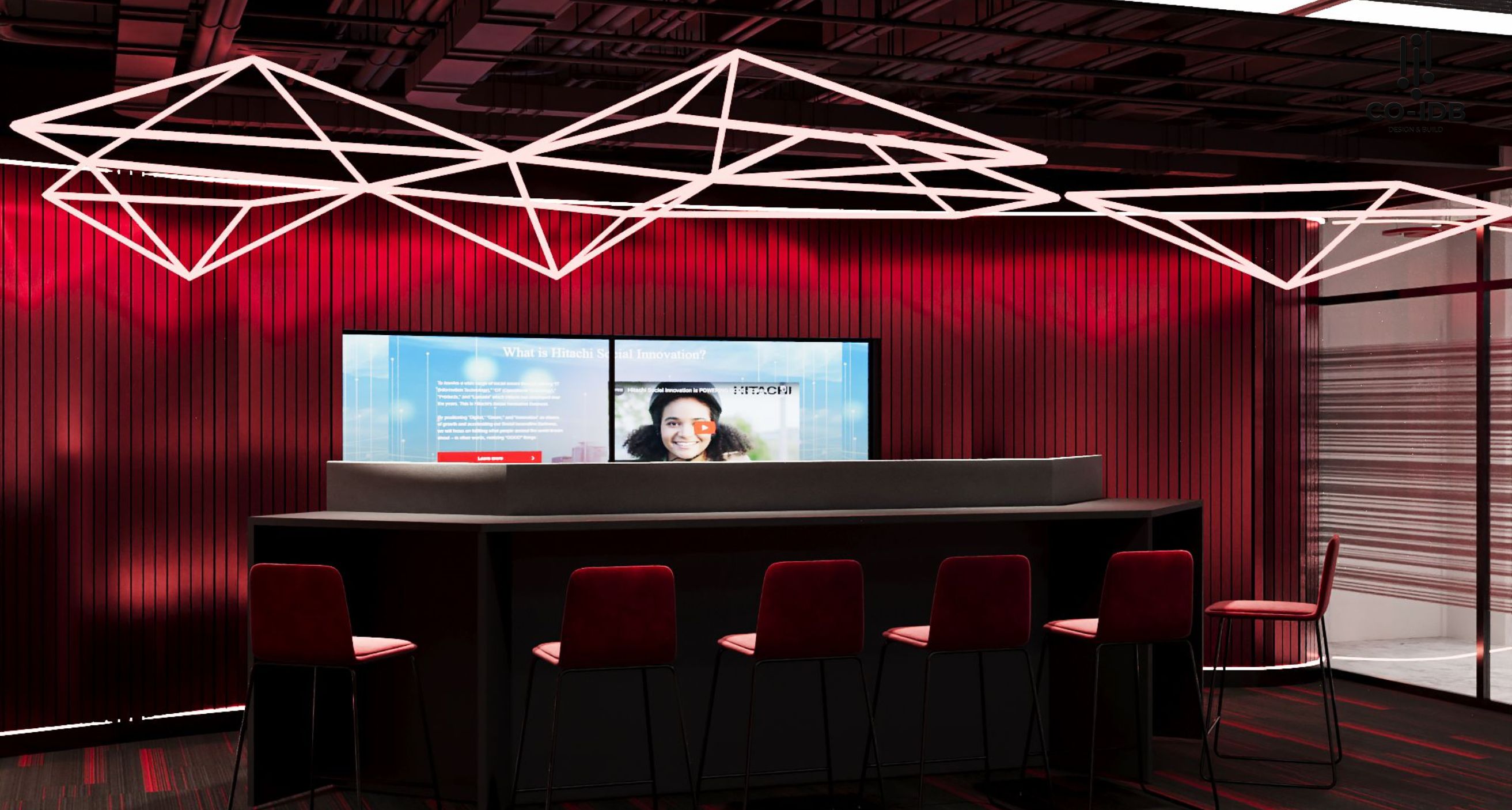
Office carpets play a vital role in modern workspaces. These carpets not only enhance aesthetic appeal but also improve the work environment, boosting employee comfort and productivity. In this article, we will explore popular types of office flooring, selection criteria, installation processes, maintenance, and design trends.

The Importance of Carpeting in the Workspace
Office carpeting significantly reduces noise levels. Sound insulation capacity depends on characteristics such as thickness, fiber density, and material. Thick, high-density carpets absorb sound better, creating a quieter environment that helps employees focus and work effectively.
Furthermore, carpet color and design influence employee psychology. Office decoration using warm tones creates a friendly feel, while cool tones promote focus and professionalism.

Popular Types of Office Carpeting
The office carpet market offers diverse choices. The three most common types include:
-
Roll carpets (Broadloom)
-
Carpet tiles
-
Felt carpets
Each type has unique features and advantages suited to different office needs and spaces.
Office Roll Carpets
Roll carpets are preferred for large-scale offices. This type creates a seamless, uniform surface for wide areas. Roll carpets provide a luxurious look and have lower installation costs compared to carpet tiles, though repairs can be more complex.
| Pros | Cons |
| Seamless surface | Difficult to replace partially |
| Cost-effective | Difficult transportation |
| Diverse designs | Requires high technical skill for installation |

Office Carpet Tiles
Carpet tiles offer high flexibility. Designed as small squares, they are easy to install and replace. They are suitable for offices of all sizes. A standout advantage is the ability to replace individual tiles if damaged or stained, saving long-term costs.

Office Felt Carpets
Felt carpets provide warmth and comfort. Known for being soft and cushioned underfoot, they create a pleasant environment. Felt has good heat retention and is often used in air-conditioned areas. Additionally, it is easy to clean and maintain.

Comparison: Roll, Tile, and Felt Carpets
The choice depends on specific office requirements. Below is a detailed comparison:
| Criteria | Roll Carpet | Carpet Tiles | Felt Carpet |
| Flexibility | Low | High | Medium |
| Initial Cost | Low | Medium | High |
| Replaceability | Difficult | Easy | Medium |
| Design Variety | High | High | Medium |
| Sound Insulation | Good | Good | Excellent |
| Durability | High | High | Medium |
Criteria for Choosing the Right Office Carpet
Selecting the right carpet requires business owners to consider several factors:
-
Budget
-
Office size and layout
-
Foot traffic volume
-
Acoustic and thermal requirements
-
Office design style
-
Maintenance and cleaning capability

Factors Affecting Office Carpet Prices
Carpet pricing is influenced by various factors:
-
Material: Natural fibers are generally more expensive than synthetic ones.
-
Thickness and Density: Higher density and thickness increase the price.
-
Brand: Renowned brands often come with a premium price tag.
-
Features: Fire resistance and antibacterial properties will increase the cost.

Installation Process and Maintenance
Office Carpet Installation Process
Professional installation involves:
-
Floor surface preparation
-
Measurement and planning
-
Cutting and adjusting the carpet
-
Adhering or securing the carpet
-
Finishing and inspection
Maintenance and Cleaning: Methods and Frequency
Proper care extends carpet life. Effective methods include:
-
Regular vacuuming: 2-3 times per week
-
Deep cleaning: 1-2 times per year
-
Immediate spot treatment for stains
-
Using walk-off mats at entrances

Expert Advice on Selecting and Using Office Carpets
Design experts at Co-IDB offer these useful tips:
-
Consider usage: Identify office needs clearly before selecting.
-
Choose the right material: Nylon fibers are great for high-traffic areas, while wool suits luxurious spaces.
-
Invest in quality: High-quality carpets may be more expensive but save costs in the long run.
-
Combine types: Use both roll and tile carpets to optimize different zones.

>> See more: How to choose office decorative paintings
Office Decoration with Carpets: Color Coordination
Carpeting creates a professional atmosphere. When coordinating with furniture:
-
Match carpet colors with the office’s main color palette.
-
Use patterned carpets to create focal points.
-
Combine carpets with other interior elements like office LED lights.
-
Incorporate decorative greenery to create a “well-being” space for the business.

By carefully considering the factors mentioned by Co-IDB, businesses can create an optimal working environment that drives creativity and productivity.
>> See more: