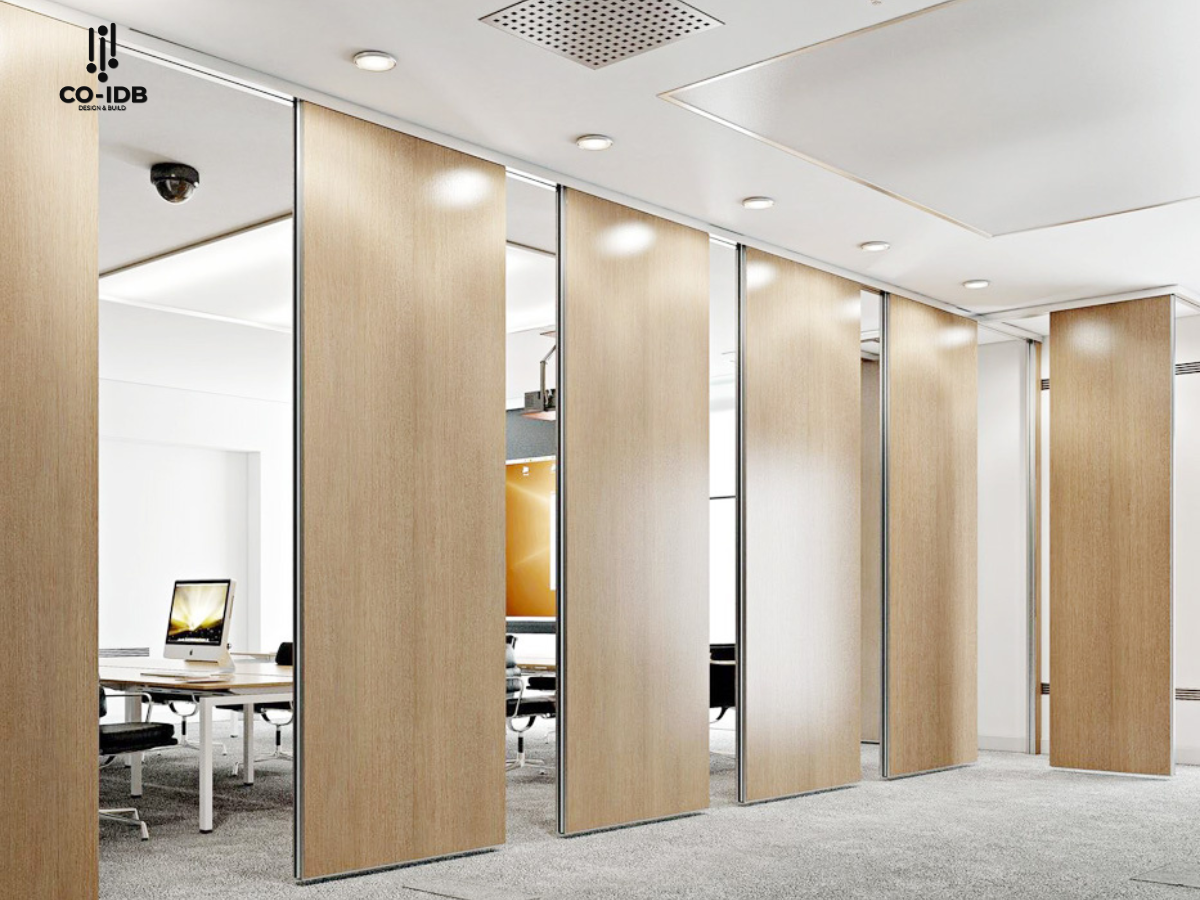
Movable partitions serve as an optimal solution for modern office spaces, offering the ability to restructure environments flexibly and efficiently. This system consists of panels that move on sliding tracks, allowing for the adjustment and division of space according to usage needs.
In a context where offices increasingly emphasize flexibility and versatility, movable partitions have become a priority for many businesses. This article provides a detailed analysis of the structure, features, and popular types of movable partitions, along with a guide on choosing and installing the right solution for your office.
What is a Movable Partition?
The concept of movable partitions arises from the need to optimize workspace utilization. It is a system of panels that can move flexibly on sliding tracks, allowing for rapid changes in space layout. This technology was developed in the 1960s and has been continuously improved in terms of materials and operational mechanisms.
Movable partitions represent a breakthrough in modern office design by optimizing area and providing flexibility in space arrangement. This feature is particularly suitable for multi-functional offices that frequently host meetings and events of varying scales.
>> See more: Overview of office partitions

Basic Structure of Movable Partitions
The structure of a movable partition consists of three main components:
|
Component |
Function |
Technical Specifications |
|
Frame System |
Provides stability |
Galvanized steel or aluminum |
|
Sliding Track |
Guides movement |
High-load alloy |
|
Infill Panel |
Creates the separation surface |
Diverse materials |
The sliding track system plays a crucial role in ensuring the smooth movement of the panels. The operating mechanism is designed to minimize friction and increase the system’s durability.
Accessories and components include:
-
Load-bearing sliding wheels
-
Locking pins and positioning bolts
-
Soundproofing rubber seals
-
Height adjustment accessories
Classification of Movable Partitions by Material
Movable partitions come in various materials and characteristics, each offering unique advantages suited for specific purposes. Below, Co-IDB provides a detailed analysis of popular types of partitions on the market by material to help you choose the best solution.
Glass Movable Partitions
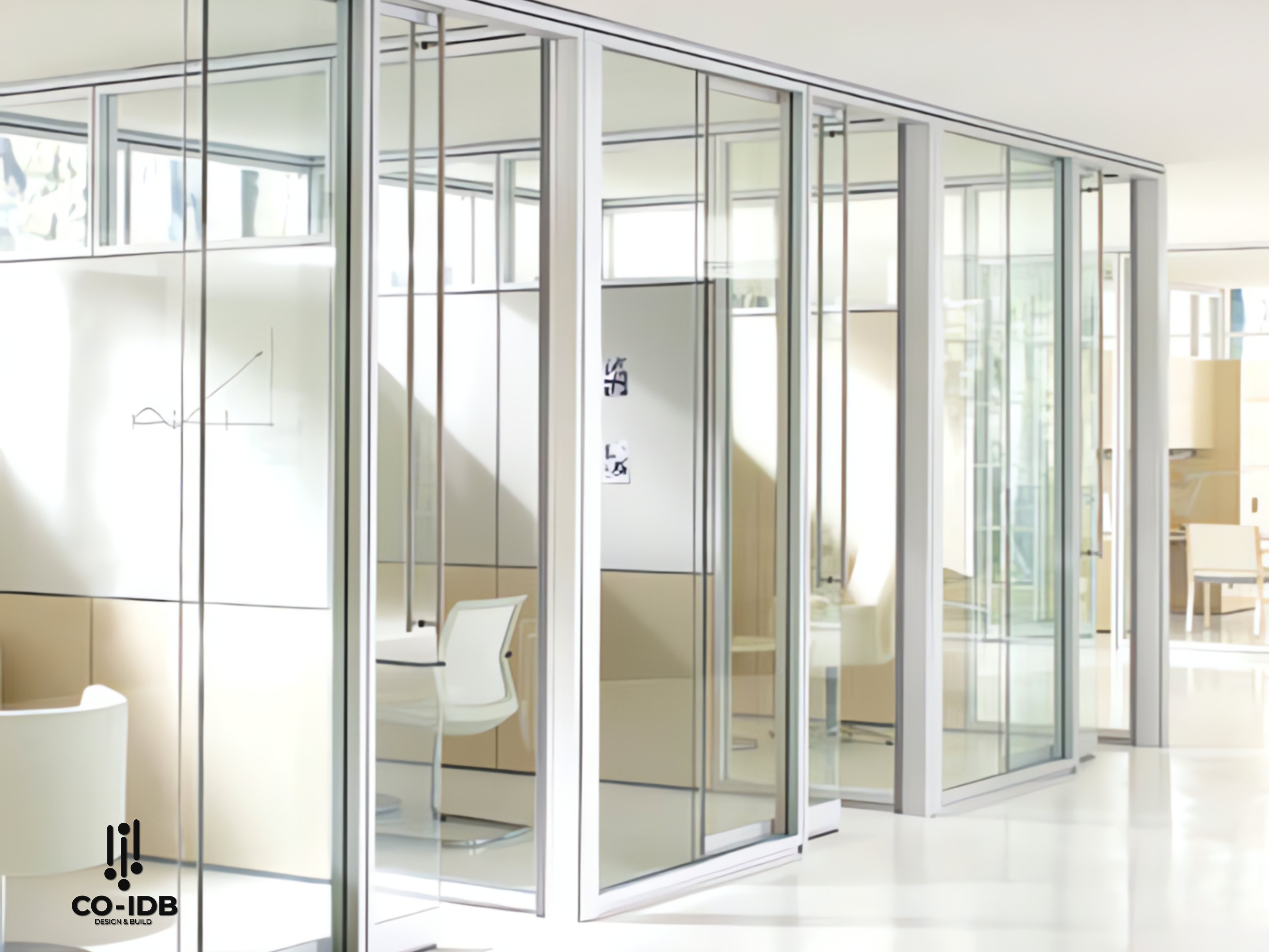
Glass partitions create a modern, transparent, and luxurious space. Specialized glass types for movable partitions include:
|
Glass Type |
Thickness |
Safety Features |
Application |
|
Tempered Glass |
10-12mm |
High |
High-end offices |
|
Safety Glass |
8-10mm |
Very High |
Commercial centers |
|
Frosted Glass |
8-12mm |
High |
Meeting rooms |
|
Patterned Glass |
8-12mm |
High |
Showrooms |
-
Pros: Easily adjustable positions, optimizes office space, creates a wide and airy feel, and modern aesthetics. High-end glass partitions can also integrate acoustic layers to reduce noise.
-
Cons: High initial investment cost. Despite durability, glass can crack under severe impacts. Moving or changing glass partitions requires technical expertise.
Plastic Movable Partitions
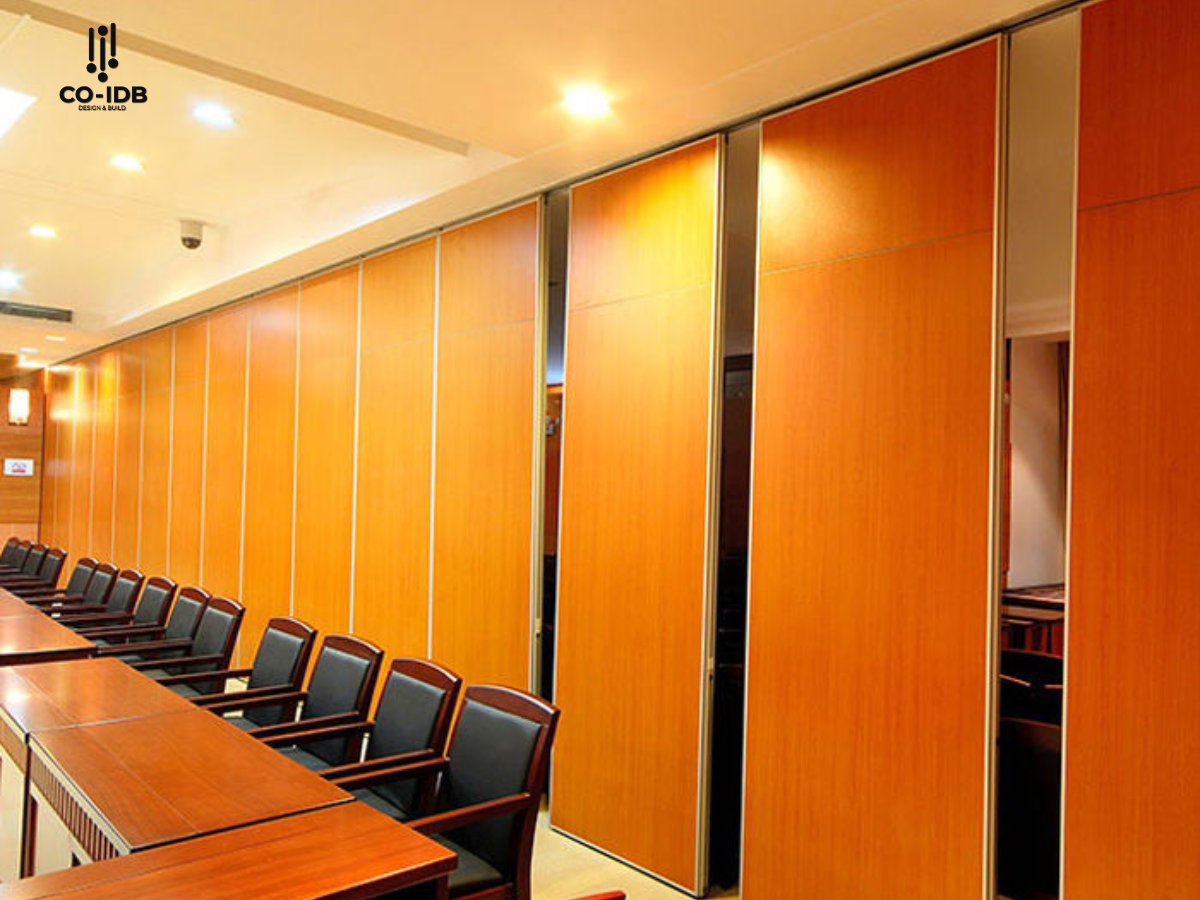
Plastic partitions provide an economical and durable solution for various spaces.
| Plastic Type |
Key Features |
Lifespan |
Price |
|
PVC |
Good moisture resistance |
8-10 years |
Low |
|
ABS |
Impact resistance |
10-12 years |
Medium |
|
uPVC |
Good soundproofing |
12-15 years |
Fair |
|
Composite |
Multi-functional |
15-20 years |
High |
-
Pros: Lower cost compared to wood or glass, waterproof (ideal for humid areas), easy to clean, and offers diverse design options.
-
Cons: Lower durability compared to other materials; prone to scratches or warping when exposed to high temperatures.
CNC Movable Partitions
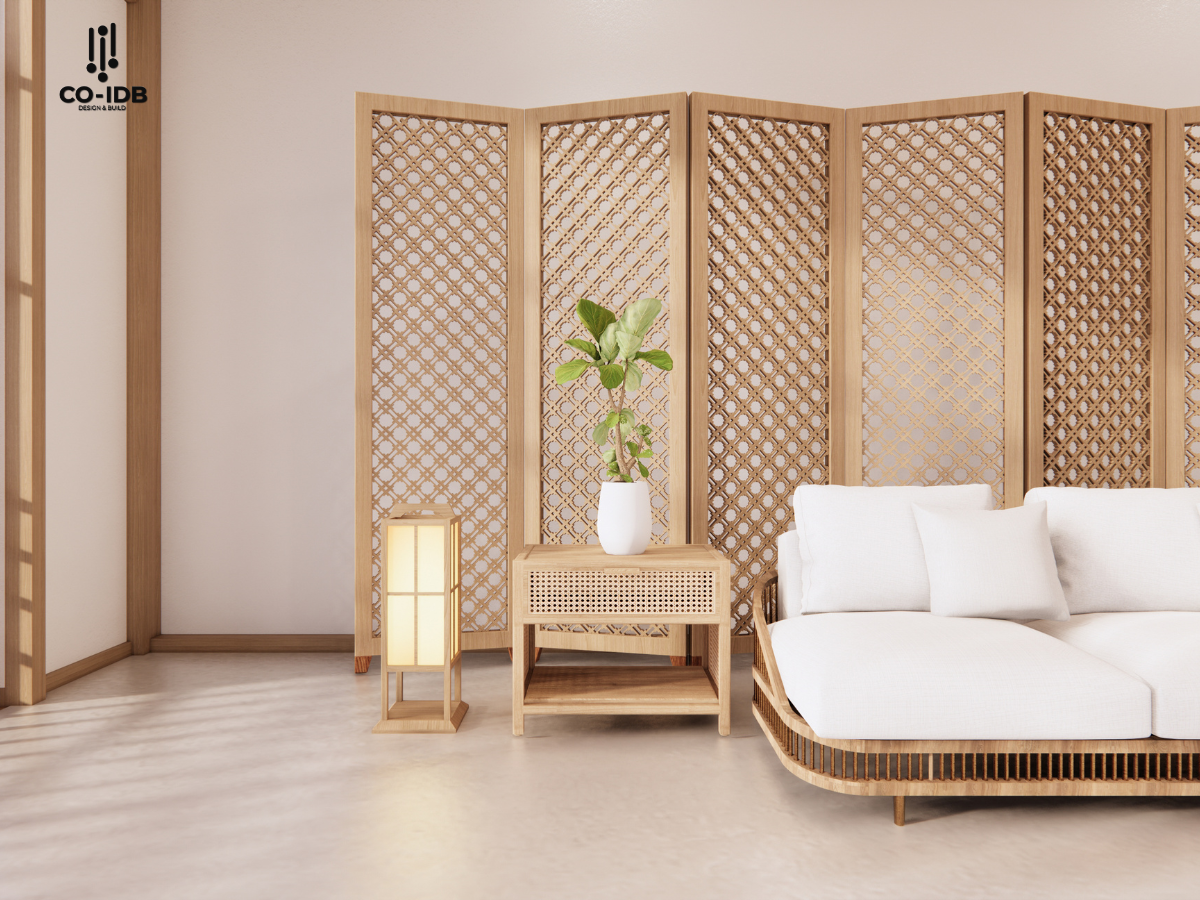
CNC movable partitions are high-end decorative solutions combining CNC cutting technology with mobility. This technology provides intricate patterns and high precision in every design detail.
|
Component |
Material |
Characteristics |
|
Main Panel |
MDF/HDF/Wood |
Rigid, durable |
|
Finish Layer |
Melamine/Veneer |
High aesthetics |
|
CNC Pattern |
Precision laser cut |
Diverse designs |
|
Frame |
Aluminum/Steel |
Sturdy |
-
Pros: Made from diverse materials like wood, MDF, or alloys. High flexibility in arranging space without permanent demolition.
-
Cons: Higher price than plastic or standard plywood. Due to hollow patterns, soundproofing capability is limited.
Movable Partition Prices on the Market
Price List by Material
|
Partition Type |
Basic Price (VND/m²) |
Premium Price (VND/m²) |
Avg. Lifespan |
|
PVC Plastic |
800,000 – 1,200,000 |
1,300,000 – 1,800,000 |
5-8 years |
|
Industrial Wood |
1,200,000 – 1,800,000 |
1,900,000 – 2,500,000 |
8-12 years |
|
Tempered Glass |
1,500,000 – 2,000,000 |
2,100,000 – 3,000,000 |
10-15 years |
|
CNC Partition |
1,600,000 – 2,200,000 |
2,300,000 – 3,500,000 |
10-15 years |

Accessory and Hardware Costs (if applicable)
Sliding Track System
-
Basic aluminum track: 250,000 – 350,000 VND/m
-
Premium aluminum track: 400,000 – 600,000 VND/m
-
Stainless steel track: 500,000 – 800,000 VND/m
Included Accessories
|
Accessory |
Price (VND/set) |
Lifespan |
|
Sliding Wheels |
150,000 – 300,000 |
3-5 years |
|
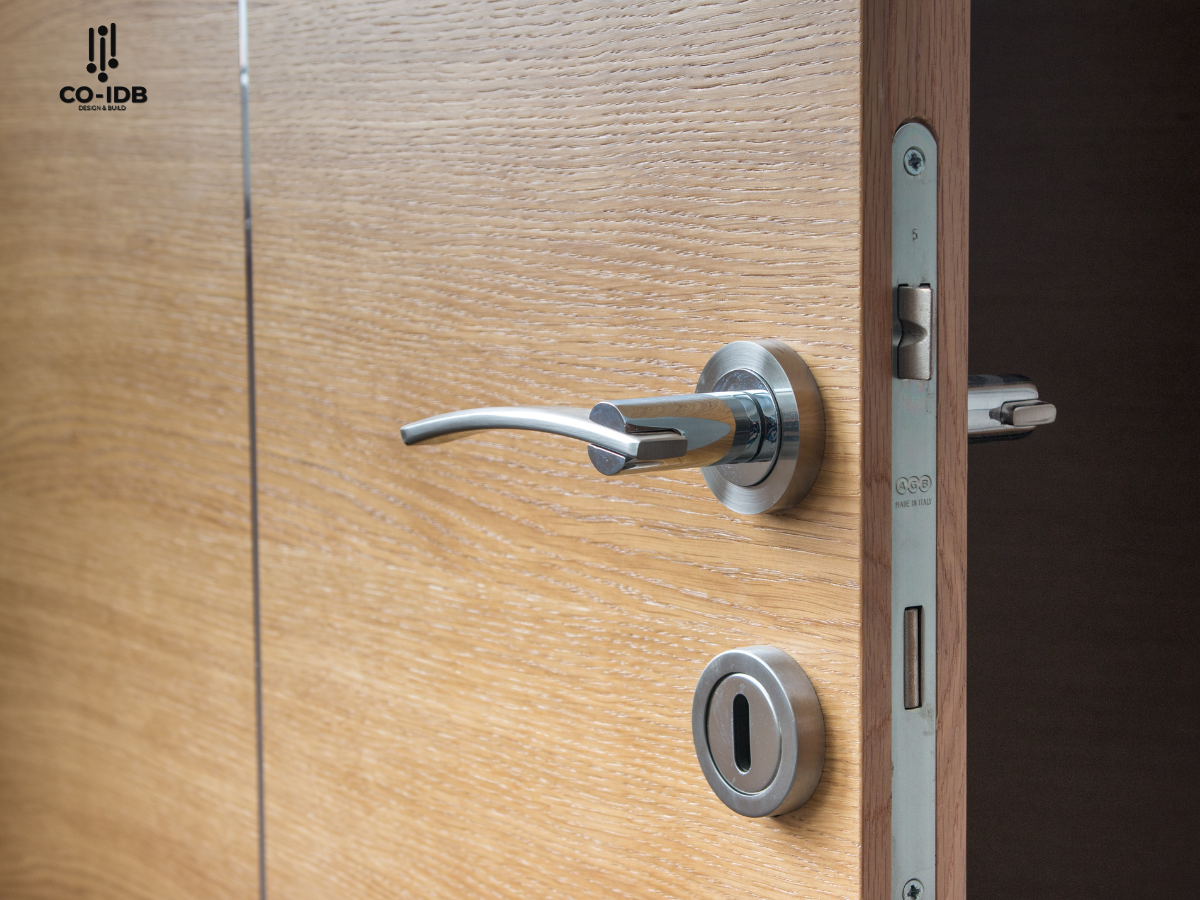
Locks and Handles |
200,000 – 500,000 |
5-7 years |
|
Rubber Seals |
50,000 – 100,000/m |
2-3 years |
|
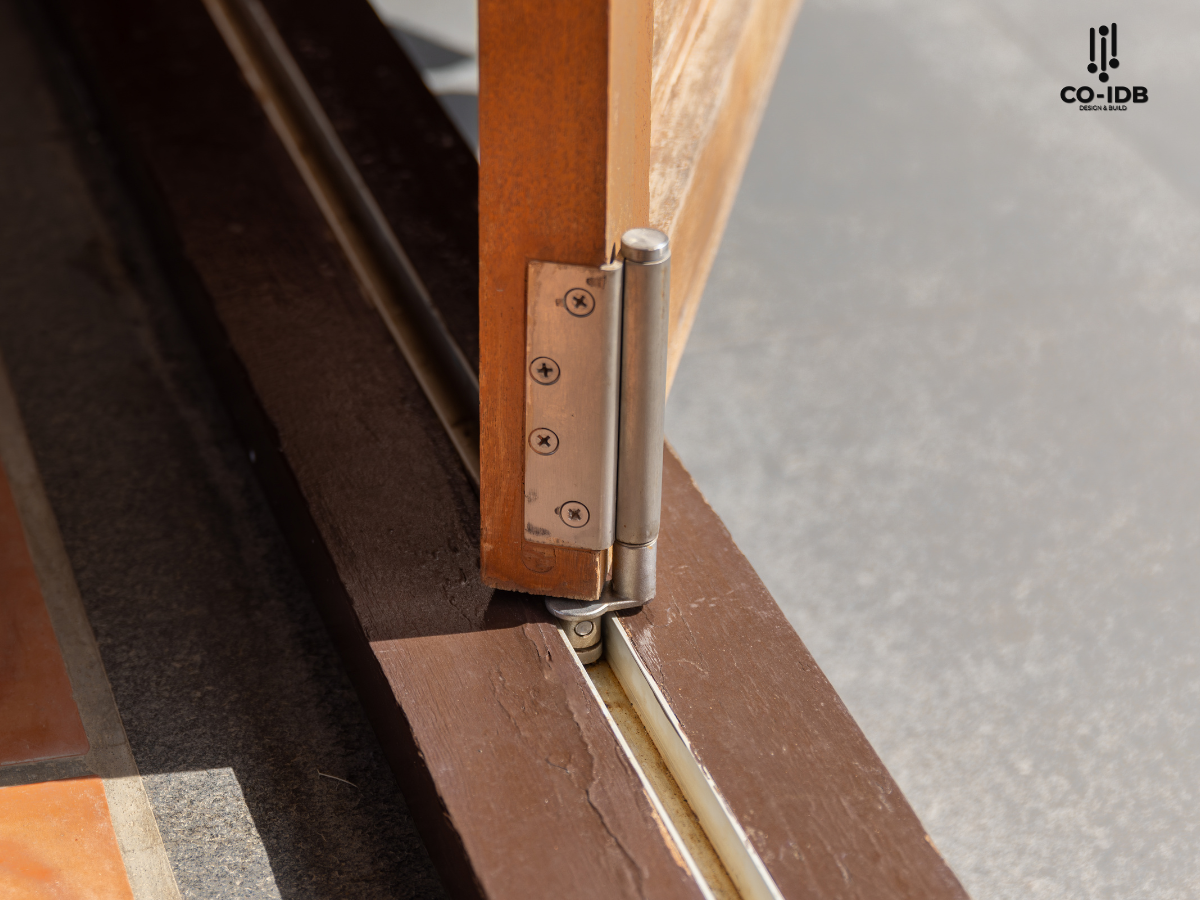
Hinges |
100,000 – 250,000 |
5-7 years |
Based on the information shared above, it is clear that movable partitions have become an optimal solution for modern office spaces. The variety in materials and designs allows for flexibility in choosing options that fit specific needs and budgets. To achieve the best results, the selection and installation process should be carried out professionally, from consultation to construction and maintenance.
As a contractor with years of experience in office interior design and construction, Co-IDB is a reliable partner for businesses seeking consultation on movable partitions. Contact us now for a consultation!
>> See more: Fixed drywall partitions
>> See more: