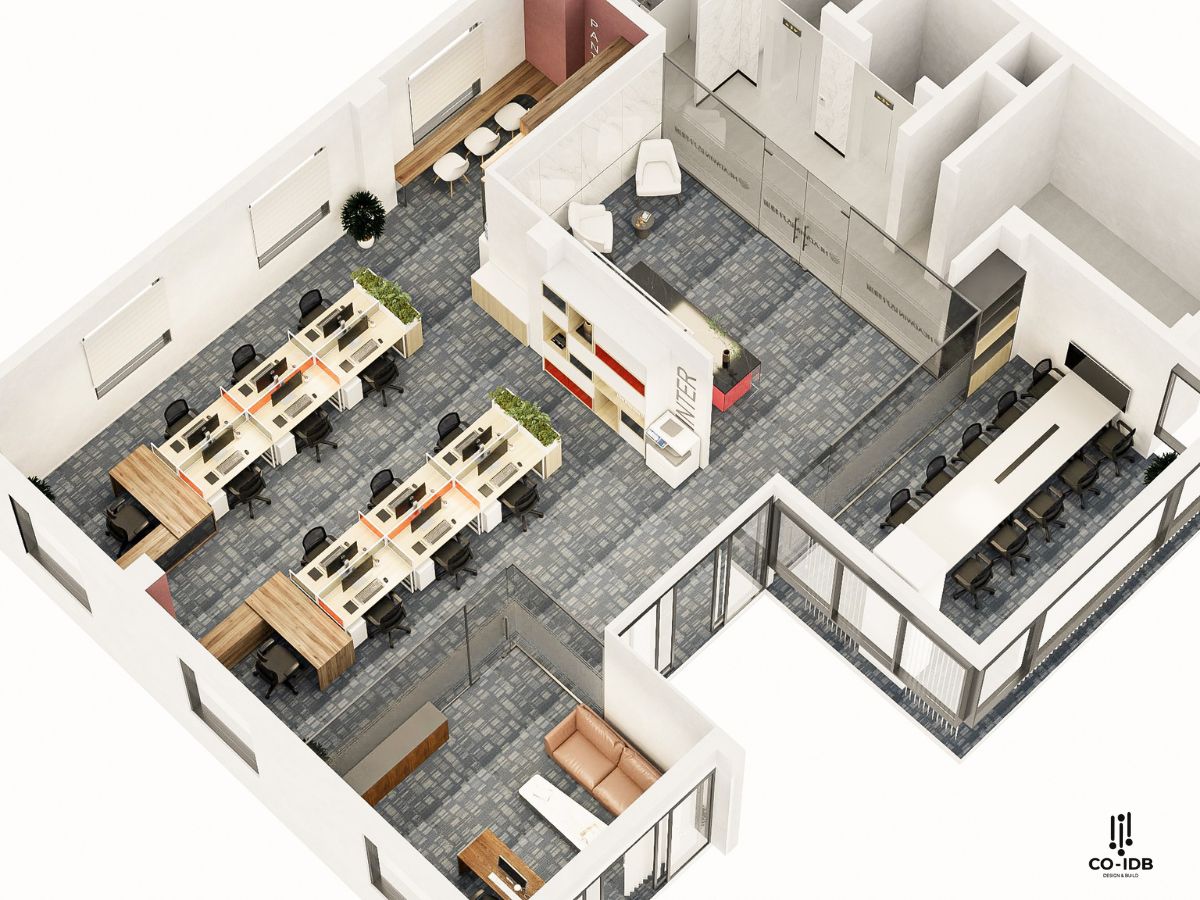
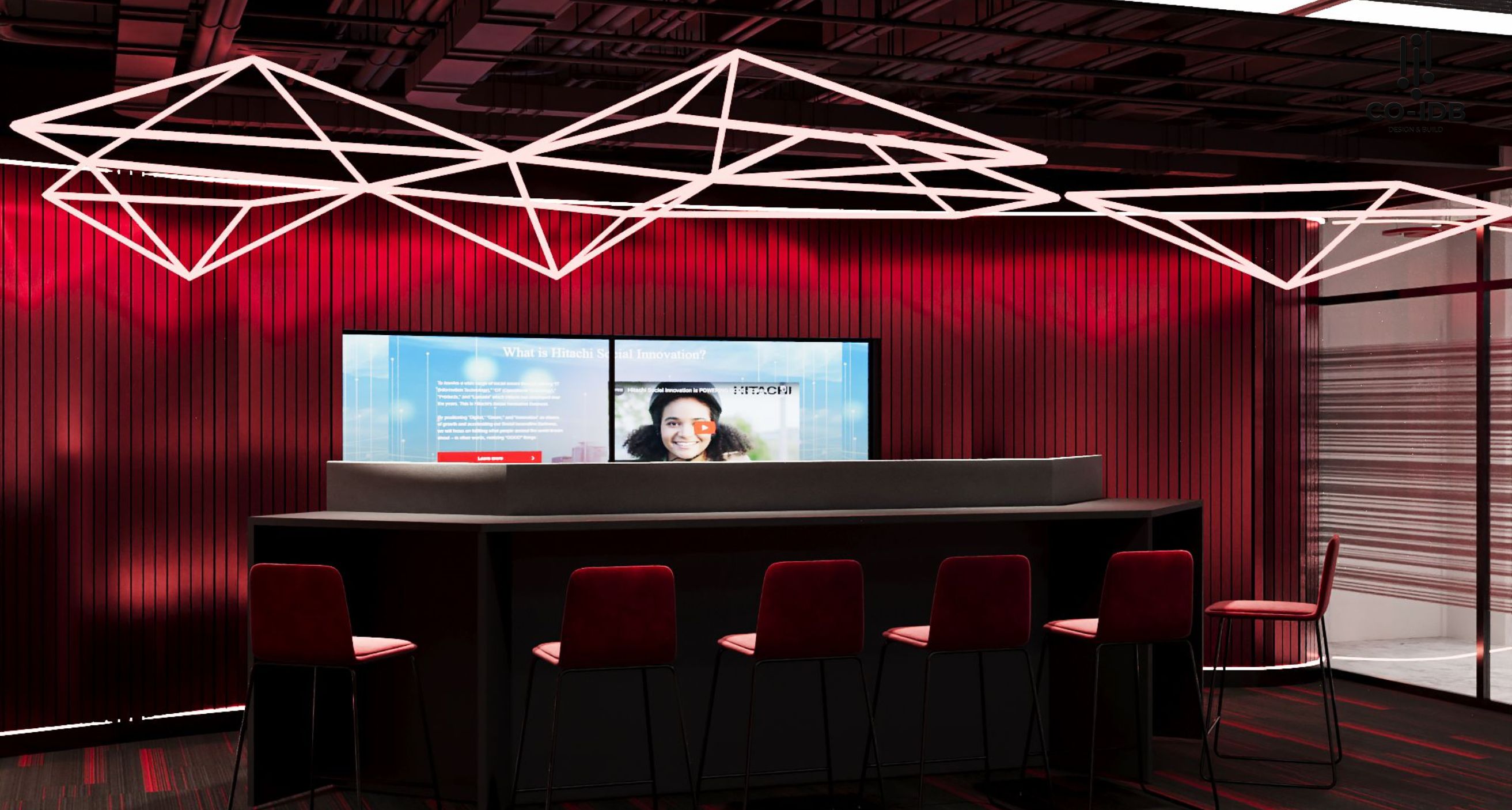
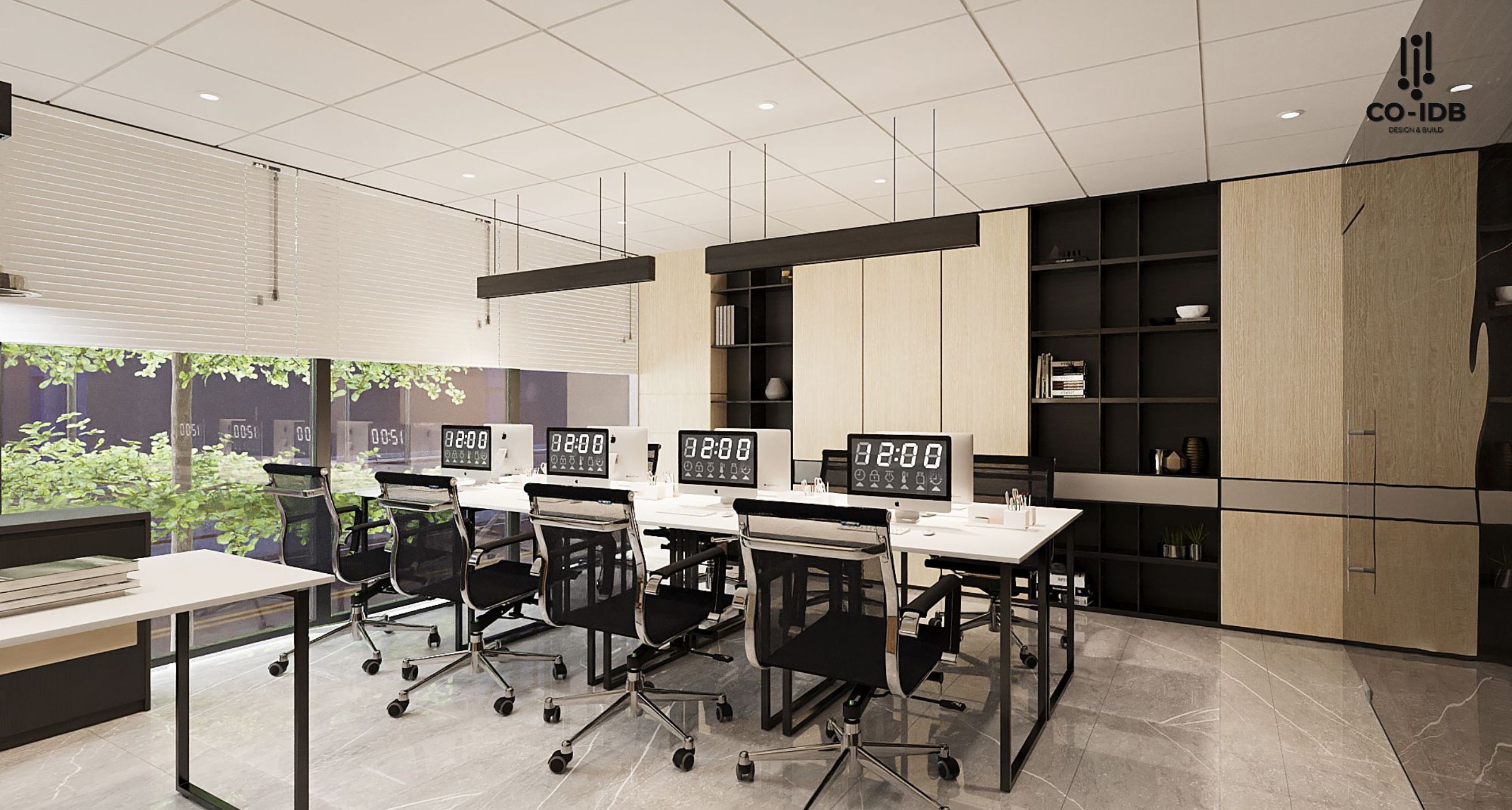
With the rapid evolution of technology and new design philosophies, creating a creative, comfortable, and well-equipped work environment is more vital than ever. In this article, Co-IDB explores the most stunning and modern office furniture layout trends for 2025, helping you craft an ideal workspace that drives performance and innovation.

Why Should Businesses Update Their Office Layouts in 2025?
As we enter 2025, office design trends have shifted significantly toward flexibility, technology integration, and human-centric experiences. Updating your layout not only keeps your business modern but also enhances your competitive edge in attracting and retaining talent, while leaving a powerful impression on clients and partners.

Office Layout Strategies by Functional Zone
Staff Workstations – Optimizing Area and Comfort
Workstations must be scientifically arranged to balance focused work with team interaction. In 2025, module or bench desking is preferred for its space-saving flexibility. Integrating ergonomic chairs and proper lighting ensures long-term health and reduces fatigue.
Reception & Waiting Areas – The First Impression
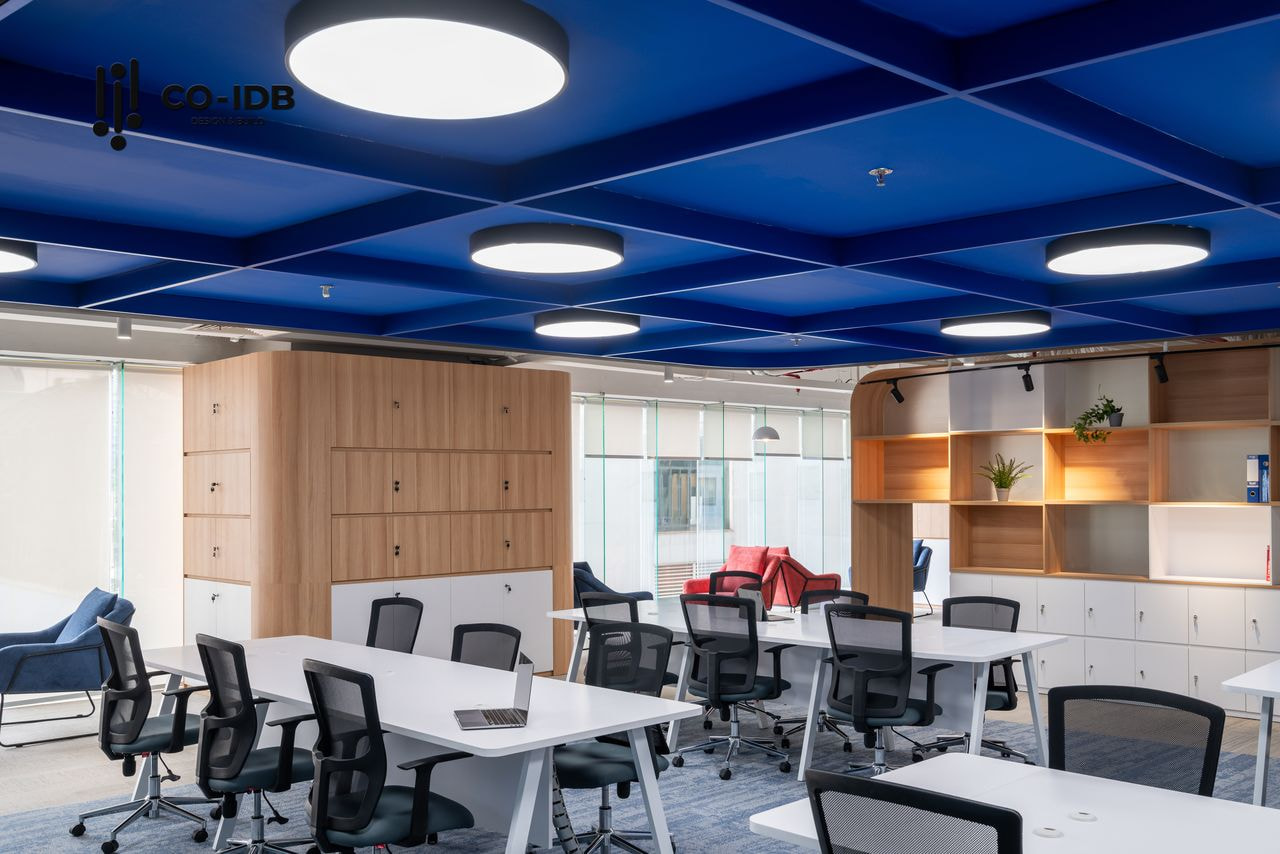
The reception is the “face” of the brand. High-end materials, brand-aligned color palettes, and accent lighting create immediate prestige. Comfort is key in waiting areas, using plush lounge seating and biophilic elements to create a welcoming atmosphere.
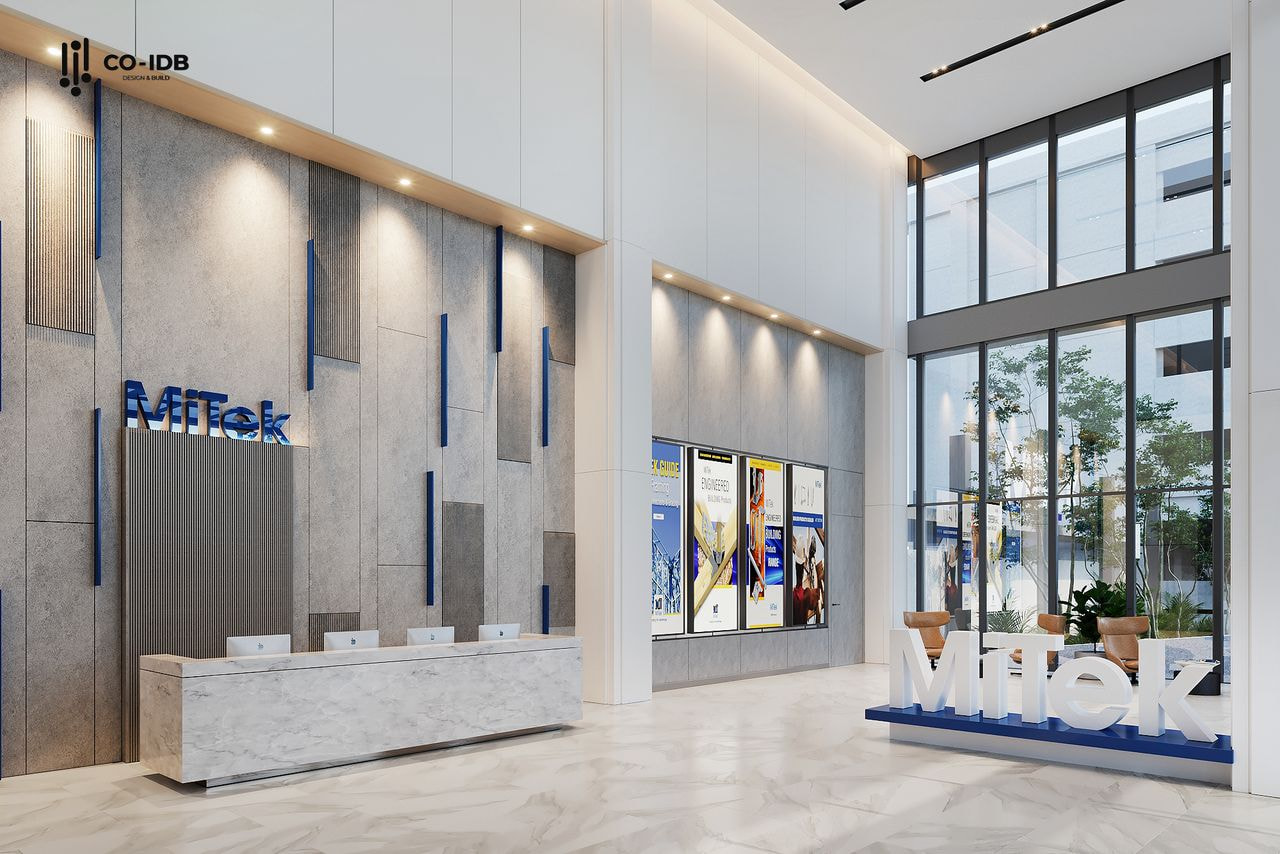
Meeting Rooms & Collaborative Hubs – Enhancing Efficiency
2025 trends prioritize Agile workspaces. This includes diverse meeting room sizes equipped with high-quality AV systems for virtual conferences, alongside open brainstorming zones with high tables and bar stools for quick ideation.
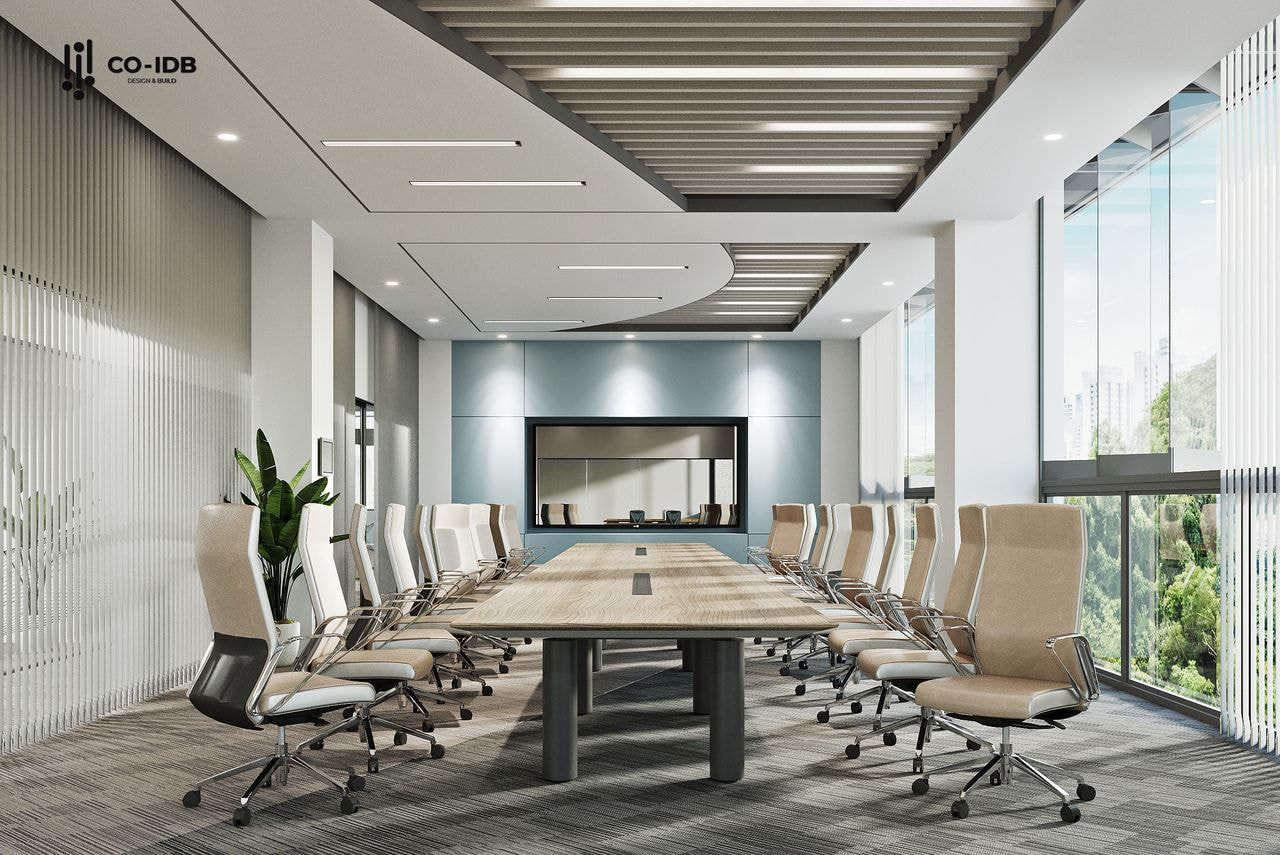
Executive Suites – Luxury and Professionalism
Executive offices must exude authority. Premium wood veneers, leather upholstery, and modern glass accents are staples. The layout should prioritize a prime view, integrated storage, and a small guest area to reflect the leader’s personality and prestige.
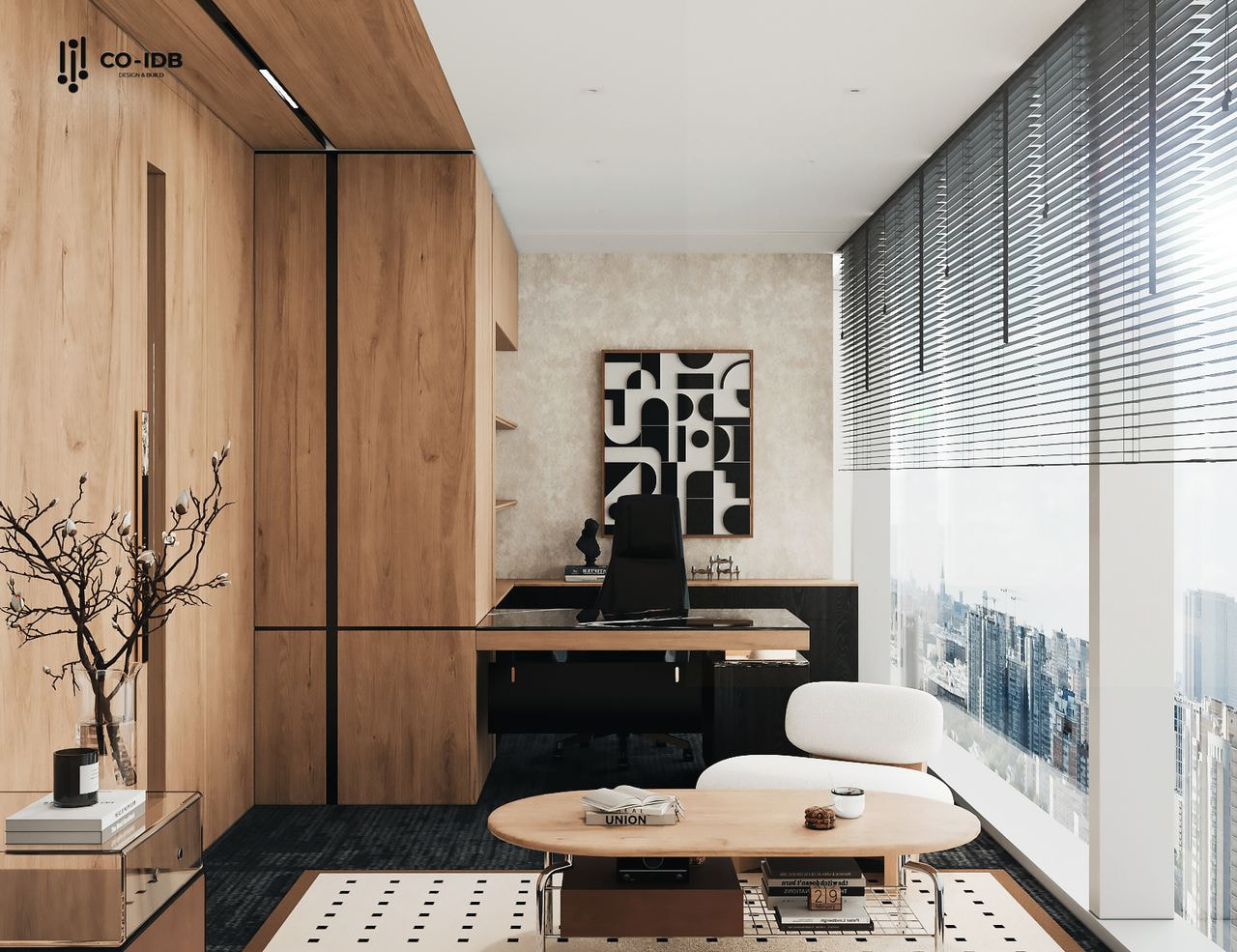
Support Zones (Pantry, Breakout, Storage)
The pantry and breakout areas are crucial for employee rejuvenation. Modern pantries often mimic home comforts with coffee stations and bars, while relaxation zones may feature bean bags or reading nooks to help staff recharge.

Key Principles for Strategic Office Layouts
- Color & Lighting: Neutral tones paired with vibrant accents create balance. Maximize natural daylight to improve morale.
- Traffic Flow: Ensure clear circulation paths and logical zoning to keep the space organized and clutter-free.
- Biophilic Design: Integrating greenery and natural elements improves air quality and visual aesthetics.
- Ergonomics: Furniture must support physical health, reducing musculoskeletal strain through adjustable seating and desk heights.
- Smart Tech Integration: Using tech to manage lighting, temperature, and room booking optimizes the user experience.
- Spatial Cohesion: All zones must be linked through a consistent design narrative, colors, and materials.
The 6-Step Process for Office Layout Implementation
- Site Survey: Assessing dimensions, infrastructure, and natural light.
- Needs Assessment: Defining the design style and functional requirements.
- Concept Development: Developing 2D/3D renderings for visualization.
- Furniture Procurement: Selecting durable, safe, and aesthetic pieces.
- Construction & Installation: Professional fitting according to technical drawings.
- Final Arrangement: Placing furniture and fine-tuning decorative accents.
Co-IDB Expertise: Tailored Solutions for B2B Enterprises
With extensive experience in B2B office fit-outs, Co-IDB believes a layout should stem from operational goals and brand positioning. Whether you prioritize hyper-efficiency or a creative brand experience, we provide practical, cost-effective solutions tailored for long-term growth.
Transform your workspace and enhance productivity with Co-IDB‘s architectural team. Contact us today for a professional layout consultation!
>> Explore more: