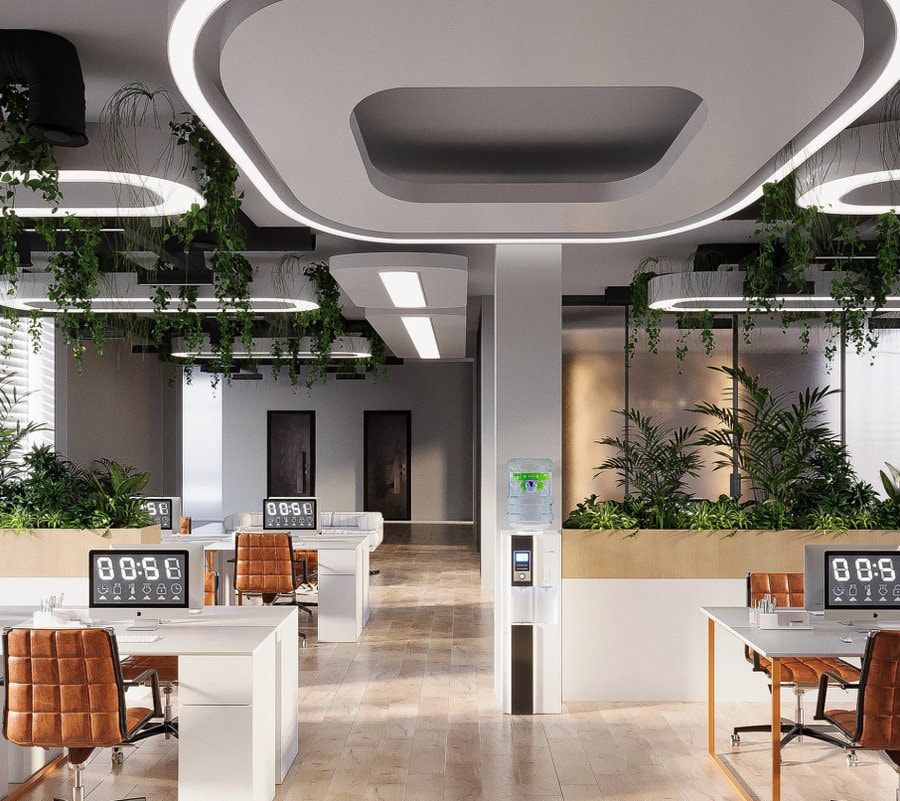
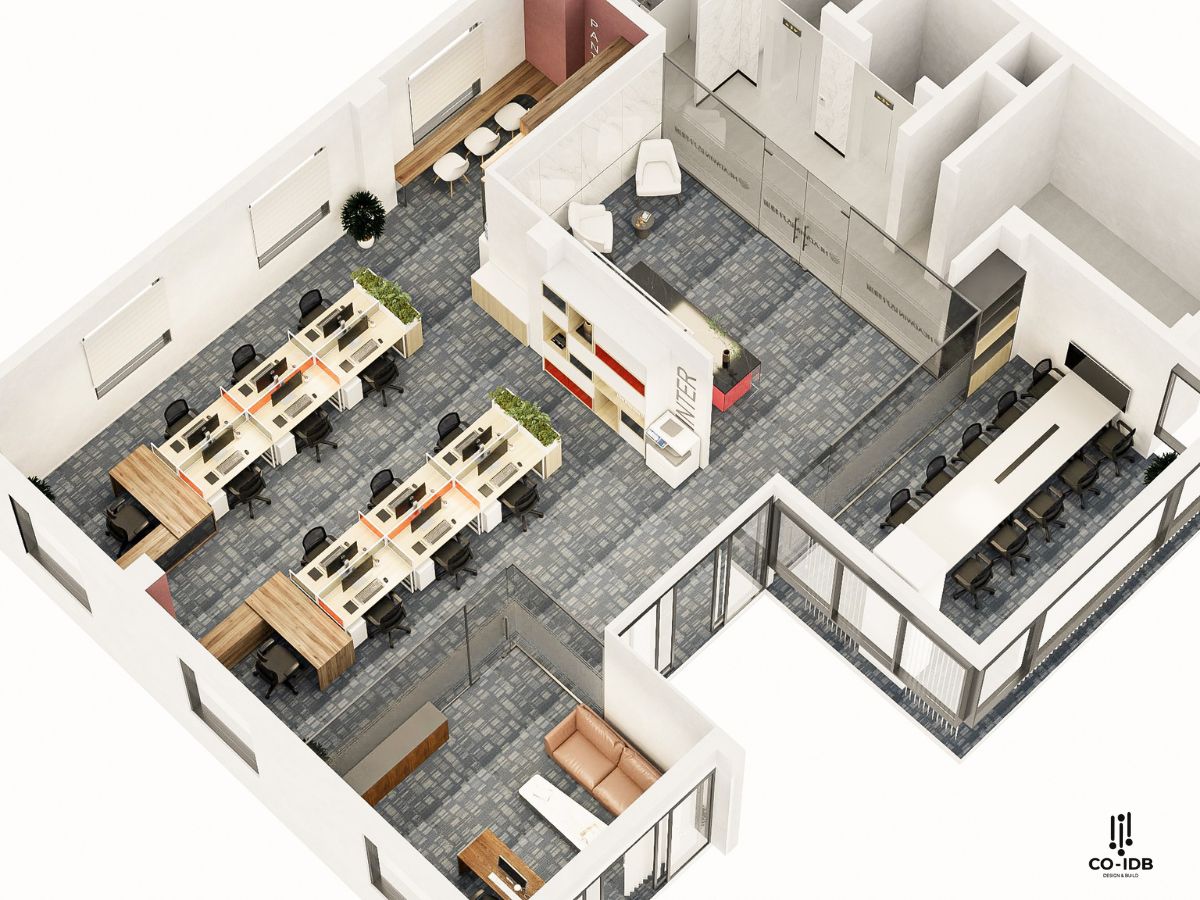
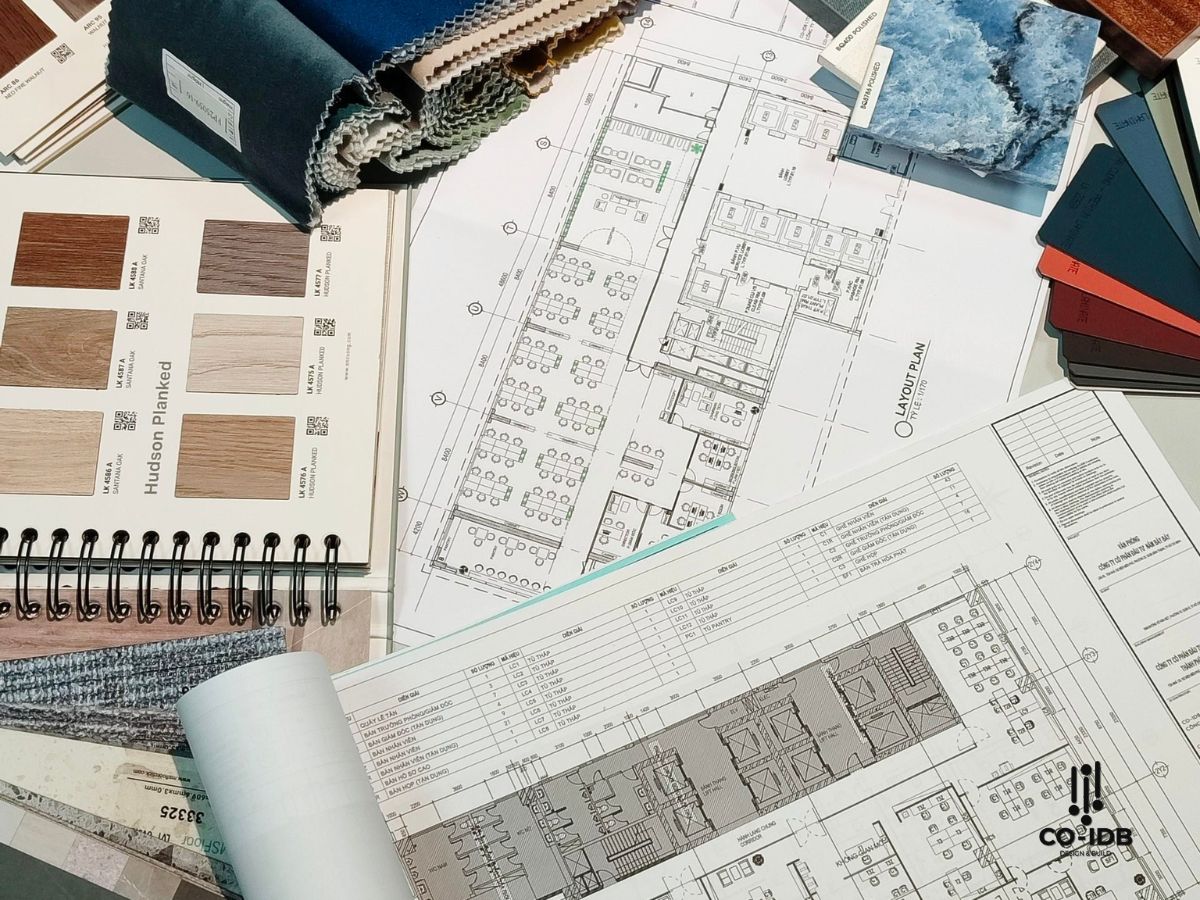
Green materials play a vital role in modern office design. This trend not only reflects the growing concern for the environment but also demonstrates the need to create healthy and productive workspaces. In this article, we will analyze the latest trends for 2025 and evaluate the economic and environmental benefits of applying sustainable solutions in office spaces.

Definition and Characteristics of Green Materials
Green materials are defined as eco-friendly raw materials. They include materials of natural origin that can be recycled or are manufactured using processes with low environmental impact. Highlights of green materials include:
-
High recyclability or reusability
-
Low carbon emissions during production and use
-
Free from toxic substances or pollutants
-
Sourced from renewable or sustainable resources
Read more: Comprehensive summary of popular office interior decoration materials today
Popular Green Materials in Office Interiors
Recycled Materials
Recycled materials hold a key position in sustainable office interior design. They include:
-
Recycled plastic: used for furniture and office supplies
-
Recycled metal: applied in chair frames and workstations
-
Recycled wood: used for flooring and furniture

Read more: Top 10 eco-friendly materials for green offices
Bio-based Materials
Bio-based materials bring a natural and healthy feel to the workspace. Common examples include:
-
Bamboo: used for flooring and furniture
-
Organic cotton: used for upholstery and curtains
-
Natural rubber: applied in carpets and acoustic insulation

Natural Insulation Materials
Natural insulation plays a crucial role in maintaining stable temperatures and saving energy. Popular types include:
-
Sheep’s wool: used for wall and ceiling insulation
-
Coconut fiber: applied in soundproofing and insulation
-
Wood wool: used for insulation and sound absorption

Benefits of Green Office Materials
Green Materials Enhance Energy Efficiency
Green materials significantly improve the office’s energy performance. Specifically:
-
Natural insulation materials reduce the need for air conditioning and heating.
-
Smart glass and phase-change materials optimize natural light usage.
-
Heat-reflective materials help reduce the load on cooling systems.
Table 1: Comparison of energy efficiency between green and traditional materials
|
Material Type |
Energy Savings |
Payback Period |
Average Lifespan |
|
Natural Insulation |
20-30% |
3-5 years |
20-25 years |
|
Smart Glass |
30-40% |
5-7 years |
15-20 years |
|
Heat-reflective Materials |
15-25% |
2-4 years |
10-15 years |
Read more: Comprehensive summary of popular office interior decoration materials today
Green Materials Boost Labor Productivity
Sustainable design has a positive impact on employee productivity. Research indicates that a green working environment can increase productivity by up to 15%. Factors contributing to this improvement include:
-
Cleaner air thanks to non-toxic materials
-
Optimized natural light helps improve mood and reduce eye fatigue
-
Stable temperature and humidity create a comfortable working environment
Green Materials Positively Impact Corporate Image
Eco-friendly office interiors help enhance a company’s image and prestige. This is reflected through:
-
Demonstrating commitment to the environment and sustainable development
-
Attracting talent interested in green values
-
Strengthening relationships with like-minded customers and partners
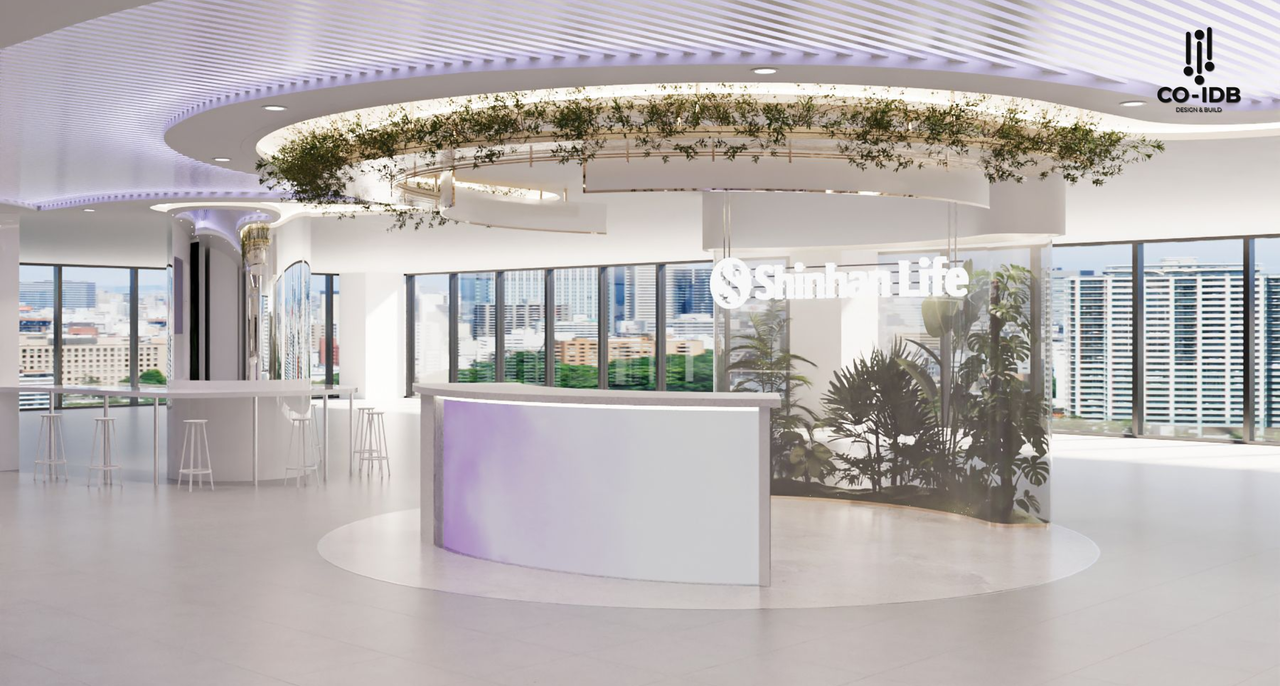
Energy Savings and Reduced Office Operating Costs
Green materials are not only eco-friendly but also an optimal solution for energy saving and reducing office operating costs. Insulated glass, a typical example, effectively prevents heat loss, reducing the load on air conditioning systems. At the same time, insulated ceiling panels reflect solar heat, helping to maintain a stable temperature inside the office. The direct result is a significant reduction in monthly electricity bills.
Furthermore, the high durability of green materials such as recycled wood and low-toxicity interior paints contributes to extending the project’s life, reducing maintenance and repair costs. Initial investment in green materials may be higher, but the long-term economic benefits are undeniable.
Finally, choosing green materials reflects a company’s social responsibility, attracting talent and environmentally conscious customers. This is a strategic investment for a sustainable future.

Challenges and Solutions When Using Green Materials for Offices
Difficulties in Using Green Materials
-
The cost of green materials is often higher than traditional materials. Initial installation and operation costs can be larger.
-
The supply of green materials is still limited, especially for products with diverse designs and sizes.
-
Many people still do not clearly understand the concept of green materials and their benefits.
Solutions for Challenges When Using Green Materials
-
Life Cycle Cost Comparison: Helps businesses realize the long-term economic benefits of using green materials, including energy savings and reduced maintenance costs.
-
Seek experienced units for support in consulting and designing offices with green materials, such as Co-IDB – a specialized unit in green office design and construction for many businesses

Green Material Trends in Office Interior Design 2025
The 2025 office design trend places a high priority on employee well-being. Key trends include:
- Green spaces and connection with nature: Integrating plants and vertical gardens
- Relaxation and regeneration areas: Using soft materials and soothing colors
- Advanced Ergonomics: Adjustable furniture that supports proper posture
- Personalized workspaces: Allowing employees to customize their environment
- Health tech integration: Air quality and lighting monitoring systems
Design focusing on well-being contributes to enhancing employee engagement and performance. By creating a work environment that promotes physical and mental health, businesses can increase productivity and employee satisfaction while reducing turnover rates.
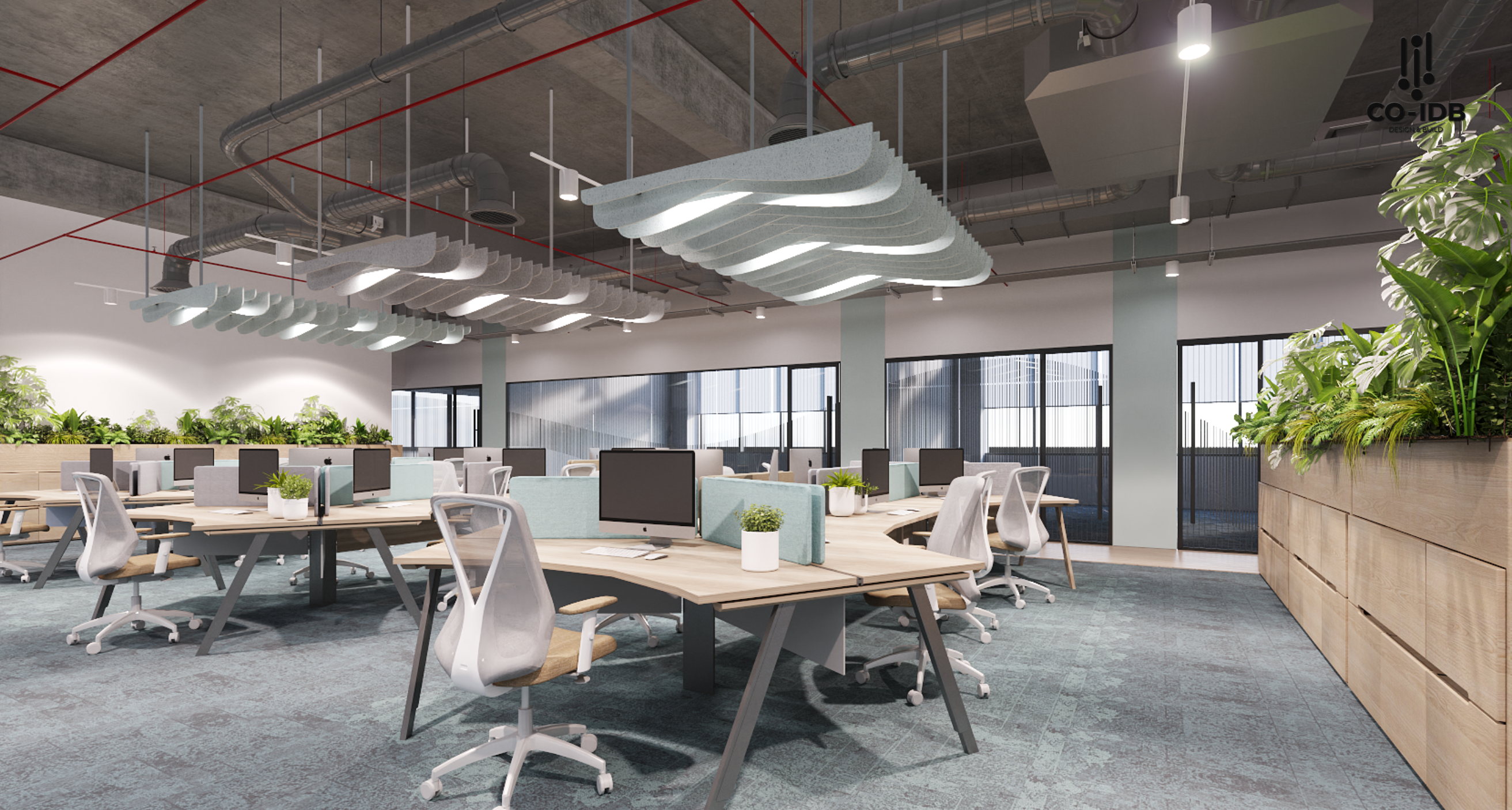 Office design prioritizing employee well-being
Green materials and sustainable design play a pivotal role in the development of modern offices. This trend not only benefits the environment but also significantly improves work performance, employee health, and corporate image. As we enter 2025, businesses need to prioritize the adoption of green materials and sustainable design to create efficient, creative, and healthy workspaces.
By combining the latest trends such as using advanced bio-based materials and focusing on employee well-being, businesses can create a work environment that is not only eco-friendly but also fosters innovation and productivity. Investing in green materials and sustainable design yields long-term benefits for both the business and employees, while contributing to a more sustainable future for our planet.
>>> See more: