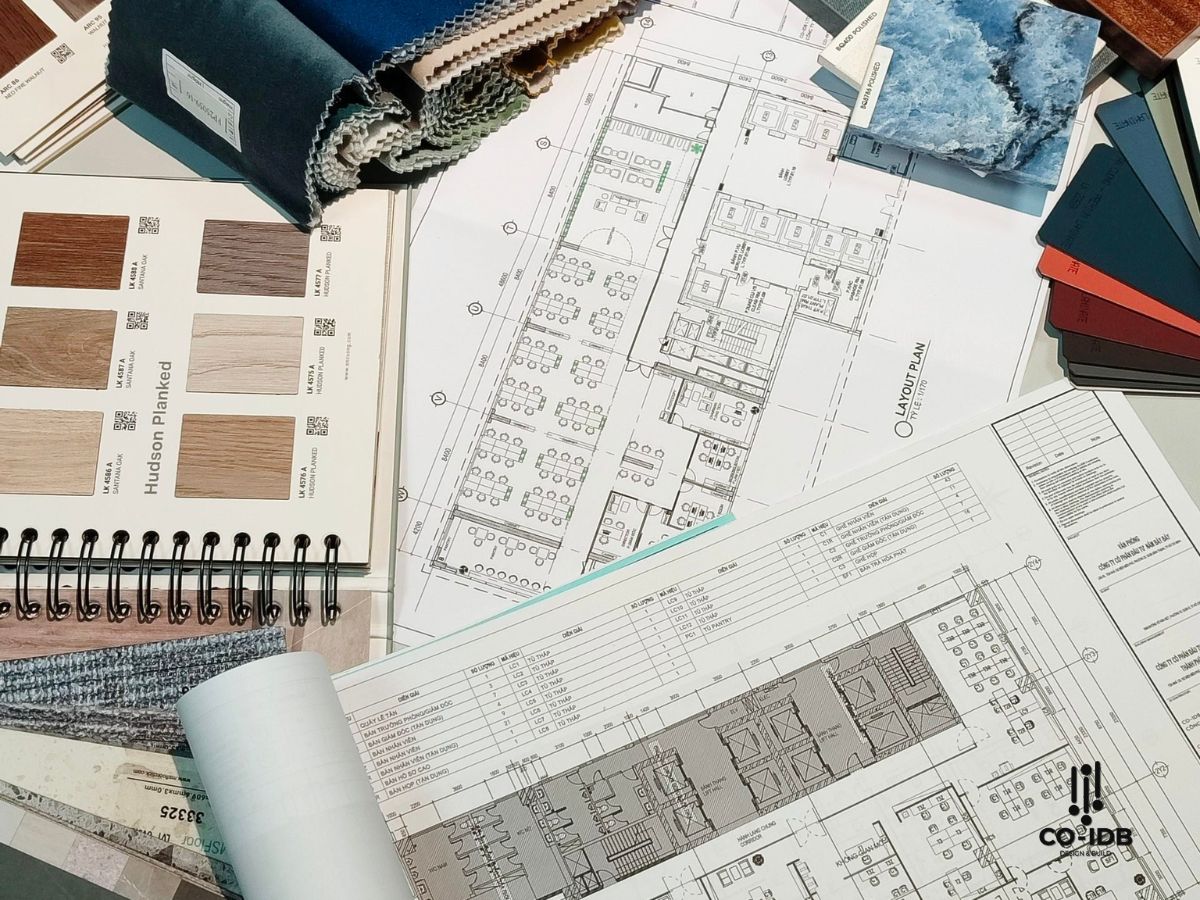
Green Label certification is becoming a key strategic tool helping businesses elevate their brand in the context of sustainable development. The green office trend not only meets environmental standards but also creates a significant competitive advantage in a market increasingly concerned with social responsibility.
This article provides a detailed analysis of the process to achieve Green Label certification, specific evaluation criteria, and the practical benefits businesses can gain by investing in this certification.

What is Green Label Certification?
Green Label is an international certification system that evaluates the environmental friendliness of office buildings. This certification is based on a comprehensive set of criteria regarding energy performance, waste management, and indoor environmental quality. For Vietnamese businesses, Green Label is increasingly recognized as a reliable standard in the green building sector.
The Role of Green Label in Modern Business
Businesses possessing a Green Label certification demonstrate a strong commitment to sustainable development. This certification is more than just legal paperwork; it is proof of an organization’s efforts to protect the environment. In the digital age, clients and partners prioritize collaborating with socially responsible enterprises.
Table 1: Comparison of Green Label with other certifications
| Criteria | Green Label | LEED | LOTUS |
| VN Market Suitability | High | Medium | High |
| Investment Cost | Medium | High | Medium |
| Certification Timeline | 3-6 months | 6-12 months | 4-8 months |
| Process Complexity | Medium | High | Medium |
Benefits of Green Label for Brand Value
Green Label certification creates significant synergistic value for a corporate brand:
- Elevating corporate reputation
- Solidifying commitment to sustainable development
- Strengthening customer trust
- Improving company image within the community
- Optimizing operational costs:
- Reducing energy costs by 20-30%
- Saving water resources by 30-40%
- Reducing waste treatment expenses

Green Label Evaluation Criteria for Offices
The Green Label rating system is based on comprehensive environmental and energy efficiency criteria, categorized as follows:
Table 2: Evaluation Categories and Weighting
| Category | Weight (%) | Key Criteria |
| Energy Efficiency | 35 | Power optimization, HVAC systems |
| Resource Management | 25 | Water, Waste, Recycling |
| Indoor Environment | 20 | Air quality, Natural lighting |
| Green Materials | 15 | Recycled materials, Local materials |
| Operational Management | 5 | Staff training, SOPs |
Green Label vs. Other Green Certifications
Green Label distinguishes itself from LEED and LOTUS in its evaluation scope. While LEED focuses on international standards and LOTUS emphasizes Vietnamese conditions, Green Label strikes a balance between both, helping businesses meet global benchmarks while remaining practical for the local context.
In terms of cost and brand impact:
- LEED: Highest cost but provides powerful international brand value.
- LOTUS: Moderate cost, highly suitable for the domestic market.
- Green Label: Competitive cost, balancing international and local prestige.

The Green Label Certification Process
Achieving Green Label status involves several critical steps requiring thorough preparation:
Phase 1: Preparation and Preliminary Assessment (4-6 weeks)
- Establish a dedicated project team.
- Assess the current office state against Green Label criteria.
- Identify gaps and establish an improvement plan and budget.

Phase 2: Documentation and Submission (2-3 weeks)
Prepare the dossier including application forms, technical reports for HVAC, electricity, water, as-built drawings, and utility data for the last 12 months.
Phase 3: On-site Audit (1-2 weeks)
- Certification body experts conduct physical inspections.
- Measurement of environmental indicators.
- Staff interviews regarding operational procedures.
Phase 4: Remediation of Non-compliance (4-8 weeks)
- Receive audit reports and implement necessary improvements.
- Update procedures and train staff on new protocols.
Phase 5: Official Certification (1-2 weeks)
- Final review of improvements and final scoring.
- Official awarding and public announcement.

Green Label Certification Bodies in Vietnam
Several organizations provide certification and auditing services related to green and sustainable standards in Vietnam:
Vietnam Environment Administration (VECC)
Established under the Ministry of Natural Resources and Environment, VECC is the official body for the Vietnam Green Label.
SGS Vietnam
SGS provides international-standard certification and inspection services, helping businesses achieve ISO 14001 and other global green standards.

Bureau Veritas Vietnam
Specializes in green standards certification, supporting businesses in building eco-friendly production processes.
TUV Rheinland Vietnam
Provides international eco-labeling, energy saving, and environmental management certifications.
Conclusion: Green Label certification is not just a brand enhancement tool but a long-term sustainable development strategy. Investing in these standards provides a competitive edge and contributes positively to national sustainability goals.
>> See more: