Flexible workspaces are creating a revolutionary shift in how businesses operate. This trend is reshaping the global work environment, with forecasts predicting that by 2025, over 60% of enterprises will adopt a hybrid model combined with flexible spaces. This article provides a detailed analysis of the benefits, trends, and effective implementation of flexible workspaces for 2025.

What is Flexible Office Space?
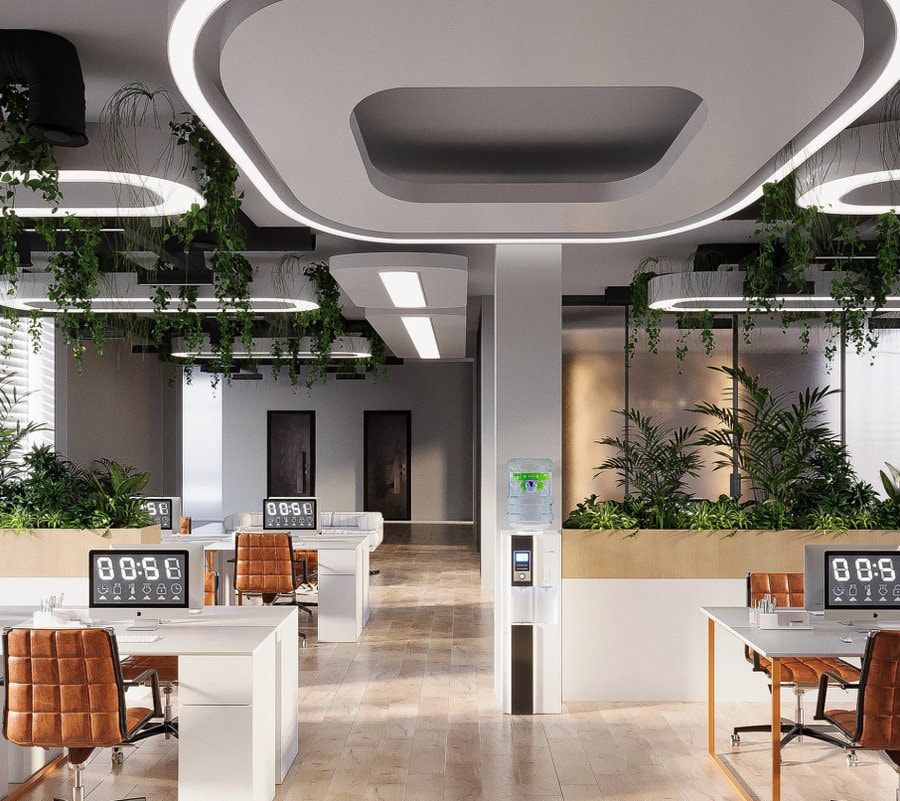
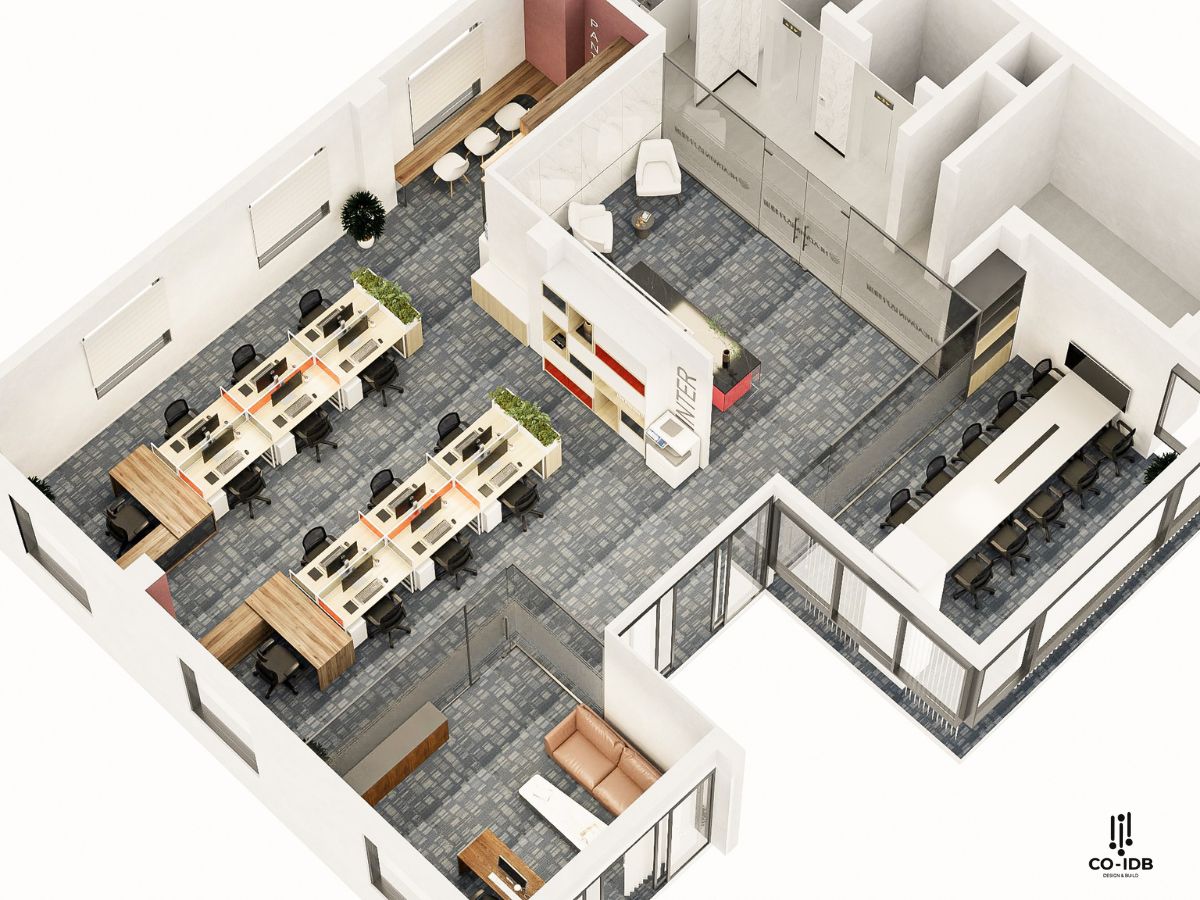
Flexible office space offers a breakthrough operational model for modern businesses. This concept goes beyond mere furniture rearrangement; it aims to create an intelligent environment where technology and people harmonize for peak performance.
| Factor | Traditional Model | Flexible Space |
| Layout | Fixed, departmental | Dynamic, activity-based |
| Technology | Limited, standalone | Integrated, smart-enabled |
| Interaction | Hierarchical | Multi-dimensional, collaborative |
| Cost | High, fixed overhead | Scalable, optimized |
In the digital age, the digital transformation process has further propelled the growth of flexible workspaces. From traditional offices with fixed desks, the environment has evolved into a diverse ecosystem where technology and physical space blend for an optimized experience.
Why Businesses Need Flexible Workspaces
Flexible workspaces optimize operational efficiency through various dimensions. These benefits impact not only financial statements but also corporate culture and employee satisfaction. The impact can be measured through the following indicators:
| Benefits | Impact | Measurable Results |
| Cost Savings | 30% reduction in operating costs | 25% increase in ROI |
| Productivity | 20% boost in efficiency | 15% improvement in KPIs |
| Satisfaction | 85% higher employee happiness | 40% reduction in turnover rates |
Financial efficiency is achieved by optimizing real estate costs. Businesses can save significantly by reducing fixed lease expenses, optimizing resource utilization, and lowering utility costs via smart management systems.
Types of Flexible Workspace Models
Coworking Space
Shared workspaces foster networking and creativity. Key features include shared infrastructure (meeting rooms, lounges) and flexible, usage-based pricing.
Virtual Office
An ideal solution for remote-first companies and startups, providing a professional business address, reception services, and on-demand meeting space.
Hybrid Office
The hybrid model combines the best of remote and in-office work. It allows for face-to-face team building while maintaining the focus and flexibility of remote work.
Hot-desking
Hot-desking maximizes space utility through non-fixed workstations and smart booking systems, increasing spontaneous interaction.

2025 Trends in Flexible Workspace Development
VR/AR in Collaboration Zones
Virtual and Augmented Reality are transforming how teams collaborate remotely through virtual meeting rooms and 3D training, enhancing creativity and reducing errors.
AI and Automation
Artificial Intelligence is the defining trend of 2025. It optimizes space management through self-learning booking systems and behavioral analytics to predict future space needs.
>> See more: Innovative Creative Workspaces
Frequently Asked Questions
What features are essential for a dynamic seating management system?
Effective systems require real-time booking, spatial heat maps, and automated mobile check-ins. These platforms must analyze usage patterns to automatically suggest layout reconfigurations based on real data.
What are the standards for density and spacing in 2025?
2025 standards suggest 8-10m² per person for open-plan zones, with 15-20% of total area dedicated to collaborative hubs. Standard ventilation must follow WELLBEING certifications with a minimum of 1.5m between workstations.
What is the standard for smart lighting in flexible offices?
Systems must offer tunable color temperatures (2700K to 6500K) and intensities (100 to 1000 lux). Integration with Circadian lighting sensors is crucial for optimizing both energy use and employee health.
Flexible workspaces are an irreversible trend. To succeed, businesses need a clear strategy and a willingness to invest in both technology and people. Contact Co-IDB for professional consultation on your office transformation.
>> See more: Comprehensive Office Layout & Planning