Ergonomics focuses on designing and arranging workspaces to fit the needs and capabilities of workers, thereby enhancing health, safety, and performance. This article explores the vital aspects of ergonomics in the modern office and its contribution to organizational efficiency.
An Introduction to Ergonomics
Definition
Ergonomics (or Human Factors) is the applied science of designing systems and environments to match the people who use them. It integrates fields such as psychology, engineering, design, and medicine to optimize human well-being and overall system performance.
The Impact of Ergonomics in the Workplace
Applying ergonomic principles helps minimize injury risks, such as Repetitive Strain Injuries (RSIs), while fostering comfort. By considering factors like posture, movement, and lighting, ergonomic design creates an optimized workspace for the modern professional.

Core Principles of Office Ergonomics
Modern office design must balance aesthetics with functional human factors. Key principles include:
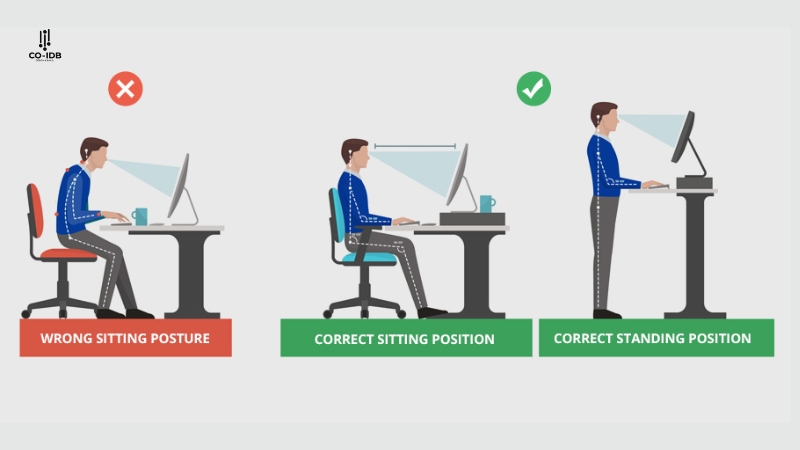
- Maintaining a neutral posture.
- Reducing excessive force and repetitive motions.
- Keeping tools and equipment within easy reach.
- Working at the correct height (elbow level).
- Minimizing static fatigue and pressure points.
- Ensuring adequate clearance and a comfortable environment.

See more: Latest Updated Office Design Standards
Ergonomic Furniture Solutions
Ergonomic Chairs
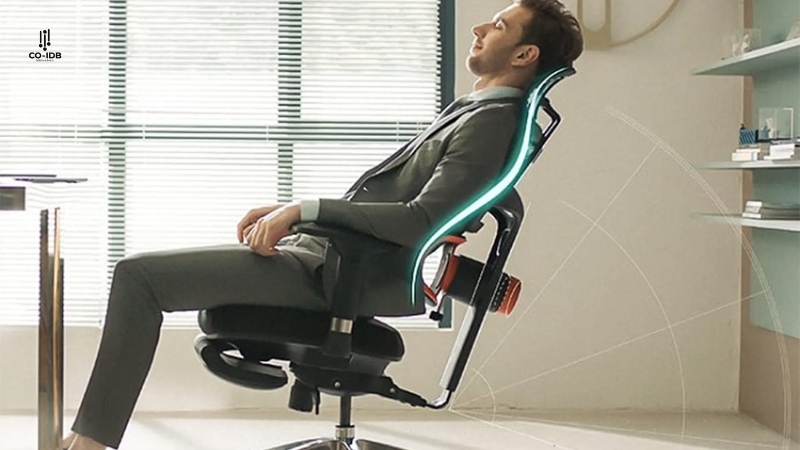
A professional ergonomic chair prevents back pain by providing dynamic lumbar support. When selecting office chairs, consider adjustability features to accommodate individual body types.
- Adjustable seat height and depth.
- Dynamic lumbar support.
- 4D adjustable armrests.
- Breathable, high-durability mesh or fabric materials.
Sit-Stand Desks
Ergonomic desks allow users to transition between sitting and standing, encouraging movement and preventing the health risks associated with sedentary behavior.
Monitor Arms
Monitor arms align the screen with the user’s eye level, reducing neck and shoulder strain. Look for gas-spring or electric arms for smooth height and tilt adjustments.
Ergonomics and Well-being
Well-being is deeply linked to ergonomic design. By reducing physical stress, ergonomics improves mental health, increases job satisfaction, and minimizes musculoskeletal disorders (MSDs).
The Future of Ergonomics: Trends & Challenges
The future lies in personalized environments and smart technology integration. As remote work continues to grow, applying ergonomic standards to home offices remains a significant challenge for HR and facility managers.
Frequently Asked Questions (FAQs)
How do I assess my office’s ergonomics?
Use an ergonomic checklist, perform employee surveys, or hire professionals like Co-IDB for an in-depth audit and tailored recommendations.

Can ergonomics increase productivity?
Yes. Studies show that an ergonomic workspace can boost productivity by up to 25% by reducing discomfort and fatigue.
How to create an ergonomic “Relax Zone”?
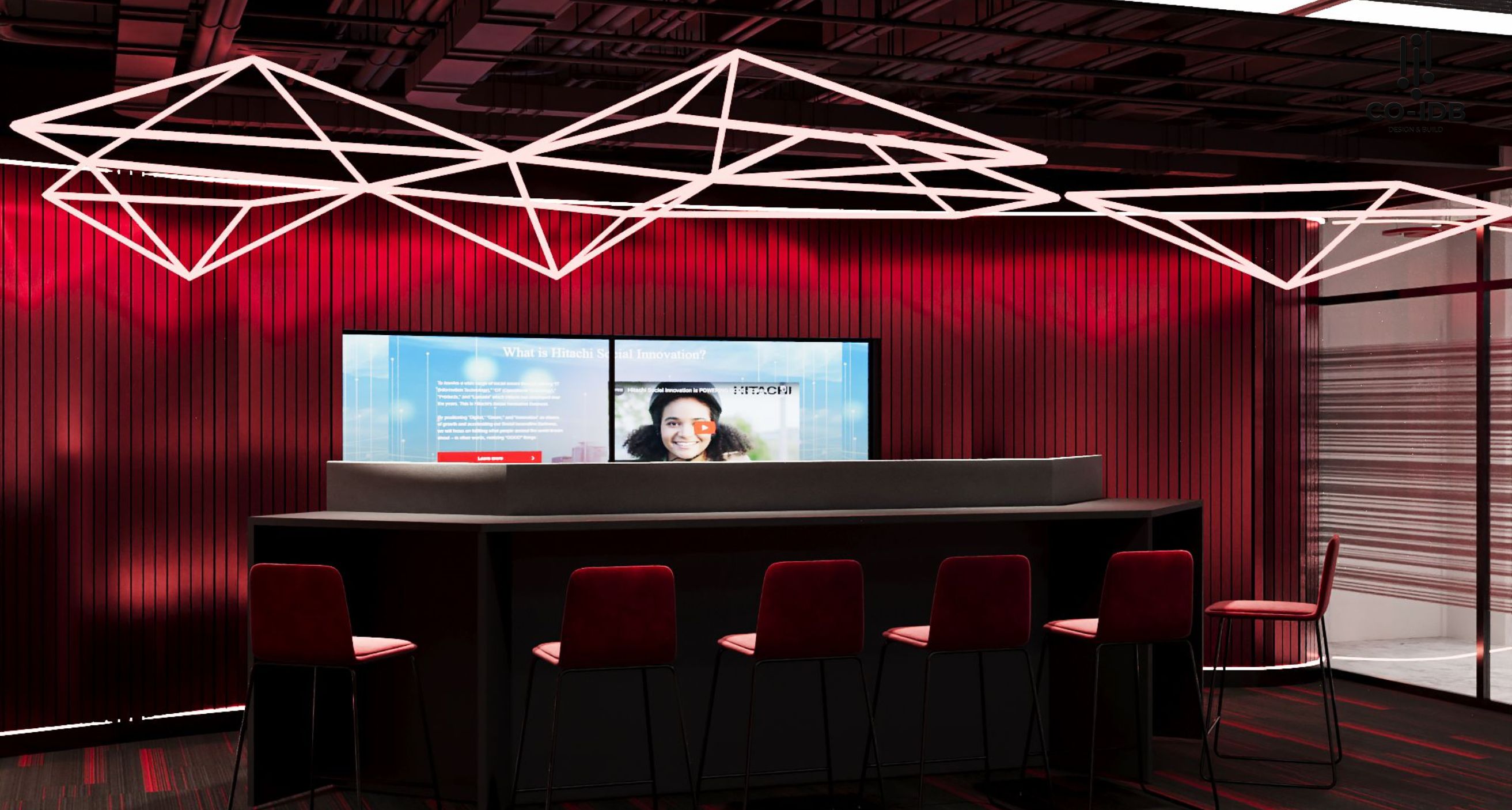
Design spaces with natural elements, soft lighting, and acoustic privacy. For inspiration, explore our well-being focused projects like Hitachi Digital Services.
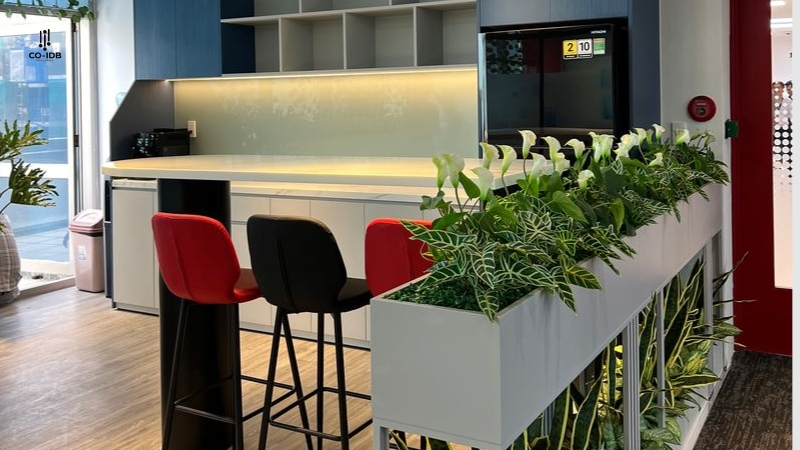
By implementing these principles, organizations can build a workplace that fosters creativity, well-being, and sustainable growth. Contact Co-IDB to transform your office into an ergonomic powerhouse.
>>> See more: