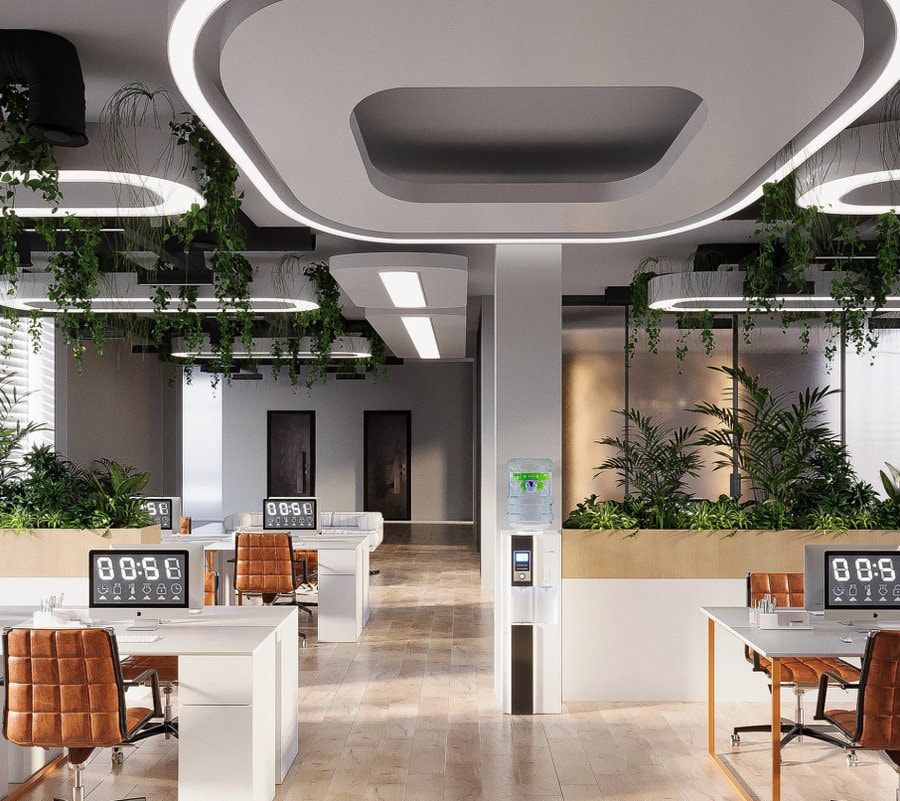
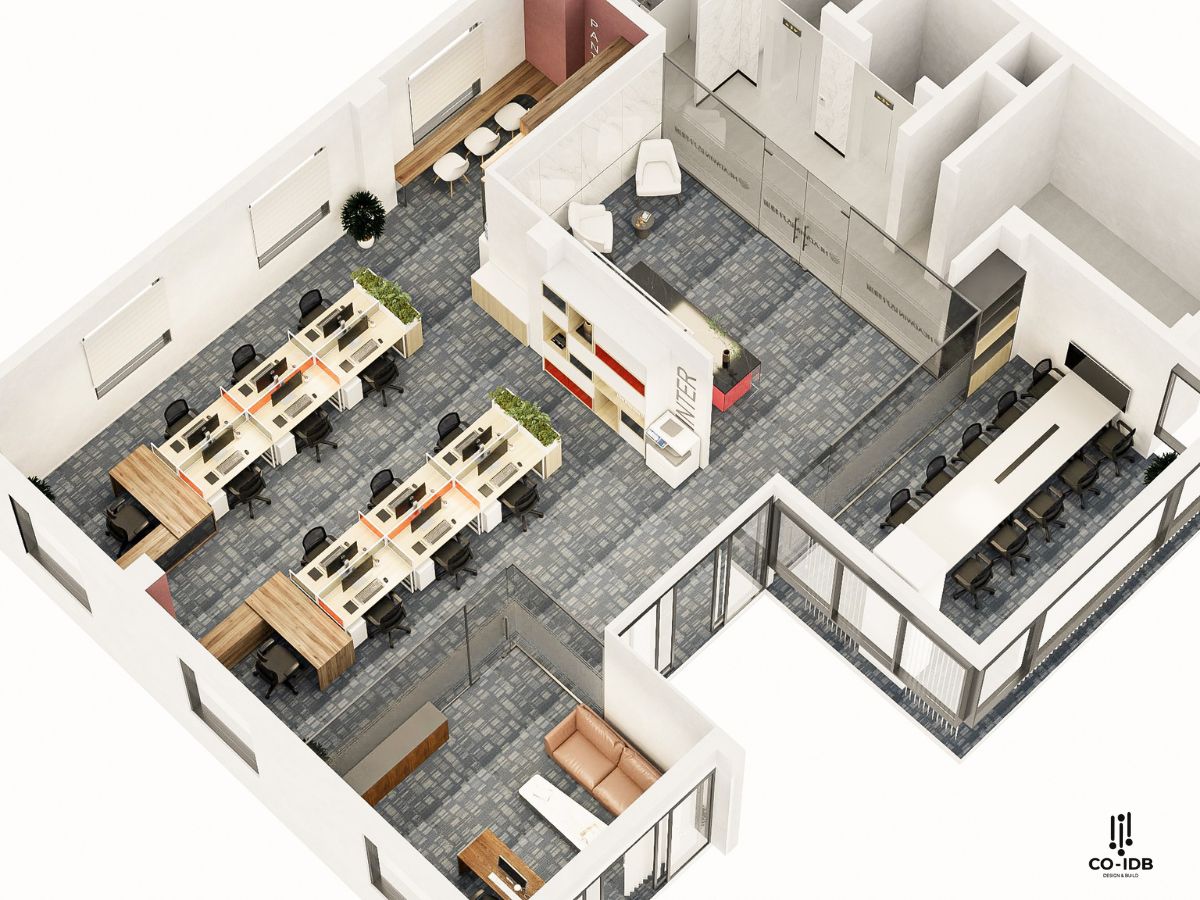
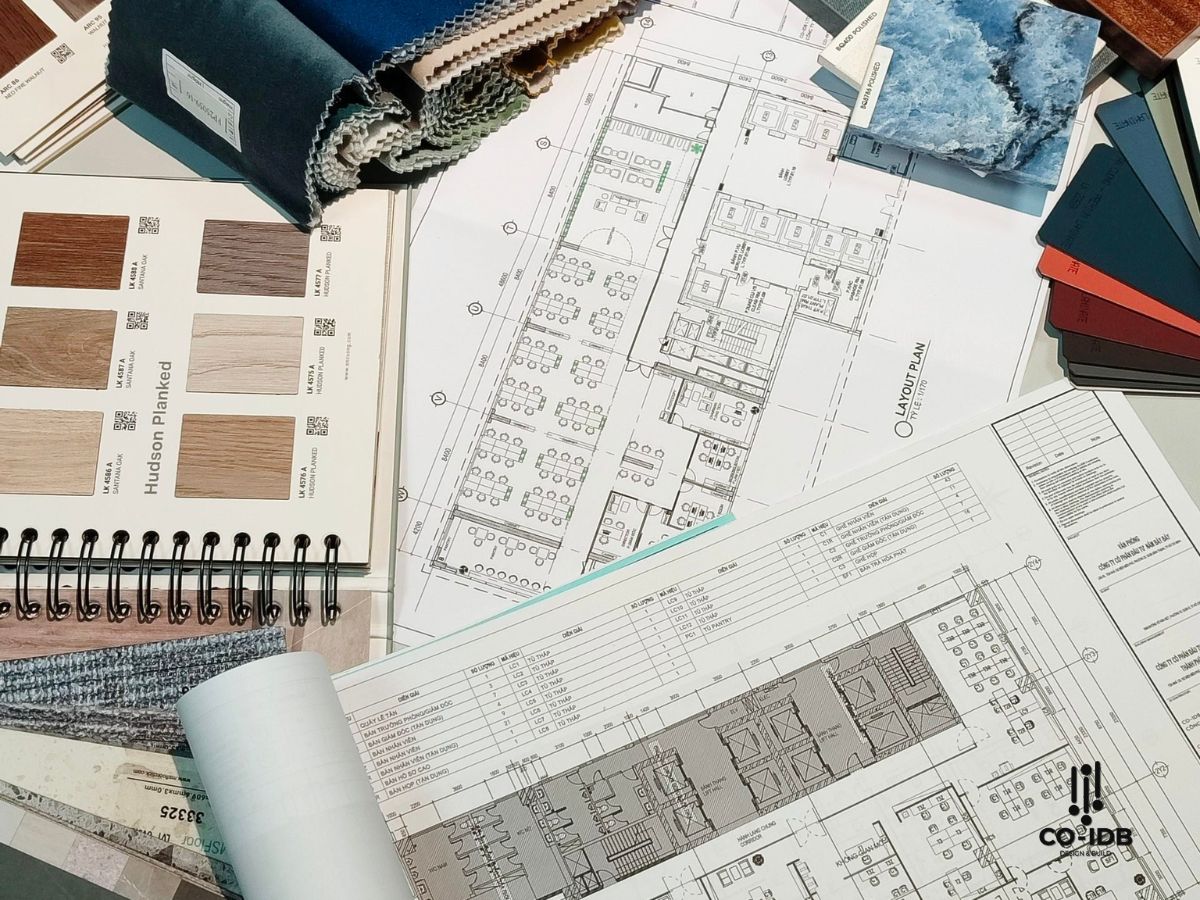
Energy-efficient and sustainable design focuses on reducing the carbon footprint within office spaces. To achieve this, it is essential to select sustainable materials and apply methods for reusing and recycling equipment and furniture. Simultaneously, managing and controlling energy consumption is crucial to minimizing environmental impact. Join Co-IDB as we dive deeper into this innovative topic in the article below!
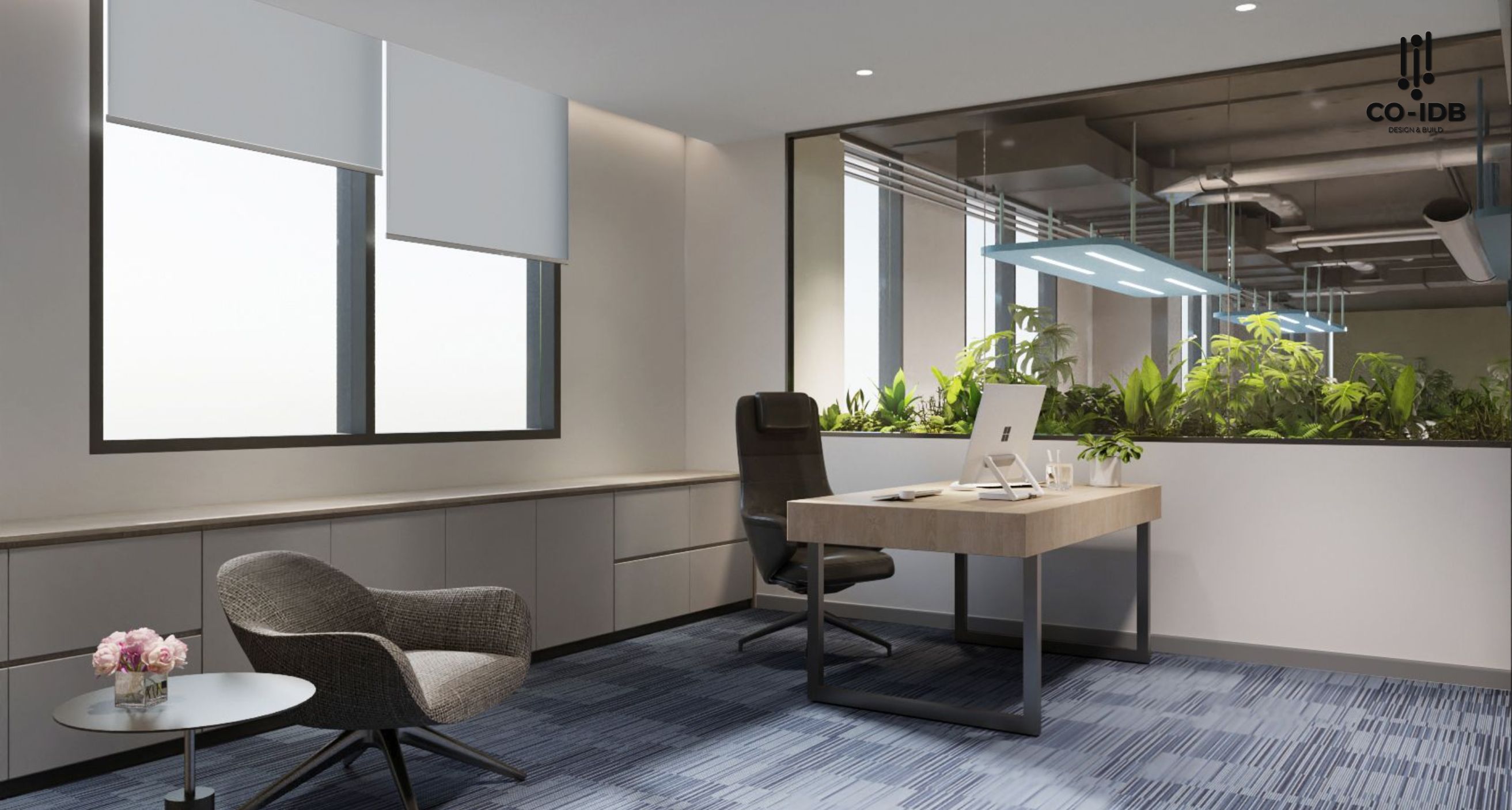
What is Energy-Efficient and Sustainable Office Design?
While perspectives on sustainable development vary, according to the United Nations World Commission on Environment and Development (WCED), it is defined as: “Development that meets the needs of the present without compromising the ability of future generations to meet their own needs.” In energy-efficient and sustainable design, the priority is creating a healthy and productive working environment.
Regarding environmental factors, this includes designing efficient lighting systems, utilizing natural light, managing waste, and ensuring high air quality. It also involves using eco-friendly green materials that are biodegradable and non-toxic, while installing standard waste and wastewater treatment systems.
Regarding human factors, office spaces should feature furniture following ergonomic design trends. These support the workflow and connect employees with nature, thereby creating an energetic environment and enhancing work efficiency.
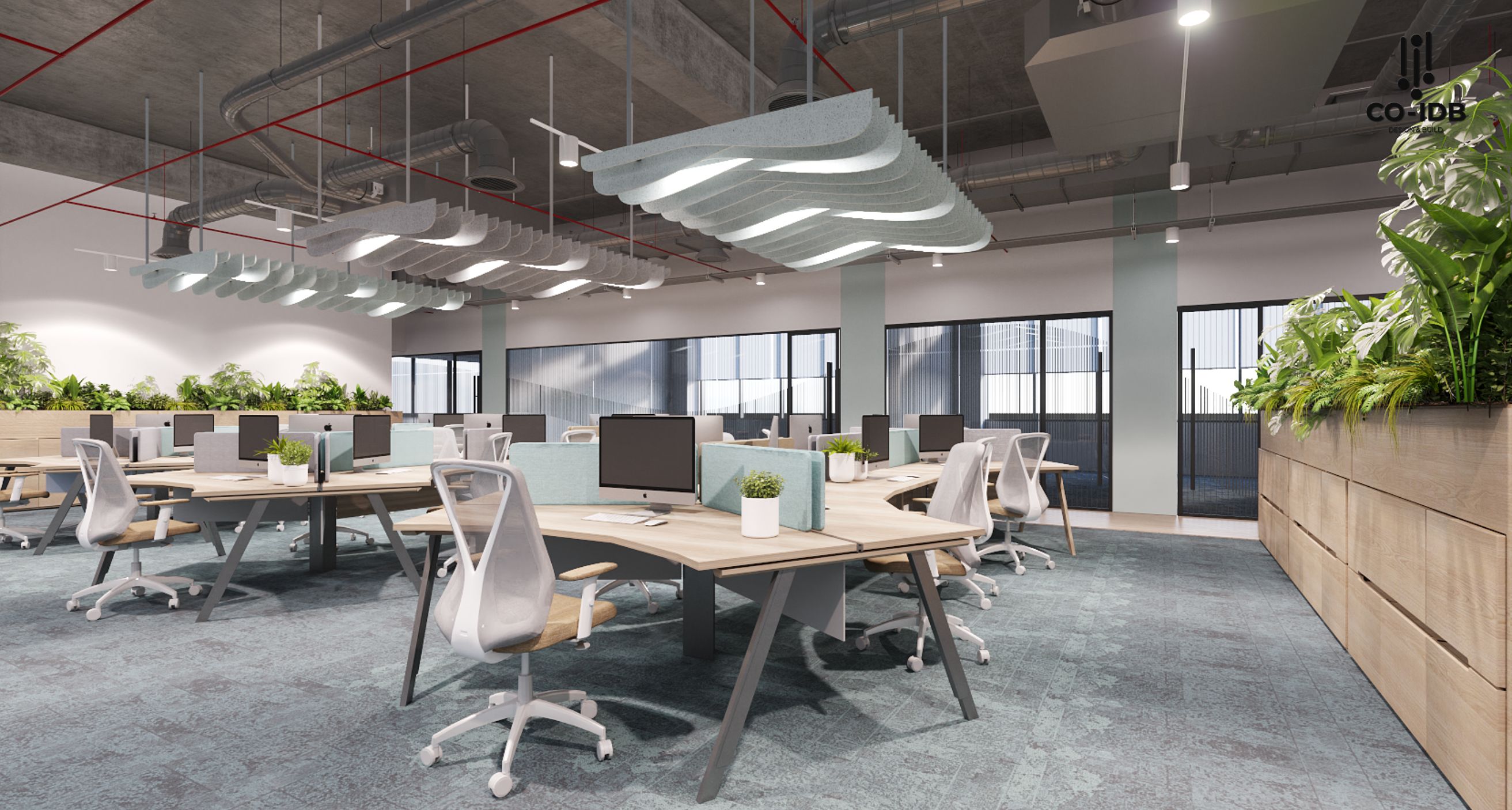
What Makes an Office Sustainable?
To achieve energy-efficient and sustainable design certifications, an office must integrate several vital elements. Here are the key factors:
-
Energy-efficient LED lighting: Reduces electricity consumption and operating costs.
-
Recycled and natural fabrics: Choosing eco-friendly green materials for furniture.
-
Improved air quality: Utilizing efficient ventilation and air filtration systems to maintain fresh air.
-
Eco-friendly materials: Selecting materials with transparent origins and minimal environmental impact.
-
FSC-certified wood: Ensuring wood is sourced from sustainably managed forests.
-
Reusing or refurbishing furniture: Minimizing waste and saving costs.
-
Low-VOC paints: Reducing harmful gas emissions and protecting health.
-
Energy-efficient HVAC systems: Improving the energy efficiency of air conditioning systems.
-
Construction waste sorting: Optimizing disposal and minimizing construction waste.
Crucially, sustainable design is not just about using recycled materials; it is a holistic strategy. It encompasses material selection, project timelines, and construction processes to optimize efficiency and protect the environment, ultimately turning the workplace into a well-being office.
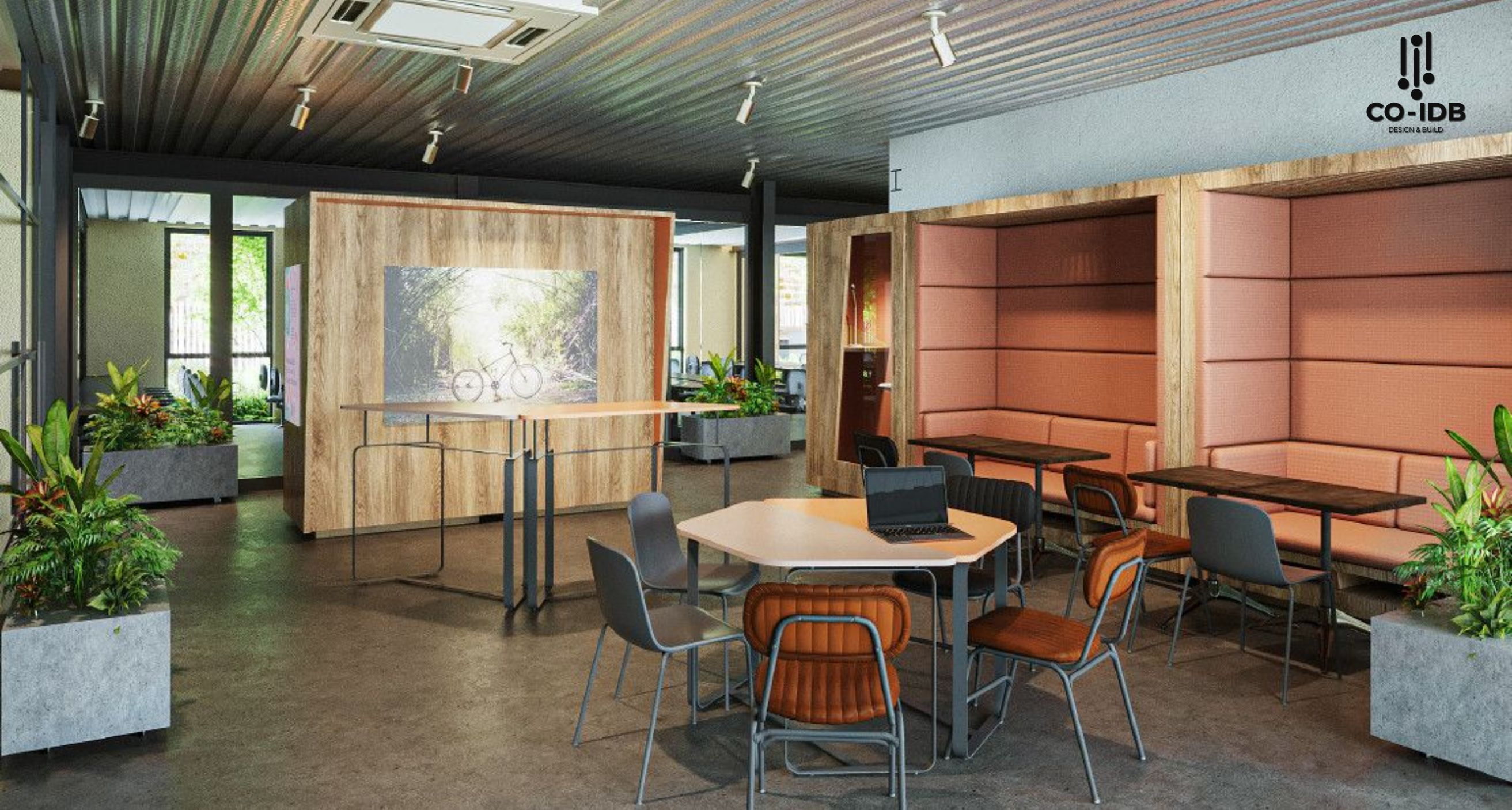
Benefits of Sustainable Green Office Design
Green office design brings significant advantages to the working environment:
-
Healthy Environment: Plants and natural elements purify the air, reduce pollution, and create a fresh workspace.
-
Stress and Fatigue Reduction: The presence of greenery helps lower stress levels, providing a relaxing and pleasant atmosphere during work hours.
-
Enhanced Creativity and Productivity: A green environment stimulates creativity and boosts productivity, making employees feel happier and more comfortable.
-
Energy Savings: Natural light and natural cooling systems minimize energy consumption, reducing operational and maintenance costs.
-
Modern and Friendly Design: A green office is not only modern and creative but also demonstrates friendliness towards both employees and clients.
-
Mental Health Care: Green spaces support the mental health of employees, helping them maintain a positive mood.
Some Green Office Design Ideas
1. Office Design with a Green Roof
This design integrates greenery on the roof along with solar energy systems. Green roofs provide natural shade and improve insulation, reducing the need for air conditioning. Simultaneously, solar systems provide clean electricity, reducing dependence on the grid.
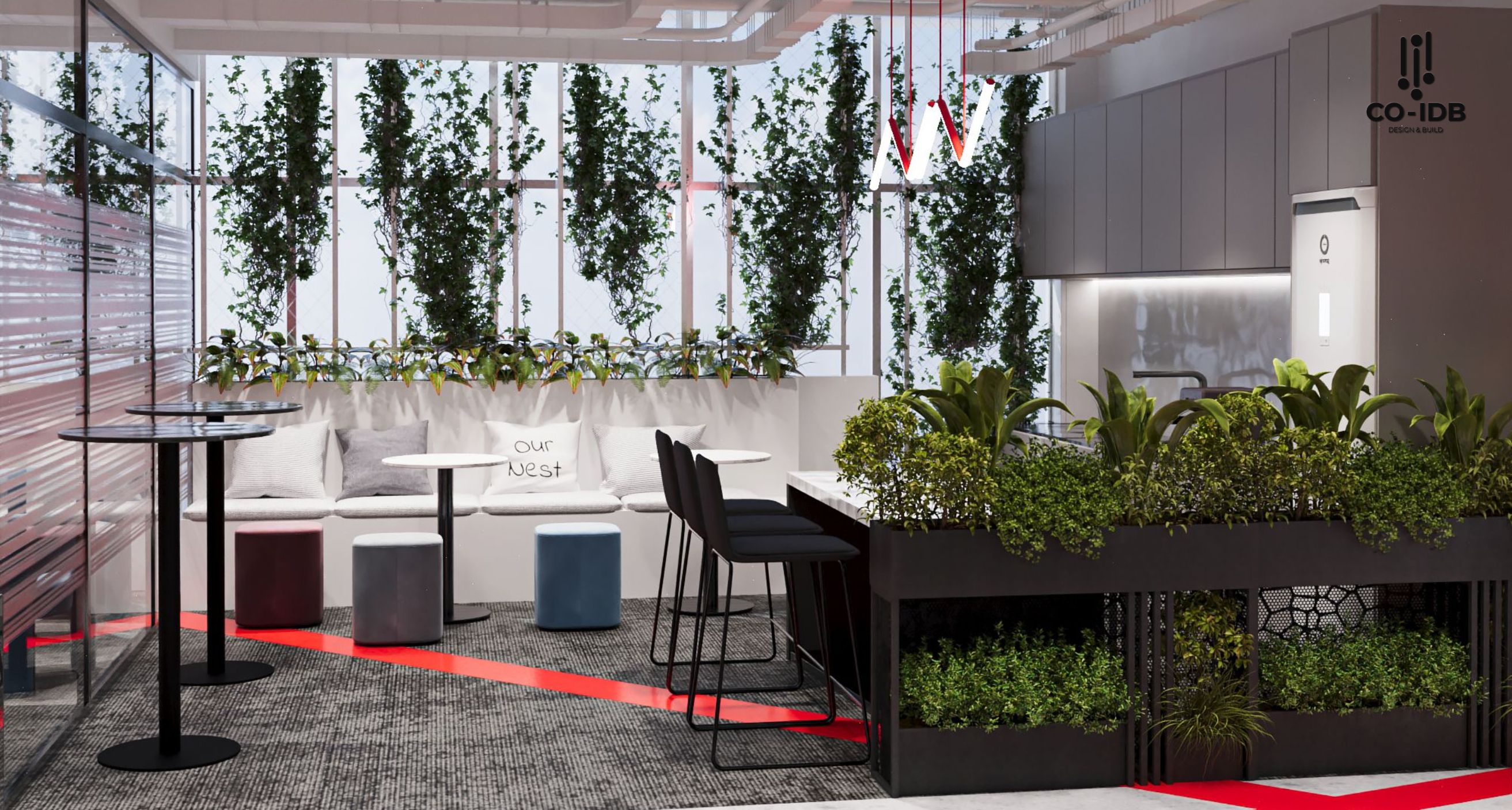
2. Office Design with Green Wall Systems
Green walls enhance insulation and bring nature indoors. Like green roofs, they absorb heat and regulate temperature naturally, easing the load on HVAC systems while improving air quality and employee vigor.
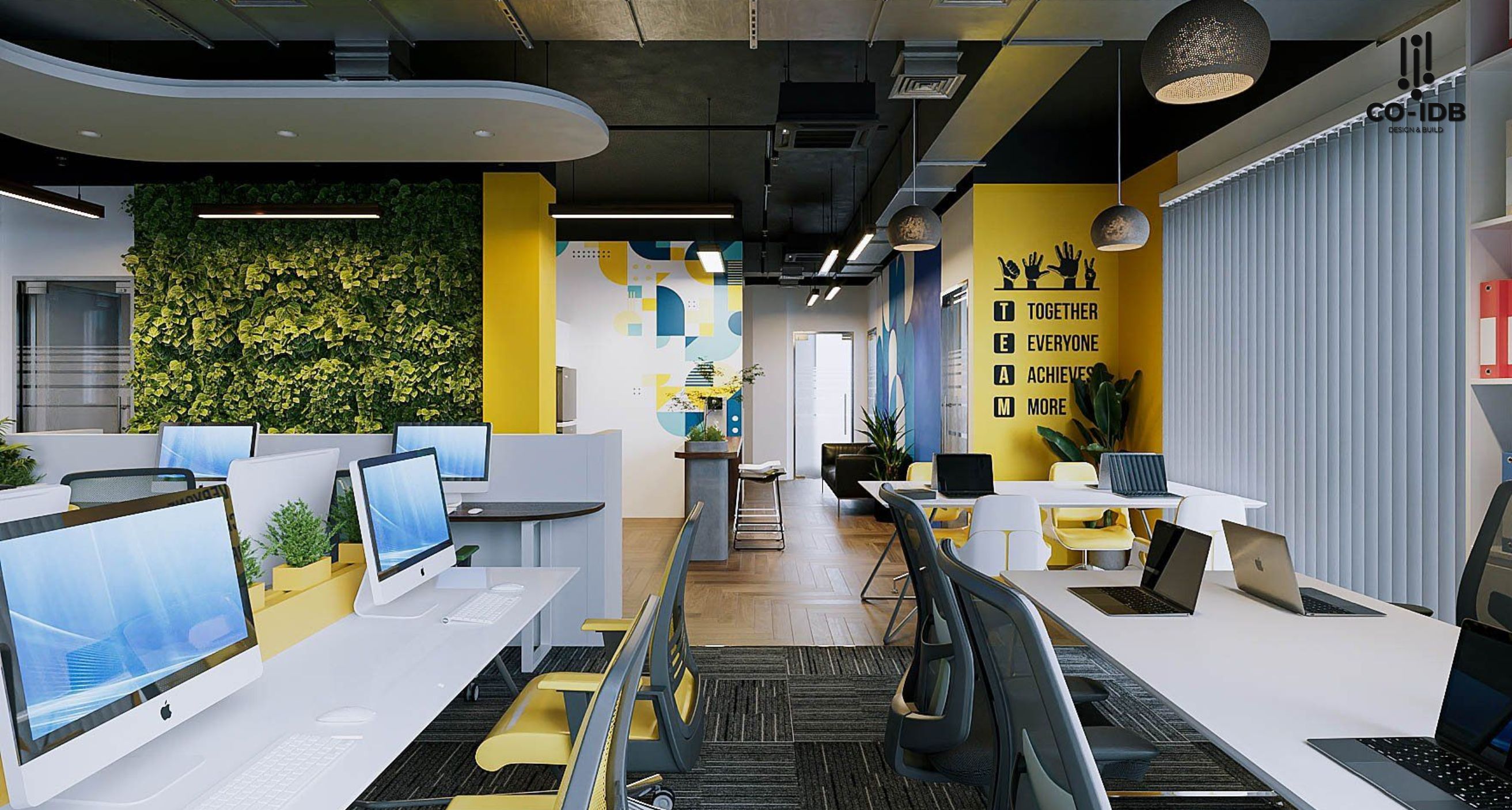
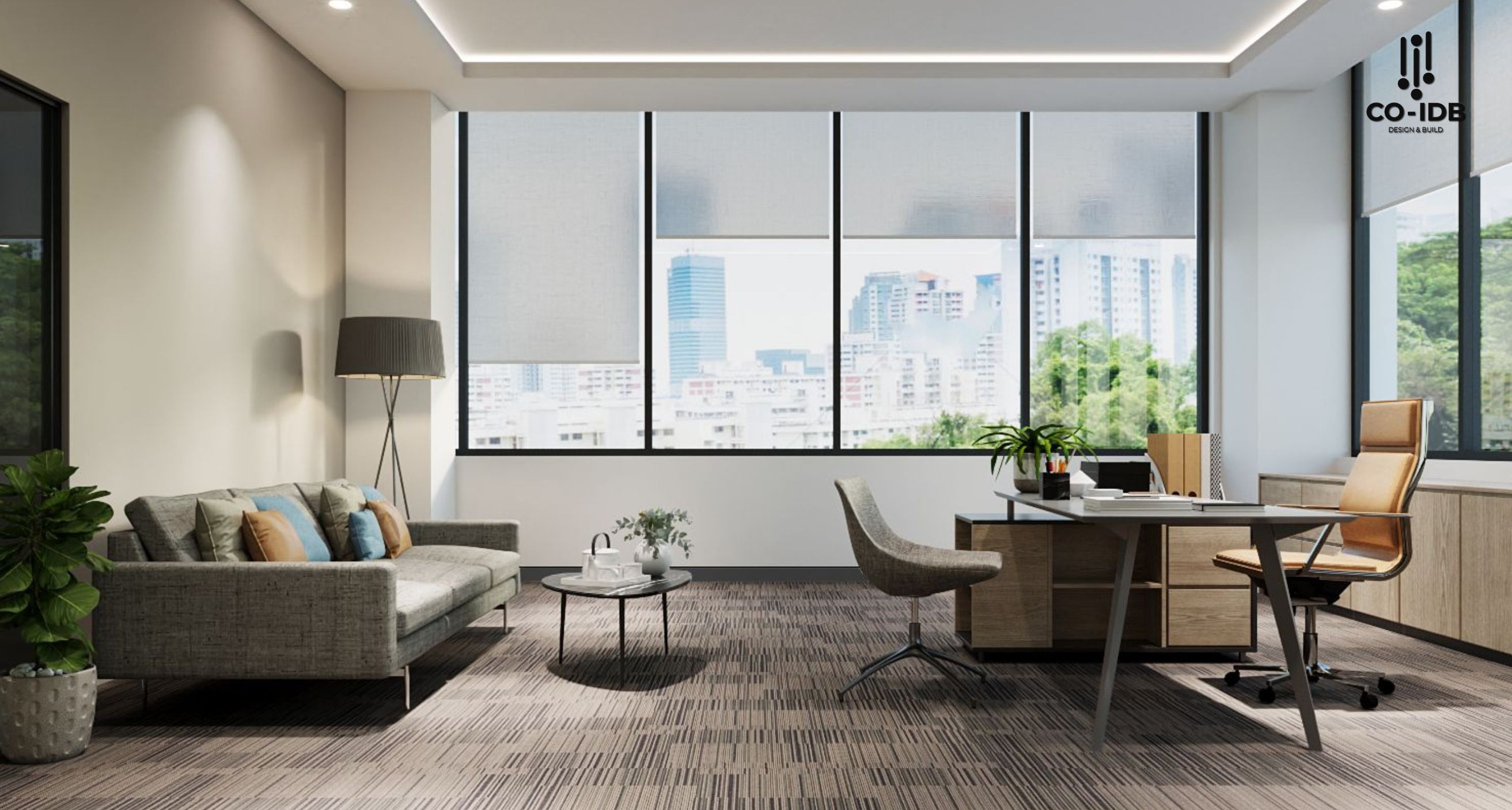
3. Office Design Utilizing Natural Light
This model optimizes natural light by installing large windows and glass partitions. Natural light reduces dependence on artificial lighting, saving electricity. Smart shading systems and UV-resistant materials should be integrated to regulate light and temperature.
4. Office Design with Smart LED Lighting
Smart LED systems optimize lighting by adjusting brightness and color based on needs and ambient conditions. They automatically turn off when spaces are unoccupied, effectively saving energy.

5. Office Design with Sound and Thermal Insulation
Using sound and thermal insulation minimizes external environmental impacts. These materials maintain stable indoor temperatures and reduce noise pollution, creating a quiet and comfortable environment.
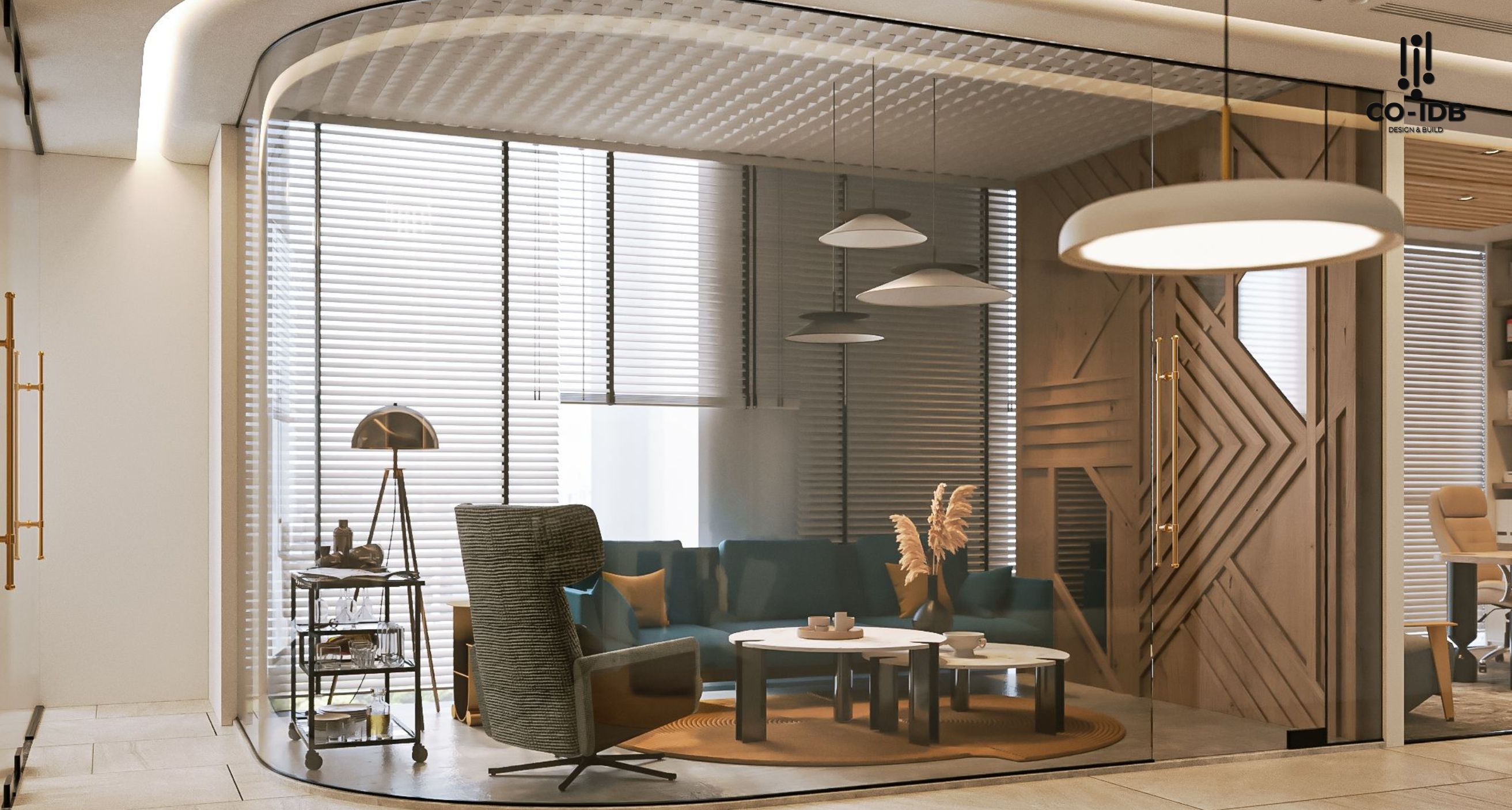
6. Office Design Using Natural Materials
Workspaces following this trend utilize wood furniture and replace traditional closed structures with transparent glass. This not only maximizes natural light but also provides expansive views, creating an open-space feel.
Energy-efficient and sustainable design has become a global trend, helping minimize environmental impacts while creating productive workspaces. If you need more information about office interior design and construction, contact Co-IDB for detailed support.