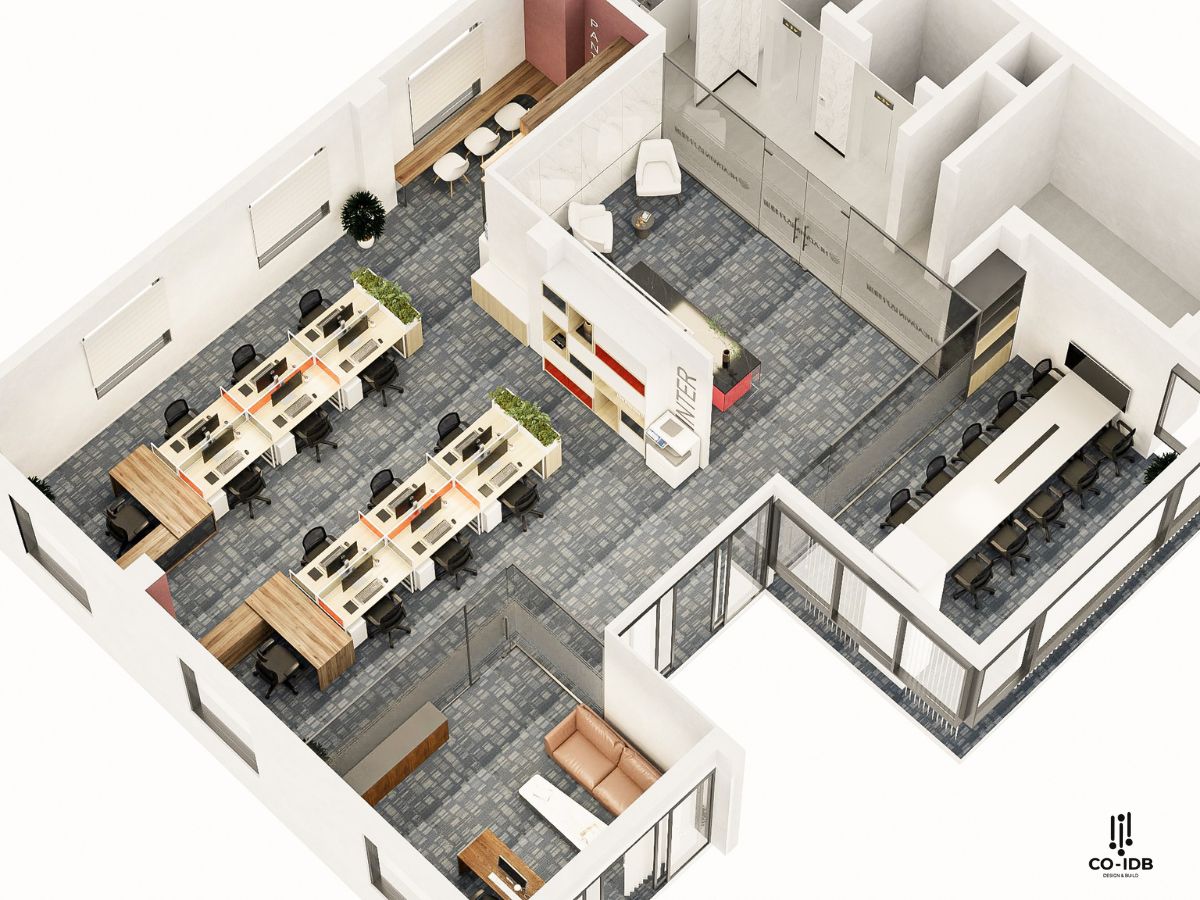
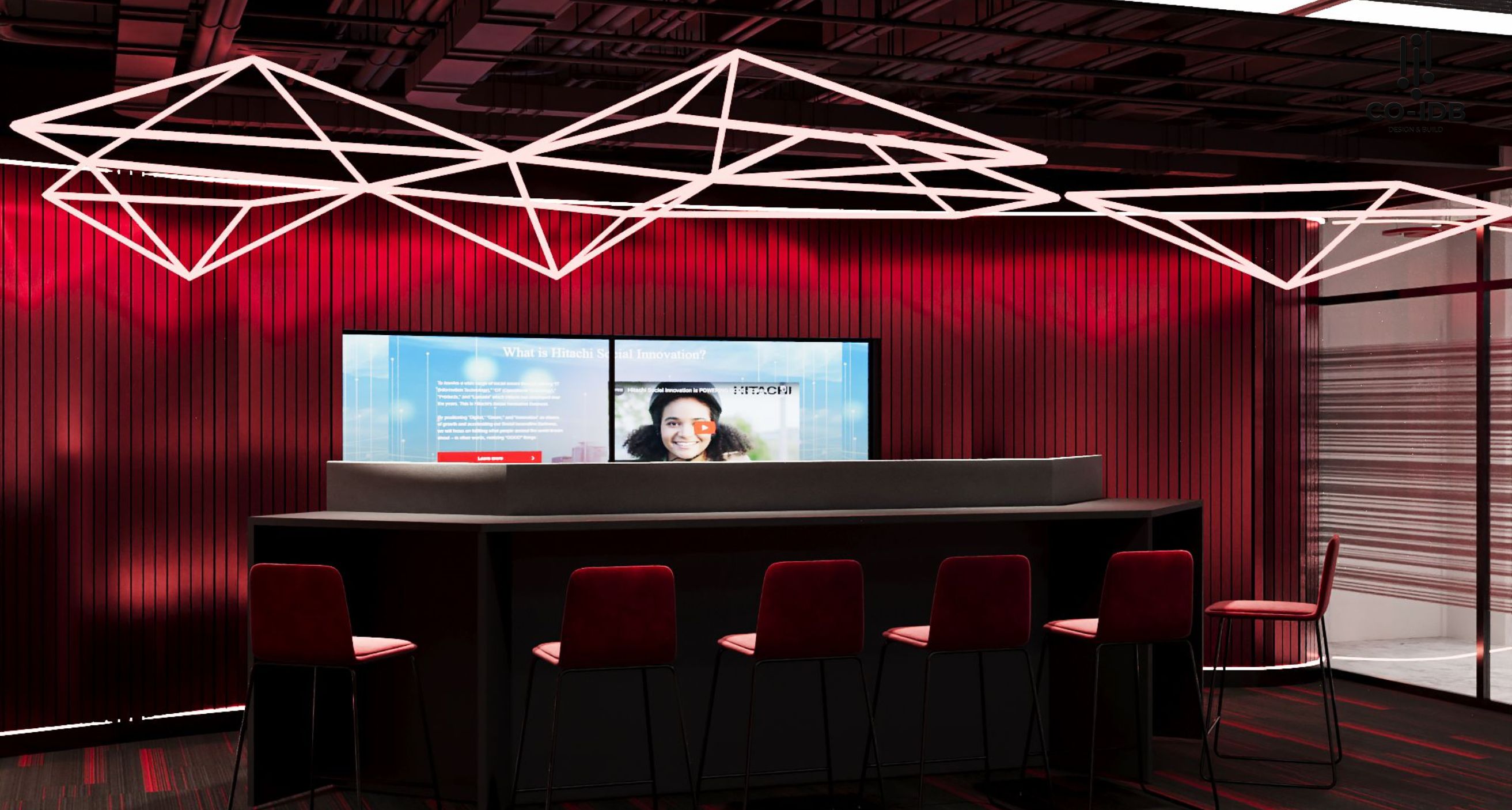
Creative space is where groundbreaking ideas and inspiration begin. Modern enterprises are increasingly investing in innovative workspaces to nurture and motivate their employees. Join Co-IDB as we explore creative office concepts and how to apply them to your workplace today!

What is a Creative Space?
A creative space is a workspace designed to enhance interaction and connectivity between employees during brainstorming sessions, project discussions, and collaborations. Creative environments often feature unique design accents that differentiate them from traditional offices, stimulating innovation and personal inspiration.

Global tech giants like Apple, Microsoft, and Google invest heavily in these spaces. For instance, Google Switzerland uses cable cars as inspiration for meeting rooms, while Microsoft focuses on color psychology and comfort to stimulate creativity at its headquarters in Italy.

>> See more: Office Furniture Layout and Planning
Key Characteristics of a Creative Workspace
Creative spaces aim to create flexible, open, and engaging environments where employees feel free to work and socialize. Key features include:
- Open and Flexible Design: Replacing rigid partitions with open spaces to encourage movement and spontaneous idea exchange.
- Unique Decor and Color Palettes: Utilizing artistic furniture and vibrant colors to spark the imagination.
- Agile Work Zones: Providing a mix of collaborative areas and private focus pods.
- Integrated Technology: Leveraging advanced tech tools to streamline the creative process.
>> See more: Hot Desking: A Flexible Workspace Solution
Core Elements of Creative Office Design
Color Psychology
Colors directly impact mood and creativity. Blue fosters free-thinking; Red generates high energy and excitement; White minimizes distractions for deep focus.
Patterns and Textures
Geometric patterns provide clarity, while organic patterns (floral, foliage) evoke nature. Abstract motifs spark curiosity, and brand-specific patterns reinforce corporate culture within the space.
Lighting Strategies
- Dim Lighting: Enhances imagination and encourages “out-of-the-box” thinking.
- Bright Lighting: Best for analytical tasks and deep cognitive work.
- Natural Light: Reduces eye strain and improves mood, essential for long-term creativity.
Brainstorming Zones
Effective brainstorming areas must be spacious and airy. By limiting partitions, even small office designs can feel expansive and conducive to collective thinking.
Smart Furniture and Tech
- Ergonomic & Flexible Furniture: Adjustable desks and mobile seating that adapt to the task at hand.
- Brainstorming Tools: Integrated whiteboards, smart screens, and digital note-taking surfaces.
- Seamless Connectivity: Advanced hardware to support remote collaboration and rapid project deployment.

Top Creative Office Design Models
- Flexible Open Plan: Maximizes inter-employee interaction and spontaneous collaboration.
- Industrial Style: Uses raw materials like metal, wood, and concrete to create a bold, “startup-vibe” atmosphere.
- Biophilic Office: Integrates greenery and natural elements to keep the workspace fresh and inspiring.
- Minimalist Creativity: Focuses on clean lines and modern aesthetics to eliminate mental clutter.
- Agile Coworking: Encourages cross-departmental exchange through shared hubs.
- Vibrant & Bold: Uses high-contrast colors (Orange, Teal, Yellow) to pump energy into the team.
- Art-Infused Spaces: Features murals and abstract art to keep the creative “muscle” active.
- Pantry-Creative Hybrid: Blends pantry zones with work areas for casual “recharge and brainstorm” moments.
A creative space does more than just inspire—it builds a strong internal culture. Contact Co-IDB today for professional consultation on transforming your office into a hub of innovation.
>> See more: