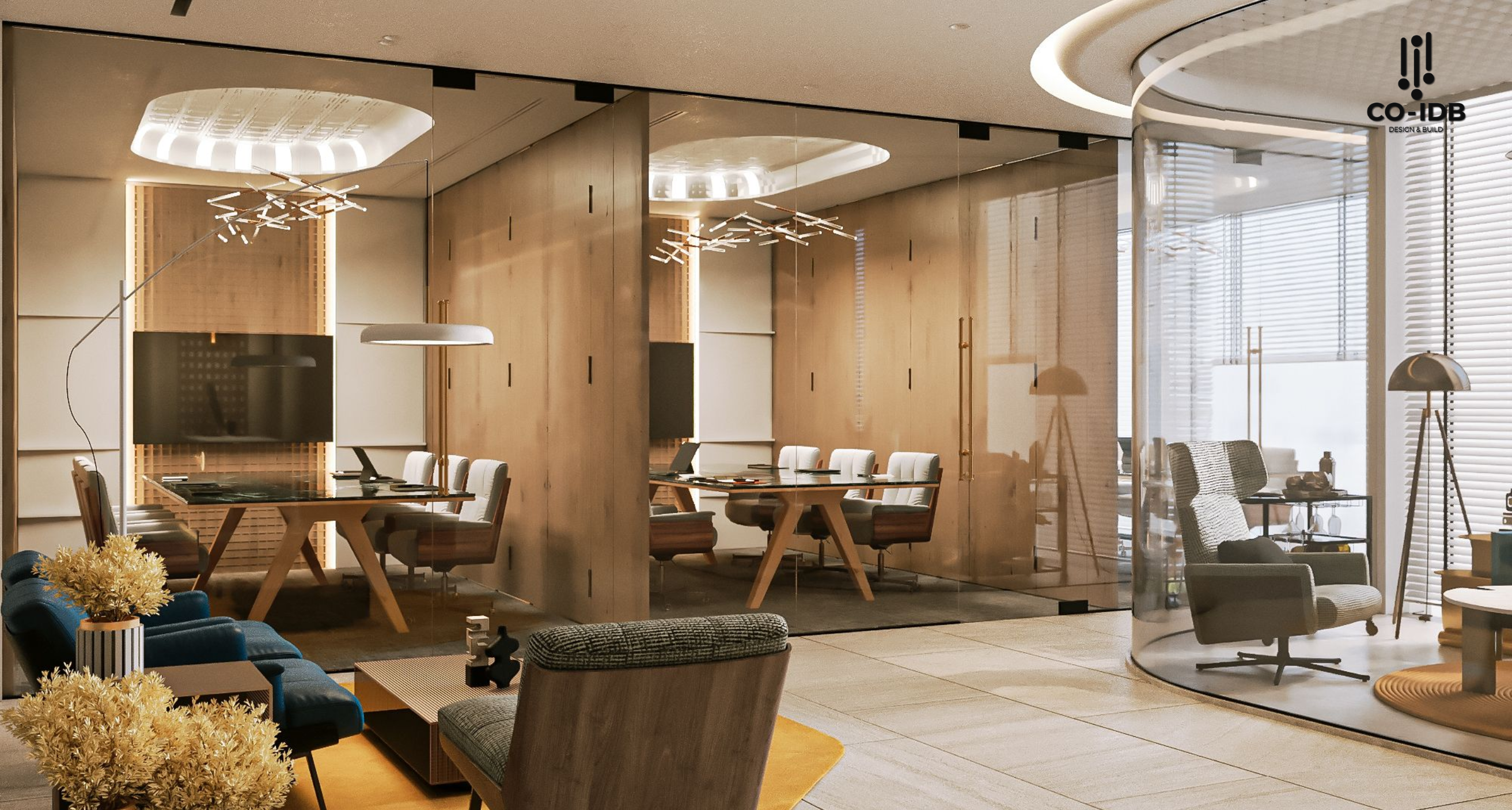
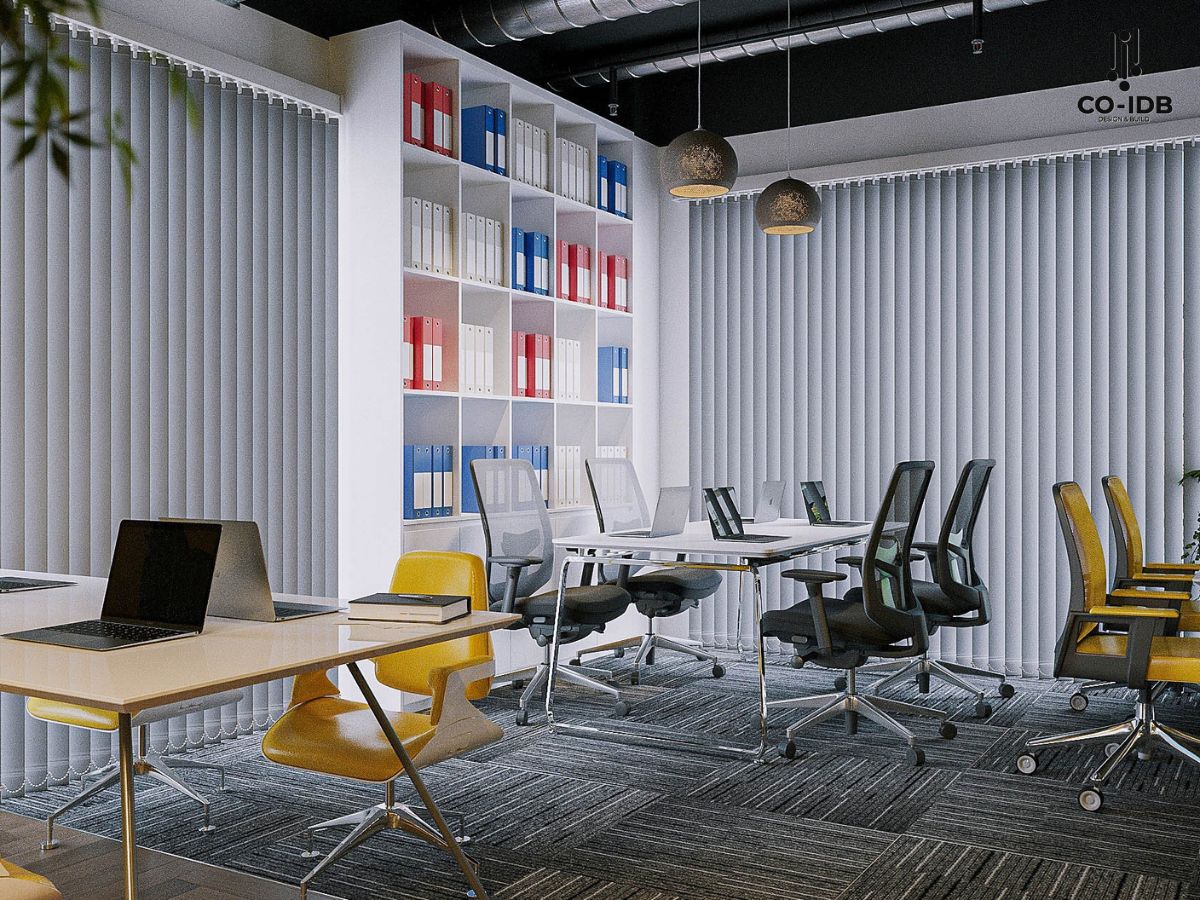
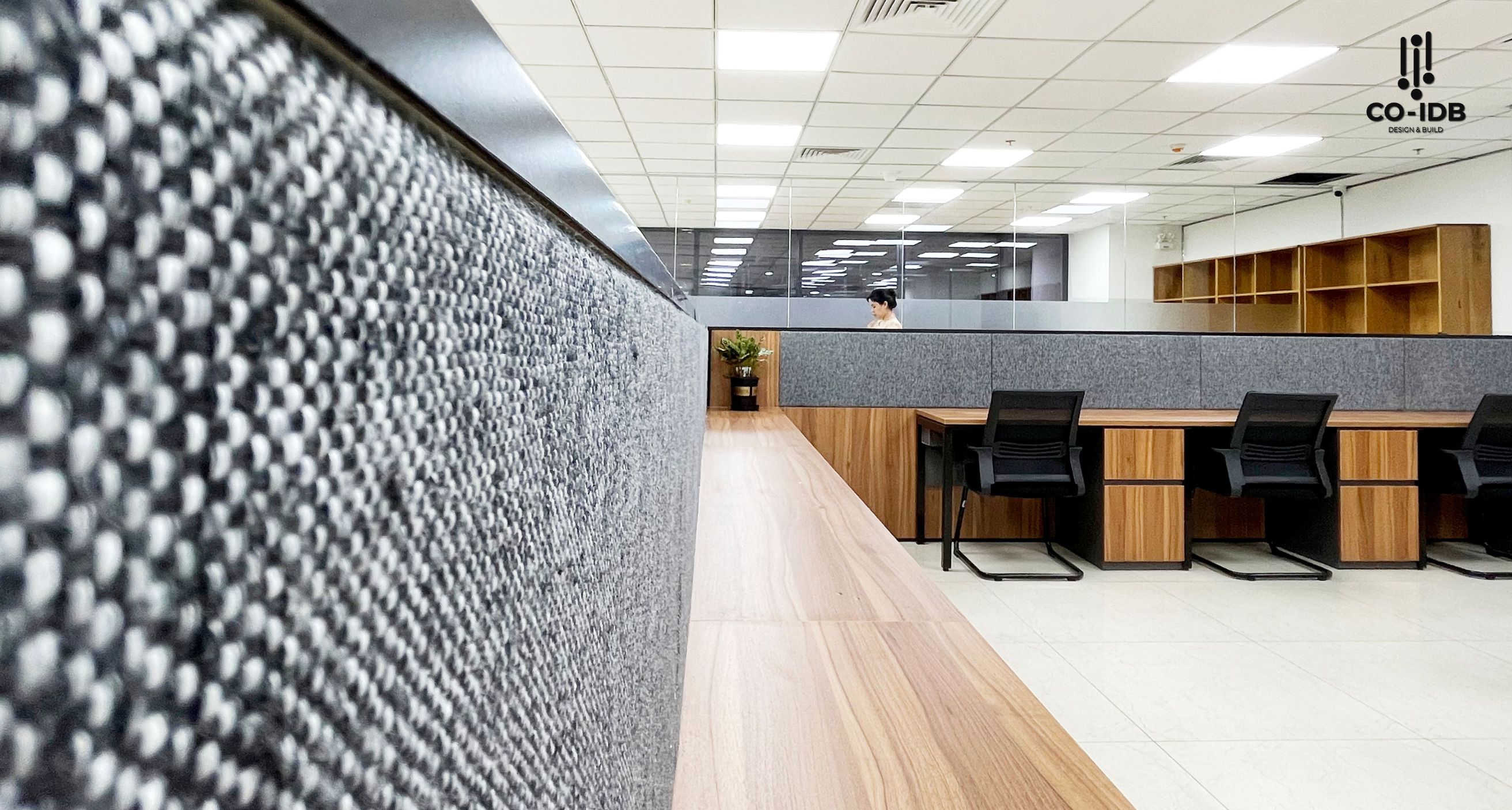
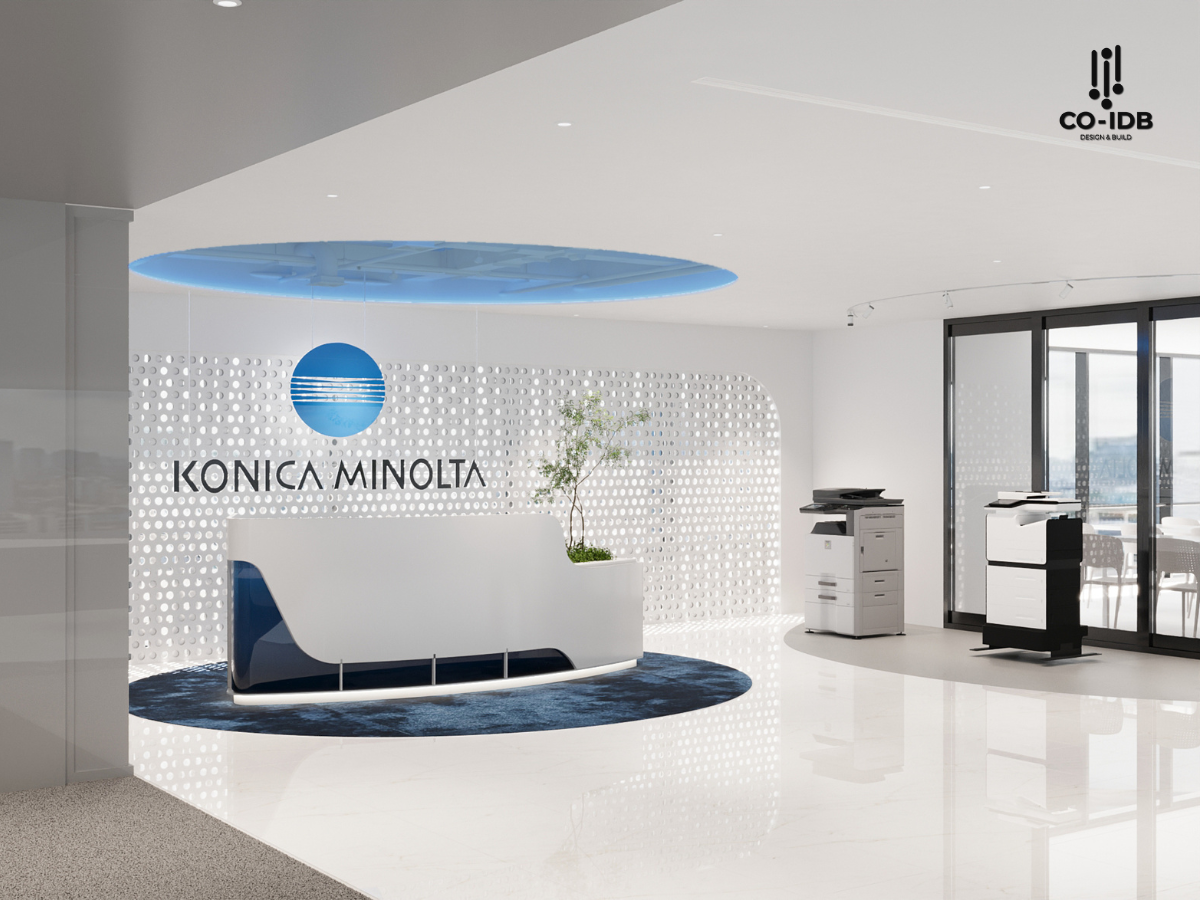
Wooden furniture is always a top choice in office design, creating an efficient and environmentally friendly workspace. Using suitable wooden furniture, combined with proper maintenance and care, helps ensure durability, aesthetics, and convenience for the office. To learn more about wooden furniture, let’s explore with Co-IDB through the article below.
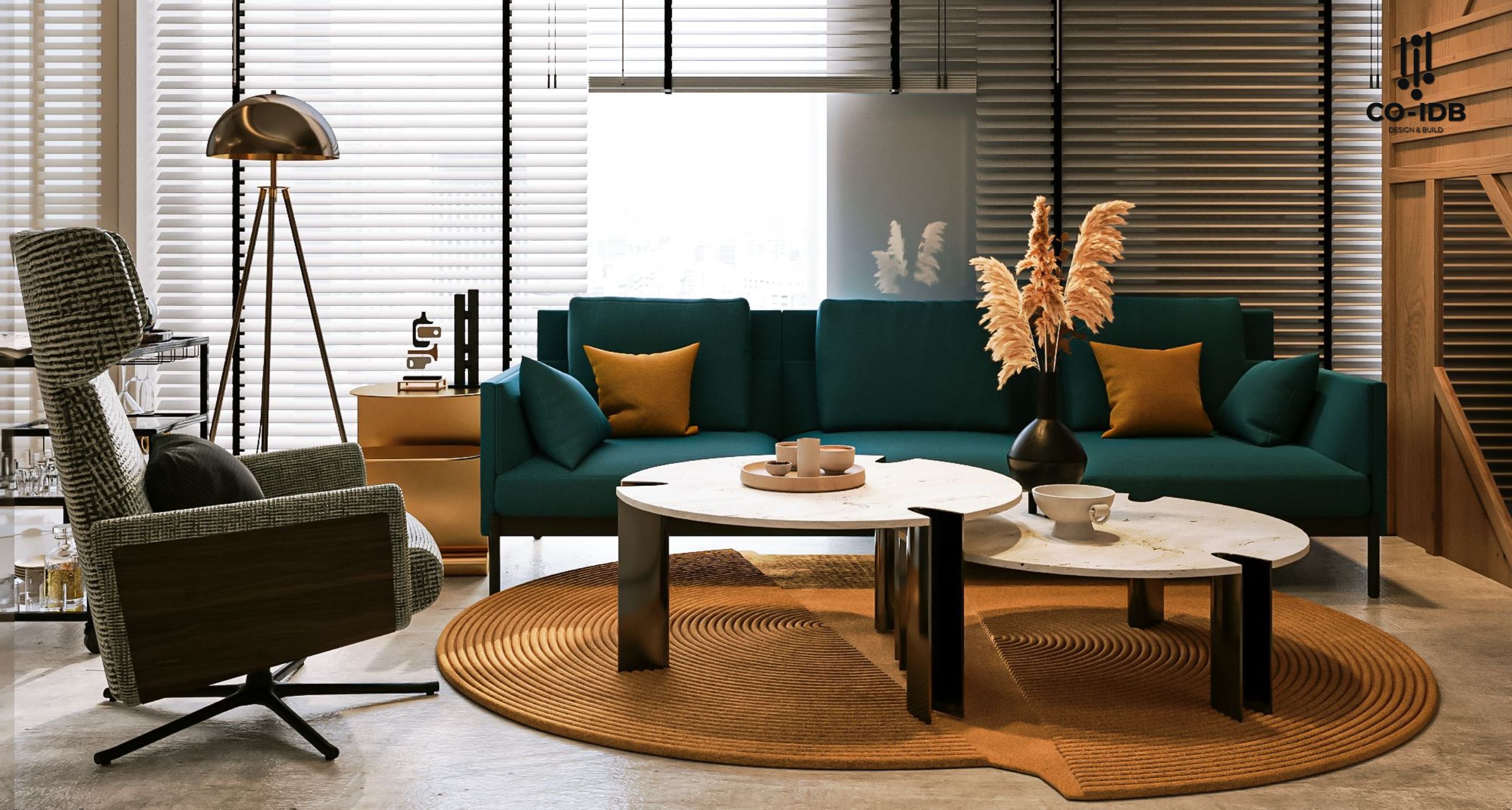
Advantages of Wooden Furniture
High Durability
Natural wooden furniture stands out for its high durability and longevity, a great solution among a variety of office interior materials. Nowadays, products made from industrial wood have also been improved to be more durable and sturdy.
Easy to Clean
If wooden furniture gets old, businesses can refresh them by applying an extra layer of paint or varnish, or simply polishing them again. Additionally, cleaning wooden items is very easy and does not require much effort or cost. Stains on wooden furniture can be easily removed without the need for special chemicals.
Diverse Designs
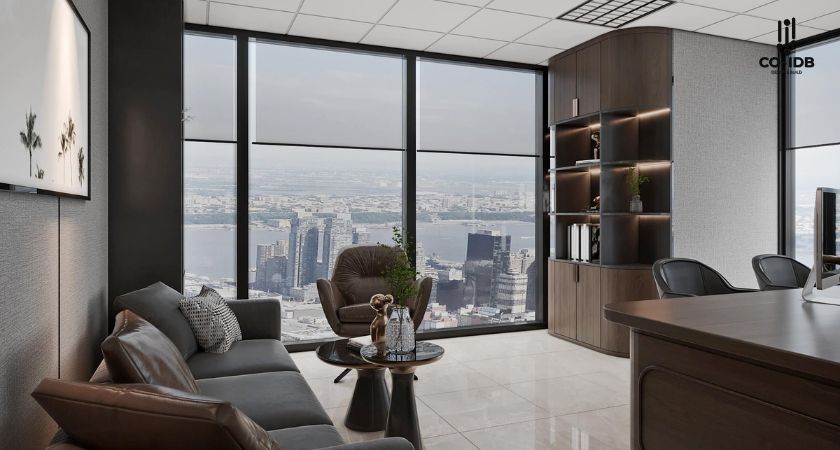
Diversity is one of the strengths of wooden furniture. This material allows for the creation of various styles and sizes, helping to decorate the office in many different styles. Based on budget, needs, and personal preferences, businesses can choose from high-grade natural woods such as oak, pine, ash, walnut, rosewood, to industrial woods at affordable prices.
Types of Wood in Office Interior Design
Natural Wood Furniture
Natural wood is wood harvested from natural forests or plantations, intended for wood, resin, essential oils, or fruit. Natural wood is used in furniture production without going through the stage of processing into other raw materials. Furniture made from natural wood stands out for its durability and natural beauty, making this type of wood highly favored in the interior industry, despite its higher price compared to industrial wood or other materials like metal furniture.
A prominent feature of natural wood is its unique grain and diverse colors. Differences in nutrition and minerals in the soil in various geographical areas create differences in the growth process of the wood, making each type of natural wood have distinct colors and grains. Even within the same area, differences still exist, giving furniture made from natural wood a unique beauty.
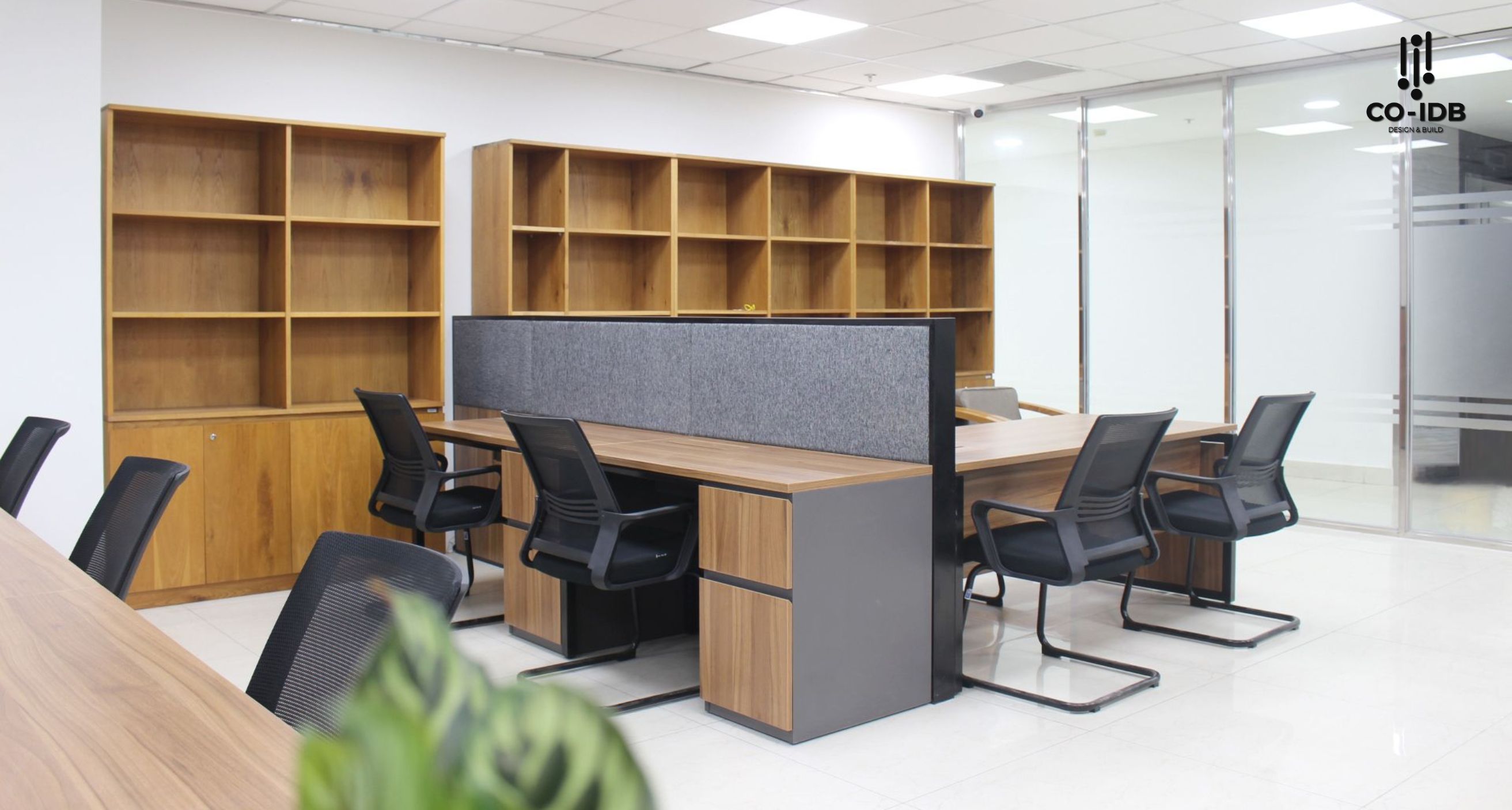
Industrial Wood Furniture
HDF Industrial Wood Furniture
HDF wood is a type of industrial wood board with a denser fiber composition than MDF, offering higher quality and therefore a slightly higher price.
-
Origin: Manufactured from regular natural wood fibers.
-
Composition: Finely ground wood fibers are bonded with phenol glue, creating a solid connection under high pressure ($850 – 870\ \text{kg/cm}^2$) and high temperature ($1000 – 2000$ degrees C).
-
Characteristics: HDF wood is notable for its good water resistance, fire resistance, and sound insulation. During the manufacturing process, the wood is treated and kiln-dried to resist termites, has beautiful wood grains similar to natural wood, and is cheaper than solid wood. HDF wood does not warp or shrink, making it a popular choice for many current construction projects as a substitute for natural wood.
HDF wood leads industrial wood types with quality nearly equivalent to natural wood, suitable for high-quality office projects. HDF wood is suitable for most furniture items in the office, from desks, office cabinets, floors, to doors. However, in terms of cost, HDF wood may not be the optimal choice for businesses compared to MDF or MFC wood lines, due to its clearly higher cost.
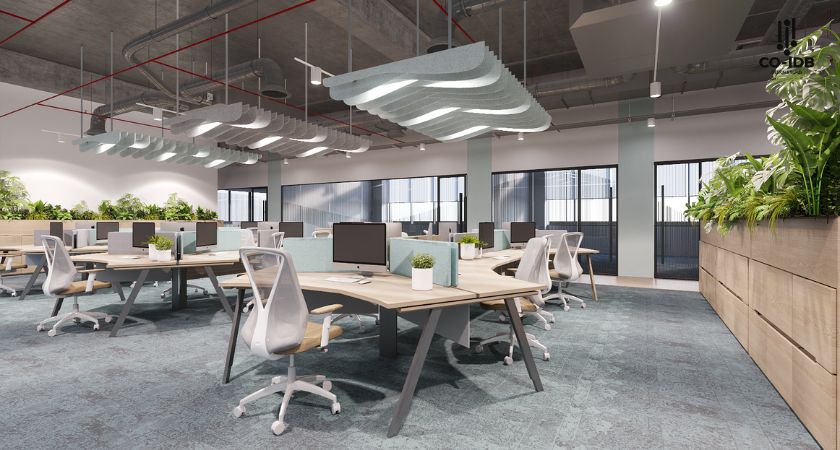
MDF Industrial Wood Furniture
MDF (Medium Density Fiberboard) industrial wood is made from wood fibers bonded together with glue, heat, and pressure. Currently, there are two main types of MDF on the market: plain MDF and moisture-resistant MDF.
-
Plain MDF: Coated with PU paint to create a smooth and aesthetic surface.
-
Moisture-Resistant MDF: During the manufacturing process, the wood is coated with water-resistant glue to enhance its moisture resistance.
Characteristics of MDF industrial wood:
-
Origin: Made from wood chips and components from tree branches and twigs.
-
Composition: MDF wood is formed from finely ground wood fiber pulp, combined with adhesive glue, paraffin wax, anti-termite (mold) agents, and inorganic powder.
-
Properties: MDF is easy to process, can be molded into various designs, and is easy to paint. The wood does not shrink or crack, with a fine wood core. Although the wood fiber density is medium, MDF is quite soft and has low load-bearing capacity.
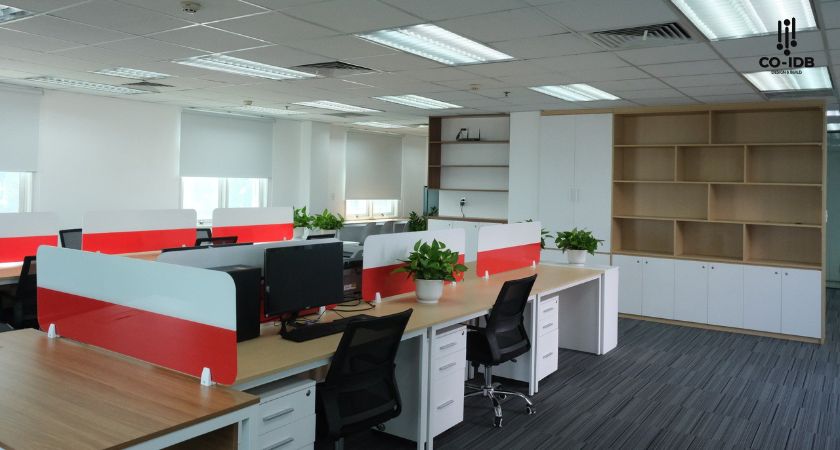
MFC Wood Furniture
MFC (Melamine Faced Chipboard) wooden furniture is a type of industrial wood made from particleboard core, covered with a melamine layer on the surface. This is a popular choice in office interior design due to the following outstanding characteristics:
-
Composition: MFC wood is created from small wood chips bonded together with glue under high pressure. The surface of the particleboard is covered with a melamine layer, which enhances durability and aesthetics.
-
Durability: MFC has good scratch and impact resistance, making it suitable for high-traffic areas.
-
Diversity in Color and Pattern: The melamine surface offers many choices in colors and patterns, from natural tones to modern designs, making it easy to coordinate with different interior styles.
-
Reasonable Cost: Compared to other industrial woods like MDF or HDF, MFC wood is often more affordable, making it a cost-effective choice for many interior projects.
-
Easy Maintenance: The melamine surface is easy to clean and does not require complex maintenance.
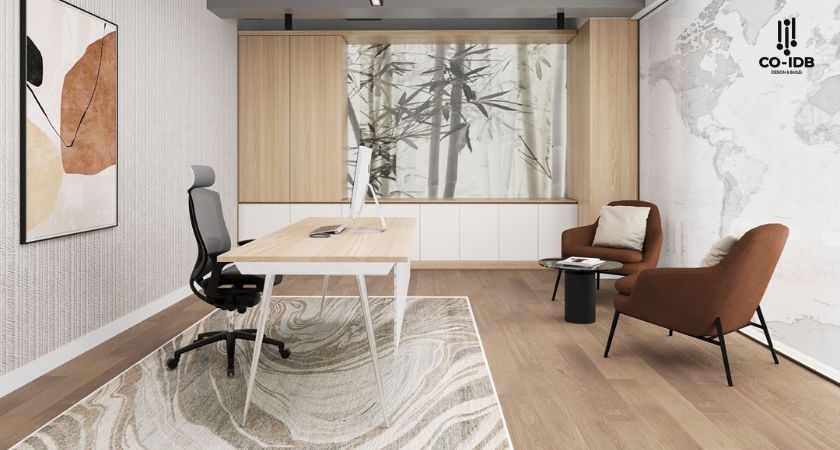
MFC wood is often used in the design and production of office furniture such as desks, storage cabinets, and bookshelves. It also is favored in office spaces that require high aesthetics while maintaining a reasonable budget.
Plywood Furniture
Plywood, also known as industrial wood, is essentially the same type of material. When referring to products like plywood desks or office plywood tables, they generally refer to products manufactured from industrial wood.
Industrial wood is produced from fast-growing wood species such as eucalyptus, rubber, or acacia. The manufacturing process involves chopping or grinding the wood pulp into fine powder, then combining it with specialized glues and pressing it into wood panels of various sizes.
Veneer Wood Furniture
Veneer, also known as wood slices, are thin sheets cut from natural wood, with a thickness usually ranging from $0.3\ \text{mm}$ to $0.6\ \text{mm}$ and generally not exceeding $3\ \text{mm}$ ($1/8$ inch).
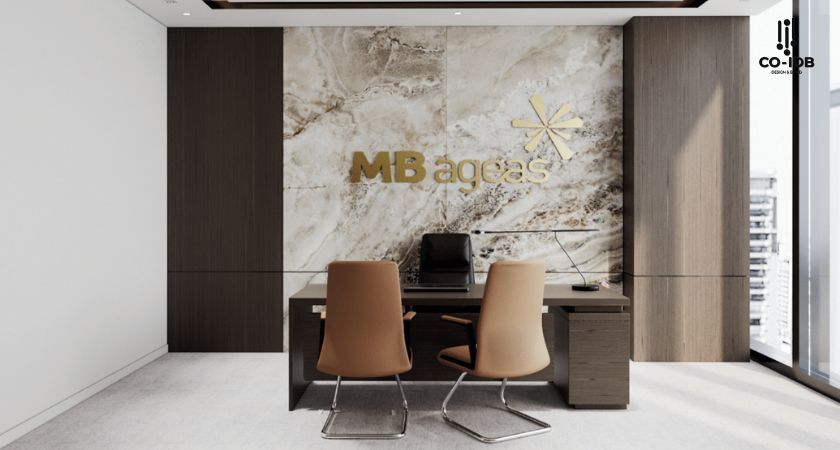
In Vietnam, veneer is widely applied in the production of furniture and flooring. Veneer sheets are often glued onto the surfaces of industrial wood boards such as MDF, MFC, Plywood, blockboard, low-grade wood, and particleboard to create a beautiful and durable surface.
Laminate Wood Furniture
Laminate wood is a type of building material made from natural or recycled wood, with the surface covered by a layer of melamine resin. The pressing and resin coating process helps protect the wood from mold, termites, and scratches. Laminate wood is widely applied in the production of office furniture and flooring due to its superior advantages.
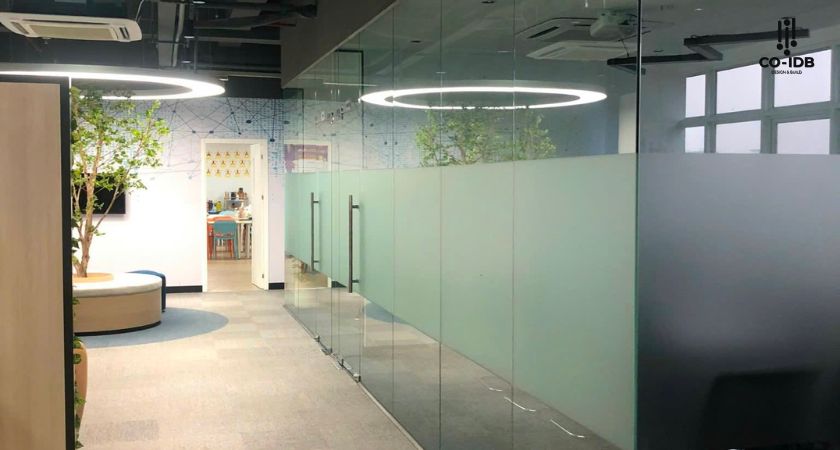
The wood material is light, easy to install, and quick to maintain, making Laminate wood a top choice, especially for framing partitions for glass office interior partitions.
How to Maintain and Care for Wooden Furniture
To keep wooden furniture durable and extend its lifespan, proper maintenance and care are extremely important. Below are some effective methods:
-
Regular Cleaning: Use a soft, damp cloth to wipe away dust and stains. Avoid using harsh detergents that can damage the wood surface.
-
Avoid Direct Sunlight: Place wooden furniture away from direct sunlight to prevent fading and cracking.
-
Control Humidity: Keep the room’s humidity at a stable level (around 40-60%) to prevent the wood from shrinking or expanding. Avoid placing wooden furniture near heat sources such as radiators, heaters, or air conditioners.
-
Regular Polishing: Use suitable wood polish products to protect and keep the wood surface shiny and beautiful. Regular polishing also helps refresh the surface, covering small scratches.
-
Check for Termites: Regularly check for signs of termites and take timely preventive or treatment measures using specialized termite control products.
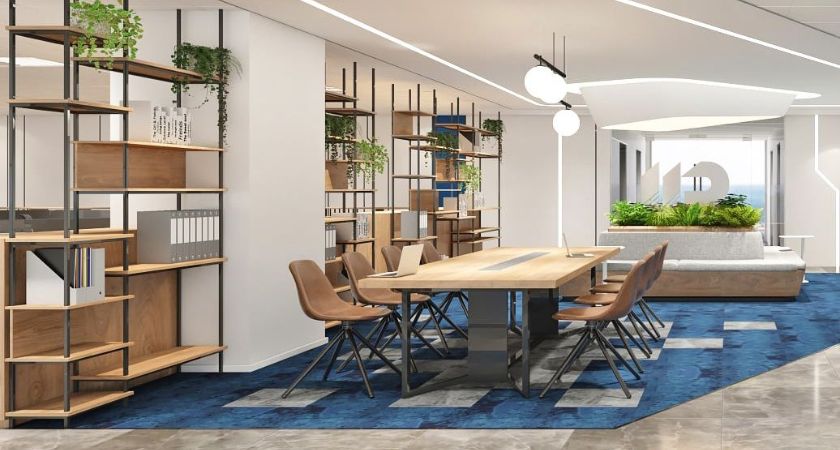
Wooden furniture not only brings natural beauty and elegance to the office but also creates a comfortable and sophisticated working environment. We hope the information above will help you choose the right type of wood for your workspace. If you still have questions related to this topic, contact Co-IDB for more detailed consultation and support.
>> See more: