The Class A office market in 2026 is growing, reflecting the increasing demand from modern businesses. In this article, we will explore the latest definition, updated standards, and newest design trends of a Class A office to provide businesses with a comprehensive view when making informed decisions about their workspace selection.

What is a Class A Office?
In 2026, the Class A office goes beyond the traditional concept of premium workspace. The latest definition includes a perfect combination of prime location, iconic architecture, and advanced technology ecosystem. Modern Class A office buildings integrate smart solutions, ensure sustainability, and prioritize user experience.
Some prominent features of a Class A office:
-
Central location with convenient accessibility
-
Unique and impressive architectural design
-
Smart Building Management System (BMS)
-
Green certification and high energy efficiency
-
Flexible and multi-functional workspace
-
Premium amenities and 24/7 support services
>> Read more: Definition of Office Tower

Comparing Class A Offices with Class B and C Offices
|
Criteria |
Class A Office |
Class B Office |
Class C Office |
|
Location |
Central, prime area |
Near center |
Suburban area |
|
Architecture |
Iconic, modern |
Attractive, good quality |
Basic, functional |
|
Technology |
State-of-the-art, IoT integrated |
Modern |
Basic |
|
Amenities |
Diverse, premium |
Fully equipped |
Limited |
|
Management |
Professional 24/7 |
Good |
Basic |
|
Rental Price |
Highest |
Average |
Low |
Class A offices have many outstanding advantages over Class B and C. This difference is clearly demonstrated through the quality of construction, integrated technology, and management services. While Class B offices offer a balance between quality and cost, Class C offices focus on basic functionality at an affordable price for small and medium-sized businesses.

Cost and Value of Class A Offices
Rental and Operating Costs
The rental cost for a Class A office is typically higher than Class B and C. However, the value derived from advanced facilities, professional services, and prime location is often worth the expense. Operating costs are also optimized thanks to energy-saving solutions and smart management.
Long-term Investment Benefits
Investing in a Class A office brings long-term benefits to the business:
-
Enhanced brand image
-
Attracting and retaining talent
-
Improved employee productivity and satisfaction
-
Long-term cost savings due to energy efficiency
-
Adaptability to future changes
Positive Impact on Corporate Brand
Class A offices play a crucial role in corporate brand positioning. The office address in large buildings also contributes to creating a strong impression on partners and customers. Besides, the modern and professional work environment in a Class A office reflects the company’s values and vision, contributing to building a strong brand image.

Read more: 5 tips to optimize costs in office interior design
Latest Class A Office Standards 2026
Location and Site
Prime location is a key factor for Class A offices. In 2026, location standards are not limited to the city center but also extend to new developing areas with modern infrastructure. Convenient accessibility via public transportation and multimedia connectivity is mandatory.
Class A Office Design Standards
-
Designed to optimize open space, ensuring flexibility in furniture arrangement and layout.
-
Utilizes modern, convenient furniture, combined with smart technology such as lighting, temperature, and security control systems.
-
Design must ensure natural light, ventilation systems, and high-standard air conditioning.
-
A fresh, airy work environment helps enhance employee productivity and health. Class A offices often achieve green certifications like LEED to affirm their commitment to environmental protection.

>> Read more: Some office design standards you need to know
Standards for Area and Space
Class A offices in 2026 set new standards for usable area and ceiling height. The workspace must ensure flexibility, with the ability to customize according to the needs of each business. Large floor area, high ceilings, and a modular system allow for easy layout changes.
Table of Class A Office Area Standards 2025
|
Criteria |
Minimum Standard |
|
Total Floor Area |
> 30,000 m2 |
|
Flexible Leasing Area |
500 – 2,000 m2 |
|
Ceiling Height |
> 2.7 m |
|
Usable Area Ratio |
> 80% |

Modern Class A Office Design Trends
Open Space and Team Workspace Design
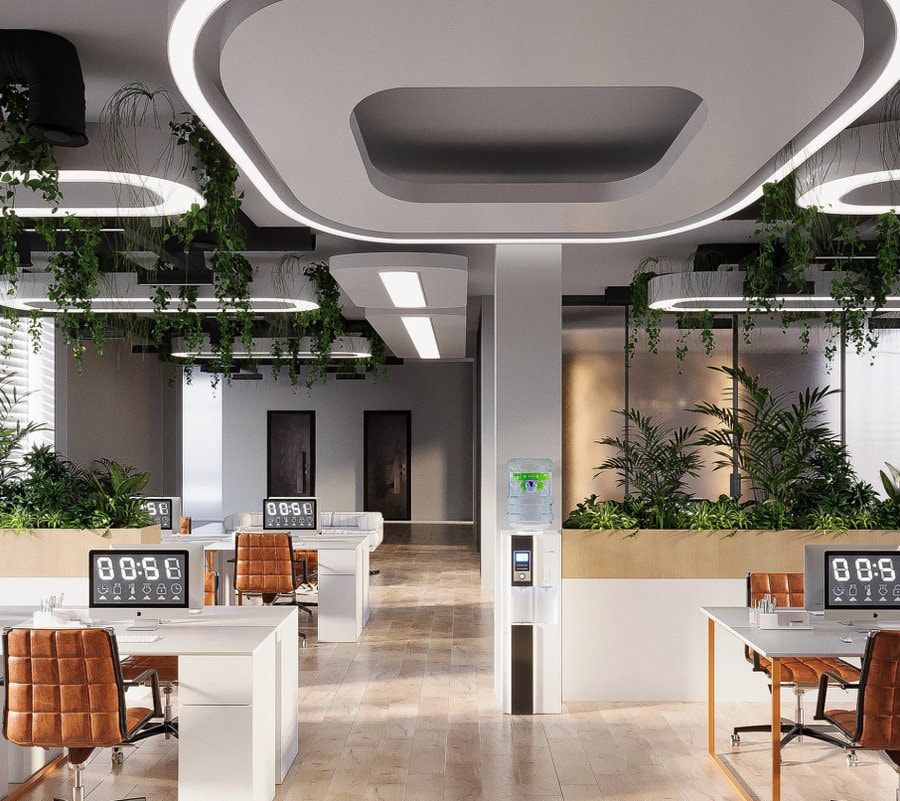
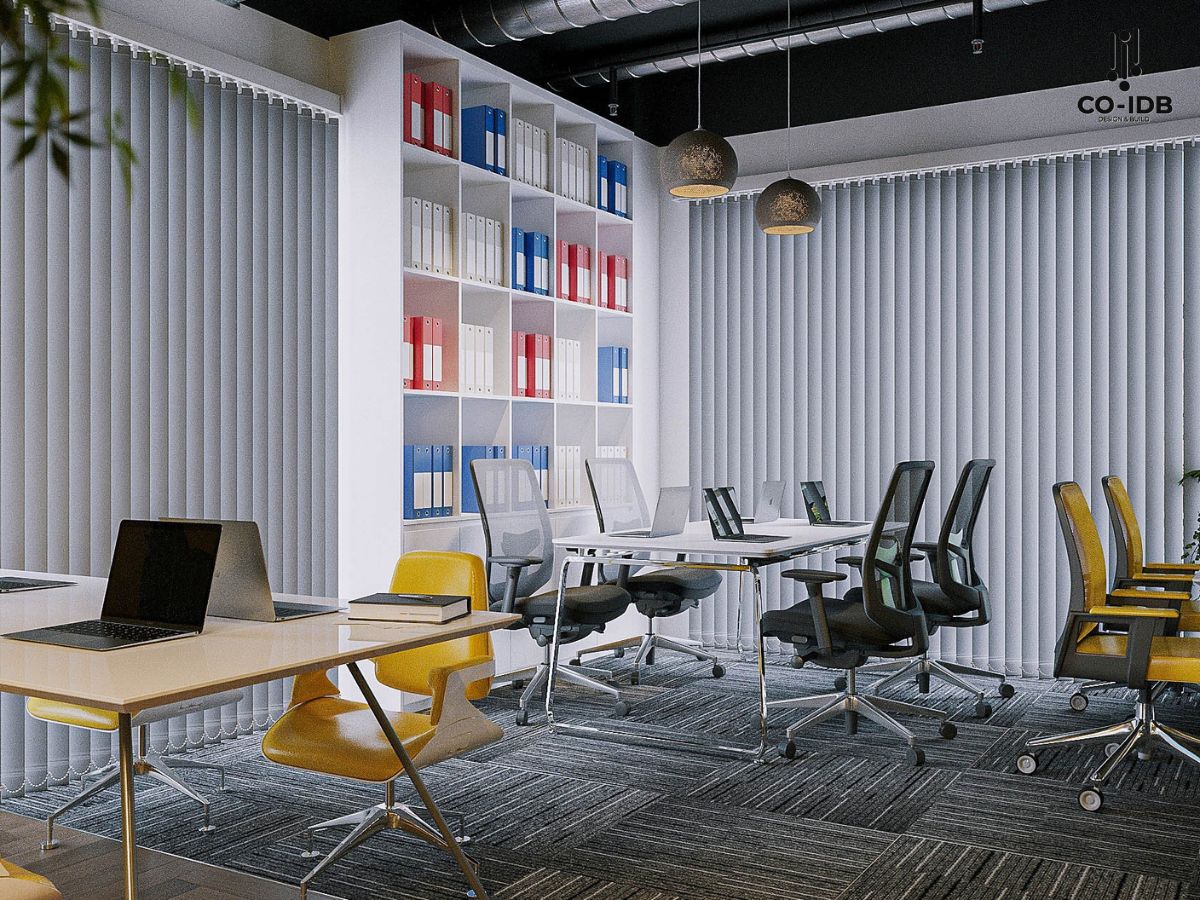
The Class A office design trend for 2026 prioritizes open space and common work areas. Work areas are flexibly designed, easily transitioning between individual and group spaces. Multi-functional meeting rooms with advanced video conferencing technology support remote work and global collaboration.

Read more: Shared workspace – a new trend for businesses
Mobile Technology Integration
Modern Class A offices integrate many mobile technologies. Smartphone applications allow employees to clock in, book meeting rooms, and access building services. Many offices also use smart wayfinding systems to navigate complex buildings, while touchless technology minimizes contact with shared surfaces.

Design Focused on Health and Well-being
Health and well-being have become a top priority in Class A office design. Elements such as:
-
Maximum natural light
-
Advanced air filtration systems
-
Exercise and meditation areas
-
Green space and relaxation areas
-
Standing workstations and height-adjustable desks
These factors not only improve health but also increase employee productivity and satisfaction.

Read more: Well-being office: investing in the company’s future
Advice for Businesses Choosing a Class A Office
-
Carefully evaluate the current and future needs of the business before deciding to rent a Class A office.
-
Consider the total cost of ownership, including rental, operating, and other potential costs.
-
Prioritize buildings with green certifications and a commitment to sustainability.
-
Thoroughly evaluate the technology infrastructure and its compatibility with the company’s existing systems.
-
Consider the location not only geographically but also in terms of accessibility to public transport and surrounding amenities.
-
Research the building management team and the quality of customer service they provide.
-
Ensure the lease agreement has flexible terms to accommodate the business’s growth.
-
Consider the office’s impact on the brand and its ability to attract talent.
-
Seek input from employees on their needs and desires for the new workspace.
-
Invest in the transition and training process to ensure maximum benefit from the Class A office.

This article has provided a comprehensive view of the Class A office in 2025, from its definition and latest standards to design trends and business advice. We hope this information helps business leaders make informed decisions when choosing a workspace for their organization.
Read more: Professional office fit-out construction process
CO-IDB – Partnering to Create International Standard Class A Offices
A Class A office is not merely a workspace; it is a “statement” reflecting the business’s caliber and long-term vision. With experience executing numerous projects for large corporations,CO-IDB is committed to providing creative office interior design solutions, international standard construction, and cost optimization, fully meeting the latest 2025 standards.
Let CO-IDB accompany you on the journey to transform your office into a competitive advantage, elevate your brand image, and create a professional, inspiring work environment.
>>> Read more: