Upholstery fabrics play a crucial role in creating comfortable and modern office spaces. Materials such as cotton, felt, silk, velvet, linen, and synthetics are widely used in sofas, chair cushions, and curtains. Each fabric offers unique characteristics and durability suited to different design styles. Join Co-IDB as we explore the details of interior decorative fabrics in the article below!

How Does Office Upholstery Differ from Regular Fabric?
Decorative office fabric is a specialized material essential for crafting functional workspace furniture. It is commonly integrated with wooden interior products such as executive sofas, ergonomic chair pads, and acoustic curtains.
Unlike standard apparel textiles, office upholstery is engineered for higher durability, specific textures, and patterns that align with corporate aesthetics. Choosing the right fabric depends on the intended frequency of use and the overall interior design concept.
The Essential Role of Fabric in Office Interiors
Fabric is a vital element in both the decoration and structural comfort of office furniture. Key roles include:
- Aesthetic Enhancement: Fabric adds visual depth and elegance, creating a premium and professional workspace.
- Surface Protection: Upholstery shields furniture from sunlight, dust, and perspiration, extending the lifespan of pieces—especially metal furniture prone to oxidation.
- Ergonomic Comfort: High-quality textiles provide softness and breathability for long working hours.
- Stylistic Versatility: With diverse colors and patterns, fabric can shift an office style from classic elegance to modern minimalism.
Popular Office Chair Upholstery Materials
1. Leather Upholstery
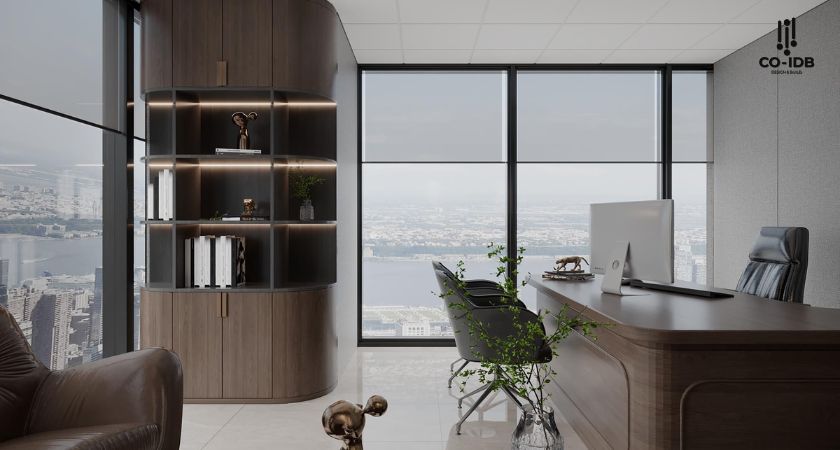
Leather is the gold standard for high-end executive offices. It offers a prestigious look, exceptional durability, and natural breathability. Leather is water-resistant and easy to sanitize, making it a practical choice for maintaining a clean and odor-free environment.
2. Chenille Fabric
For those seeking a softer, more breathable alternative to leather, Chenille is an excellent candidate. Its unique tufted texture provides a plush, velvety feel. Chenille is highly resistant to pilling and wrinkling, making it ideal for daily office use where comfort is a priority.
3. Polyester & Synthetic Blends
Polyester is celebrated for its colorfastness and low maintenance. It is highly resilient against shrinking and wrinkling. As a blend of natural and synthetic fibers, it is often hypoallergenic, repelling dust and pollen—a major plus for health-conscious workspaces. It is also a cost-effective solution for large-scale office fit-outs.
4. Acrylic Upholstery
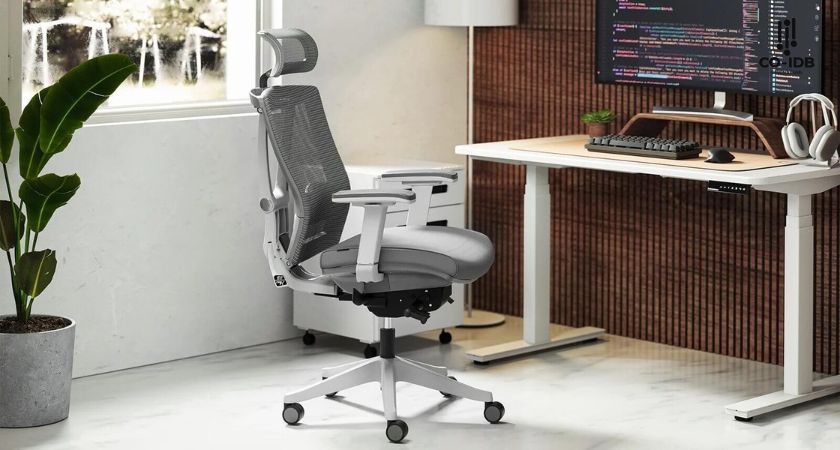
Acrylic mimics the softness of wool while providing superior resistance to sunlight (UV), oil, and heavy wear. It features excellent moisture-wicking properties and dries quickly, preventing mold and mildew growth in humid office conditions.
5. Velvet Upholstery
Velvet brings a touch of luxury and sophisticated texture to lounge areas and waiting rooms. Modern velvet is densely woven for durability. While it may show temporary “shading” from use, it is a resilient material that adds a high-end feel to any creative or boutique office space.
Maintenance Guide for Office Textiles
To preserve the beauty and integrity of your office fabrics, follow these maintenance protocols:
Daily & Weekly Cleaning
- Vacuuming: Use a soft brush attachment to remove debris and dust particles. Weekly vacuuming prevents dirt from embedding into the fibers.
- Surface Brushing: Use a lint roller or soft fabric brush to maintain the texture of velvet or chenille.
Immediate Stain Management
- Blot, Don’t Rub: For liquid spills, blot immediately with a clean, damp sponge. Rubbing can push the stain deeper into the weave and damage the fibers.
Professional Care
- pH-Neutral Cleaners: Use gentle detergents specifically formulated for upholstery. Avoid harsh chemicals that can cause discoloration.
- Deep Cleaning: Schedule professional steam or dry cleaning every 12–18 months to revitalize high-traffic areas.
Selecting the right upholstery is key to a productive and welcoming office. We hope this guide helps you choose and maintain your office textiles effectively. Contact Co-IDB today for professional design and fit-out consultations!