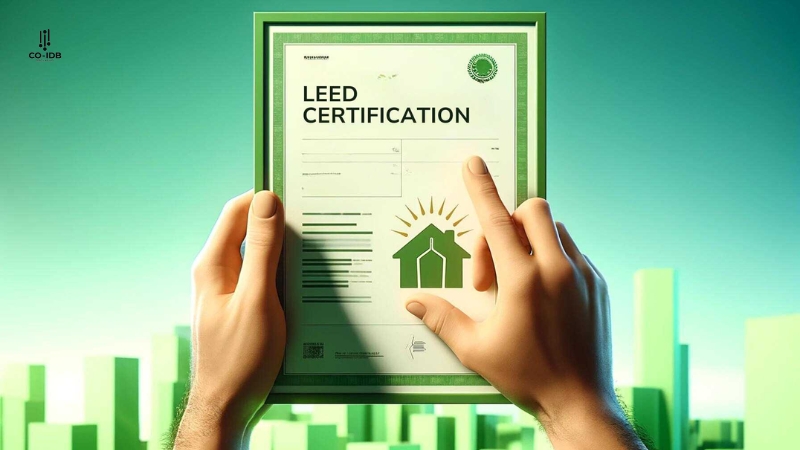
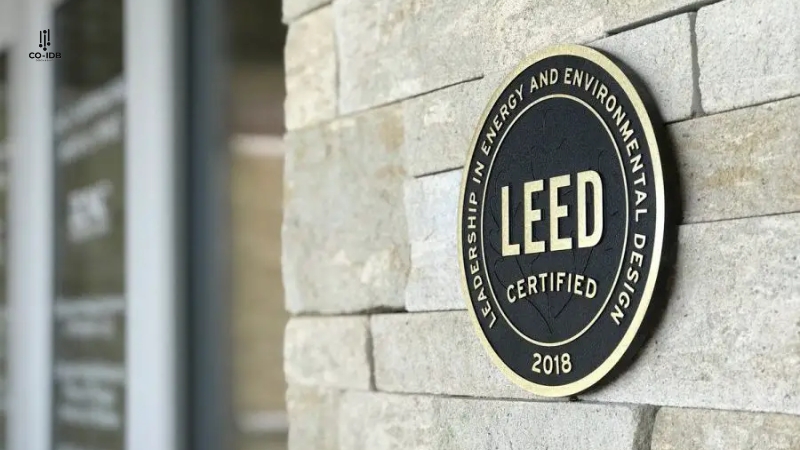
LEED (Leadership in Energy and Environmental Design) is the world’s leading standard for green and sustainable construction. Developed by the U.S. Green Building Council (USGBC), LEED evaluates building performance based on sustainability criteria including energy efficiency, water conservation, indoor environmental quality, and material selection. This article explores how to apply LEED certification to offices in Vietnam, its benefits, the certification process, and its impact on employee well-being.
The Importance of LEED Certification in the Vietnam Context
LEED certification plays a pivotal role in Vietnam’s sustainable development. Amid rapid urbanization, LEED provides a framework to minimize the environmental footprint of office buildings. These standards promote resource efficiency and improve the quality of life for workers. In Vietnam, adopting LEED not only enhances corporate image but also creates a competitive advantage in an increasingly sophisticated real estate market.
Key Benefits of LEED Certification for Offices
Implementing LEED certification brings multifaceted benefits to an office environment:
- Reduced long-term operational costs
- Increased asset value
- Improved employee health and productivity
- Minimized environmental impact
- Enhanced brand reputation (ESG commitment)
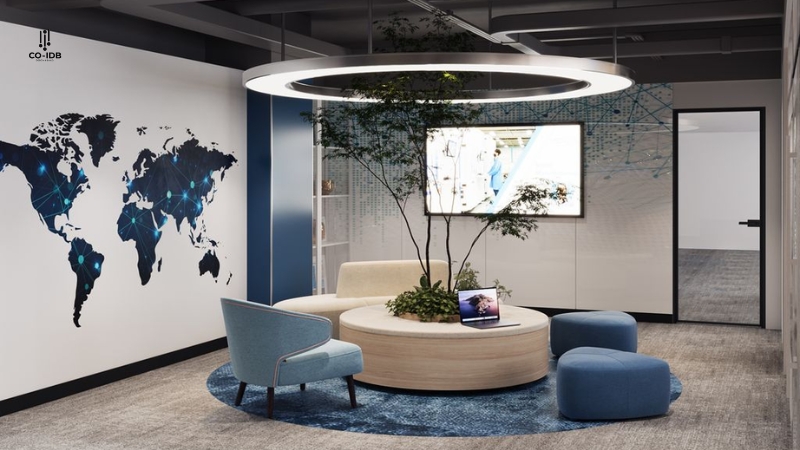
Green offices create an optimized working environment. By maximizing natural light, improving indoor air quality, and applying ergonomic principles, LEED boosts employee well-being, leading to higher work performance.
See more: Green Offices: Benefits and the Best Design Ideas
LEED Certification Levels: Platinum, Gold, Silver, and Certified
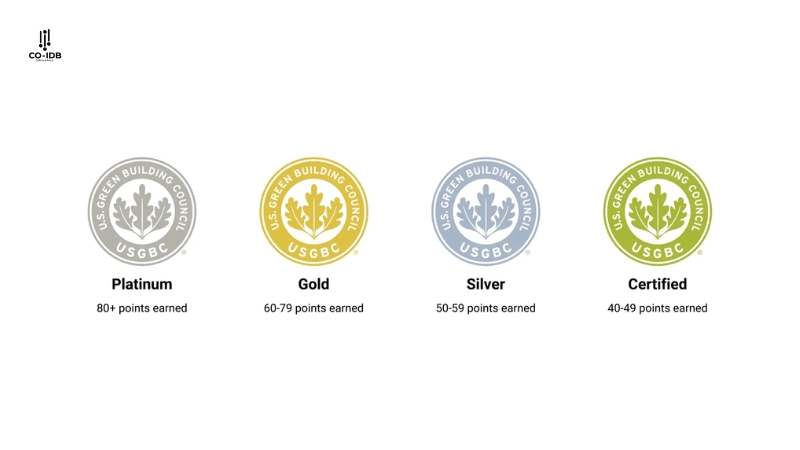
The LEED rating system consists of four main levels:
- LEED Certified: 40–49 points
- LEED Silver: 50–59 points
- LEED Gold: 60–79 points
- LEED Platinum: 80+ points
LEED Platinum requires the highest level of sustainability. To achieve this, offices must implement cutting-edge solutions in energy saving, water management, and sustainable materials. The evaluation is based on a comprehensive points system covering everything from initial design to daily operations.
Core Criteria for Achieving LEED for Offices
Based on the LEED v4.0 system for New Construction and Major Renovations, here are the primary criteria:
Sustainable Design & Location
- Development Density: Optimizing land use and avoiding high-value ecological sites.
- Orientation: Utilizing building orientation to maximize natural light and cross-ventilation, reducing artificial energy demand.
- Sustainable Materials: Prioritizing recycled, locally sourced, and eco-friendly materials with high durability.
Energy Performance
- Lighting Systems: Implementing energy-efficient LED lighting and smart controls.
- HVAC Efficiency: Utilizing high-efficiency air conditioning and natural ventilation systems.
- Renewable Energy: Installing solar panels or wind power systems to reduce fossil fuel dependence.
Water Efficiency
- Smart Plumbing: Installing low-flow fixtures (showers, toilets) to minimize waste.
- Water Reuse: Implementing rainwater harvesting and greywater recycling for irrigation and sanitation.
Indoor Environmental Quality (IEQ)
- Low-Emitting Materials: Using paints, adhesives, and materials with low VOC (Volatile Organic Compounds) to ensure air quality.
- Acoustic Control: Designing for noise reduction to create a quiet, focused work environment.

See more: Top 5 Popular Green Certifications for Offices in Vietnam
The LEED Certification Process
Achieving LEED involves several critical steps:
- Project registration with USGBC.
- Defining sustainability goals and strategies.
- Data collection and analysis.
- Implementation of sustainable solutions.
- Documentation submission for review.
- Certification award upon successful review.
A LEED consultancy team is vital for guiding the project through specific technical requirements and ensuring compliance with all criteria.
LEED vs. Other Green Building Standards
LEED distinguishes itself from standards like BREEAM or LOTUS through its global recognition, flexible points system, and constant updates to reflect the latest innovation trends. While local regulations provide a baseline, LEED often sets a much higher bar for international excellence.
Applying LEED certification for offices in Vietnam is no longer just a trend—it is a necessity for sustainable growth. Despite the challenges, the long-term benefits for businesses, employees, and the environment are undeniable. Contact Co-IDB to start your journey toward a certified green office.
>>> See more:
- Key Considerations for Open-Plan Office Design
- Must-have Furniture for a Modern Office
- 5 Tips to Optimize Office Interior Costs
- Professional Office Design Services
- Expert Office Interior Construction