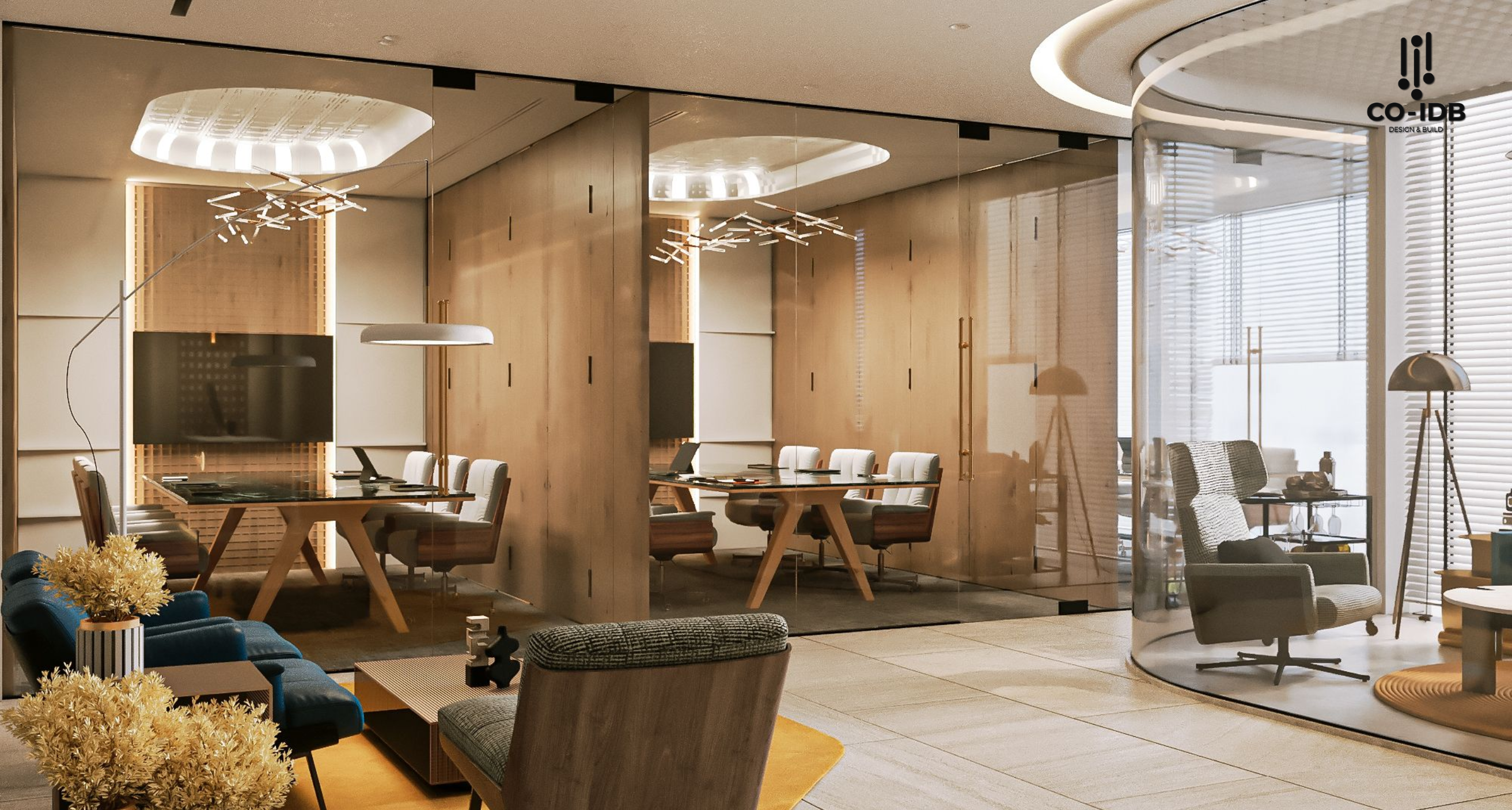
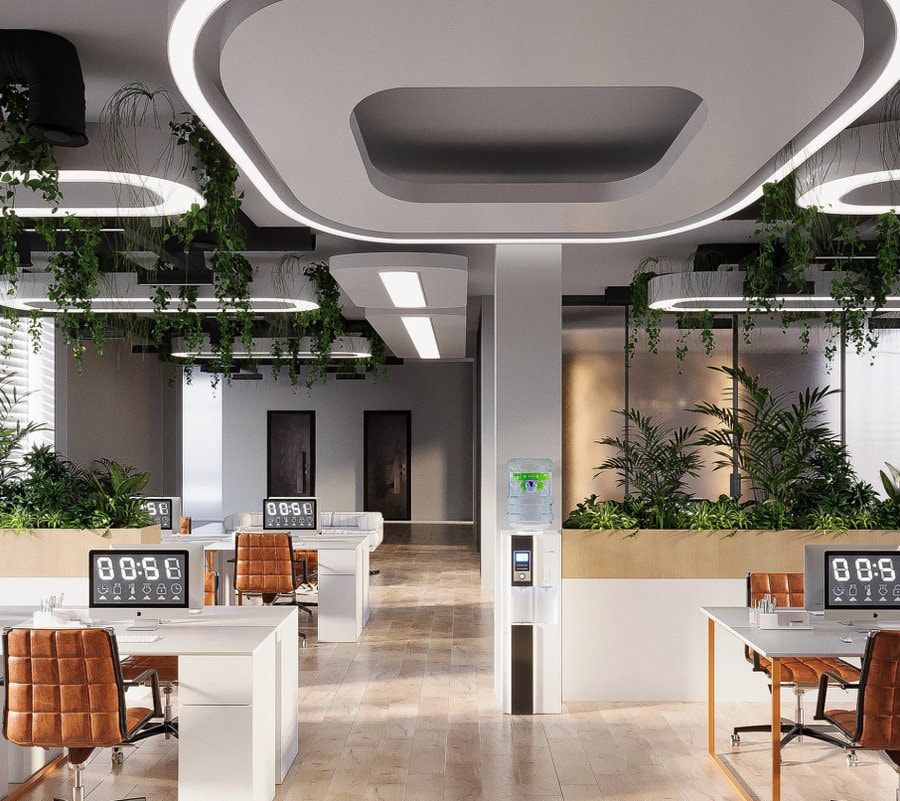
Coworking spaces represent a breakthrough trend in the modern business world. This model provides flexible solutions for both enterprises and individuals, combining the professional advantages of traditional offices with the dynamic energy of a startup environment. In Vietnam, the coworking market is expanding at a breakneck pace, reflecting a growing corporate demand for flexible, cost-effective workspaces.
In this article, Co-IDB analyzes how shared workspaces optimize productivity, foster creativity and collaboration, and address the digital-era challenges businesses face. By understanding these dynamics, enterprises can make informed decisions about adopting this evolving work model.
Introduction to Coworking Spaces
What is a Coworking Space?
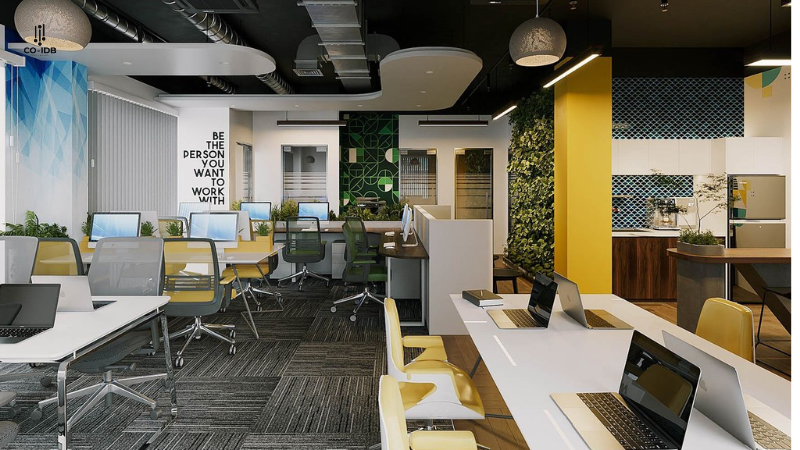
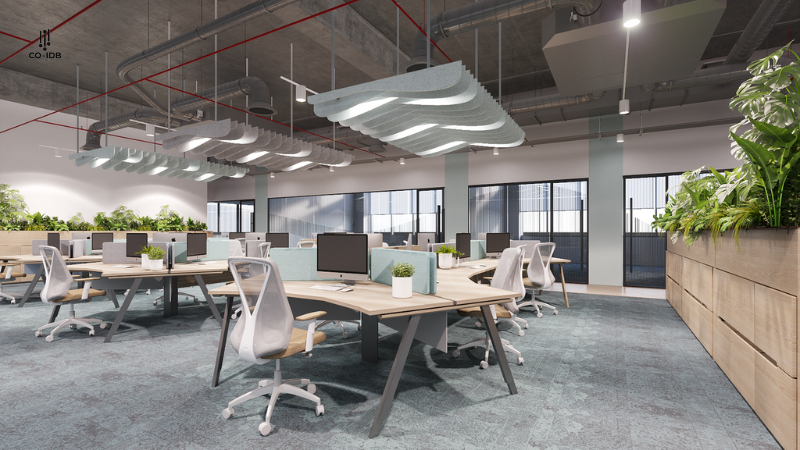
A coworking space is defined as a shared work environment where individuals and diverse businesses utilize a common office infrastructure. This model is characterized by flexibility, cost savings, and networking opportunities. It typically includes open-plan work zones, shared meeting rooms, and communal amenities like printers, break areas, and pantries.
The Vietnamese market is witnessing impressive growth. According to CBRE, coworking floor space in Hanoi and HCMC has doubled over the past two years, driven by the startup wave and the demand from SMEs for agile work environments.
Classification of Shared Workspaces
Shared workspace models include several key concepts:
- Hot desking: Non-fixed workstation systems
- Open-Plan Spaces: Communal work areas without traditional partitions
- Innovation Hubs: Centers focused specifically on R&D and creative breakthroughs
Hot desking allows employees to choose any available desk upon arrival, optimizing space utility and encouraging cross-departmental interaction. Open-plan designs foster a sense of community and enhance spontaneous communication. Innovation hubs take it a step further by offering mentorship, workshops, and high-level networking for startups.

Benefits of Coworking Spaces
For Enterprises
Coworking spaces allow companies to scale up or down rapidly without heavy investment in fixed infrastructure. By optimizing operational costs (utilities, equipment, and rent), businesses can redirect financial resources toward their core activities.
Furthermore, Networking and Collaboration opportunities are significantly higher. Interacting with diverse partners and suppliers within the same space creates a fertile ground for cross-industry innovation.

For Individuals
A variety of zones—from open desks to private pods—cater to different work styles, boosting individual output. Improved Work-Life Balance is another major factor; flexible hours and on-site amenities like relaxation zones lead to higher employee satisfaction.
Effective Design and Layout
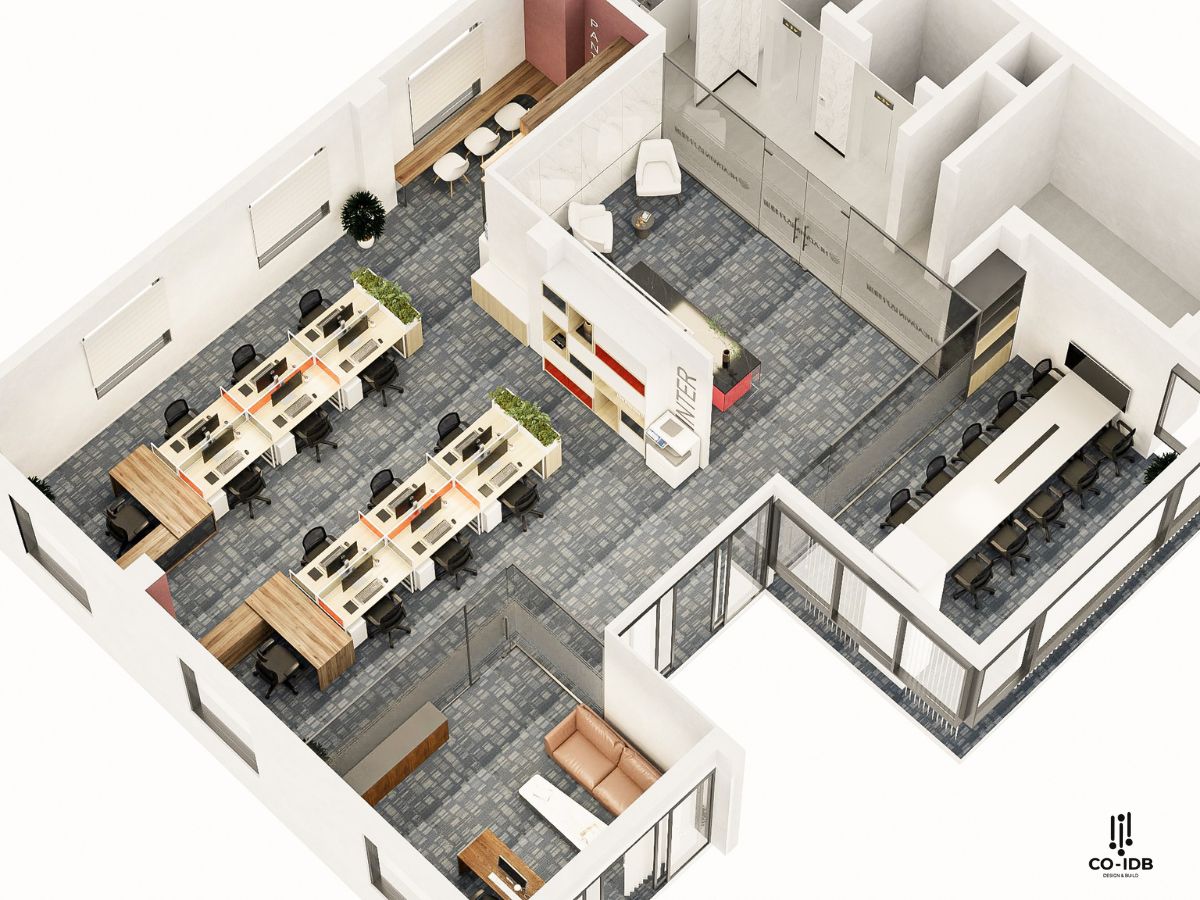
Strategic planning is essential. A successful layout balances open collaborative areas with private “deep work” zones, ensures logical traffic flow, and maximizes natural light.
Ergonomics plays a vital role in health and productivity. Adjustable furniture and specialized lighting reduce work-related health issues. Additionally, technology—such as IoT sensors for space tracking and smart booking software—ensures resources are used efficiently.
Challenges and Solutions
Security and data privacy remain top concerns. Businesses should implement robust measures such as VPNs, private lockers, and strict data protocols. To manage noise levels in open environments, Co-IDB recommends using sound-absorbing (acoustic) materials and establishing “quiet zone” policies.
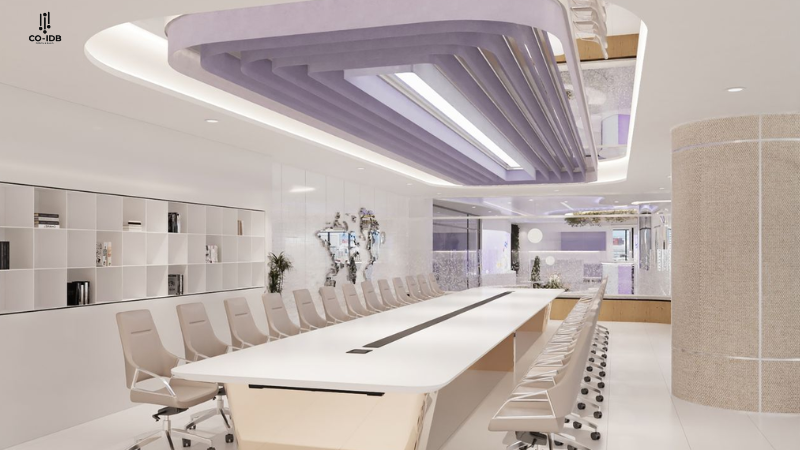
Maintaining corporate culture in a shared space can be challenging. We suggest regular team-building activities and leveraging digital internal communication channels to keep teams connected.
Future Trends: AI, IoT, and Hybrid Integration
The integration of Remote and Hybrid Work is the most prominent trend. Coworking spaces are evolving to include high-end virtual meeting facilities and advanced collaborative tools. AI and IoT are also becoming standard, automatically adjusting lighting and temperature based on real-time occupancy data.
We are also seeing the rise of Specialized Communities—hubs tailored specifically for Fintech, Biotech, or Creative industries. Additionally, coworking is expanding beyond city centers into suburban “satellite” areas to reduce commute times for employees.
In conclusion, the success of a coworking model depends on balancing individual needs with organizational goals. When executed correctly, it becomes a powerful tool for growth and innovation. Contact Co-IDB today to design your future workspace.