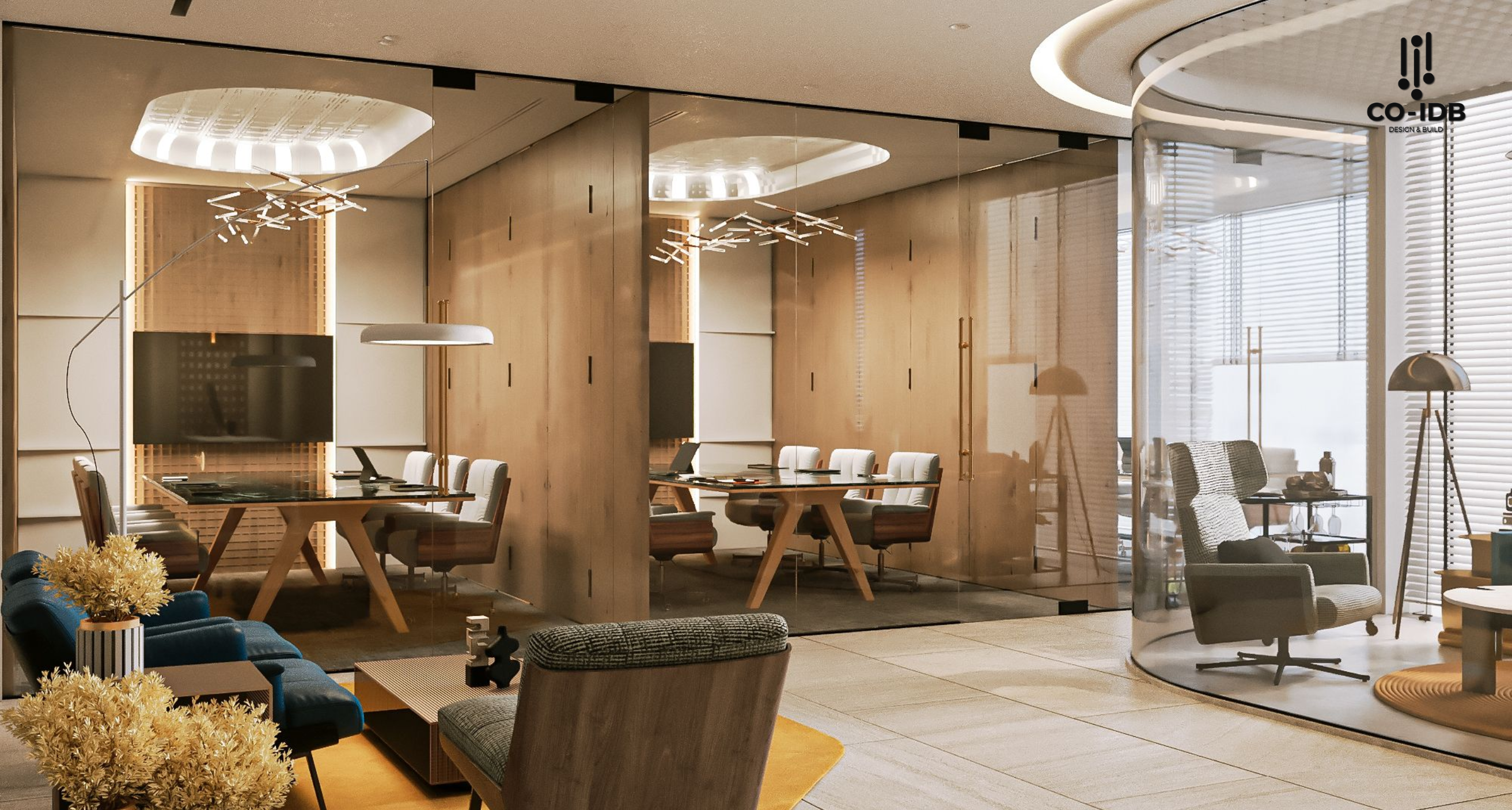
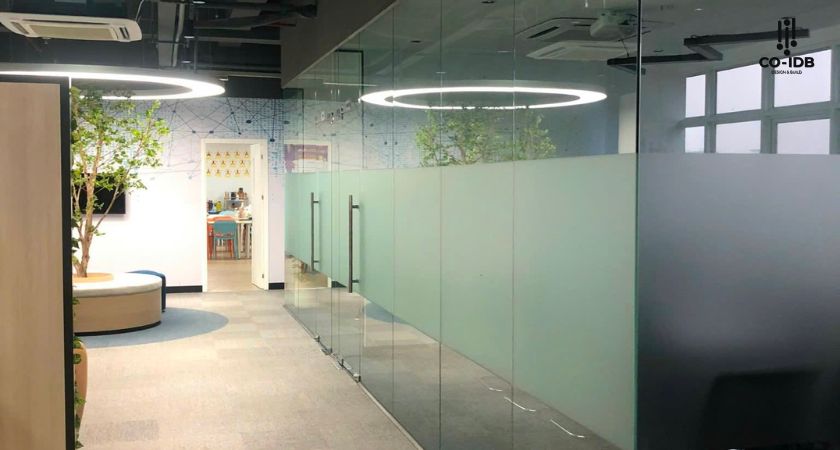
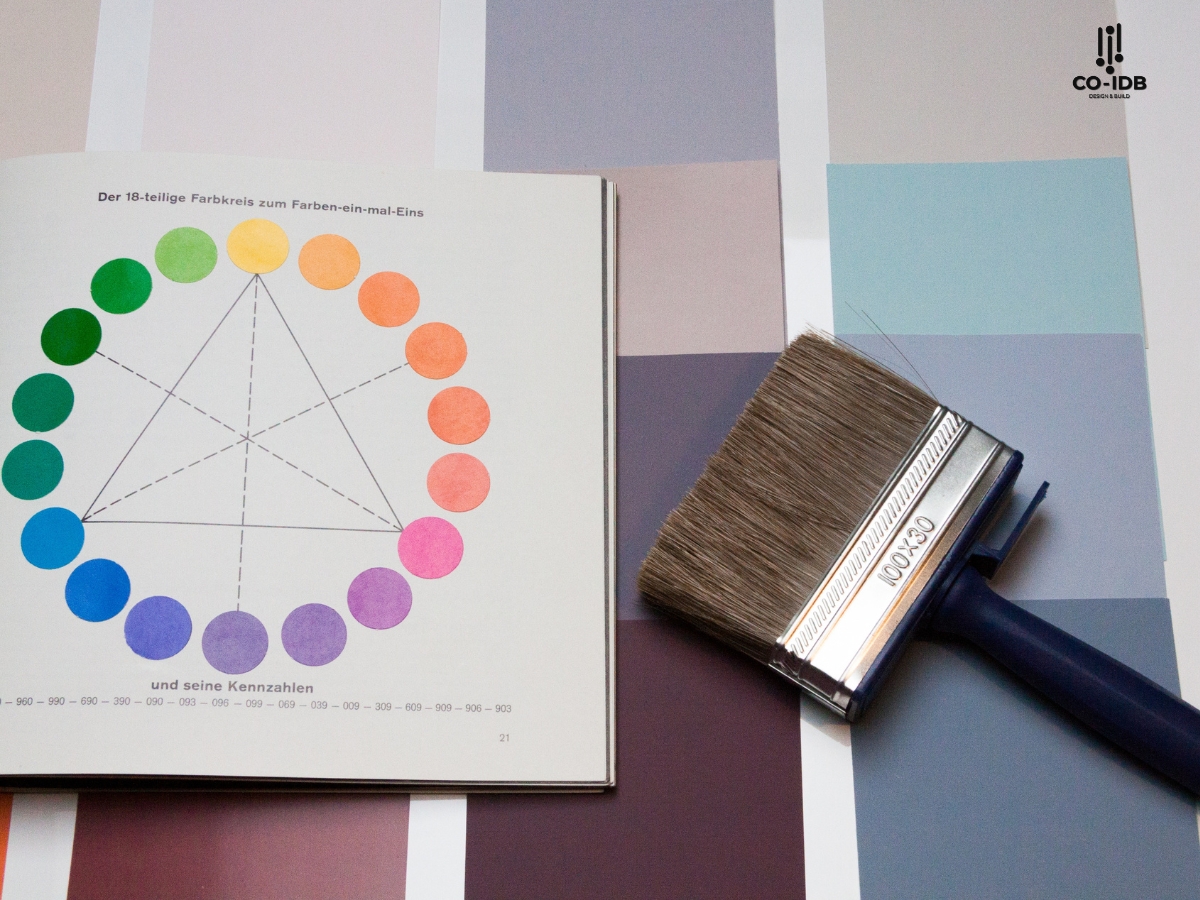
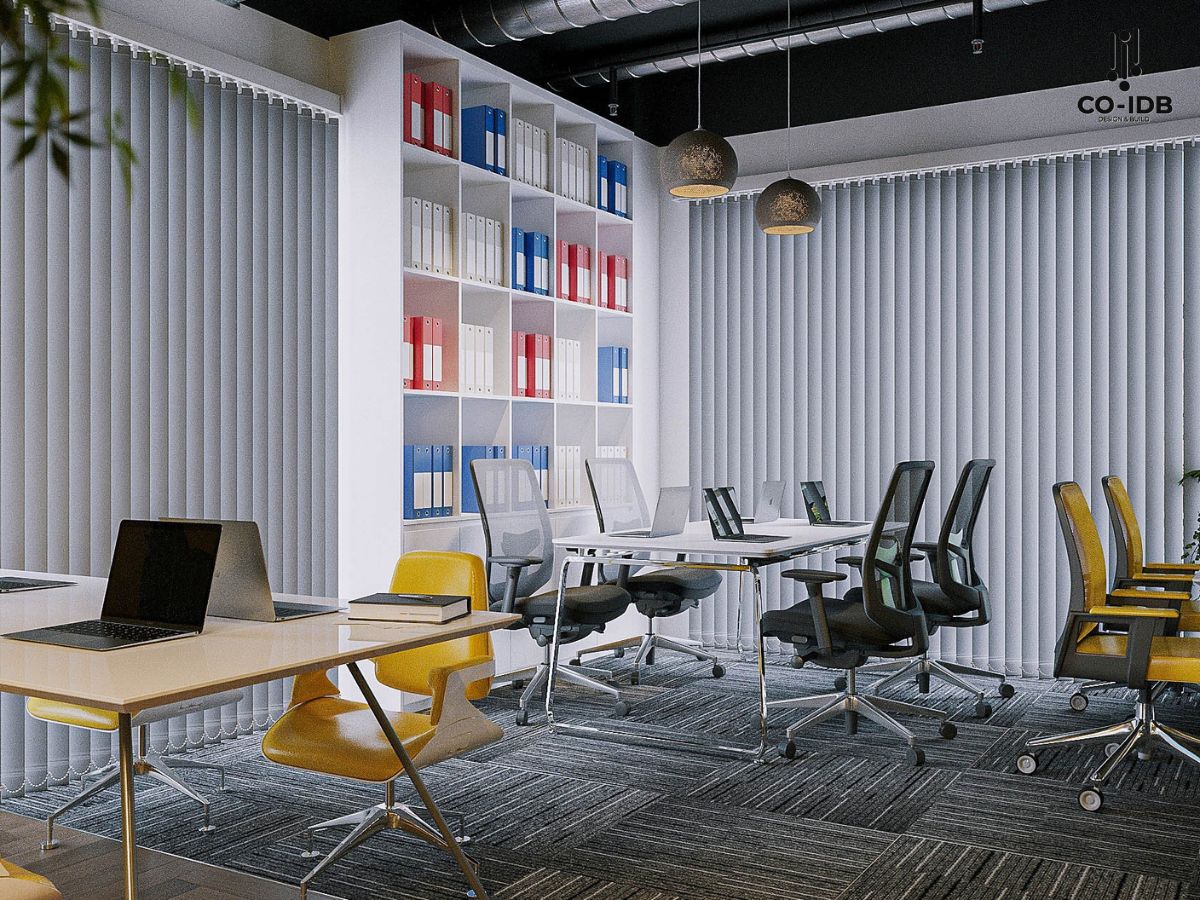
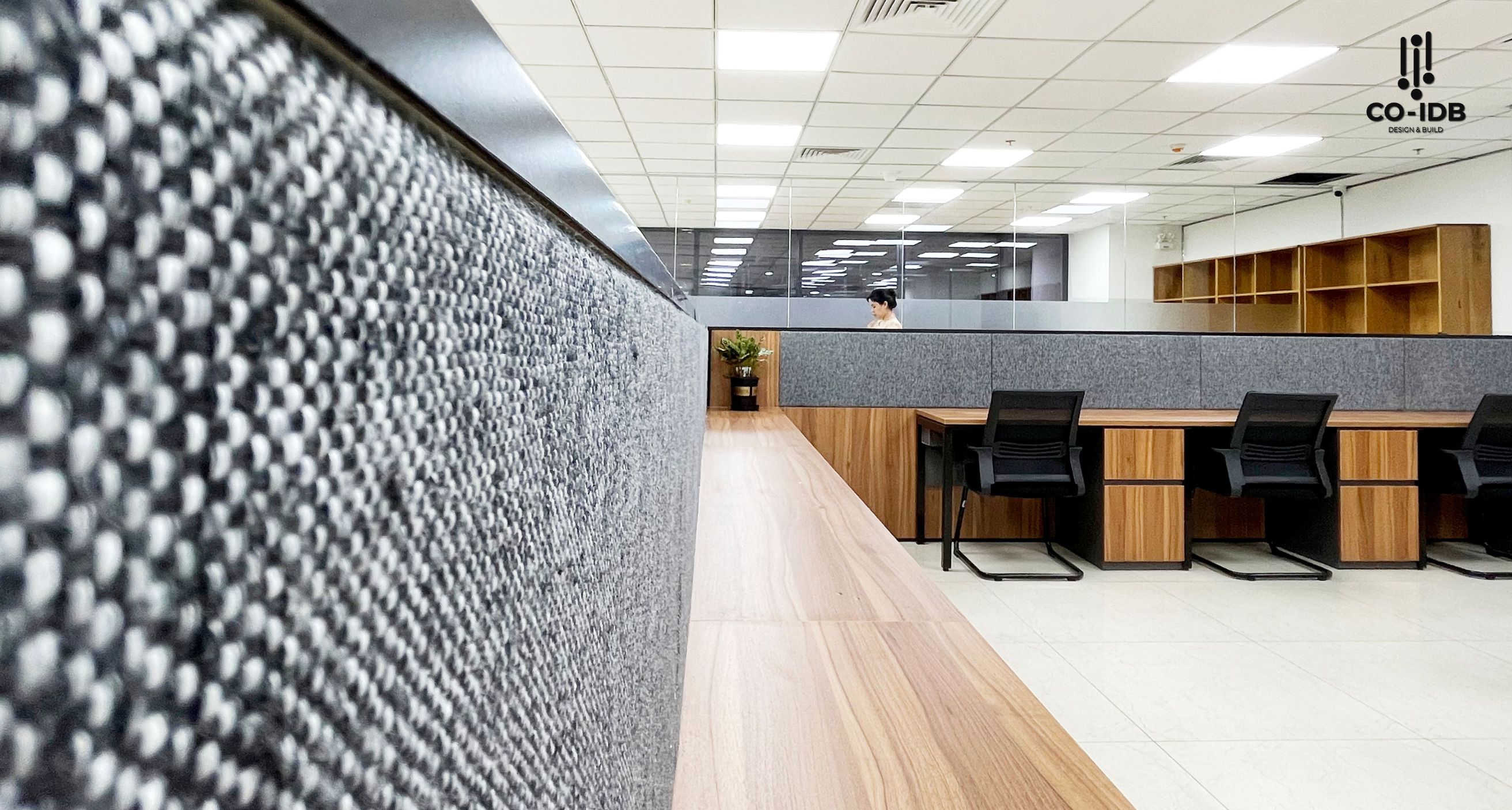
Zen style revolutionizes modern office design by creating minimalist, peaceful, and efficient workspaces. Zen philosophy, rooted in Buddhism, promotes simplicity and mindfulness in every aspect of life, including the work environment. In a context where offices are becoming increasingly busy and stressful, Zen style provides a design solution that balances productivity with tranquility.

What is Zen Style?
Zen style originates from Buddhist philosophy and has evolved into a unique lifestyle and design approach. Zen emphasizes simplicity, naturalness, and mindfulness in all aspects of life. In design, Zen style is expressed through minimalist spaces with a focus on functionality and peace.
The core principles of Zen in office design include:
-
Minimalism: Removing unnecessary elements
-
Harmony with Nature: Integrating natural elements into the space
-
Balance: Creating harmony between opposing elements
-
Mindfulness: Design that encourages focus and awareness
-
Wabi-sabi: Appreciating the beauty of imperfection

>> See more: Minimalist office interior design
Why Apply Zen Style to Office Design?
Zen style brings many benefits to both employees and businesses in a modern office environment. A Zen workspace fosters focus and creativity by minimizing distractions and creating a quiet environment. Employees experience lower stress levels and feel more connected to their work and colleagues in a space designed with Zen principles.
|
Benefits for Employees |
Benefits for Businesses |
|
Stress reduction |
Increased productivity |
|
Improved focus |
Enhanced creativity and innovation |
|
Better mental health |
Improved company image |
|
Better work-life balance |
Reduced medical and leave costs |
|
Increased job satisfaction |
Higher talent attraction and retention |

Zen Style Furniture for Health Enhancement
A quiet space is a core element in Zen office design. Meditation and relaxation areas should be integrated into the office to provide a place where employees can recharge and find balance during a busy workday. These spaces can be designed with comfortable chairs, meditation cushions, and natural elements like bonsai or mini water fountains.

Minimizing noise and distraction is a top priority in a Zen office.
Methods to achieve this include:
-
Using sound-absorbing materials on walls and ceilings
-
Creating designated “quiet zones” within the office
-
Using carpets to reduce noise from footsteps
-
Installing acoustic partitions between work areas
-
Encouraging a “quiet culture” in the office
In addition, ergonomics plays a crucial role in Zen office design, ensuring employee health and comfort. Ergonomic furniture helps prevent office injuries and improves long-term productivity. A Zen office should be equipped with ergonomic furniture to create a healthy and efficient work environment.
Important ergonomic elements in a Zen office:
-
Adjustable office chairs
-
Standing desks or height-adjustable desks
-
Computer monitors set at an appropriate height
-
Ergonomic keyboards and mice
-
Footrests and back supports

>> See more: Scandinavian style design using ergonomic furniture
Applying Zen Style to Office Design
Wabi-sabi: Accepting and Appreciating Imperfection
Wabi-sabi is an important concept in Zen philosophy that emphasizes the beauty of imperfection and impermanence. Applying wabi-sabi philosophy to the work environment can create a more human and less sterile space. Wabi-sabi encourages accepting imperfections in work and life to reduce stress and enhance creativity.
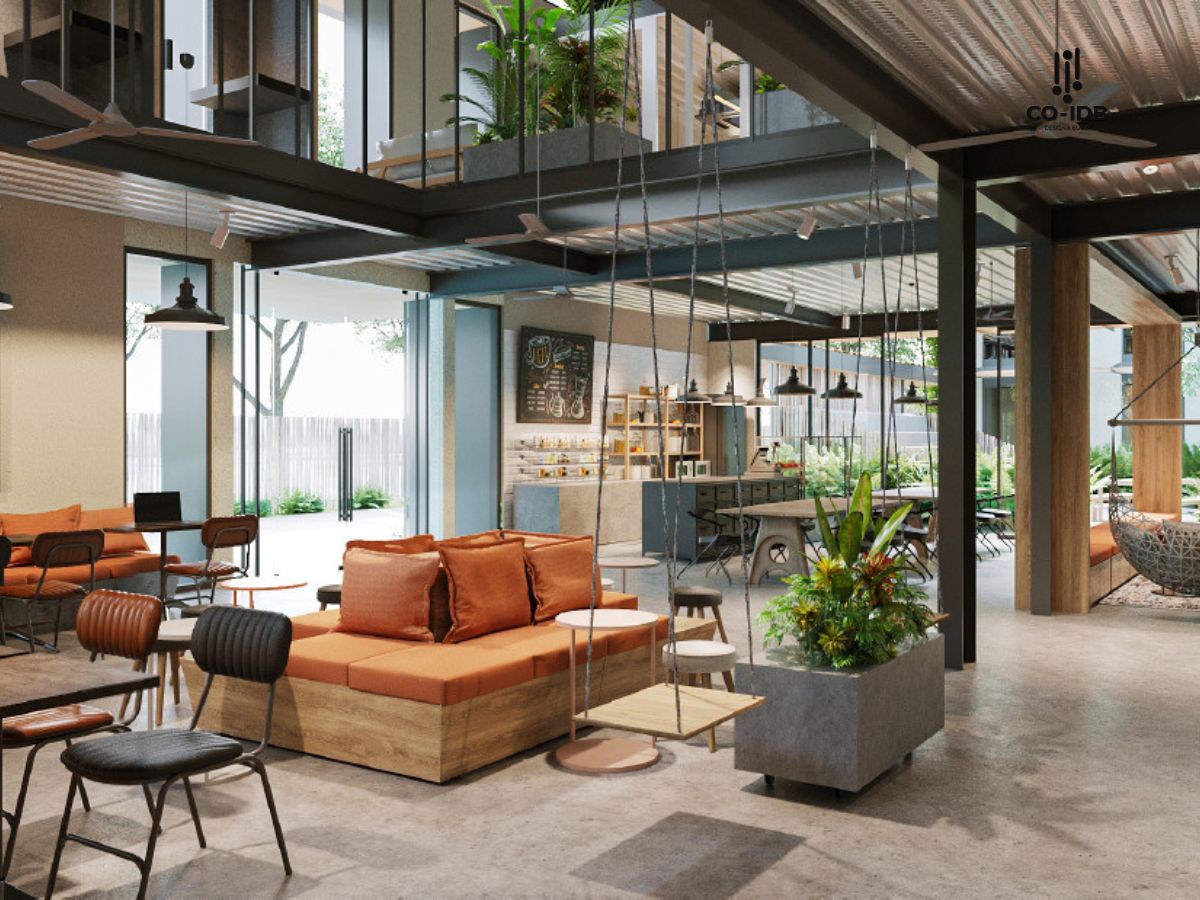
How to apply wabi-sabi to office design:
-
Using natural materials with unique grains and textures
-
Choosing furniture and decor with signs of use or age
-
Decorating with imperfect handmade artworks
-
Displaying items with personal or historical significance
-
Encouraging diversity and personalization in the workspace
The impact of wabi-sabi on creativity and innovation can be significant. When employees feel comfortable with imperfection, they tend to take risks and experiment with new ideas without fear of failure. This leads to a more innovative and dynamic work environment.

Designing a Mini Zen Garden: Bringing Nature into the Office
Mini Zen gardens bring many benefits to the workspace. These small gardens create interesting visual highlights and provide a place for employees to relax and reflect. The benefits of a Zen garden in the workspace include reduced stress, increased focus, and improved creativity. Therefore, designing a small Zen garden in the office will bring many positive experiences for employees.
How to create a mini Zen garden in the office:
|
Element |
Description |
Meaning |
|
Sand or gravel |
The base of the garden |
Symbolizes water or void |
|
Rocks |
Stones of different sizes |
Symbolize mountains or islands |
|
Greenery |
Bonsai or small ornamental plants |
Represents life and growth |
|
Raking tool |
Small rake to create patterns on sand |
Symbolizes waves or ripples |
|
Stone lantern |
Small lantern made of stone |
Creates soft, gentle light |
Maintaining a mini Zen garden does not require much effort but needs to be done regularly to sustain its beauty and meaning. Employees can take turns caring for the garden as a relaxation and team-building activity.

Interior Design Focused on Acoustic Elements in a Zen Work Environment
Sound plays an important role in creating a Zen work environment. A quiet space can enhance concentration and reduce stress, but complete silence can sometimes be stressful. Creating appropriate background sound can significantly improve the work experience.
How to create natural background sound in a Zen office:
-
Installing mini water fountains to create the sound of gently flowing water
-
Using fans or air purifiers to create soft white noise
-
Planting greenery that attracts birds, creating natural sounds outside the window
-
Using natural materials like wood and stone to help absorb and soften sound

In addition, offices can use music to enhance focus, but this should be considered carefully. If music is used, choose instrumental tracks with a slow tempo such as gentle classical music, meditation music, or natural sounds. The volume should be kept low to avoid being a distraction.
Suitable types of sound for a Zen office:
|
Sound Type |
Benefits |
Examples |
|
Natural sounds |
Reduce stress, increase connection with nature |
Rainfall, ocean waves, blowing wind |
|
Meditation music |
Enhance focus and relaxation |
Tibetan singing bowls, shakuhachi music |
|
White noise |
Masks ambient noise, improves focus |
Fan sounds, air purifiers |
|
Gentle classical music |
Stimulates the brain, increases productivity |
Works by Mozart, Debussy |

>> See more: 1000m2 office design samples in Zen style, optimizing workspace for large enterprises.
When you begin your office transformation process, remember that every small step matters. Start with minor changes, such as adding a few plants or creating a quiet zone, and gradually build from there. With time and patience, you will see your office transform into a true Zen space—a place where work and peace coexist in perfect harmony.