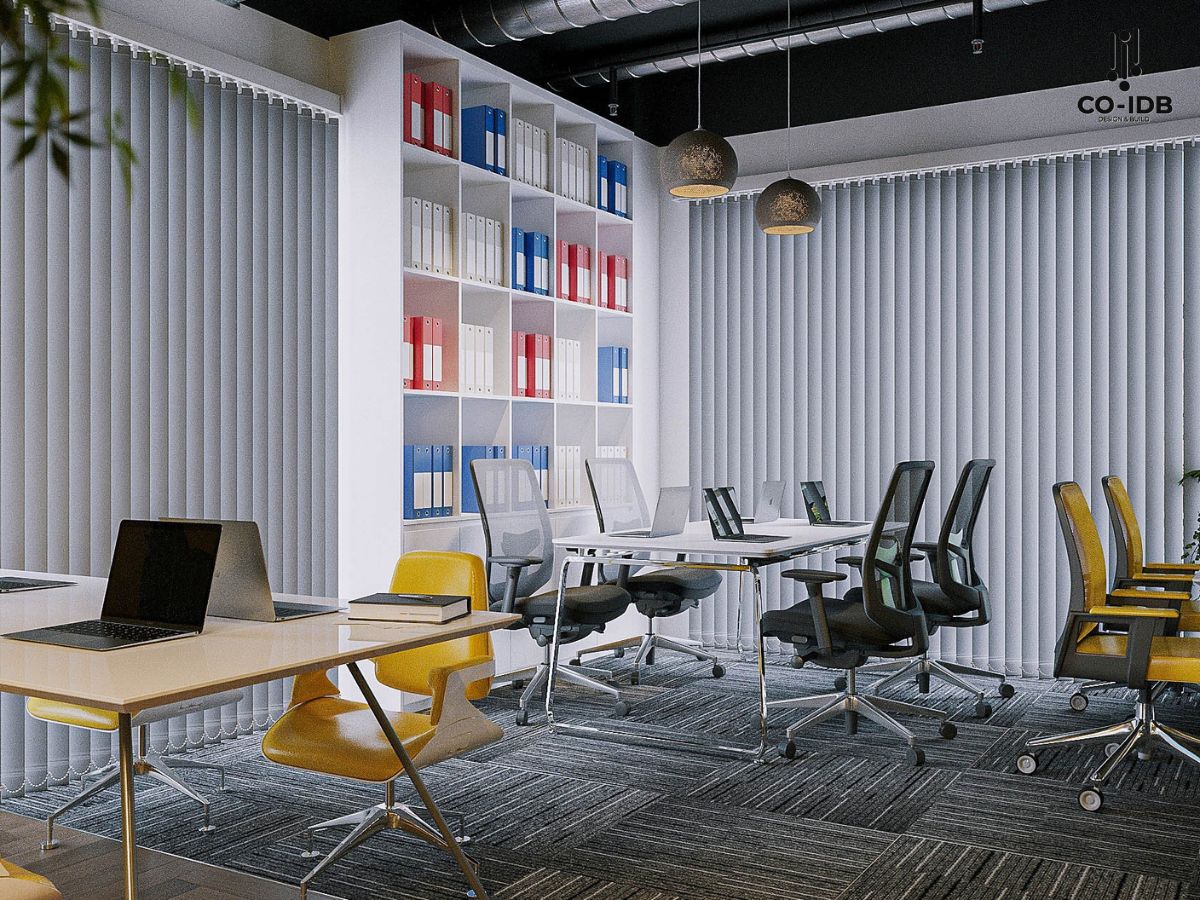
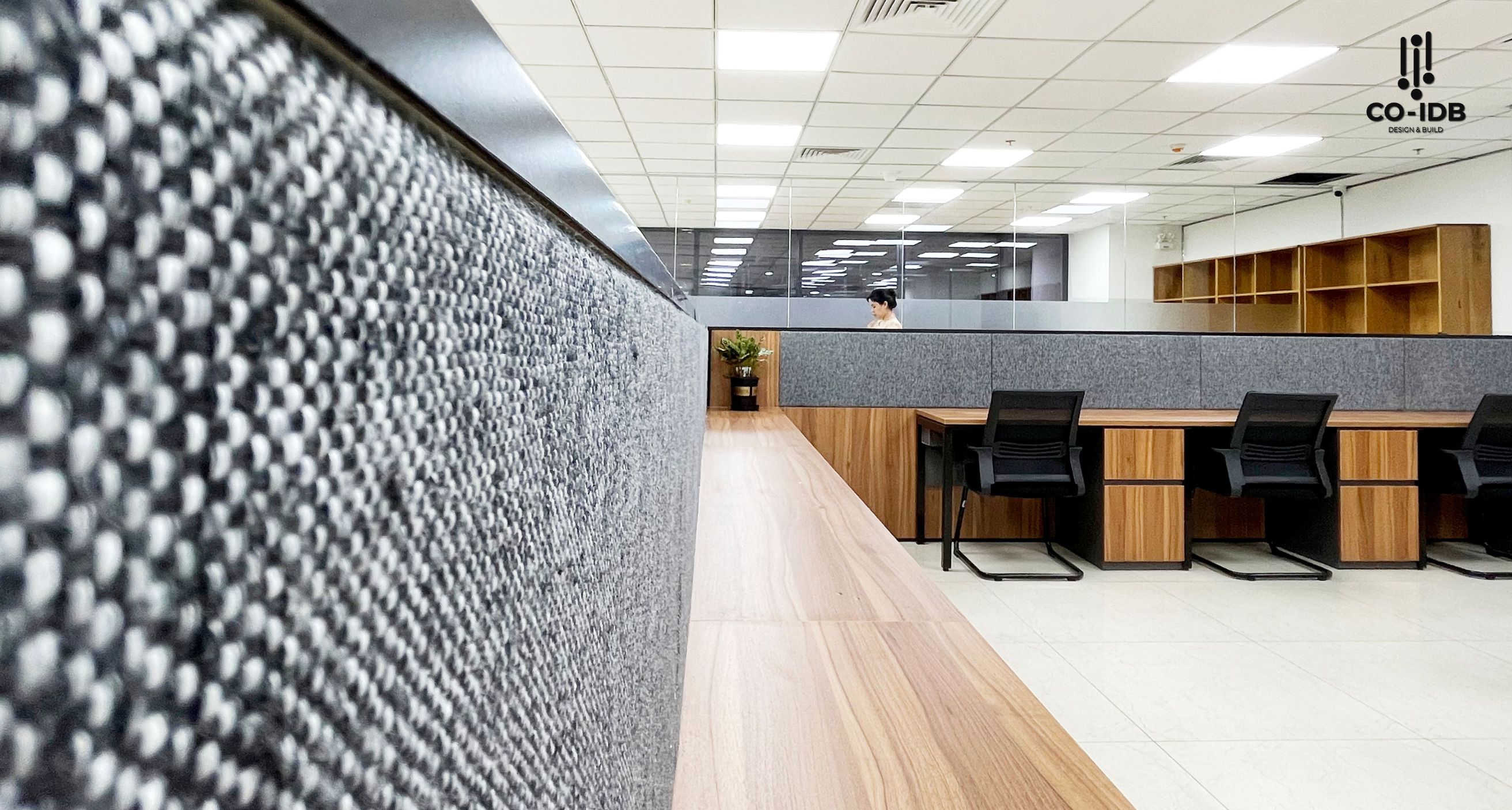
Floor planning in smart office design is not merely about arranging desks and chairs; it must reflect a scientific layout that maximizes advantages and overcomes spatial drawbacks. Join Co-IDB to explore the functional diagrams of an office as well as the professional process of creating a standard floor plan in the article below.

The Importance of Floor Planning in Office Design
Office design requires compliance with more complex layout principles than typical designs like showrooms. Detailed drawings require the design unit to have a deep understanding of the owner’s wishes and the specific characteristics of the industry.
Optimized Use of Area
Many offices waste space because they do not yet know how to truly optimize area usage, while today, rental or purchase floor areas are becoming increasingly restricted and expensive. Smart floor planning will utilize every small corner of the space to meet specific usage purposes. When functional diagrams are drawn by talented architects, they highlight aesthetic values in seemingly mundane things and upgrade them into more beautiful, versatile versions.

Scientifically Arranged Space
Through the layout design and spatial planning, the office area will be carefully calculated to divide positions suitable for each functional zone. Once the division diagram is established, spaces will be closely linked, ensuring that movement within the office is convenient. Interaction between departments and personnel will be enhanced, creating favorable conditions for work.
In each specific space, the design will be developed to achieve maximum compatibility with job characteristics. Furniture will be arranged neatly and minimally, creating a creative space and enhancing work performance.

The Floor Planning Process in Office Design
Planning for the Floor
The floor planning process in spatial design includes the following steps:
-
Requirement Gathering: Collect requirements and information from the client, including the available area, purpose of space use, number of rooms, utility and safety requirements, and other special requests.
-
Analysis and Research: Analyze and research the gathered information, including the current spatial layout, existing technical systems, legal requirements, building regulations, safety standards, etc.
-
Determining Functional Requirements: Based on client requirements and the contractor’s analysis, proceed to determine specific functional requirements for each area. For example: number and size of rooms, positions of doors and windows, movement space, reception areas, and other requirements.
2D Office Drawings
To complete a 2D office drawing, the following steps must be finalized:
-
Creating 2D Schematic Drawings: Use design software or drawing tools to create schematic drawings of the space. This drawing includes functional zones, rooms, door positions, windows, hallways, and other areas.
-
Space Optimization: From the 2D schematic drawing, optimize the space to meet functional and aesthetic requirements. Consider the position and size of each room, arrange the space logically, and optimize navigation flow and user utilities.
-
Review and Evaluation: Re-evaluate the 2D schematic drawing to ensure it meets the set requirements and goals. Consider utilities, safety, style, design, compliance with construction principles, and other client requests.

Consolidating the Plan and Providing 3D Designs
-
Plan Finalization: Based on feedback and evaluation, finalize the schematic drawings and the final floor plan. This 3D design will provide details on rooms, doors, windows, dimensions, positions, materials, and spatial elements.
-
Final Evaluation and Approval: Finally, the 3D design is reviewed one last time and approved by the client. Once approved, the floor plan will serve as the basis for implementing actual design and construction.

Popular Office Space Style Suggestions
Floor Planning for Small Area Offices
Interior design and construction for small offices always require sophistication in selecting furniture to ensure full functionality for employees. In major cities like Ho Chi Minh City, offices often have moderate areas as many private enterprises rent small premises. For small offices, one should use full-service office design to achieve a logical interior layout suitable for the company’s functions and brand.
Designing small offices is always a challenge for many units. Therefore, the interior layout needs to be implemented scientifically to bring the highest efficiency. Clever spatial arrangement solutions will help employees feel comfortable, creating a workspace that feels more spacious and airy, eliminating a sense of confinement.

Floor Planning for Large Area Offices
Designing large area offices offers flexibility in arranging workspaces and product displays as desired. With ample space, clients can divide separate areas for each department, creating a professional and effective company system.
Premium office design is often applied in large spaces where furniture and design style express class. Large offices typically include entertainment areas, separate product display zones, and private work areas, helping optimize space and enhance the working experience for employees.

Floor Planning for Open Space Offices
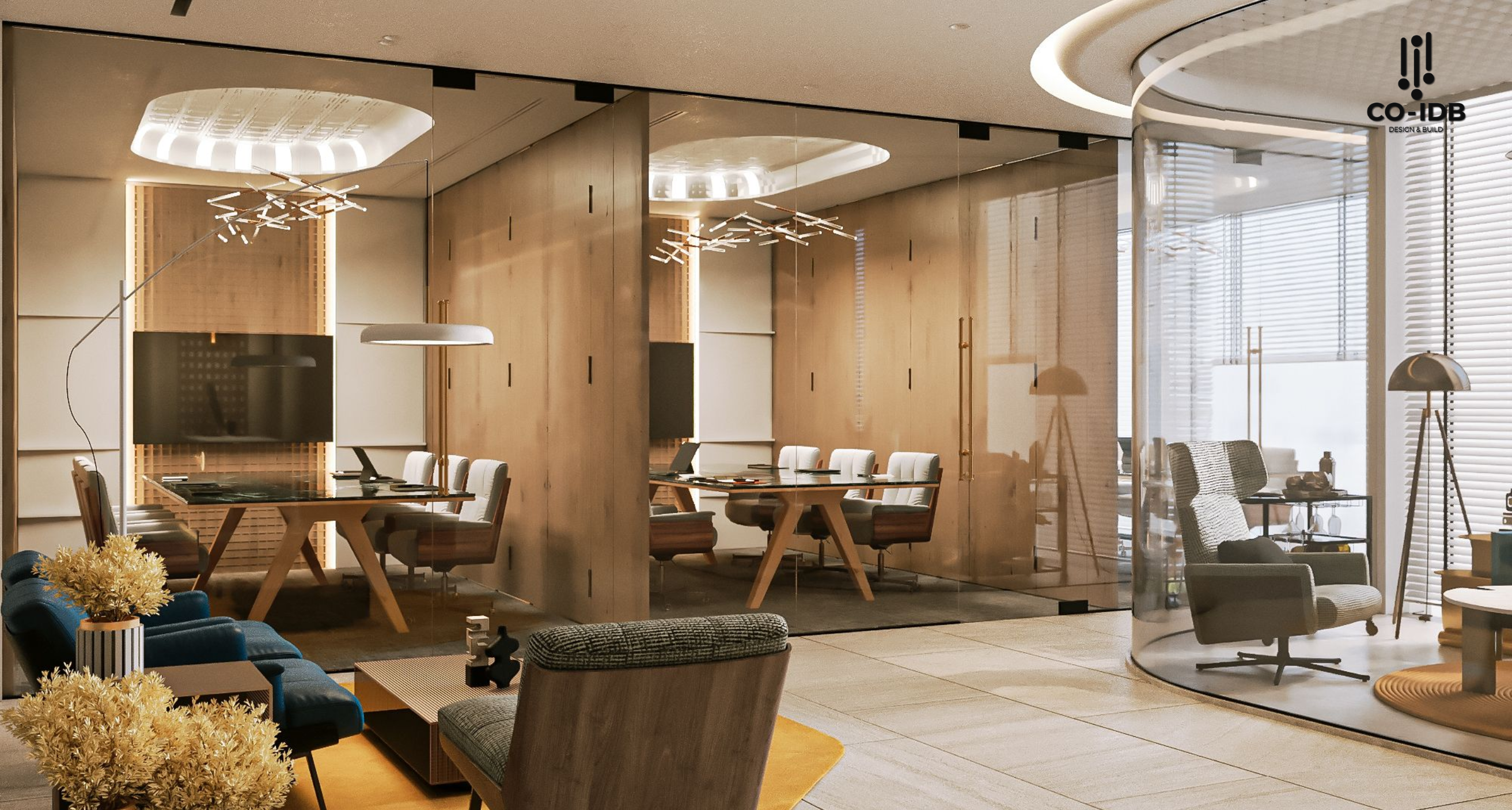
Arranging open office interiors is not overly complicated. Open space design often uses fewer office partitions, creating a common space where departments can easily see each other. Meeting rooms are usually separated by large, soundproof glass panels to ensure privacy.
Vertical open office planning is very suitable for companies that frequently interact with clients. Employee desks are placed vertically along glass walls, creating an airy and more pleasant space for working.

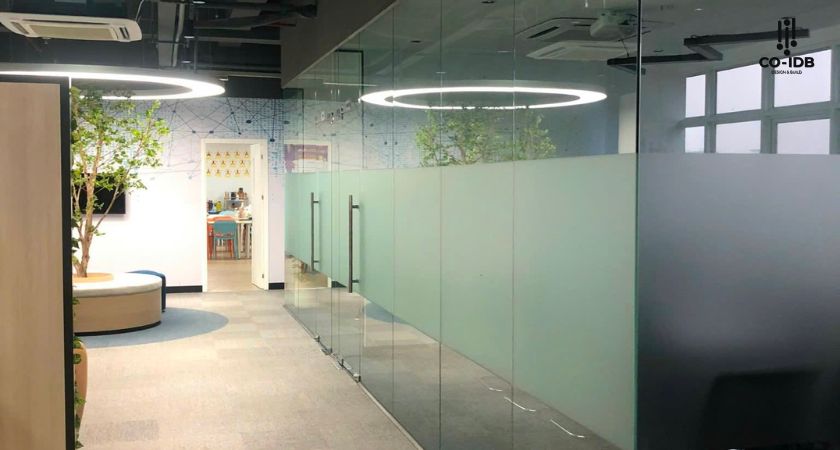
Instead of using traditional walls, open space offices often choose glass walls. This design not only utilizes natural light but also creates a more spacious and comfortable feeling for employees.
Floor Planning for Multi-functional Space Offices
This is an office layout that integrates spaces together, creating a sense of spaciousness and friendliness among employees. Areas and departments are closely linked, except for special areas like meeting rooms or the director’s office, which will be designed separately.
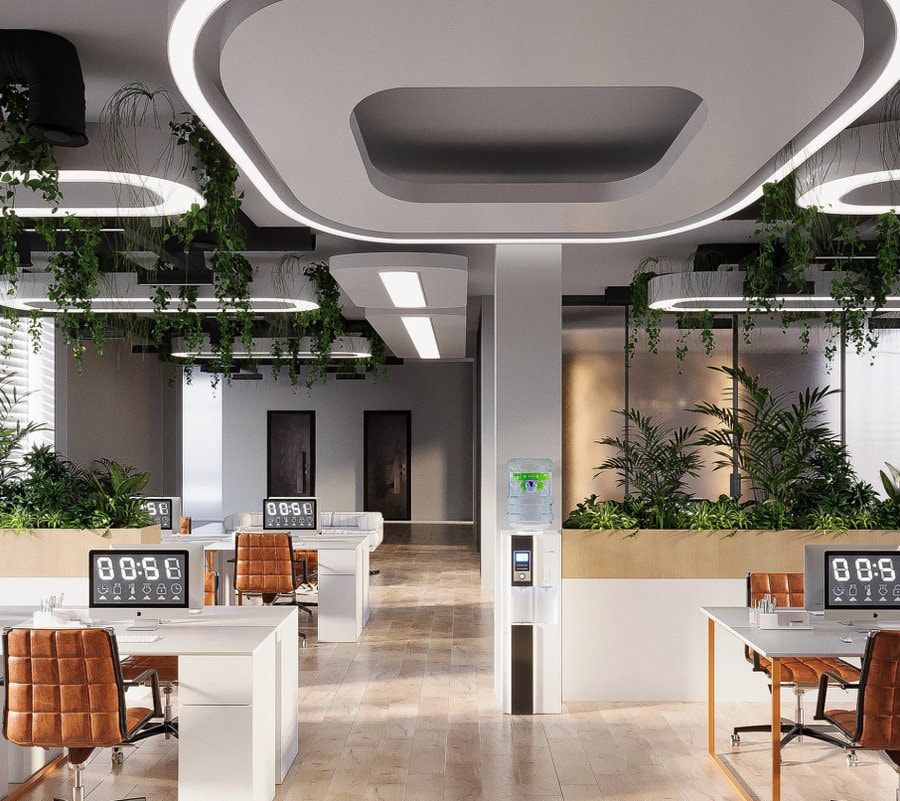
Multi-functional offices integrate many different working departments in each area, creating convenience during work. Using prominent colors in office interior design like orange or red creates highlights, along with the addition of greenery to make the space more lively and attractive.
The workspace will become more comfortable and relaxing when combined with a rest area. Simply selecting lounge chairs or armchairs and placing them in vacant areas allows a business to create an ideal rest zone for employees.

After referring to the content on “Floor Planning in Office Design,” Co-IDB hopes you have gained a brief overview of the concept and the process of planning an office floor plan. If you still have questions about office interior design and construction, please contact Co-IDB immediately for prompt and completely free consultation.
> See more: