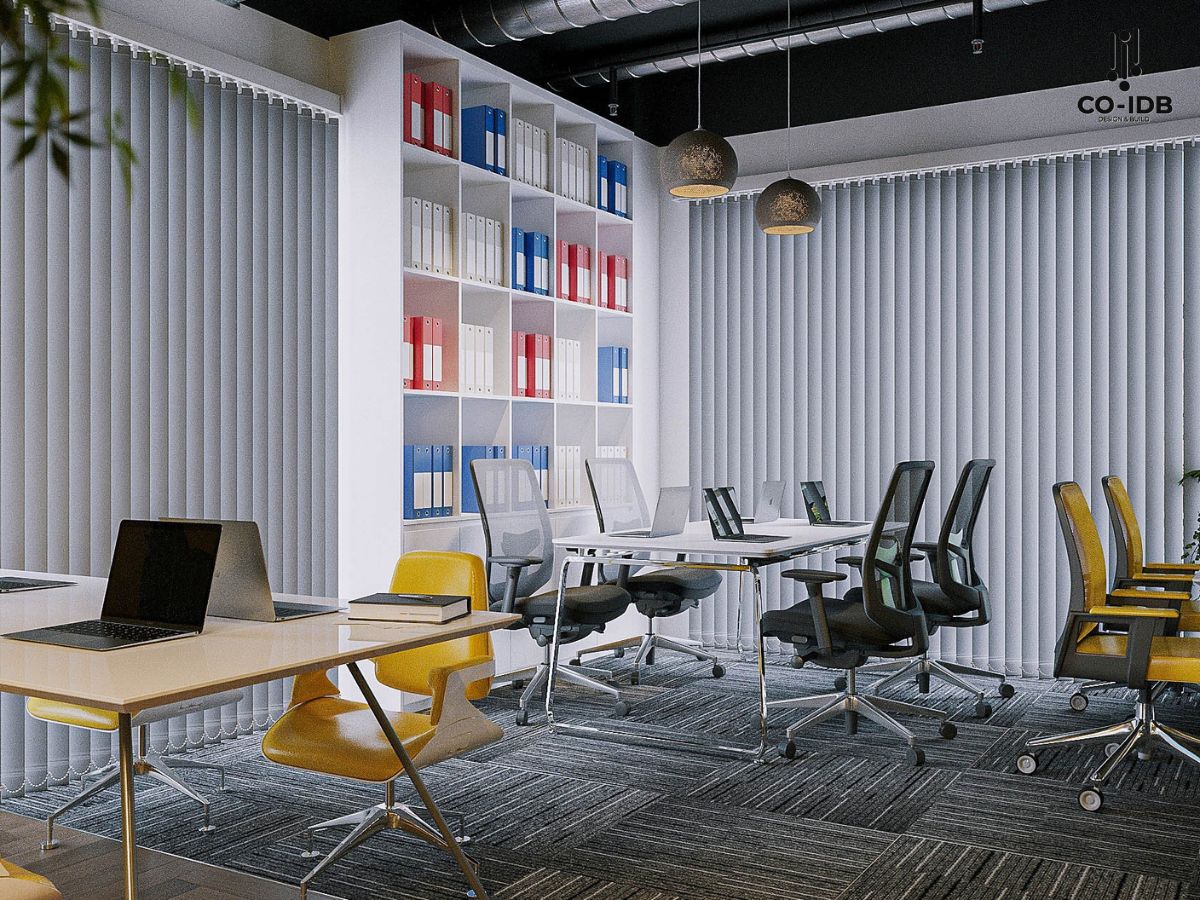
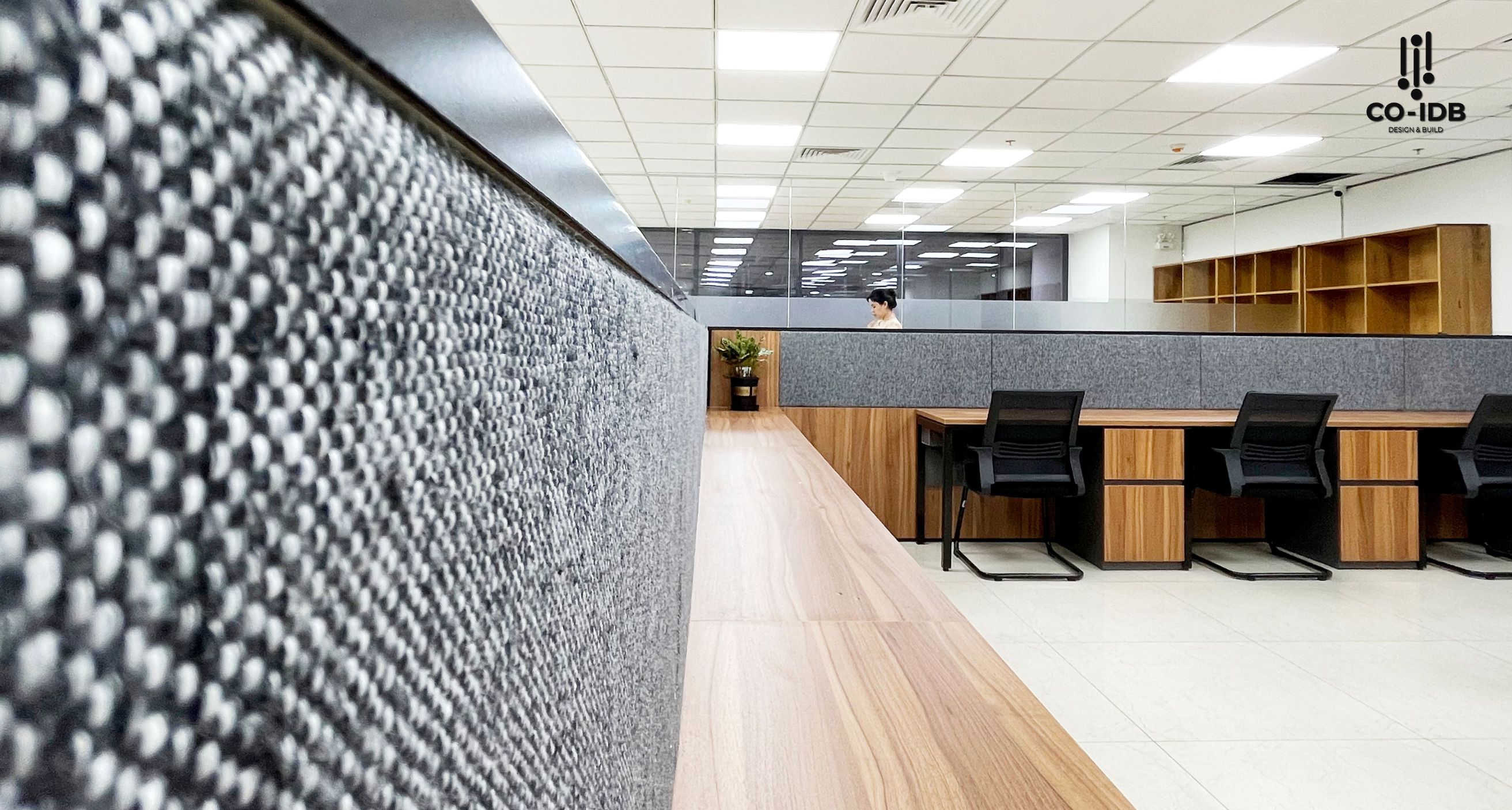
Metal furniture has become a prominent trend in recent years. Not only does it bring sophisticated beauty and luxury, but metal interiors also create an impressive style and clearly express the unique personality of each business. However, integrating metal furniture into a workspace requires ingenuity and specific secrets. Let’s join Co-IDB to explore every aspect of this interior material!

Pros and Cons of Metal Furniture
Advantages of Metal Furniture
-
High Aesthetics: Metals can be manufactured and processed into many different shapes and sizes, allowing designers to create furniture with rich styles and details.
-
Good Mechanical Durability: Metals such as steel, aluminum, and stainless steel have good load-bearing capacity, can withstand heavy loads, are impact-resistant, and resist warping or cracking, making them an ideal choice for interior structures needing stability and high durability.
-
Heat and Corrosion Resistance: Some metals possess excellent resistance to heat and corrosion, making them suitable for various work environments and easy to maintain.
-
Good Thermal and Electrical Conductivity: Metals conduct heat well, helping to maintain temperature stability in the office space. This is particularly useful in controlling the temperature of electronic devices such as computers, printers, and lighting systems, which improves performance and extends equipment lifespan.
-
Competitive Pricing: Compared to other high-end materials like natural wood or stone, metal is often more affordably priced.

Disadvantages of Metal Furniture
-
Prone to Corrosion and Oxidation: Unlike PVC plastic interior materials, metals like iron, steel, and aluminum react with oxygen and water vapor in the air. When exposed to air and humidity, metal is easily oxidized, leading to rust formation or surface oxidation. This reaction reduces the durability and aesthetics of the metal.
-
Lower Comfort: In an office environment, hot metal surfaces can reduce employee comfort, especially during the summer.
-
Risks in Interior Design: If not designed and installed correctly, metal items can create safety issues. For example, metal table or chair legs can cause injury if they are not shielded or handled properly.
-
Maintenance Requirements: Heat-conducting metals may require insulation or cooling solutions to maintain safety and comfort levels. To increase safety, one can consider combining metal materials with fabric interior materials by wrapping a layer of fabric around the metal. However, this can increase maintenance and operational costs.

However, compared to the disadvantages, the advantages such as durability and aesthetics of metal are still superior. Therefore, metal remains a suitable choice for many requirements in interior design.
Types of Metal Materials in Interior Design
Stainless Steel Furniture
As the name suggests, stainless steel stands out for its resistance to corrosion and oxidation, thereby extending the product’s lifespan. Furthermore, stainless steel can be recycled without losing its inherent properties, helping to reduce pressure on the environment. It is not only a durable choice but also contributes to environmental protection.
Aluminum and Glass Furniture
Aluminum, with its durable and lightweight characteristics, is an ideal material for office interior design. Thanks to its superior thermal sensitivity, aluminum helps maintain coolness in the space during high-temperature days.
When combined with interior materials such as glass, aluminum easily creates aesthetic appeal for the workspace. Features like durability and lightweight make aluminum a preferred choice over many other materials.

Iron Furniture
Aesthetically, iron—with its shimmering metallic luster and color diversity—creates a luxurious and magnificent beauty for the office space. Thanks to these features, iron not only highlights beauty but also brings attraction and sophistication, contributing to the unique style of the business owner.
Brass Furniture
Brass is one of the most favored metal materials in interior design thanks to its prominent golden metallic color and shiny surface. These characteristics not only integrate easily into many design styles but also bring a unique beauty mixed with a touch of classicism to the space, creating impressive and stylish highlights.

Brass is not only easy to clean but also maintains its shine and cleanliness when properly cared for. The shaping and bending ability of brass is superior to many other metal materials, allowing for diverse styles, shapes, and patterns in interior design. Moreover, brass is less prone to rusting, helping furniture items maintain their beauty over time.
>> See more: Summary of interior materials commonly used in offices
Classification of Metal Furniture
Ferrous Metal Interior Materials
Metals containing iron, commonly called ferrous metals—including cast iron, iron, steel, and their alloys—all possess magnetic properties. Ferrous metals are widely applied in office appliances like refrigerators, ovens, etc. In particular, steel is the most recycled material in the world, with about 40% of steel production coming from recycled scrap.
Ferrous metals are notable for their high strength and ductility but are prone to rusting due to their iron content. To overcome this, alloys are often melted with chemicals to increase corrosion resistance, as seen in stainless steel. Ferrous metal materials are also processed using various technologies such as welding and casting, helping to create diverse and durable products.

Non-Ferrous Metal Interior Materials
Non-ferrous metals include all metals and alloys except for iron and its alloys. Non-ferrous metals produced from scrap are called secondary non-ferrous metals, while those produced from primary ores are called primary non-ferrous metals.
Classifications of non-ferrous metals include:
-
Heavy metals: zinc, lead, copper, tin, nickel.
-
Light metals: aluminum, titanium, magnesium.
-
Refractory metals, dispersed metals, precious metals: gold, silver, platinum group.
-
Rare metals: rare elements.
Non-ferrous metals have low melting points, making them easy to melt and cast into many details according to product requirements. Some advantages include good corrosion and wear resistance, no rusting, stable chemical properties, and good electrical and thermal conductivity. However, non-ferrous metals have lower mechanical strength and a relatively high cost.

Tips for Designing Office Spaces with Metal Furniture
Combining Metal and Wood
It can be said that the combination of wood and metal opens up infinite possibilities in interior design. These two materials, which might seem difficult to harmonize, become balanced and creative under the hands of talented designers, creating unique and attractive designs.
Metal, with its advantages of durability and lightweight, helps reduce the bulkiness of wood furniture without losing its inherent luxury and nobility. Conversely, wood becomes a warm and solid highlight, increasing the aesthetic value of metal items. The combination of wood materials and metal fits almost all design styles, from classic to modern, creating sophisticated and inspiring workspaces.

Combining Metal and Stone
In addition to wood, stone is also a commonly used material alongside metal in office interior design. The combination of stone and metal creates impressive items such as tables, chairs, and sinks. Although stone often brings a heavy and cold feeling, it provides a perfect balance when combined with metal. This blend helps highlight the strong and luxurious beauty of both materials, creating sophisticated and stylish interior designs.
Combining Metal and Glass
Sunlight passing through glass panes and reflecting off metal surfaces creates a beautiful lighting effect. This effect changes throughout the day, bringing different forms and emotions. These shimmering and enchanting moments not only highlight the beauty of the interior but also create a vivid and inspiring workspace.

Notes When Choosing Metal Furniture
When choosing metal furniture, selecting the right color for the space is very important:
-
Metallic Silver: Brings a minimalist beauty and a sense of airiness, ideal for reception rooms.
-
Metallic Gold: Creates luxury and royalty, often used for spaces like reception desks.
-
Metallic Rose Gold: Brings gentleness and sophistication, not too classic yet still expressing luxury. This color tone is suitable for breakrooms.
We hope that the information about metal furniture provided by Co-IDB will give you a more comprehensive view of the pros and cons of metal materials. From there, you can make the right decisions when choosing for your office. If you need to change your workspace or require consultation on interior materials, do not hesitate to contact Co-IDB immediately for prompt support.
>> See more: