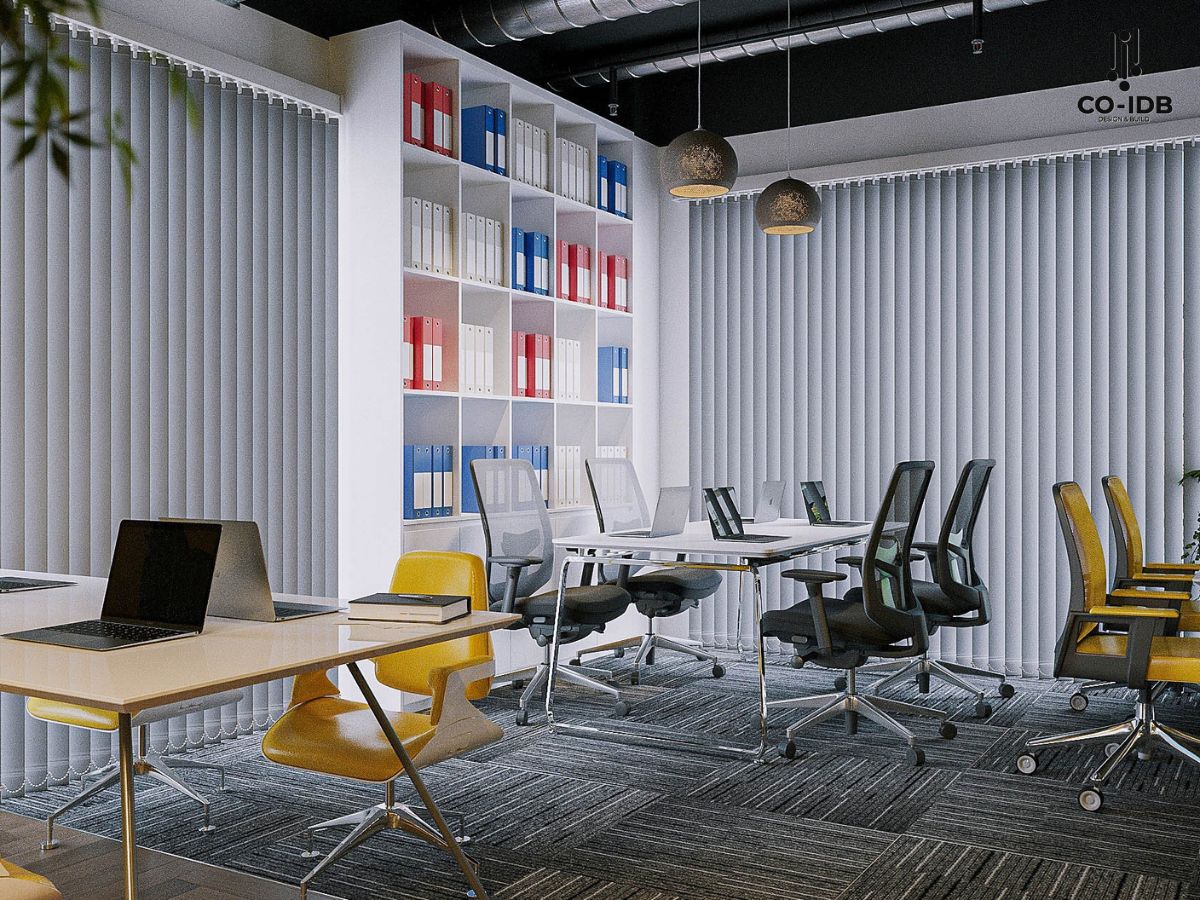
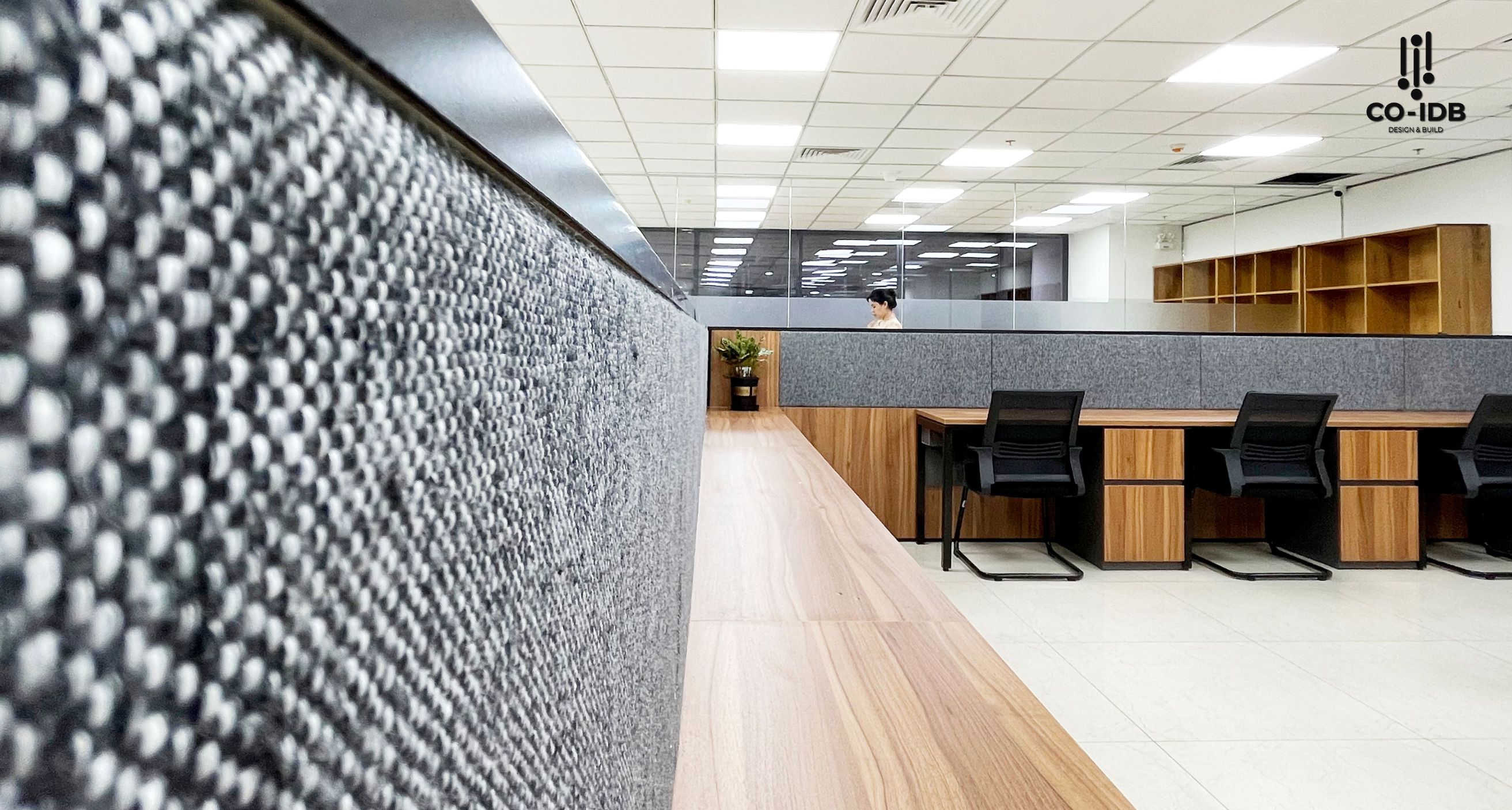
Natural light is a crucial factor in modern office design. Maximizing natural light sources not only improves employee health and morale but also saves energy. Discover the secrets to smart and effective light-harvesting office design right now.

The Importance of Natural Light in the Working Environment
Natural light plays an essential role in an effective working environment. It positively impacts the mental and physical health of employees, helping to reduce stress and improve mood. Furthermore, natural light contributes significantly to office energy savings while creating a sustainable and environmentally friendly workspace.
Here are some key benefits of natural light in the office:
- Increases work productivity
- Improves employee health and mood
- Saves energy costs
- Creates an aesthetic and professional workspace
- Stimulates creativity and innovation
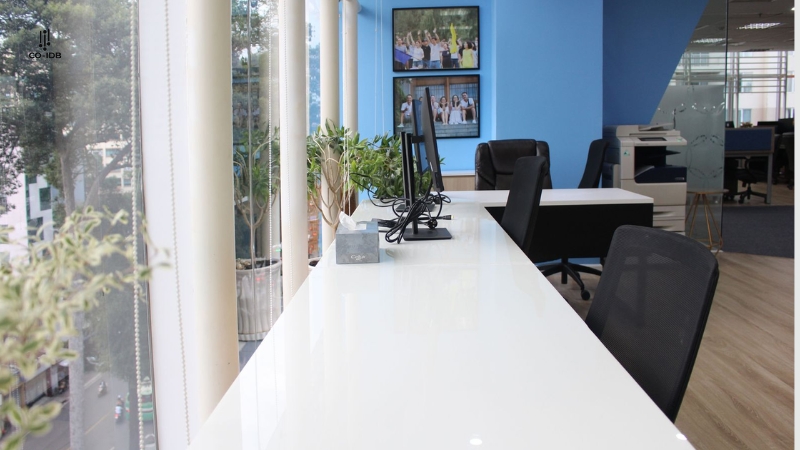
Impact of Natural Light on Work Performance
Natural light has a positive impact on employee performance in the office. Research shows that employees working in environments with natural light increase productivity by up to 15-20% compared to those working in environments with only artificial light.
Natural light improves concentration and helps reduce fatigue, thereby enhancing the quality of work. Additionally, natural light stimulates creativity and innovative thinking, which is particularly important in professions that demand high creativity.
Moreover, exposure to natural light can help regulate the body’s circadian rhythm, improving sleep quality and boosting the immune system. Sunlight stimulates the production of vitamin D in the body, which is essential for healthy bones and a strong immune system.
Psychologically, natural light creates a positive mood and reduces the risk of depression, especially during winter months when natural daylight hours are shorter.

See more: Office lighting design: standards to keep in mind
Methods to Utilize Natural Light in Office Design
Office Furniture Layout
Ergonomic furniture layout plays an important role in optimizing the use of natural light at the workplace. Desk positions should be arranged to maximize natural light without causing glare or discomfort for employees. Some ergonomic principles to keep in mind:
-
Place computer screens perpendicular to windows to reduce glare
-
Use height-adjustable desks so employees can change their working posture
-
Arrange adjustable ergonomic chairs to ensure a comfortable sitting posture
-
Use supplemental task lighting when necessary
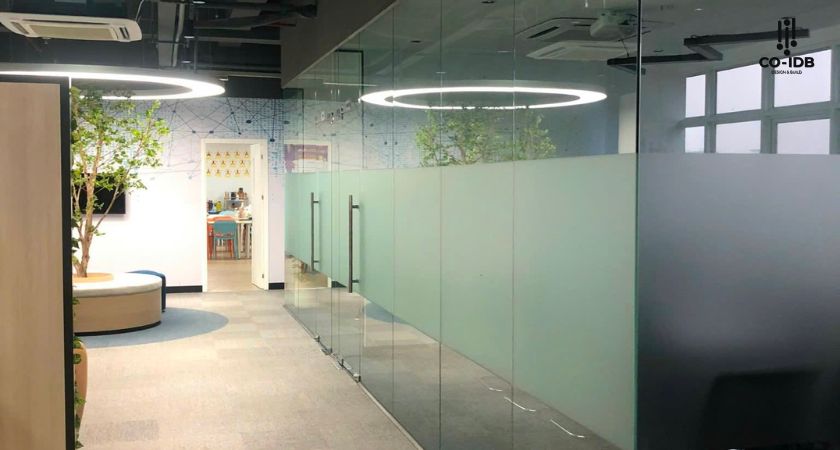
The combination of ergonomics and natural light creates a comfortable and efficient working environment, helping to reduce stress and fatigue for employees. Additionally, using low or transparent partitions allows natural light to spread wider throughout the office.
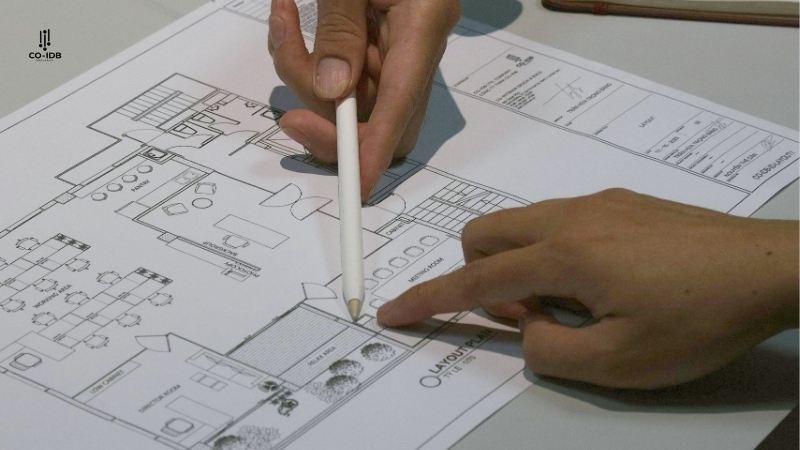
Using Furniture to Harness Natural Light
Large Glass Windows
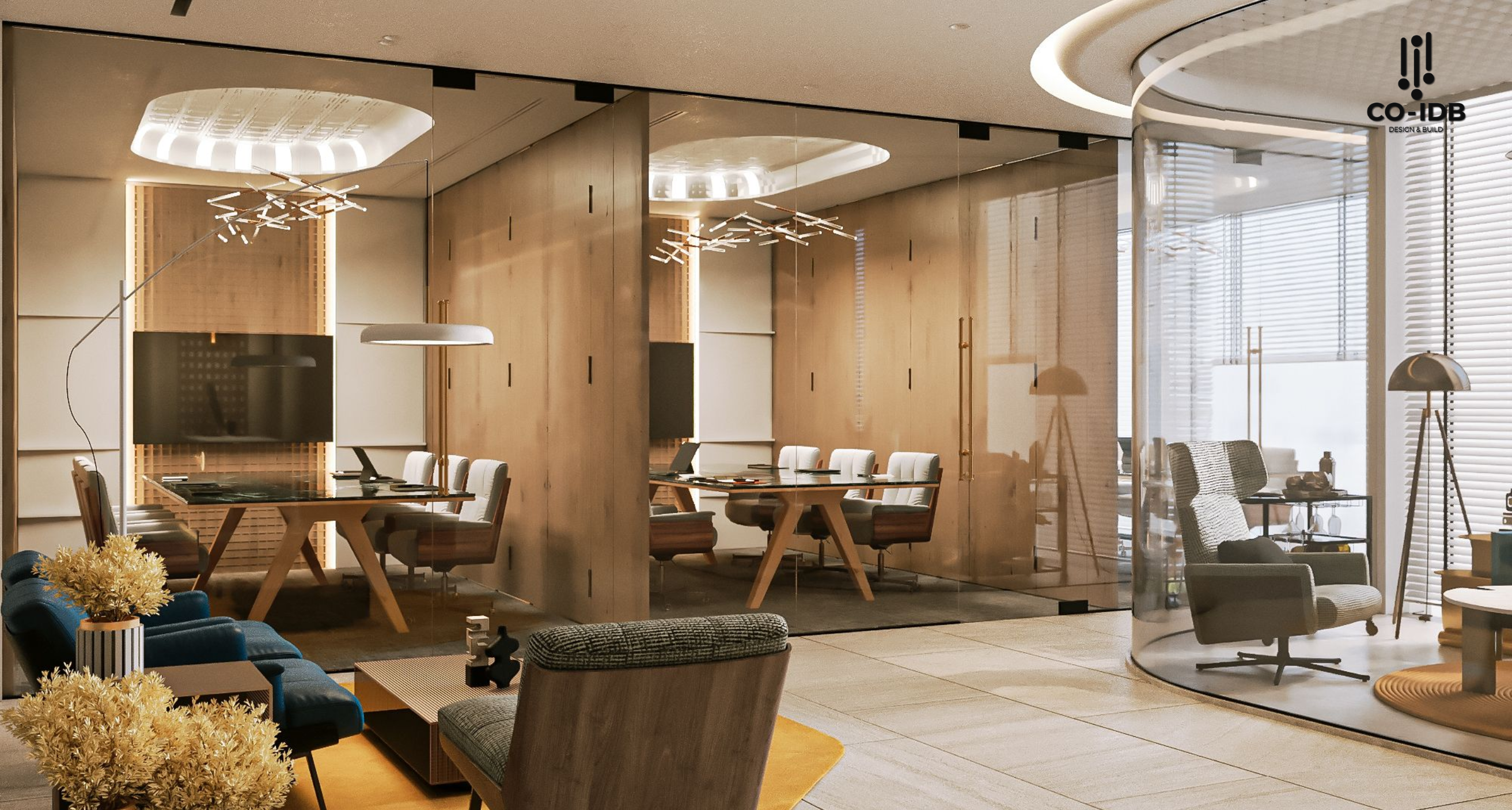
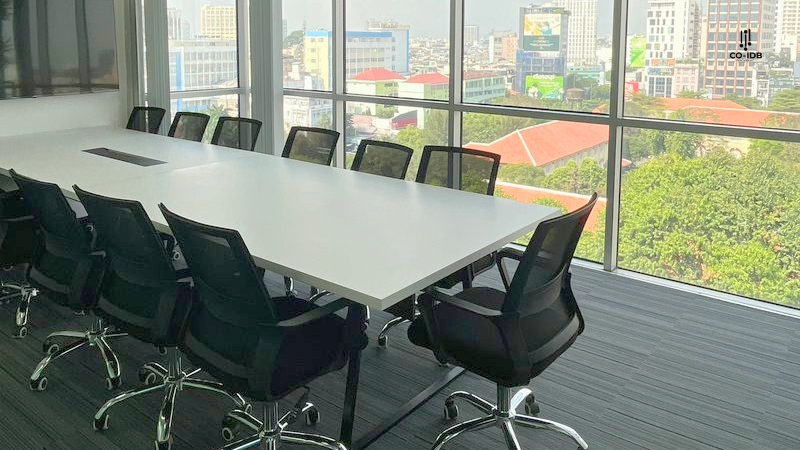
Large glass windows allow natural light to permeate the workspace, reducing the need for artificial lighting. Furthermore, large glass windows create panoramic views of the outside, helping employees feel connected to their surroundings and reducing the feeling of being confined. However, large windows need to be carefully designed to avoid glare and excessive heat gain during hot days.
Smart Blinds to Adjust and Balance Light
Smart blinds help effectively adjust the light balance in the office. Automatic blind systems can adjust based on light intensity and the sun’s position, ensuring there is always enough natural light without causing glare or overheating.
Smart blinds also contribute to energy savings by reducing the demand for air conditioning and artificial lighting. Additionally, blinds provide privacy when needed, especially during meetings or when working with sensitive information.
Application of Light-Reflecting Materials
Light-reflecting materials play an important role in optimizing natural light in the office. These materials have the ability to reflect and diffuse light effectively, helping light “spread evenly” across the workspace. Some examples of light-reflecting materials include:
- Light-colored or high-gloss wall paint
- Reflective glass
- Glossy wall tiles
- Polished metal panels
The appropriate use of these materials enhances natural lighting efficiency while creating a dynamic workspace.
Open Workspace Design
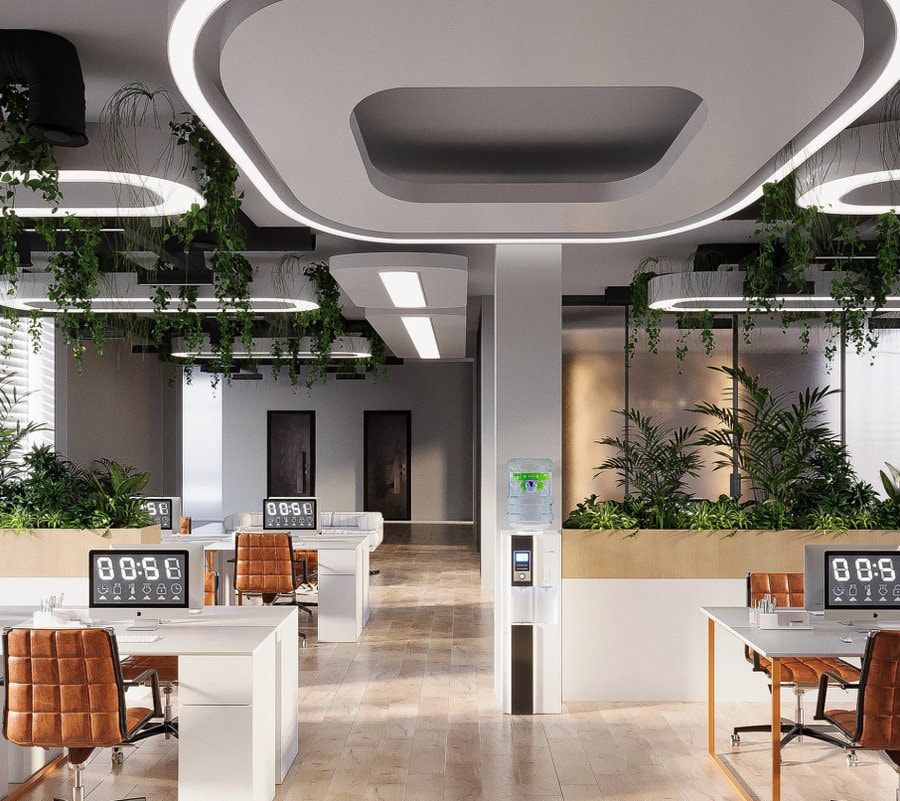
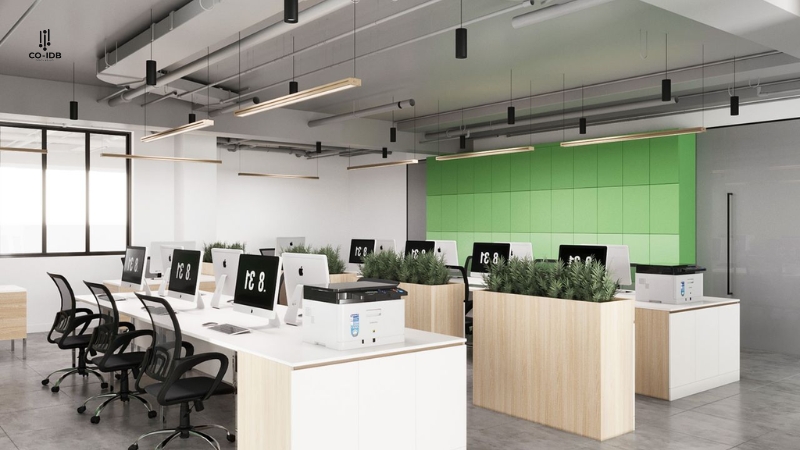
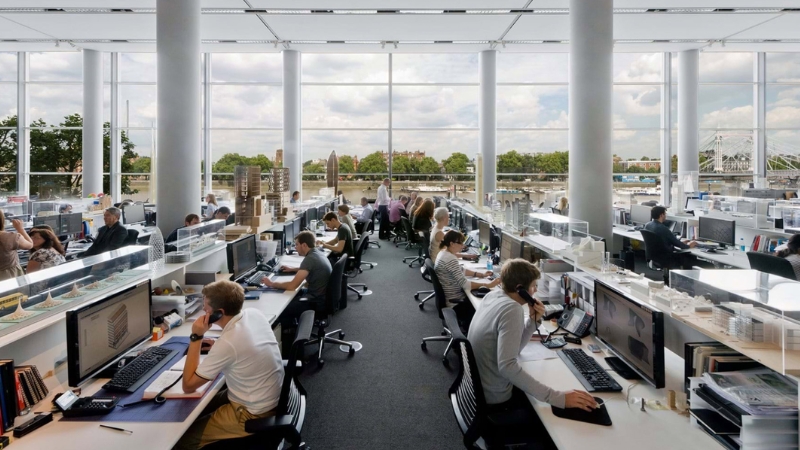
Open workspace design enhances natural light circulation in the office. Open spaces allow natural light to penetrate deeper into work areas, minimizing the need for artificial lighting. Furthermore, open design creates a flexible working environment and encourages interaction among employees. However, the following factors should be considered when designing open spaces:
-
Use movable partitions or greenery to create private spaces when needed
-
Arrange quiet areas for work requiring high concentration
-
Use sound-absorbing materials to reduce noise
A well-planned open space design not only balances the need for natural light and employee privacy but also creates an efficient and comfortable working environment.
Challenges and Solutions When Applying Natural Light in the Office
Applying natural light in the office sometimes encounters challenges in design and operation. Here are some common challenges and their corresponding solutions:
|
Challenge |
Solution |
|
Glare and screen reflection |
Use adjustable blinds, anti-glare glass |
|
Temperature increase in the office |
Install heat-insulating glass, efficient cooling systems |
|
Lack of light on cloudy days |
Combine with adjustable LED lighting systems |
|
Difficulty controlling light in large spaces |
Use automated lighting management systems |
|
High initial investment cost |
Calculate long-term ROI, consider productivity and health benefits |
Identifying and resolving these challenges helps optimize the application of natural light, bringing maximum benefits to the business and employees.
Real-World Examples of Offices Effectively Using Natural Light
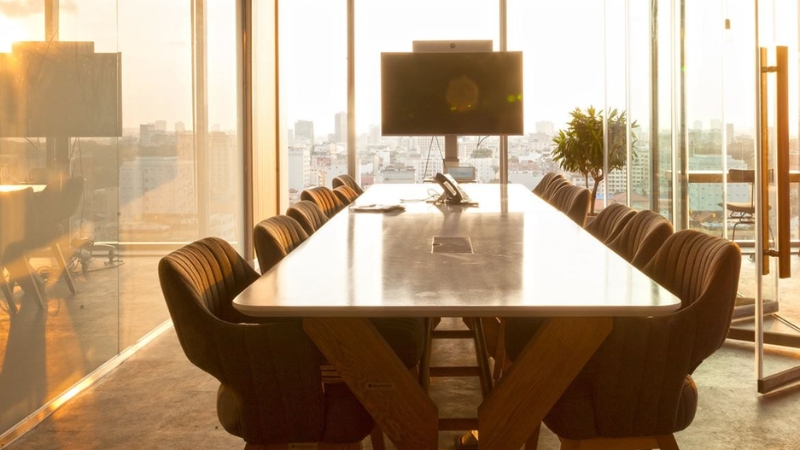
Many large enterprises have successfully harnessed natural light for their offices. Here are some typical examples:
-
Apple Park, California: A circular building with massive glass walls, maximizing natural light and views.
-
Amazon Spheres, Seattle: A unique design with glass domes, creating a work environment filled with natural light and greenery.
-
L’Oreal Headquarters, Paris: Uses large windows and open design to make the most of natural light.
These examples demonstrate the potential and benefits of applying natural light in modern office design.
In conclusion, applying natural light in the office is not just a trend but a smart investment for the future of the business. By combining clever design, advanced technology, and environmental awareness, businesses can create optimal workspaces, enhancing employee performance and health while contributing to the sustainable development of society.
>>> See more: