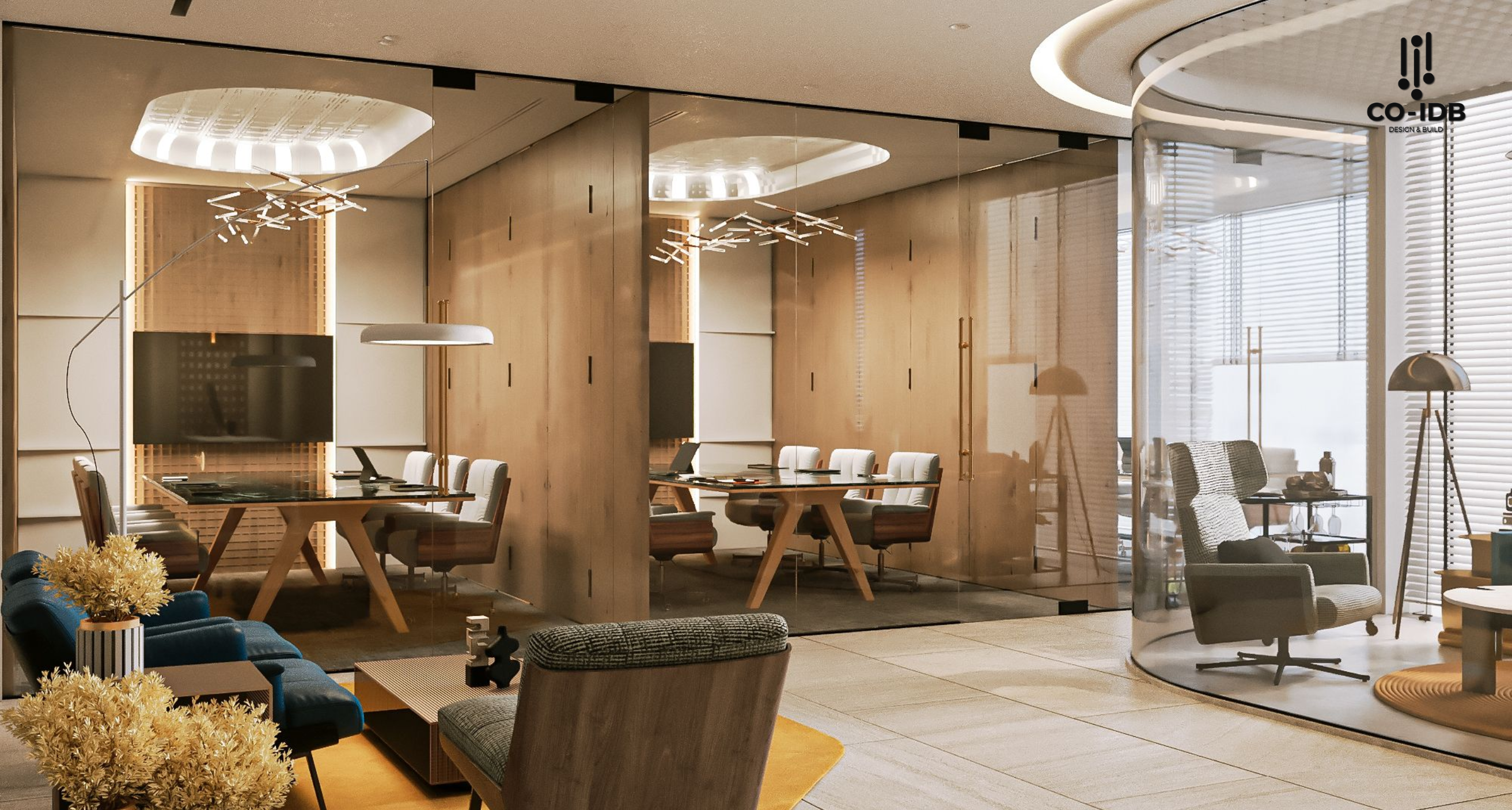
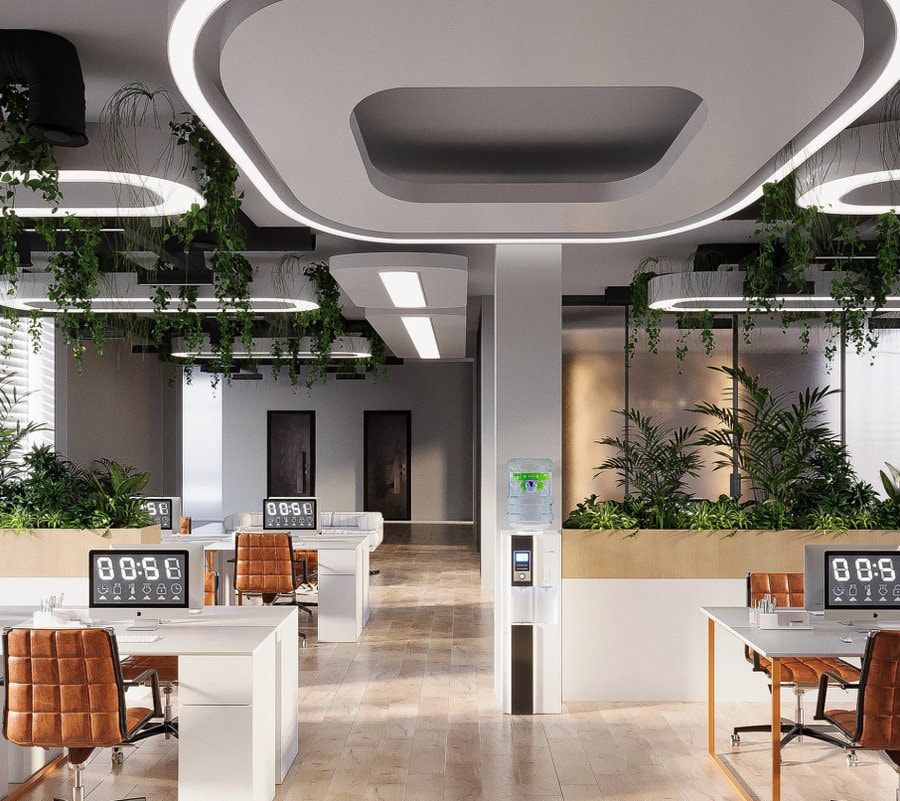
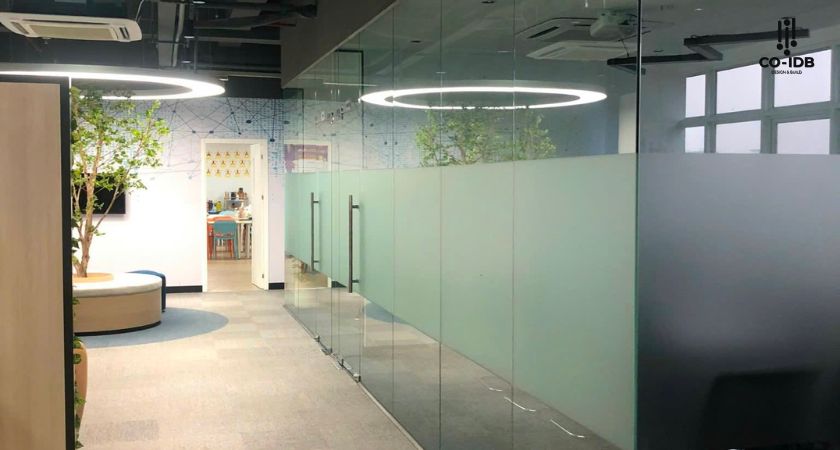
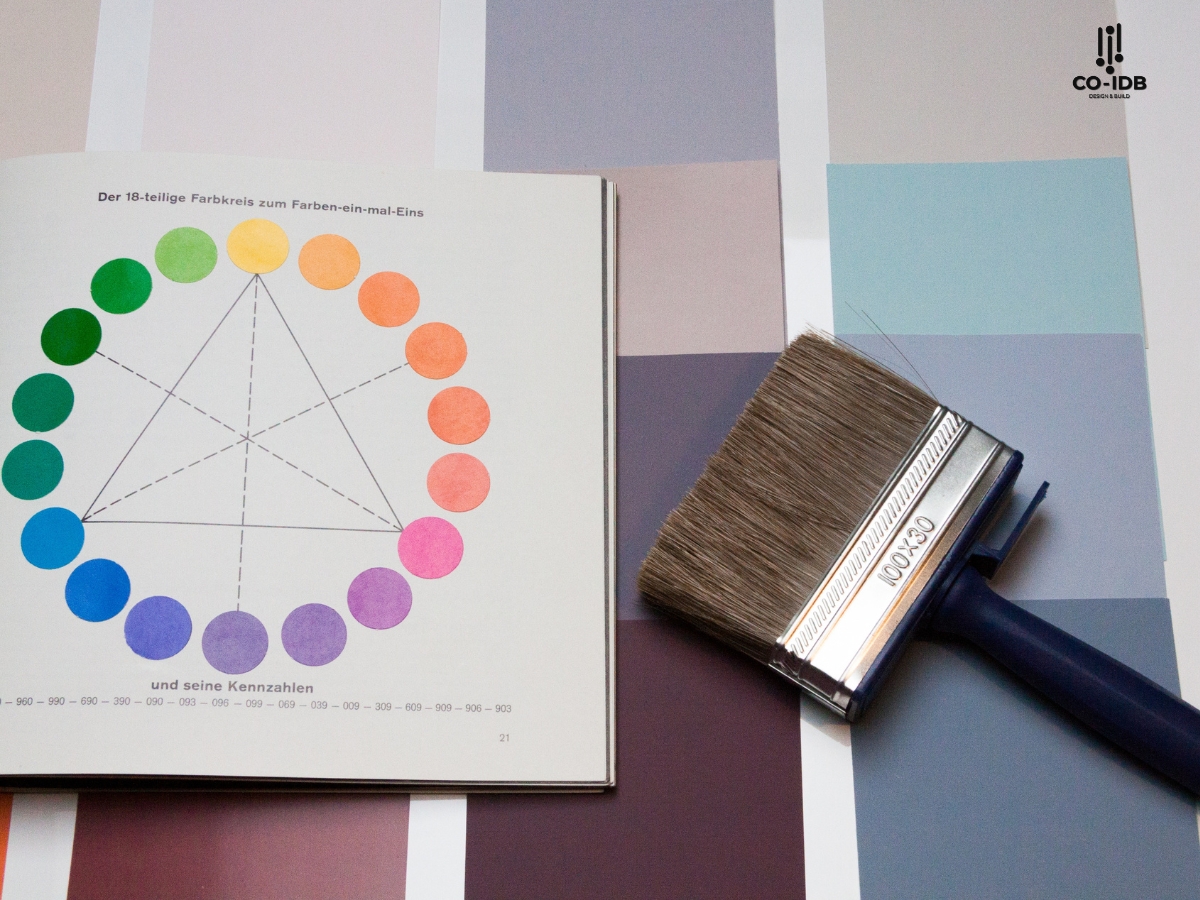
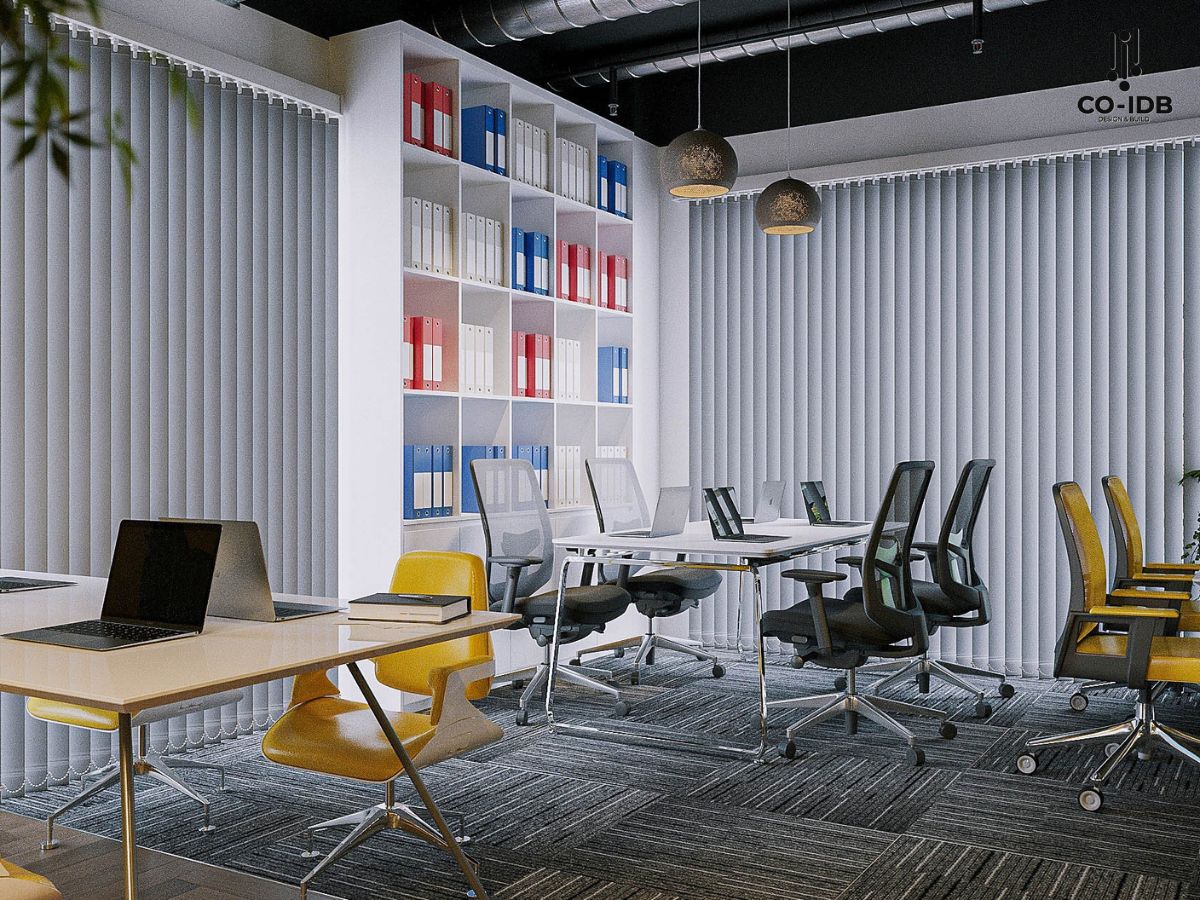
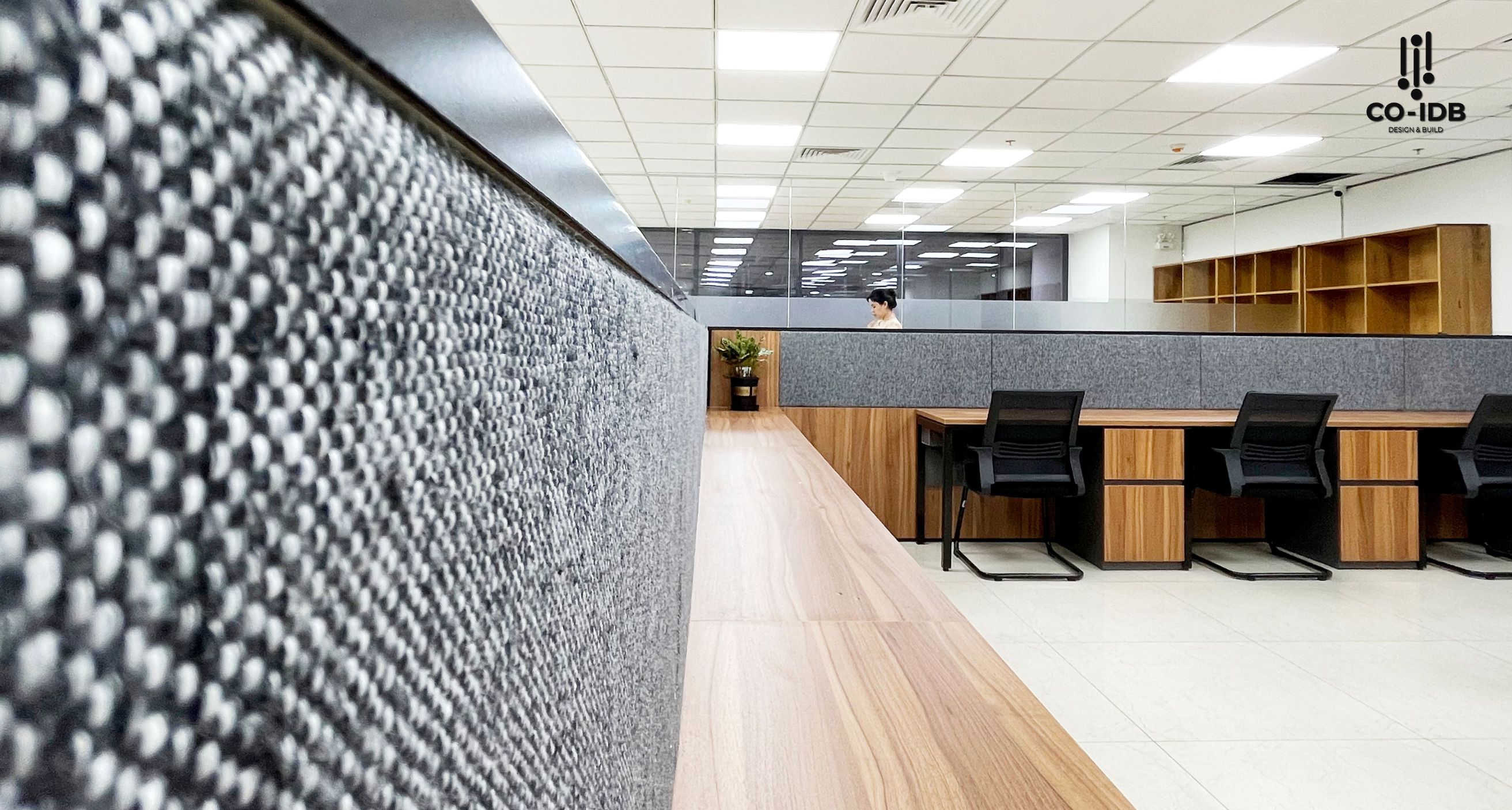
The Scandinavian style is a philosophy of simple and unique design, originating from the Nordic countries. The highlights of this style are its minimalism and harmony with nature. Scandinavian design creates living and working spaces that are both aesthetic and practical, while reflecting the balanced and sustainable lifestyle of the Nordic people. In the modern office environment, this style not only helps increase work productivity but also improves employees’ mental health.

What is Scandinavian Style? History and Origin of the Style
Scandinavian style is an interior design trend originating from Nordic countries such as Sweden, Norway, and Denmark. It typically uses neutral color palettes like white, gray, and natural wood tones, combined with natural light to create an airy and cozy space. The Scandinavian style not only offers aesthetic beauty but also reflects a balanced and sustainable lifestyle.
The Scandinavian style stems from the Nordic modern movement in the 1950s. Harsh climate conditions encouraged the development of a design style focused on functionality, warmth, and comfort. Nordic designers created beautiful yet practical furniture pieces, reflecting the philosophy of “form follows function.”
The Scandinavian design exhibition, held in North America and the UK in the 1950s, introduced this style to the world. Since then, the subtle simplicity and practical functionality of the Scandinavian style have captured the hearts of many globally.

>> See more: Top most favored office design styles in 2026
Key Characteristics of Scandinavian Style in Design
The Scandinavian style is characterized by three core elements: minimalism, functionality, and nature.
Minimalism: Scandinavian spaces eliminate unnecessary elements, focusing on simplicity and sophistication.
Functionality: Every piece of furniture must have a clear purpose, reflecting the philosophy of “less is more, but high quality.”
Nature: Scandinavian design connects people with nature through the use of natural materials and maximizing natural light.
The combination of these three elements creates living and working spaces that are visually appealing, practical, and comfortable.

Office Furniture in Scandinavian Style
Scandinavian furniture perfectly blends aesthetics and functionality. Pieces often feature simple design, clean lines, and are made from high-quality materials.
Some characteristic furniture pieces commonly used in a Scandinavian office include:
Desk
-
Simple design: Scandinavian desks have a streamlined, minimalist design with straight lines and few complex details. Desks are often made of light-colored wood, possibly including one or two drawers for added utility.
-
Wooden legs: Table legs are often slender and neat, made from natural wood to give the space a light and elegant feel.

Office Chair
-
Wood or upholstered chairs: Office chairs in this style often have a wooden frame or are upholstered in wool or sheepskin fabric, creating a soft, warm feeling while maintaining the necessary comfort for work.
-
Ergonomic chairs: Some office chairs have an ergonomic design to support the sitter during long periods while remaining comfortable, with simple colors and materials that fit the Scandinavian style.

Filing Cabinet
-
Minimalist wooden cabinet: Filing cabinets are usually made from light-colored wood, with large drawers or open shelves for easy storage. The cabinet may have high legs to create a sense of airy space and ease of movement.
-
Wall-mounted shelves: Besides standing cabinets, wooden wall-mounted shelves are also a smart storage solution, taking up little space while maintaining tidiness.

Bookshelf
-
Simple, airy shelves: Bookshelves have a minimalist design, often made of wood with an open style to create airiness in the space. Shelves are typically not bulky, but light and elegant in style.
Lighting
-
Desk and floor lamps: Scandinavian-style lamps usually have a minimalist design yet remain stylish, using metal or wood materials, often in white or black to create a focal point.
-
Optimizing natural light: Scandinavian style strongly emphasizes natural light, so offices are often arranged to maximize sunlight, combined with lighting fixtures to create a comfortable workspace.

Office Rugs
-
Wool or woven fabric rugs: To add warmth to the workspace, rugs made of wool or woven fabric with gentle geometric patterns are often used under chairs and desks.

Wall Art in Scandinavian Style
Accessories such as wall art, vases, or small decorative items usually have a simple, refined design, avoiding clutter to maintain the true Scandinavian spirit.

>> See more: Furniture used for luxury style
Suggested Scandinavian Style Design Images
Many companies worldwide have successfully applied the Scandinavian style to their office designs. Here are some notable examples:
-
Spotify (Stockholm, Sweden): The office combines open space with cozy relaxation areas, reflecting the creative and dynamic company culture.

-
LEGO (Billund, Denmark): The headquarters embodies the brand’s playful spirit while maintaining the functionality and minimalism of the Scandinavian style.

-
Airbnb (Copenhagen, Denmark): The office recreates a living space with Scandinavian furniture, creating a comfortable and inspiring work environment.

-
Google (Stockholm, Sweden): Combines advanced technology with Scandinavian design, creating a workspace that is both modern and cozy.

These examples demonstrate the adaptability of the Scandinavian style to various industries and company cultures, and showcase its positive impact on the working environment.
Conclusion
The Scandinavian style has proven its value in modern office design. By combining aesthetics, functionality, and sustainability, it creates a working environment that is not only beautiful but also promotes employee health, productivity, and creativity. As companies increasingly recognize the importance of office design for business performance, the Scandinavian style will surely continue to be favored and developed in the coming years.
> See more: What is the Rustic style? 5 ideas for rustic office design