“
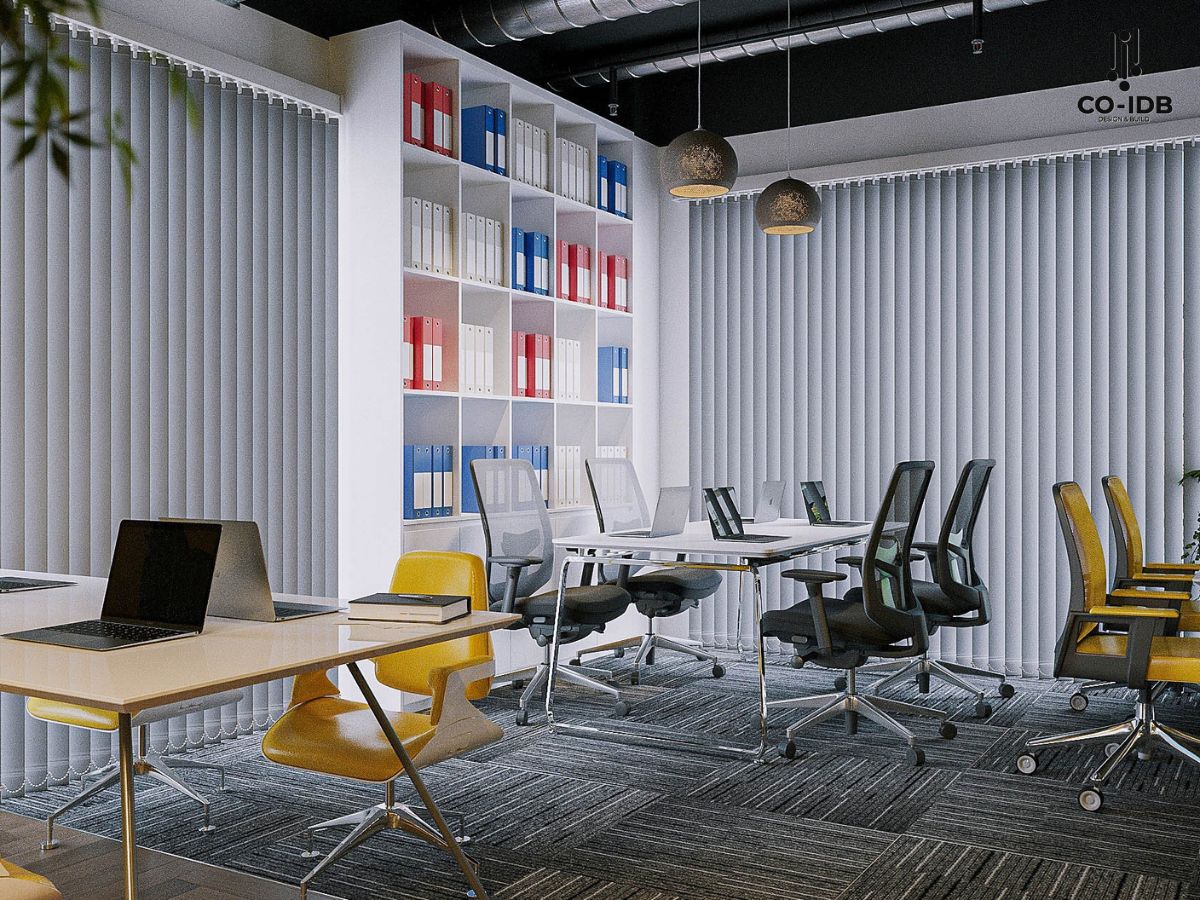
In the context of increasing urbanization, optimizing a small office becomes an essential skill for businesses and individuals. This article will explore the critical aspects of decorating a small office, including design principles, furniture selection, the use of color and lighting, as well as smart storage solutions and how to create a workspace that is both professional and comfortable.
Understanding Small Workspaces
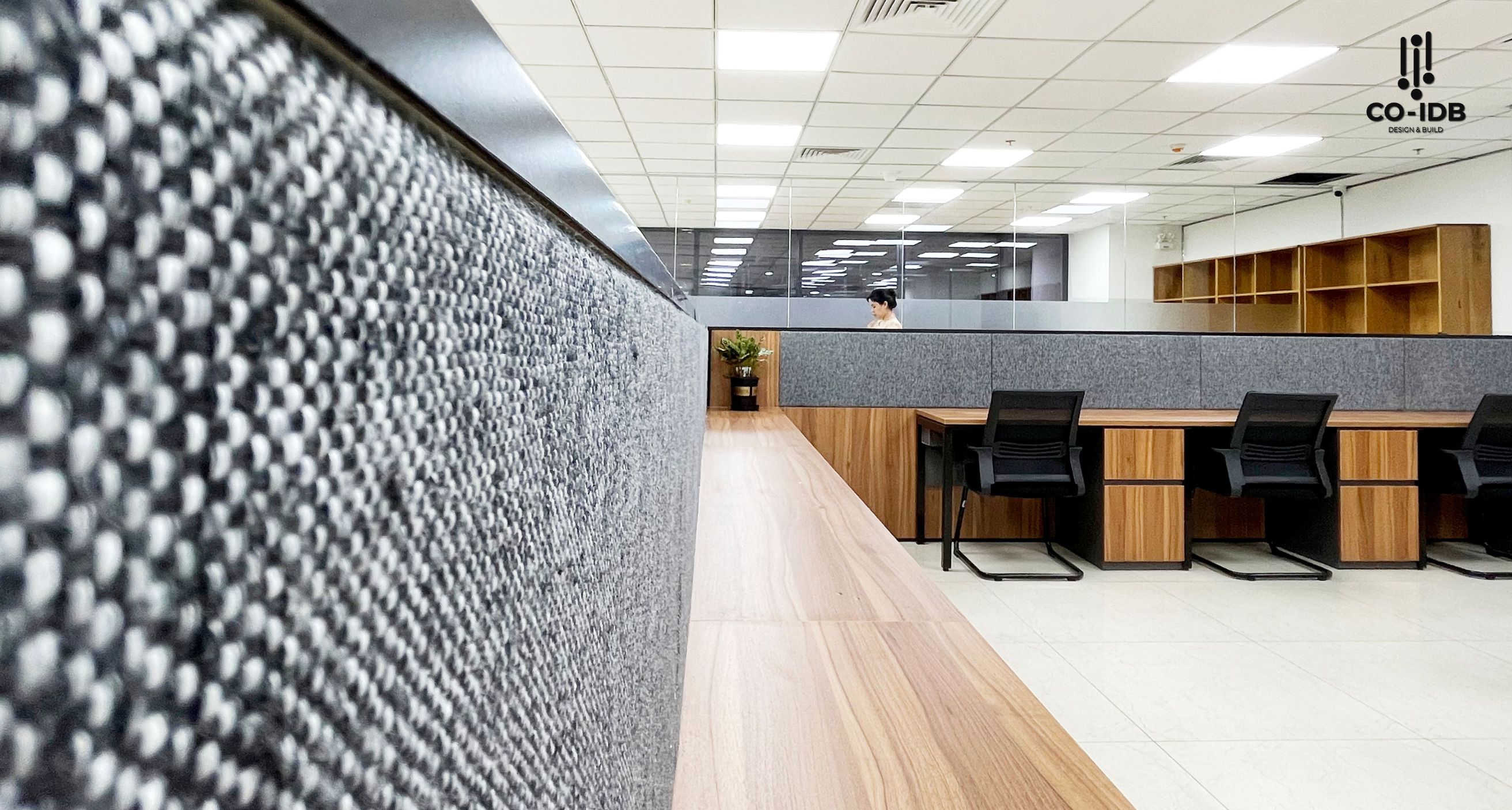
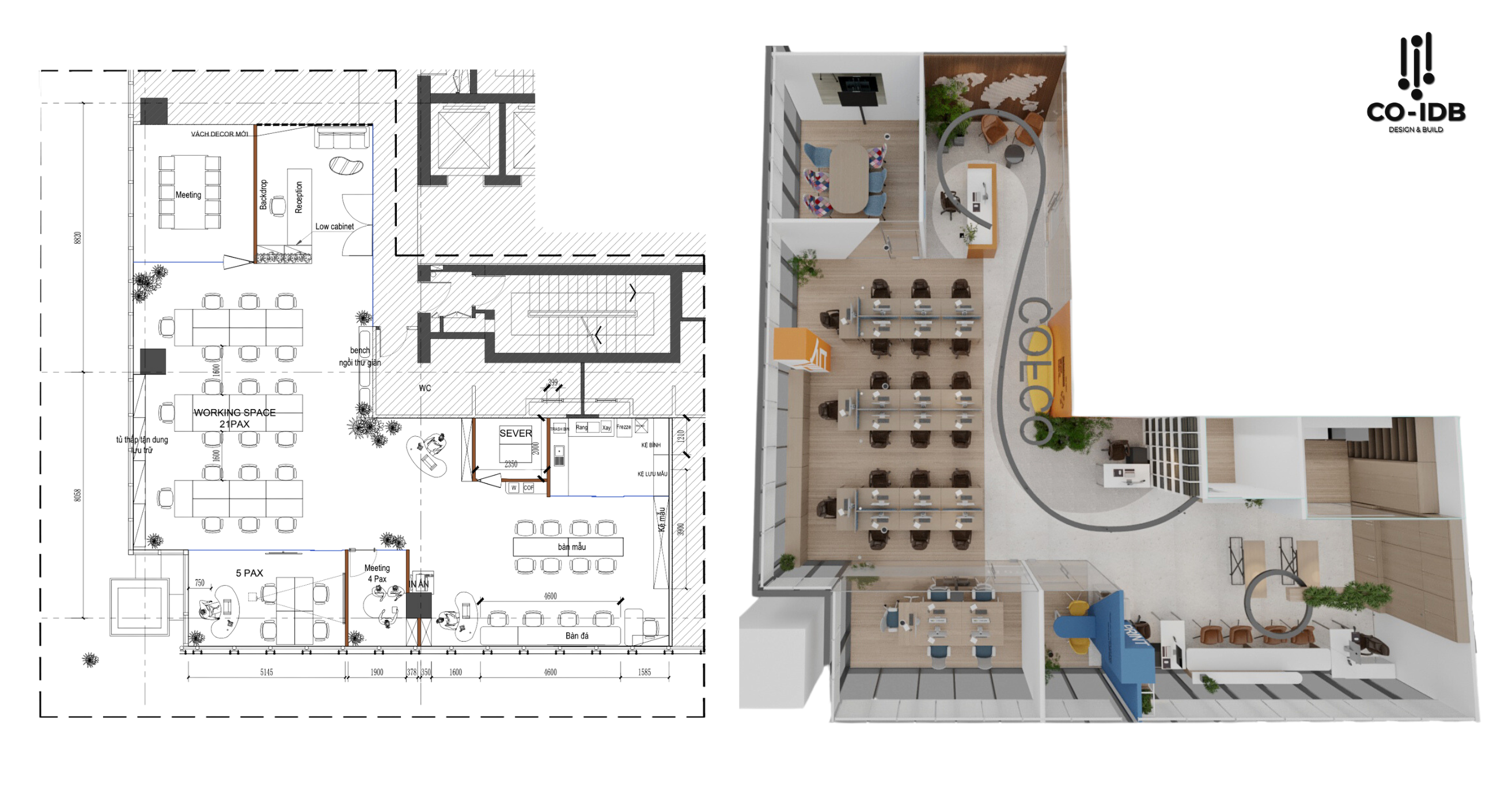
A compact workspace is characterized by limited area and multi-functional needs. Small offices often have an area of less than 50 square meters and require creativity in space optimization. The main features of this type of office include:
-
The need to maximize every square centimeter
-
The necessity of multi-functional furniture
-
The challenge of creating private spaces
To better understand a compact workspace, consider the following comparison table:
|
Feature |
Small Office |
Large Office |
|
Area |
< 50 m² |
> 100 m² |
|
Furniture |
Multi-functional, lightweight |
Specialized, comprehensive |
|
Storage |
Optimized, smart |
Spacious, traditional |
|
Lighting |
Maximize natural light |
Complex lighting system |
|
Layout |
Flexible, easy to change |
Fixed, clearly divided |
Basic Principles in Small Office Decoration
Decorating a small office should adhere to the principles of minimalism and multi-functionality. When designing a small office, applying basic principles will help create an effective workspace. The three most important principles include:
-
Minimalism: Eliminate unnecessary items, focus on the office’s primary function.
-
Multi-functionality: Choose furniture that can serve multiple purposes, such as a foldable desk or a swivel chair with storage drawers.
-
Smart Organization: Use creative storage solutions like wall-mounted shelves or mobile filing cabinets.
Applying the principle of minimalism helps create a tidy and professional workspace. By eliminating unnecessary elements, you not only increase usable area but also minimize distractions, thereby enhancing concentration and work performance.
See more: 5+ suggestions for super beautiful interior decorations for the office

Ways to Optimize a Small Workspace Decoration
Optimizing Lighting in the Office
Lighting plays a crucial role in optimizing the workspace. Appropriate lighting not only helps save energy but also creates a comfortable and effective working environment. To optimize lighting in a small office, consider the following factors:
-
Maximize natural light: Arrange desks near windows, use light curtains to adjust brightness.
-
Use decorative office lighting: Combine desk lamps, floor lamps, and wall lamps to create layers of light.
-
Choose smart bulbs: Use LED lights with adjustable brightness and color temperature.
Decorative office lights not only provide illumination but also create an aesthetic highlight. For example, a uniquely designed desk lamp can both provide focused light for work and be a part of the interior decoration.
Selecting and Arranging Smart Office Furniture
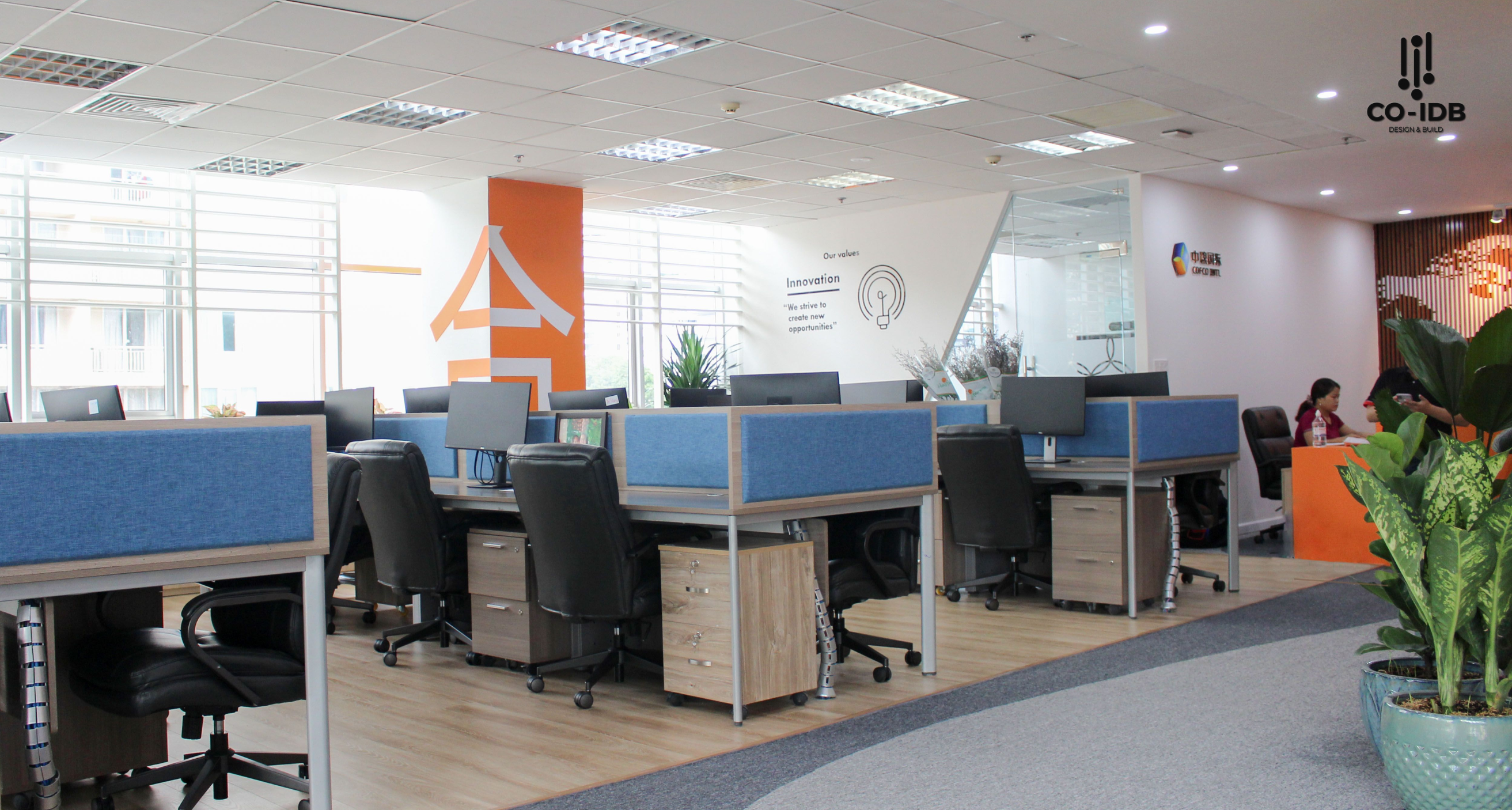
Selecting and arranging office furniture plays a key role in optimizing the workspace. When choosing furniture for a small office, prioritize multi-functional, lightweight, and easy-to-move models. Here are a few suggestions:
-
Desk: Choose a height-adjustable desk or a foldable desk when not in use.
-
Office chair: Prioritize ergonomic chairs to ensure health during long working hours.
-
Filing cabinet: Use mobile filing cabinets or wall-mounted cabinets to save floor space.
The office furniture arrangement should follow the principle of creating unobstructed traffic flow. Place the desk in a central position, with enough movement space around it. Use movable partitions or multi-functional bookshelves to create separate functional areas within the small office.
Effective Use of Color in Office Decoration
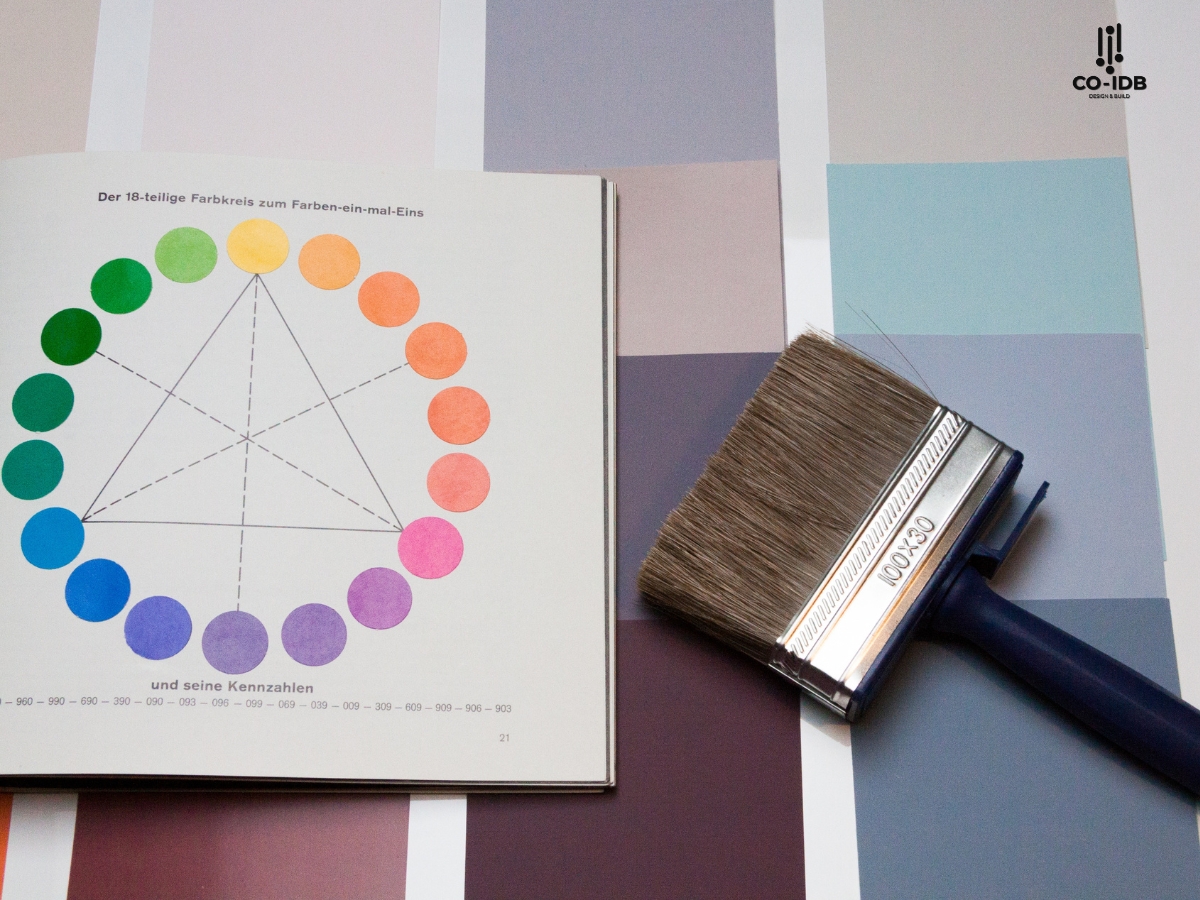
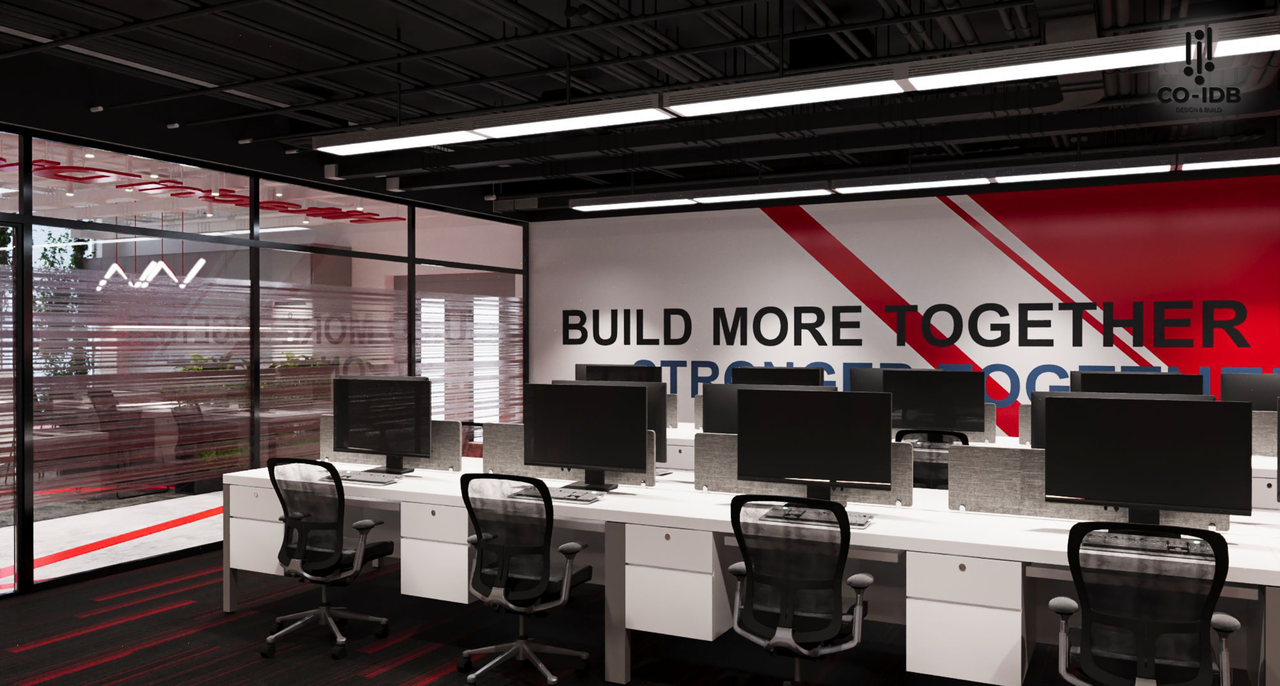
Color strongly affects mood and work productivity. When decorating a small office, choosing the right color palette can create the illusion of a larger space and foster a positive work environment. Below is a suggested color palette for small offices:
|
Color |
Psychological Impact |
Area of Use |
|
White |
Clean, spacious |
Walls, ceiling |
|
Light Green |
Fresh, focused |
Accents, plants |
|
Light Gray |
Professional, neutral |
Furniture, floor |
|
Blue |
Calm, creative |
Decorative accessories |
|
Light Yellow |
Optimistic, energetic |
Small accents |
Appropriate color coordination helps create a harmonious and effective workspace. Use white or light tones for walls and ceilings to create a spacious feel, combined with color accents through furniture or decorative accessories.

Decorating the Office with Paintings and Artwork
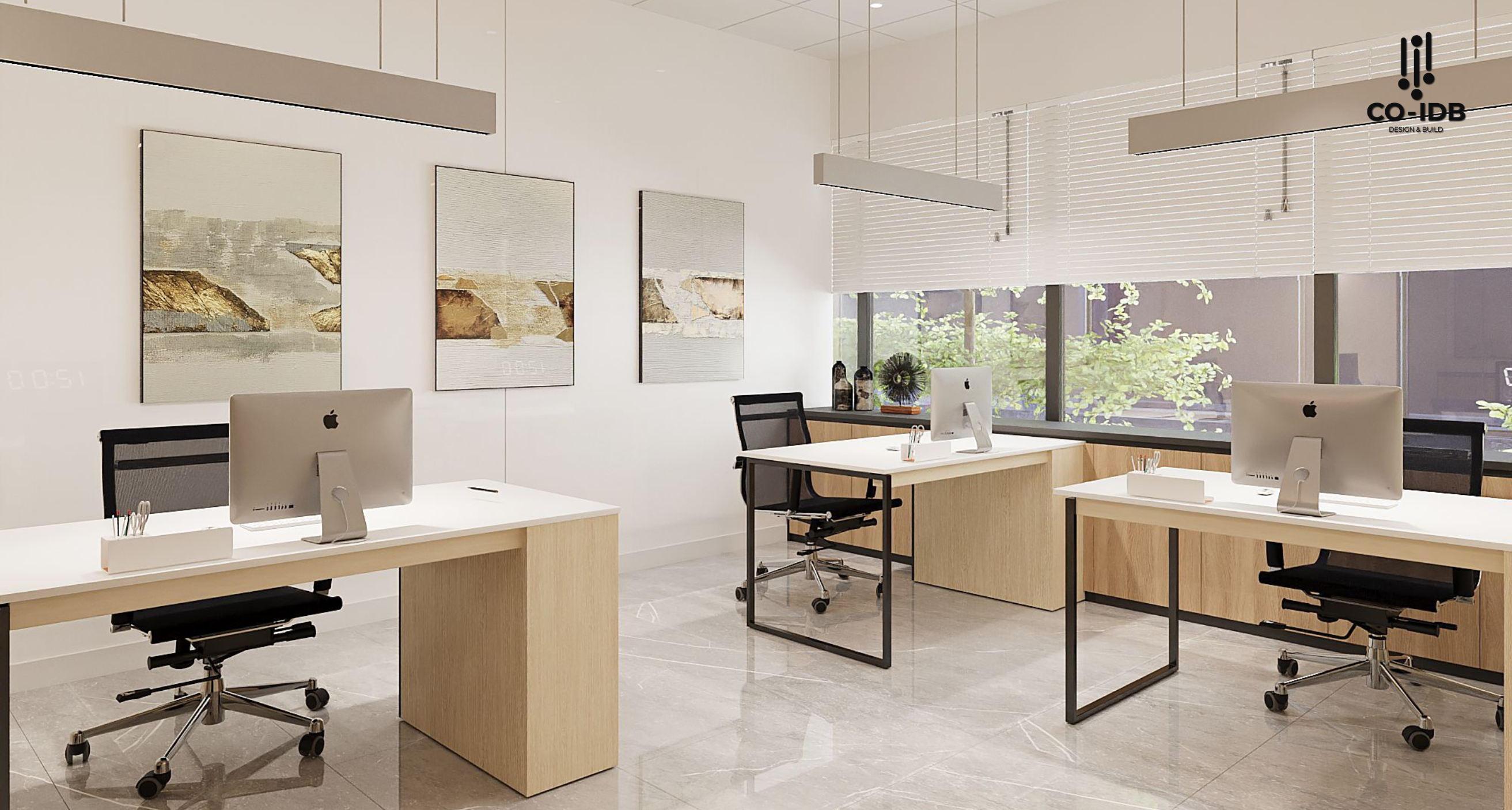
Paintings and artwork play an important role in creating inspiration and personalizing the workspace. Choosing and arranging suitable artwork can make a small office more unique and interesting. Here are some suggestions:
-
Use large-sized canvas paintings to create a focal point on a blank wall.
-
Create a small photo collection with synchronized frames to form a gallery wall.
-
Combine motivational posters with landscape images to create working inspiration.
Arranging artwork should follow the principles of balance and harmony. Place paintings at eye level, use the rule of thirds for visual balance. For a small office, consider using decorative mirrors to create the illusion of a larger space.
Selecting and Using Office Carpets
Office carpets offer many benefits to the workspace. In addition to creating a cozy feel, carpets also help reduce noise and create boundaries between functional areas in a small office. When choosing a carpet, consider:
-
Material: Prioritize anti-static and easy-to-clean office carpets.
-
Color: Choose neutral colors or colors that match the office’s overall color palette.
-
Size: Use modular carpets for easy layout changes when needed.
Cleaning the carpet plays an important role in maintaining a clean working environment. Schedule regular vacuuming and periodic carpet cleaning to ensure hygiene and extend the carpet’s lifespan.

Smart Storage for Limited Space
Smart storage solves the problem of lack of space in a small office. To maximize usable area, consider the following creative storage solutions:
-
Multi-functional wall shelves: Utilize vertical space, easy to adjust
-
Mobile filing cabinets: Flexible to move, optimize floor space
-
Drawers under the desk: Utilize dead space under the desk
-
Over-the-door hanging storage: Utilize the back of the door for storage
Effective storage organization helps boost productivity and reduce stress at work. Arrange documents and items according to frequency of use, prioritizing frequently needed items in an easily accessible position.
Suitable Interior Materials for Small Offices
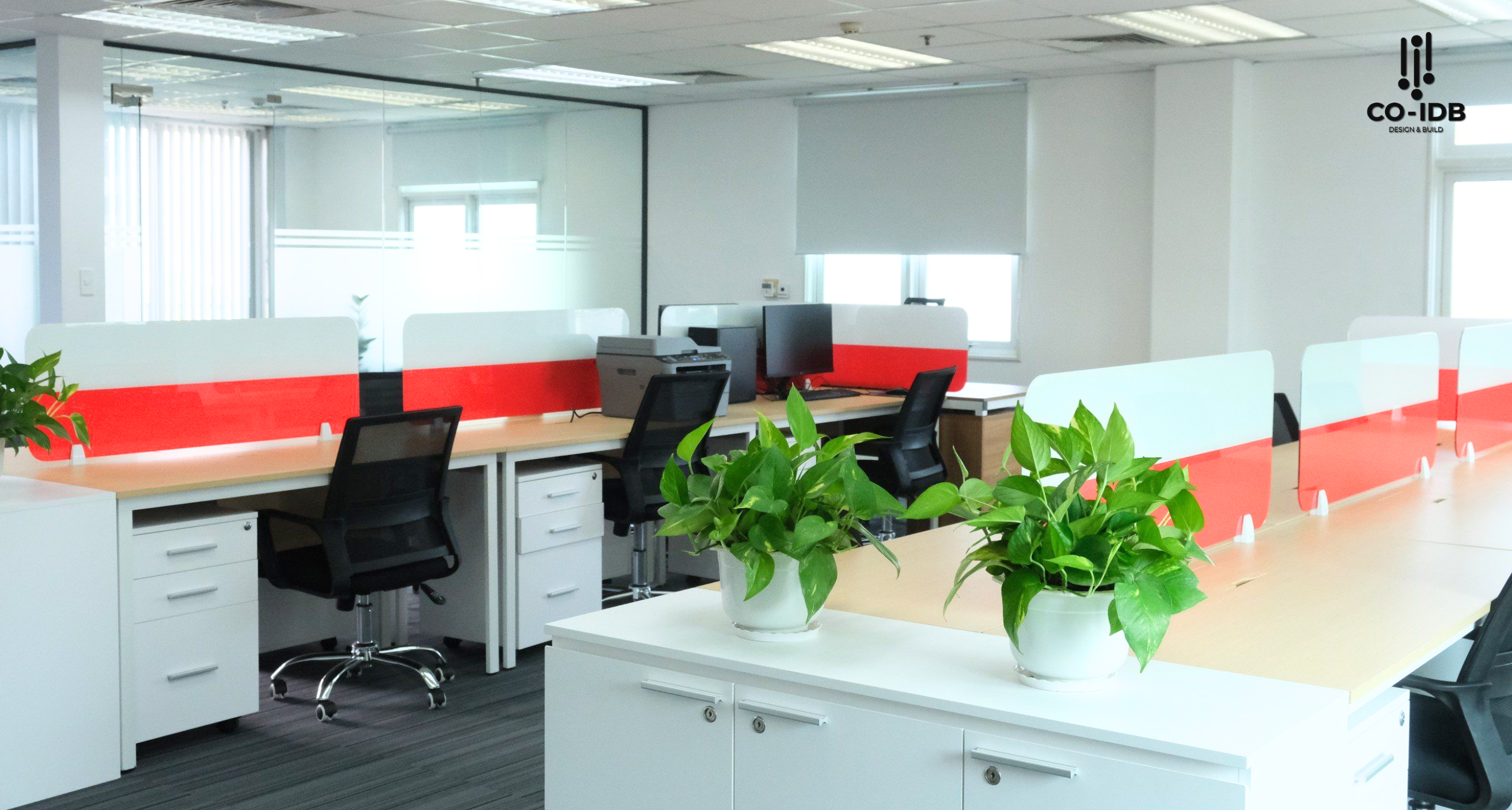
Interior materials significantly affect the feel and function of a small office space. When choosing materials for office furniture, consider durability, ease of maintenance, and aesthetics. Here are some popular materials and their advantages:
-
Industrial wood: Lightweight, durable, affordable
-
Powder-coated metal: Modern, easy to clean, rust-resistant
-
Tempered glass: Creates a spacious feel, easy to wipe clean
-
Recycled plastic: Environmentally friendly, diverse colors
Combining interior materials should follow the principle of balance and harmony. For example, combine a wooden desk with a metal chair and glass to create a balance between classic and modern.

Decorating a small office is not just about arranging furniture but also an art of creating a positive work environment. By harmoniously combining elements such as lighting, color, greenery, and technology, you can create a space that is both professional and interesting, encouraging creativity and productivity.
>> See more: Tips for decorating a beautiful desk
Take the time and resources to create a workspace that truly reflects your company’s values and vision. If you encounter difficulties and need a consulting unit for office decoration, do not hesitate to contact Co-IDB immediately. We are committed to supporting you to the fullest to create the most professional space!
“