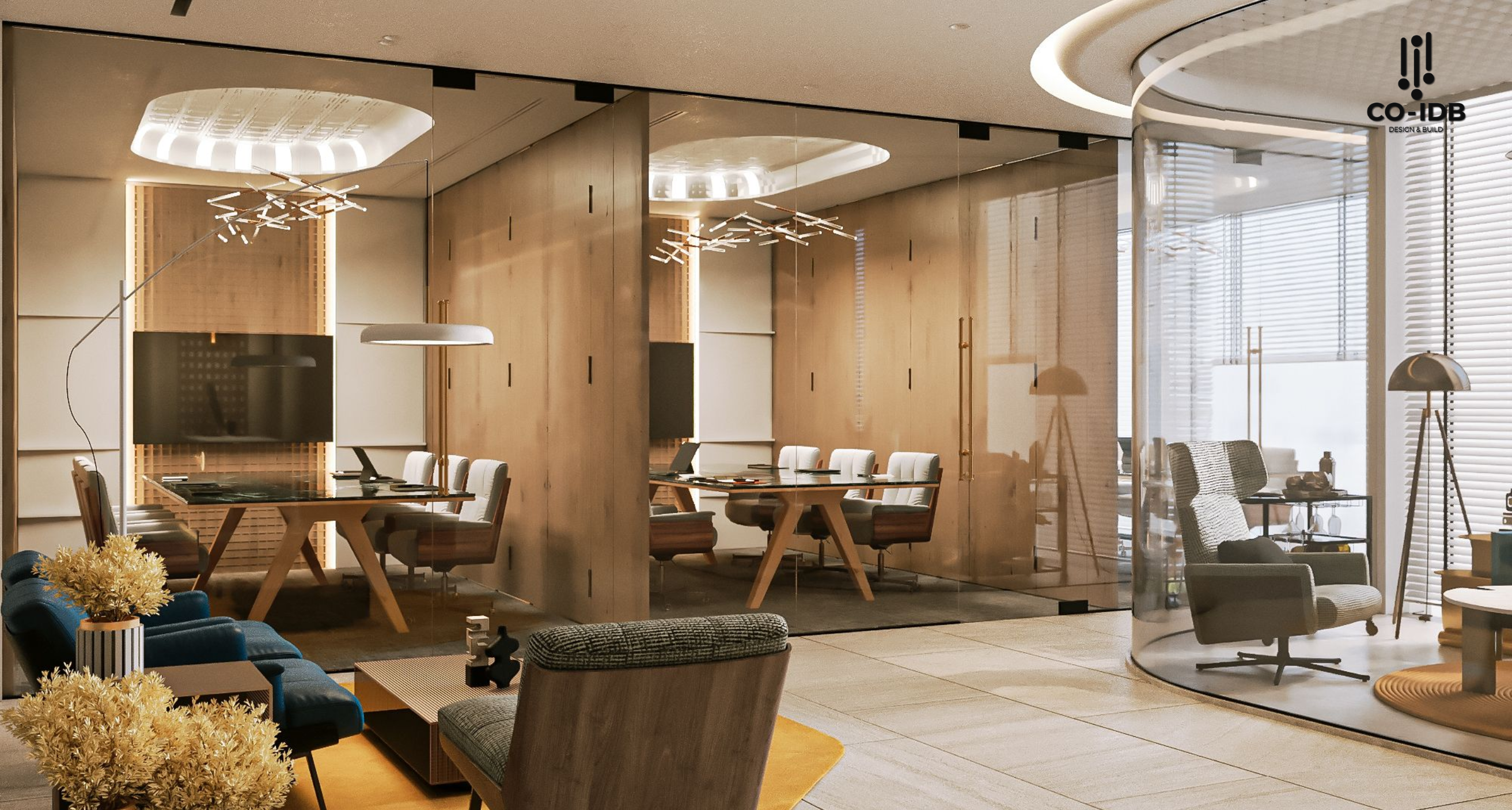
The office furniture sector is witnessing strong development, thanks to technological advancements and the continuous shift in consumer preferences. The modern workspace is becoming increasingly important, directly impacting the creativity, performance, and psychology of employees.
Recognizing this importance, Co-IDB would like to introduce our customers to the prominent office interior design trends for 2026. Let’s explore these trends!
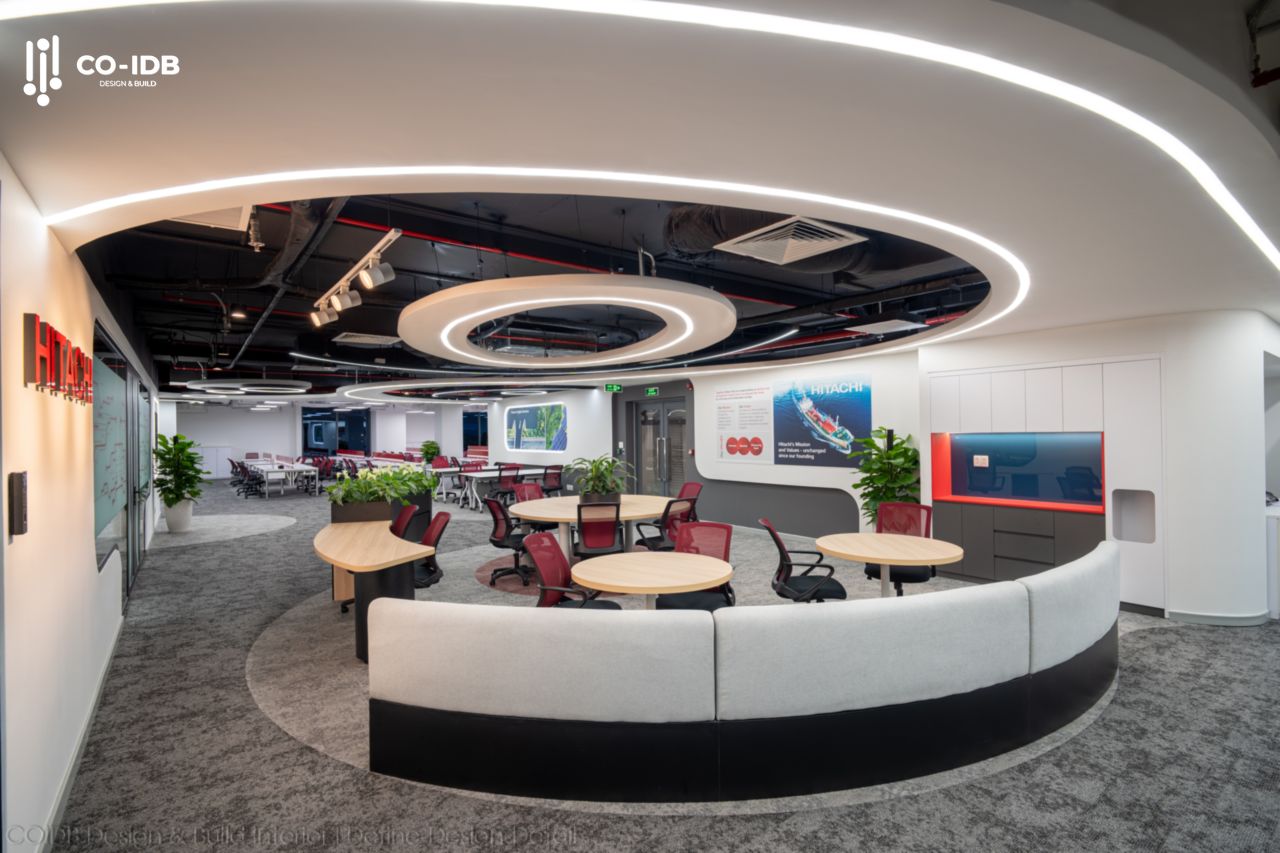
Why Do Businesses Need to Update Office Design Trends for 2026?
In a constantly changing work environment, today’s office is no longer merely a place to work but has become a strategic tool to attract talent, enhance performance, and affirm brand value.
Updating new design trends helps businesses create an inspiring space, foster creativity, and retain employees long-term. A well-thought-out design will help boost productivity, optimize functionality, and clearly demonstrate the brand’s vision and identity to partners and customers.
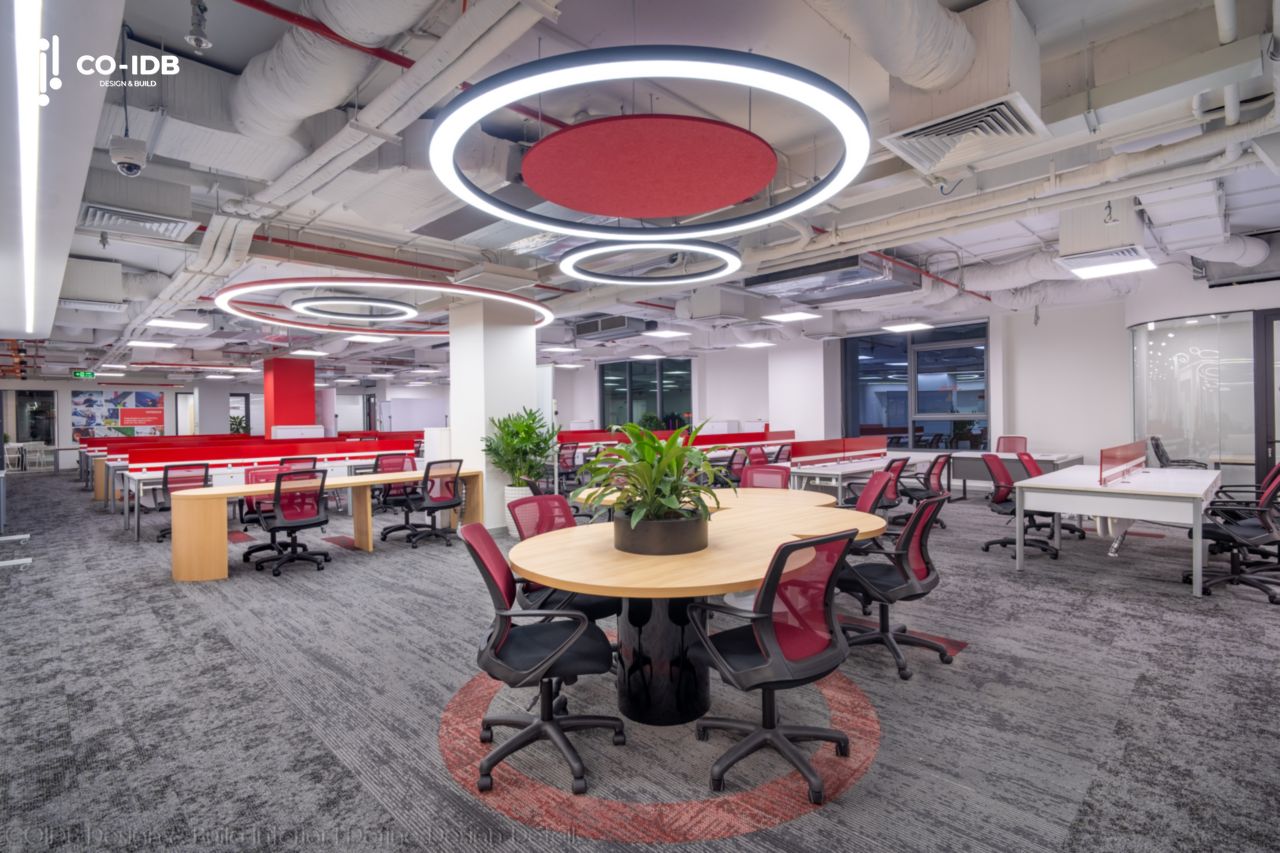
Furthermore, new trends also focus on energy savings, using sustainable materials, and reducing operating costs something particularly important in today’s competitive economic climate.
>>>See more: Top popular office design styles today
Outstanding Workspace Design Trends for 2026
Moving into 2026, office design trends will focus on flexibility, sustainability, and the application of smart technology. Businesses no longer view the office as merely a physical location but aim to build a comprehensive “work experience.”
The common thread in these trends is putting people at the center, optimizing space utilization efficiency, and simultaneously creating an environment that is both inspiring and supportive of mental and physical well-being.
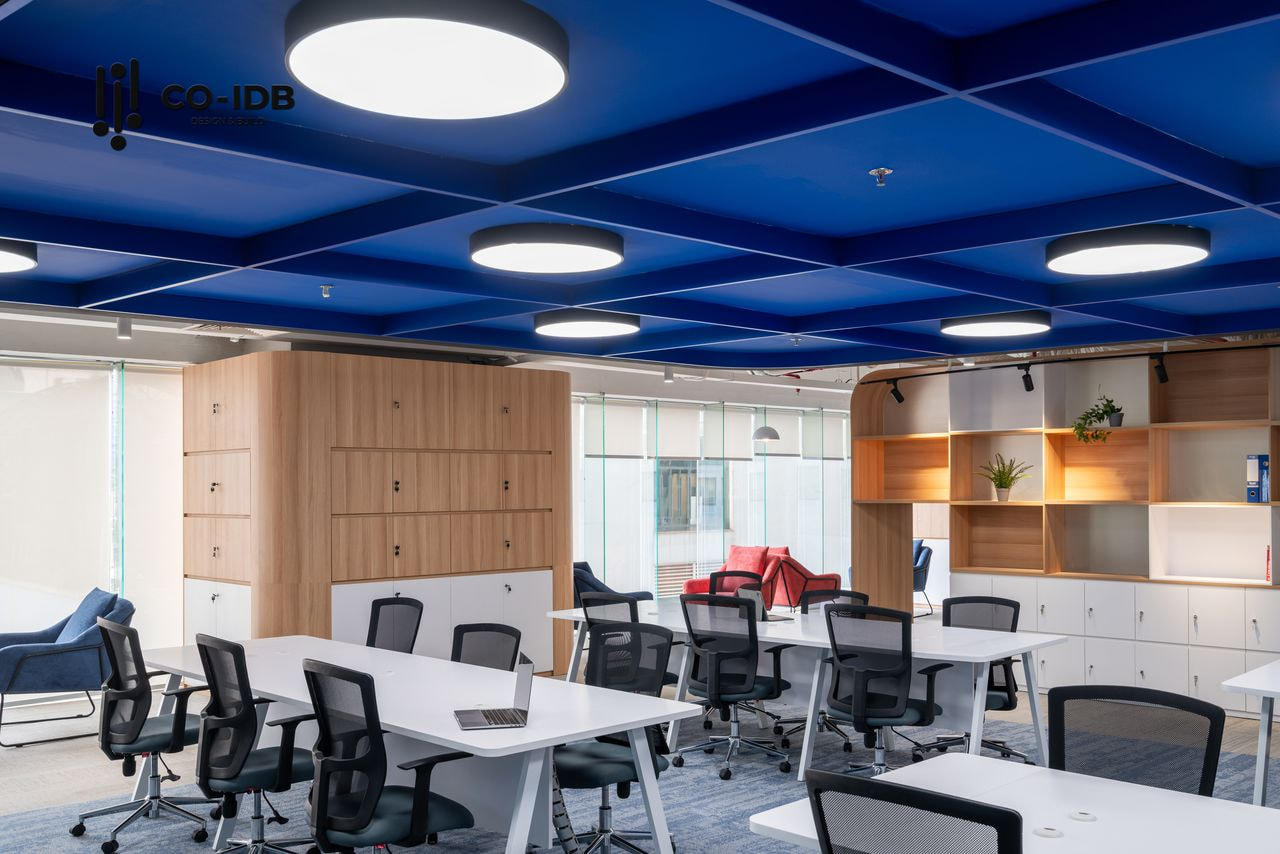
Multifunctional Open Space While Ensuring Focus
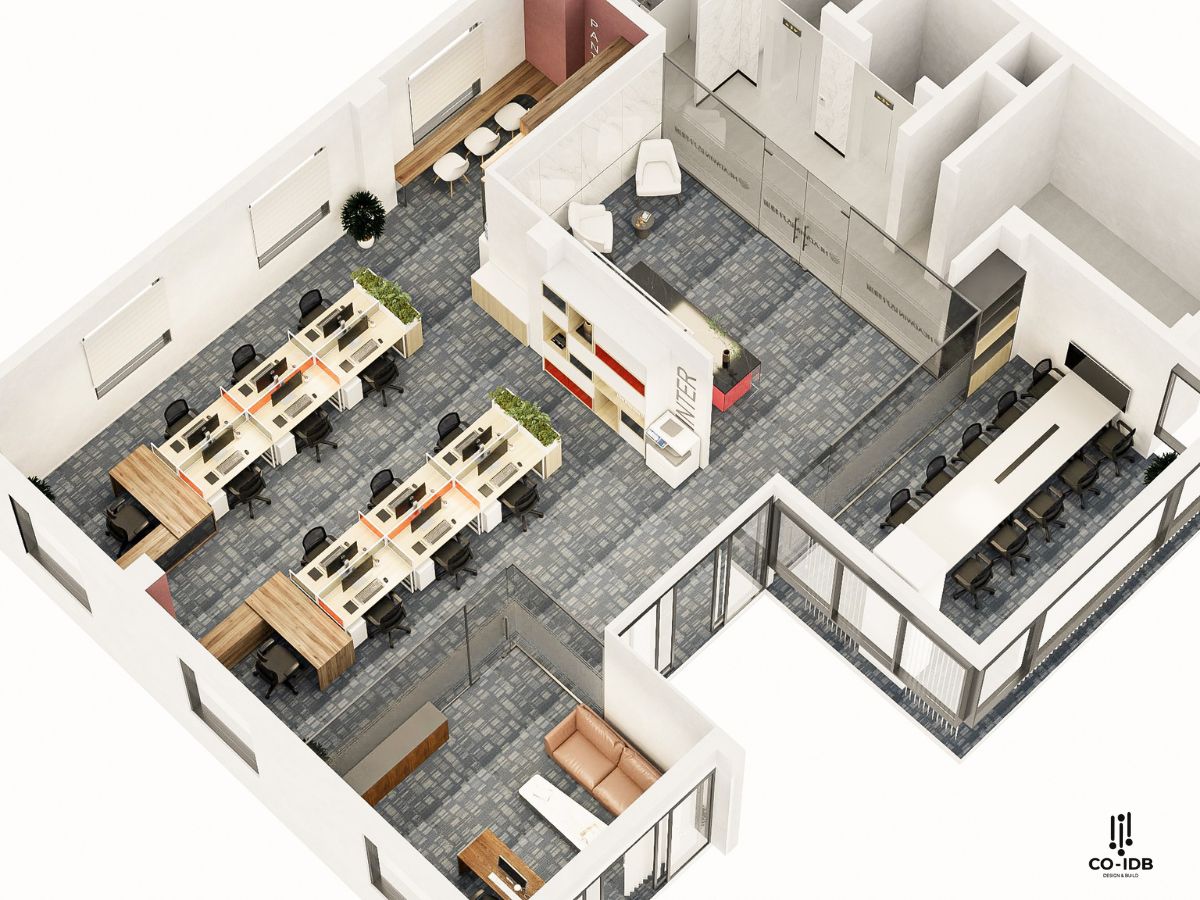
The open-space model continues to play a dominant role, allowing employees to easily connect and exchange ideas. However, the 2026 design goes beyond removing partitions, focusing more on the flexibility of each area.
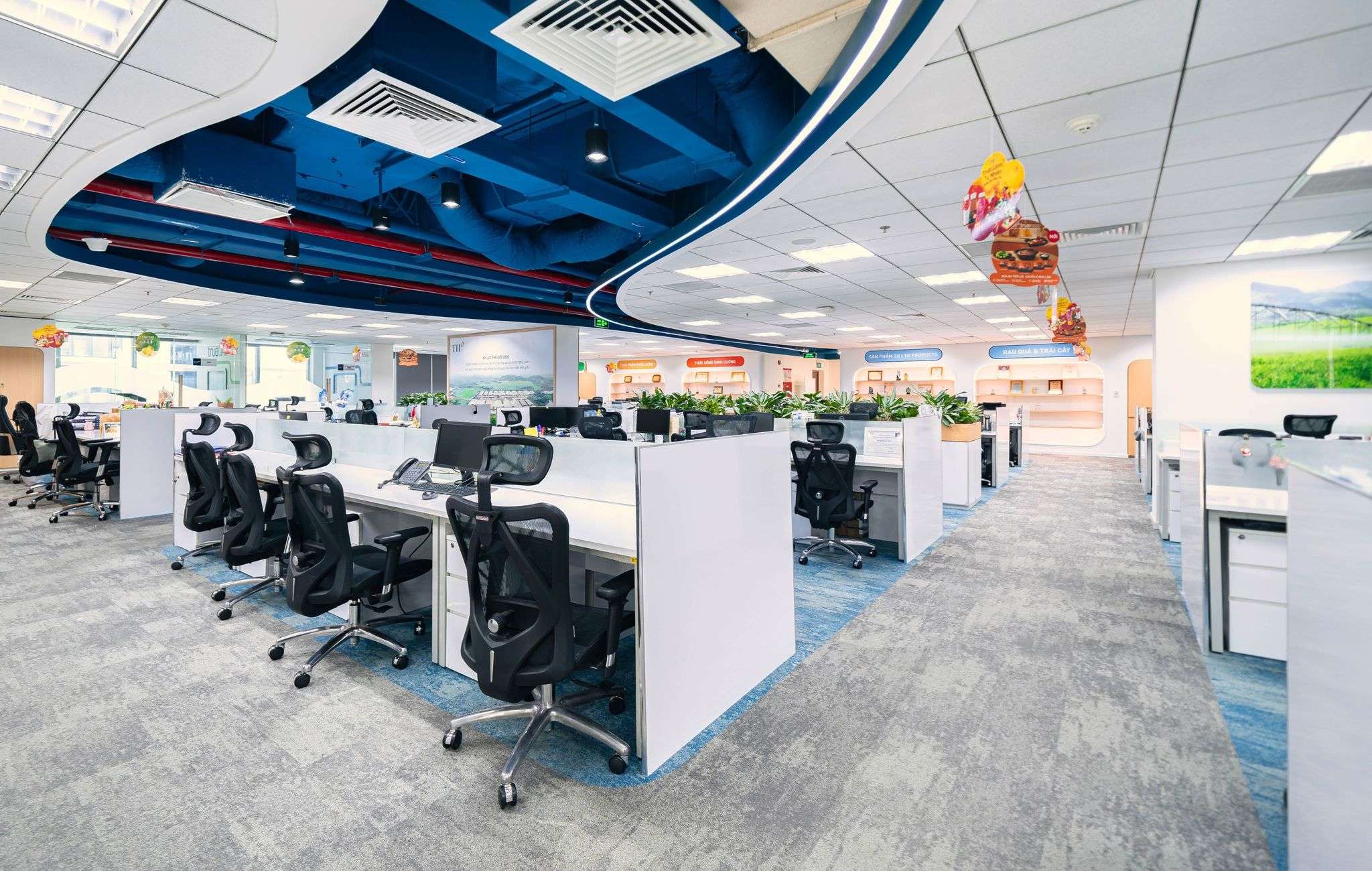
Solutions such as movable walls, soundproof phone booths, or private work nooks are integrated to meet the need for concentration when necessary. The space is designed to be multifunctional, capable of quickly converting from a team work area to a meeting zone or individual workspace, providing maximum autonomy for users.
See more: What to consider when designing an open-space office
Smart Office Adopting Technology
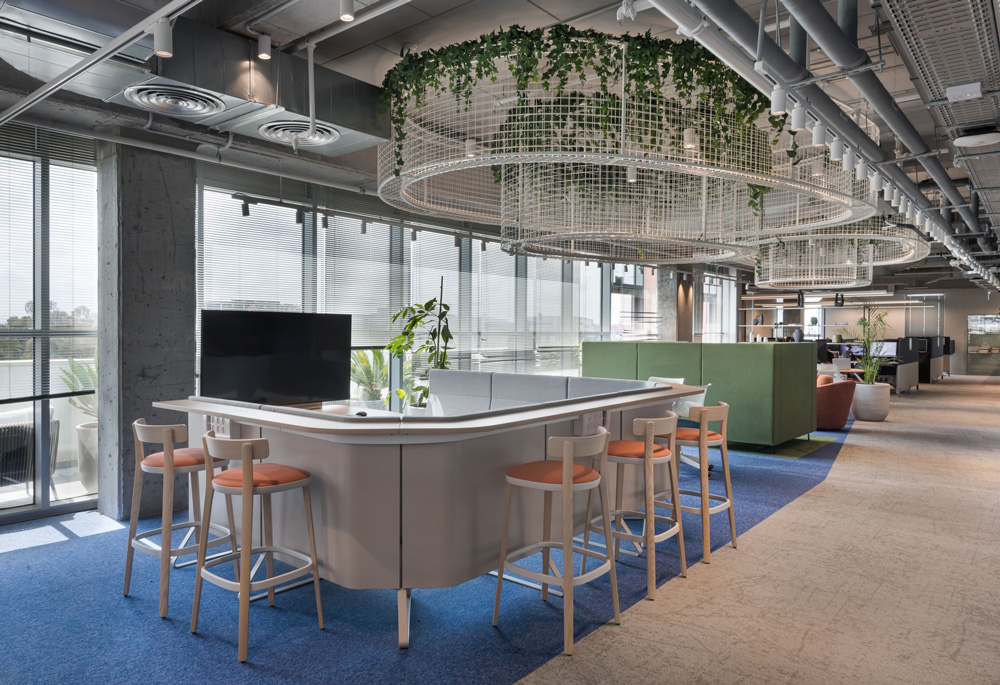
Technology is becoming an indispensable part of modern office design. IoT systems allow for the automatic control of lighting, air conditioning, and blinds, providing convenience and energy savings. Software for seat management and online meeting room booking helps businesses optimize space utilization. Real-time information display screens showing work schedules, internal events, or room usage status also contribute to enhancing the employee experience.
>>>See more: Hot desking: a flexible solution for the modern office
Combining Work & Experience
The 2025 office aims to create a work environment where employees want to stay long-term. In addition to the main work areas, businesses focus on designing experiential spaces such as comfortable pantries, relaxing lounges, or game areas.
These are places that help employees recharge, reduce stress, and encourage bonding among team members. Some businesses also utilize product display areas or brand experience corners right in the office so that both employees and customers can feel the value the company wants to convey.

See more: Top popular office design styles today
Multifunctional Space
By 2024, modern workplaces will focus on saving space and area as land becomes increasingly limited and the cost of building or renting offices rises.
To meet the demands for dynamism, flexibility, and optimized office utilization, the modern multifunctional office design has emerged and is expected to become increasingly popular.
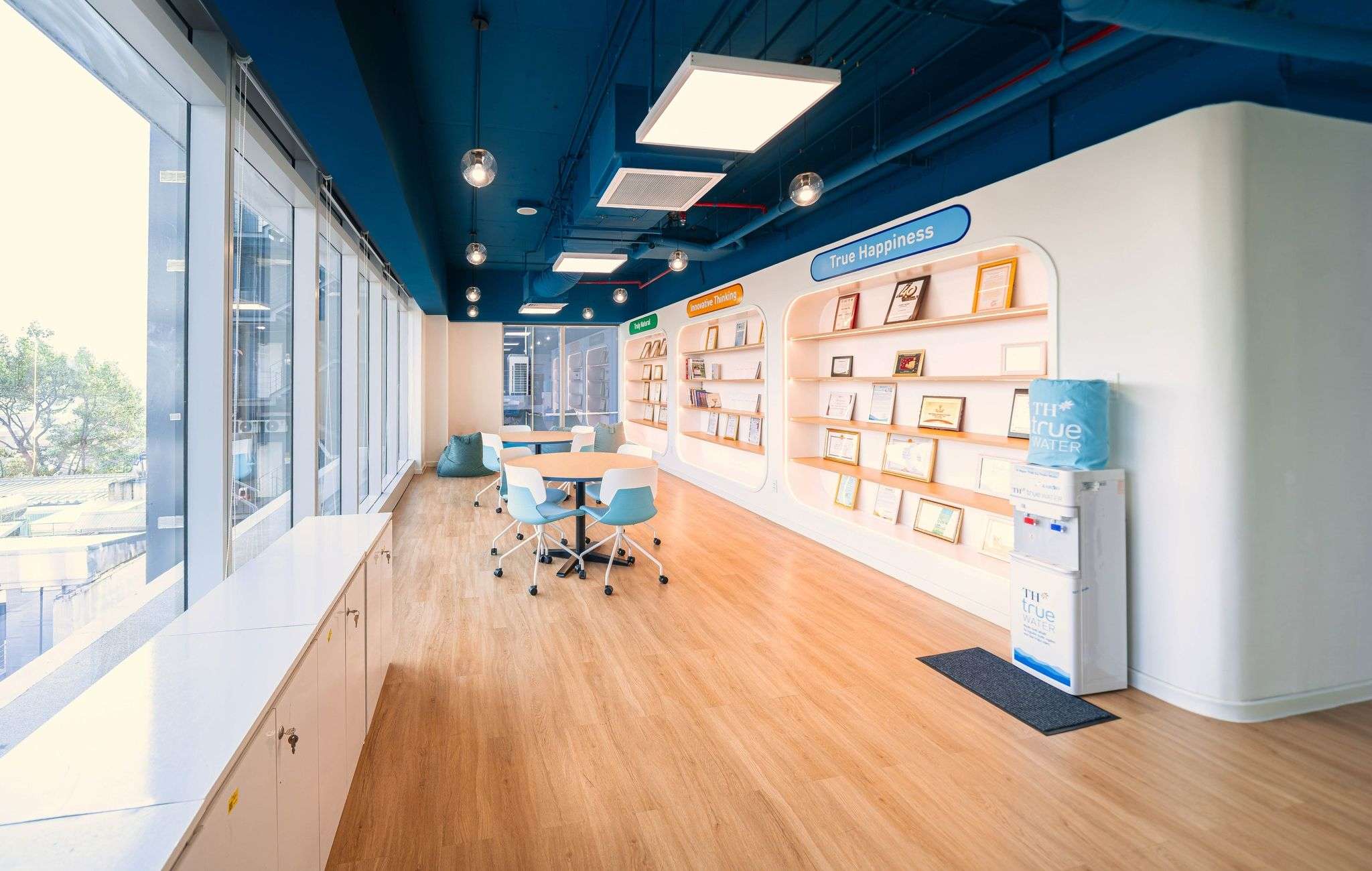
These workplaces will be arranged with many open areas, along with separate zones that can flexibly change the workspace, allowing one area to easily convert to serve multiple purposes such as a work room, meeting room, presentation room, or entertainment area.
Additionally, functionality and convenience factors will be key considerations to bring a positive experience to employees, including modern facilities such as entertainment areas, game rooms, gyms, yoga rooms, and many other amenities.
Human-Centric Design Trend
Putting people at the center is not just a slogan, but a guiding principle in design. This is demonstrated by personalizing the space for each department, selecting furniture appropriate to the specific nature of the work, and using colors and lighting that create a pleasant feeling.
These elements not only help reduce stress but also contribute to enhancing employee satisfaction and engagement.

Green & Sustainable Design Trend
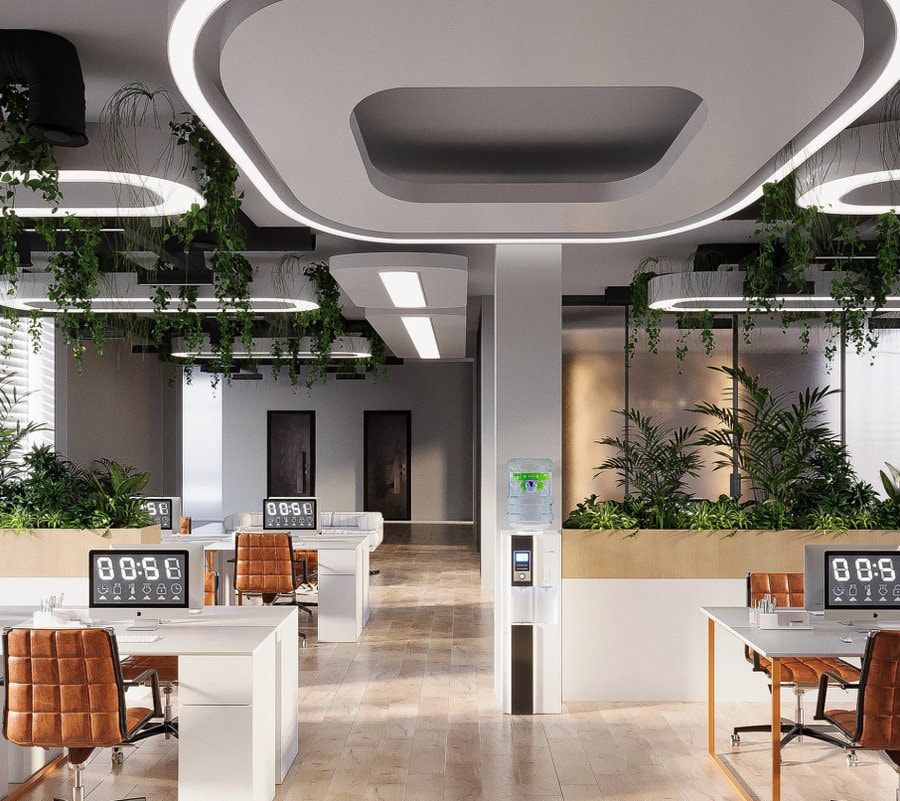
The green design trend continues to expand with the integration of greenery, vertical gardens, and natural light into the workspace. Recycled, environmentally friendly materials are increasingly favored. Energy-saving lighting systems and natural ventilation solutions help minimize energy consumption, aiming for long-term sustainable development goals for the business.


Optimizing Health & Ergonomics Design Trend
A modern office needs to care for the physical health of its employees. Ergonomic chairs, height-adjustable desks, standard lighting, and spaces that encourage light movement are important factors.
Ergonomics-focused design not only helps prevent occupational diseases but also improves work performance in the long run.

Diverse Space Trend – Serving Various Work Styles
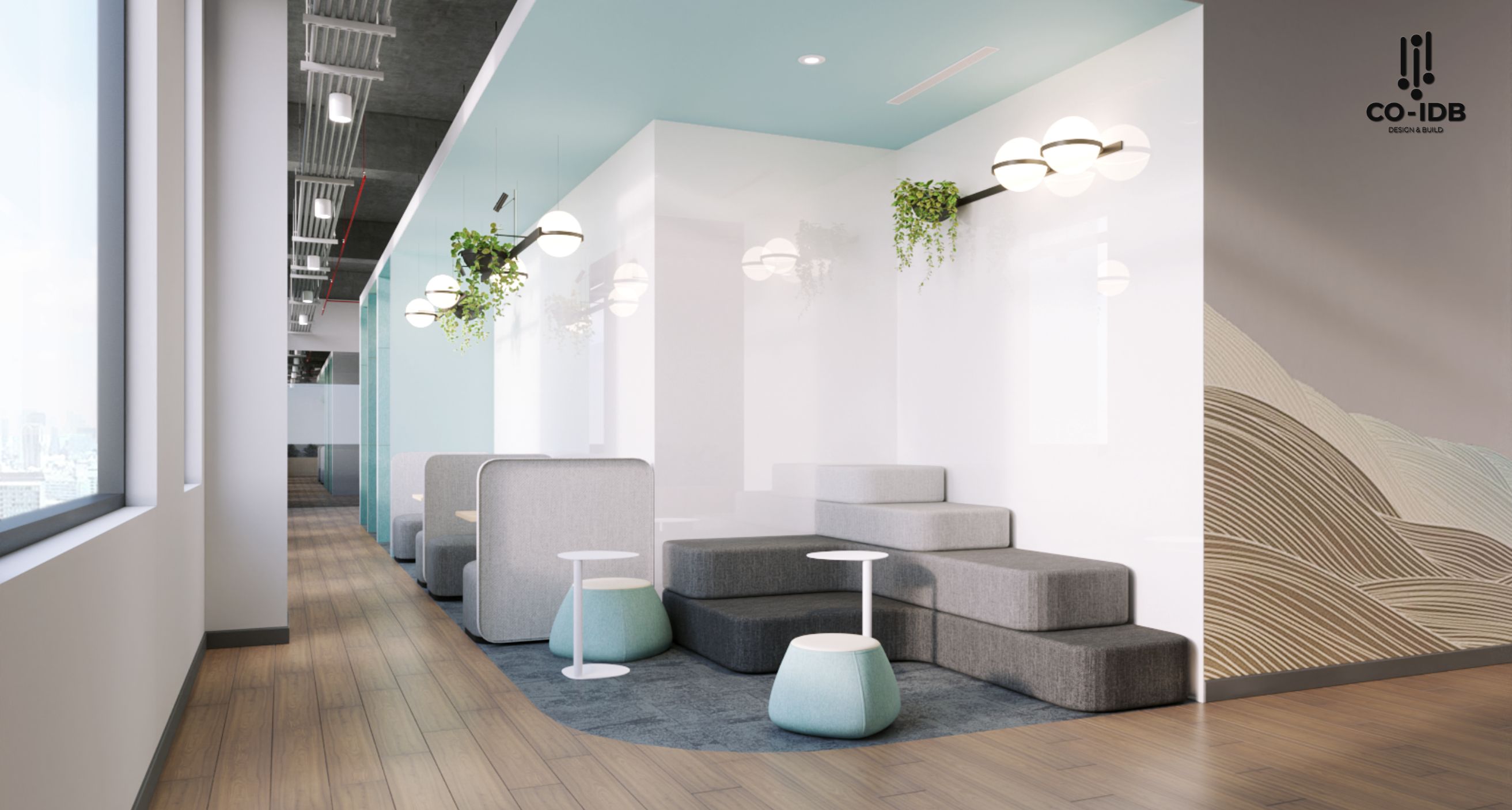
An effective office cannot have only one type of space. In 2025, diversity is prioritized with areas for deep focus, creative brainstorming zones, quick group meeting areas, and networking/social areas. This flexibility ensures that all work needs are met within the same space.
Cost-Saving Operation & Investment Efficiency Trend
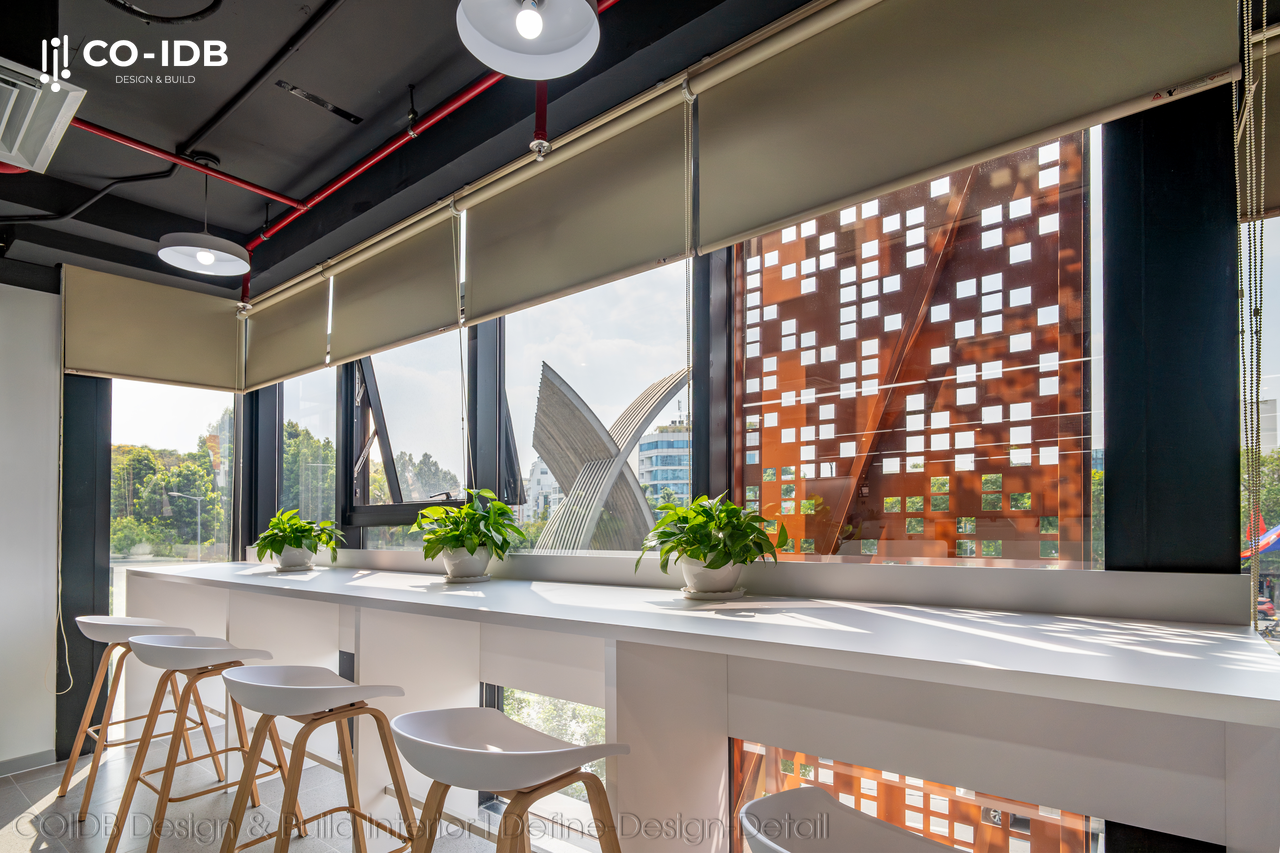
Businesses are increasingly concerned with the long-term operational cost equation. Choosing durable, low-maintenance materials, designing to optimize space utilization, and implementing energy-saving solutions not only reduce monthly costs but also enhance investment value.
See more: Minimalist interior design style toward modernity
Hybrid Space
The hybrid office, a new term in Vietnam, is essentially a combination of the advantages of both traditional and open-plan offices. The goal of this design style is to foster creativity and maximize work productivity. The hybrid office offers many benefits, including:
-
A comfortable and airy open space, creating a pleasant feeling for employees.
-
High flexibility, harmoniously combining shared and private spaces, meeting all different work needs.
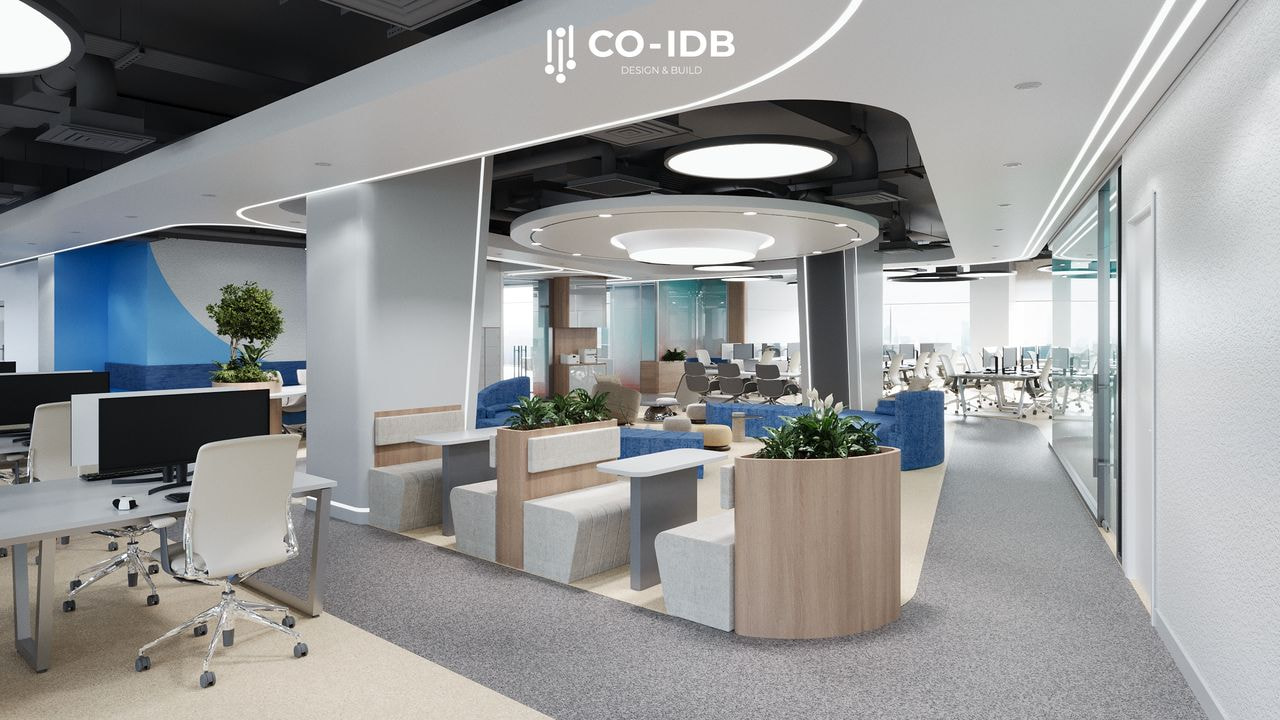
Choosing Smart Materials
Materials in 2026 office design are not only beautiful but also smart. Scratch-resistant melamine-coated industrial wood, thermal-insulating low-E glass, or sound-absorbing materials made from recycled fibers all ensure aesthetics, increase durability, and enhance energy efficiency.
See more: Summary of popular interior materials in office decoration today
Optimal Soundproofing, Acoustic Treatment, and Thermal Insulation Solutions
A quiet space is essential for focused work. Solutions like soundproof panels, double-glazed windows, acoustic ceilings, or thermal insulation materials help reduce noise, maintain stable temperatures, thereby creating a comfortable work environment and saving on air conditioning costs.
 Sound-absorbing materials applied in the Citizen Pathway project
See more: Office soundproofing system – the optimal solution to “treat” noise
Trends by Business Type
Each type of business has its own priorities in design. For startups and creative enterprises, the space needs to be flexible, easy to reconfigure, with mobile furniture and reasonable costs, yet still impressive.
For large-scale enterprises or corporations, the design often focuses on luxury, clear functional zoning, and brand credibility. For the hybrid or remote-first model, the office needs hot-desk areas combined with some fixed seating, along with high-quality online meeting systems to support remote collaboration.
Start-up & Creative Enterprise Offices
For startups and creative enterprises, flexibility is always prioritized. The space needs to be easily reconfigurable, supporting various work formats, from small group brainstorming to product launch events. Furniture often prioritizes mobility, reasonable cost, while still creating a strong visual impact, helping to inspire and reflect the innovative spirit of the business.
Large-Scale Enterprise & Corporation Offices
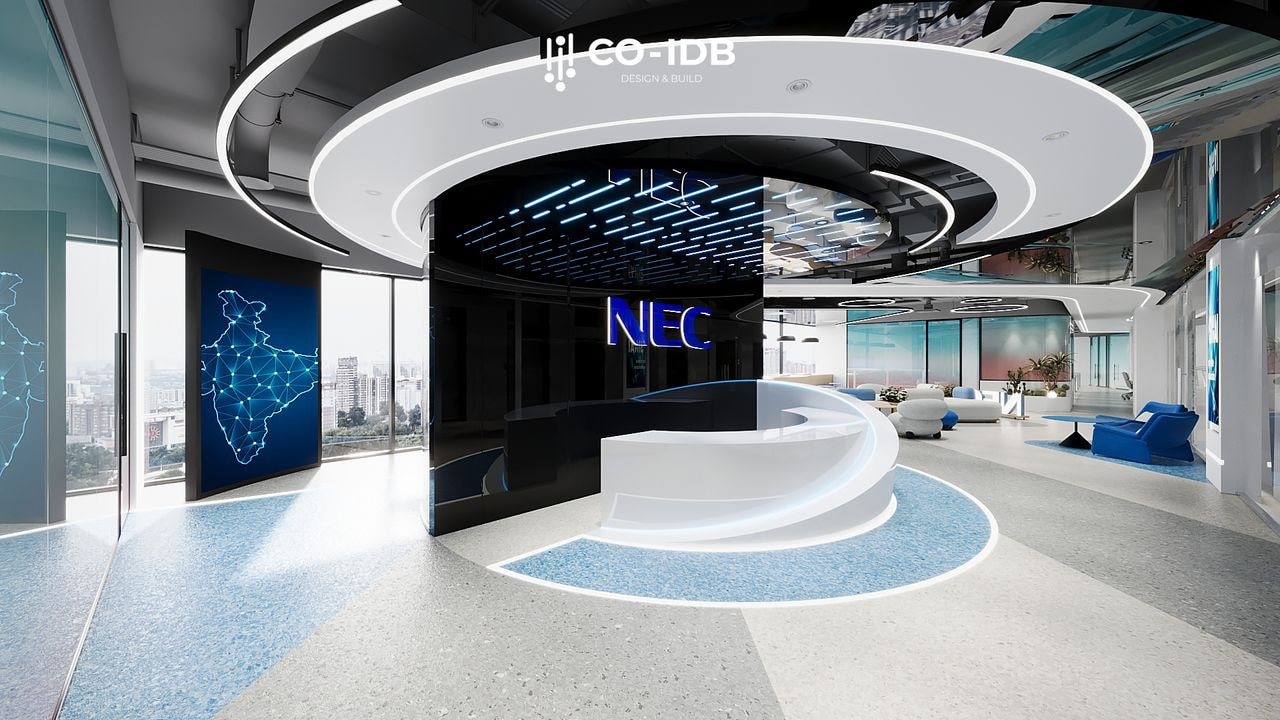
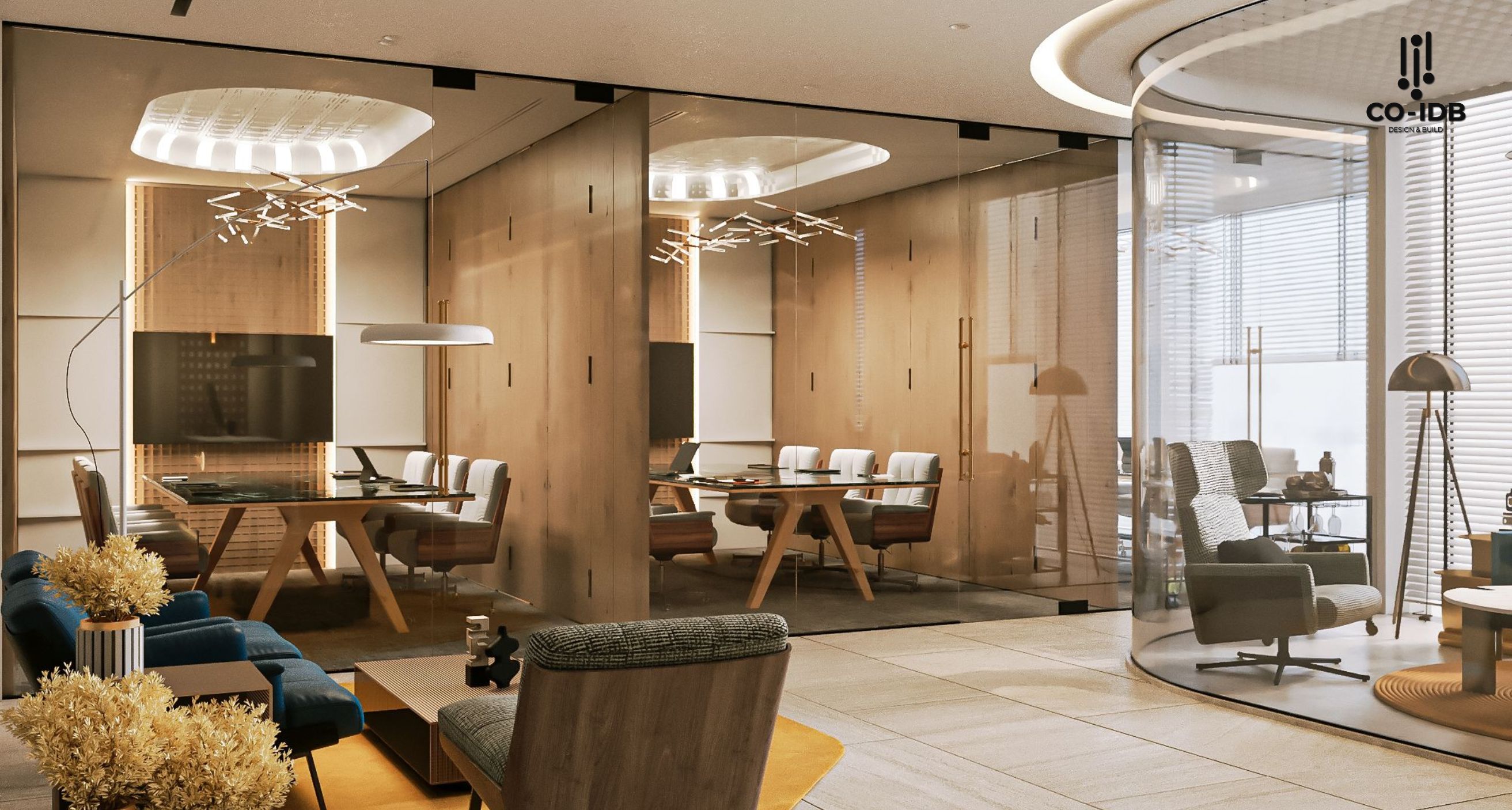
For large-scale enterprises or corporations, the office is not just a workplace but also a tool to express scale and credibility.
The design often emphasizes luxury, meticulous attention to detail, combined with clear functional zoning between the executive area, work area, meeting area, and brand experience zone. Security, infrastructure systems, and supporting technology are also thoroughly invested in to meet complex operational requirements.

Virtual Office Model
The virtual office is a form of office work that provides communication services for businesses without the need for a physical space.
Commonly provided services include: transaction address, phone number, fax number, receptionist, company sign, mailing address, and more. With the virtual office model, customers do not need to move furniture or equipment but only need to place the company’s sign and logo at the location.
When necessary, customers can use the company’s services such as: meeting rooms, conference rooms, waiting rooms, printers, fax machines, and photocopiers. Meeting rooms and additional services are often charged by the hour, helping to save costs and create operational flexibility for the business.
Design Trends by Style Factor
Minimalist Style
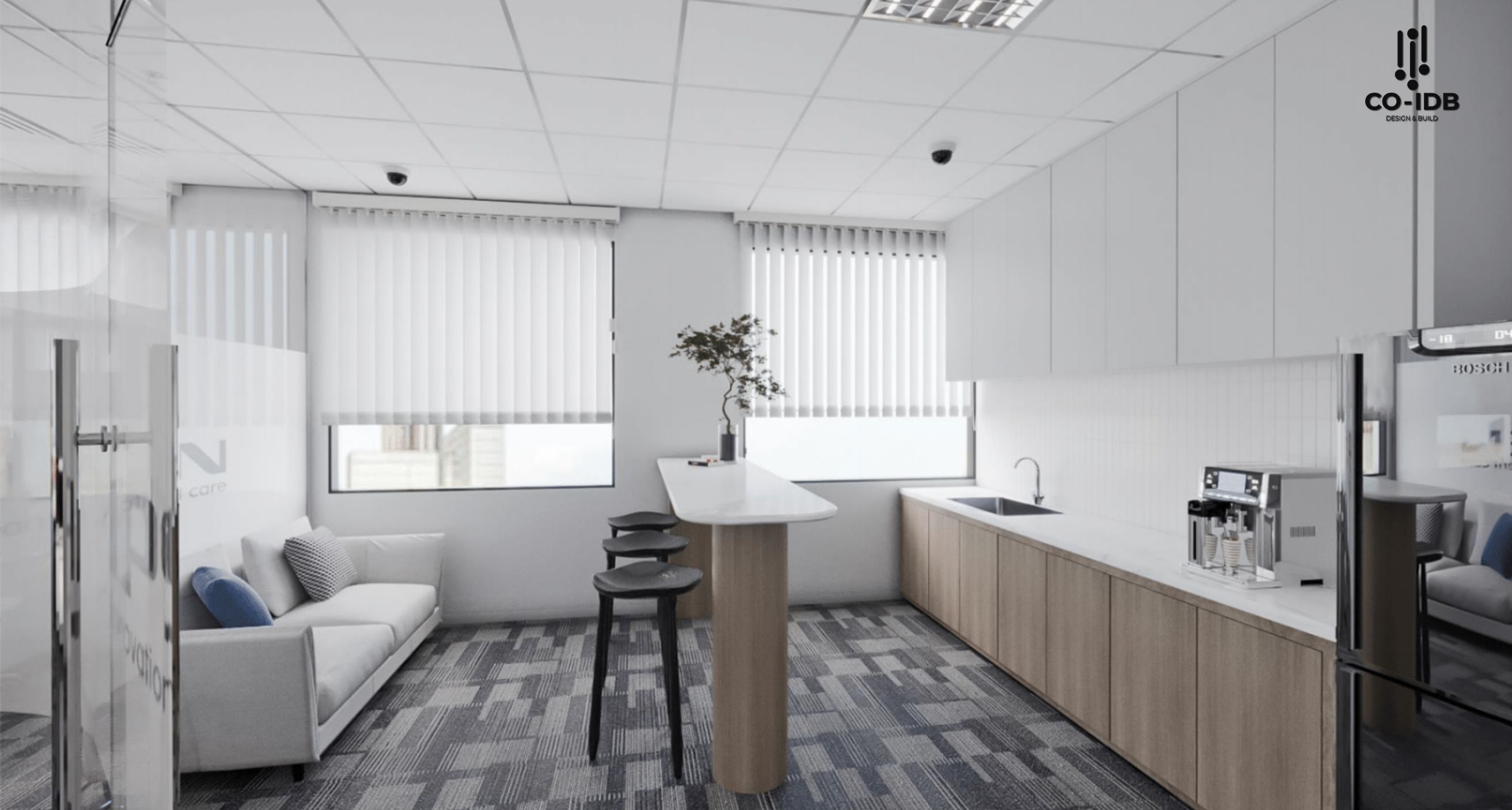
This design focuses on simplifying the space and furniture, creating maximum convenience while maintaining modernity and professionalism. Bulky furniture and rigid partitions are eliminated, replaced by compact, modern, and sophisticated items. Transparent partitions, acoustic partitions, movable partitions, or no partitions are prioritized.
Neoclassical Style
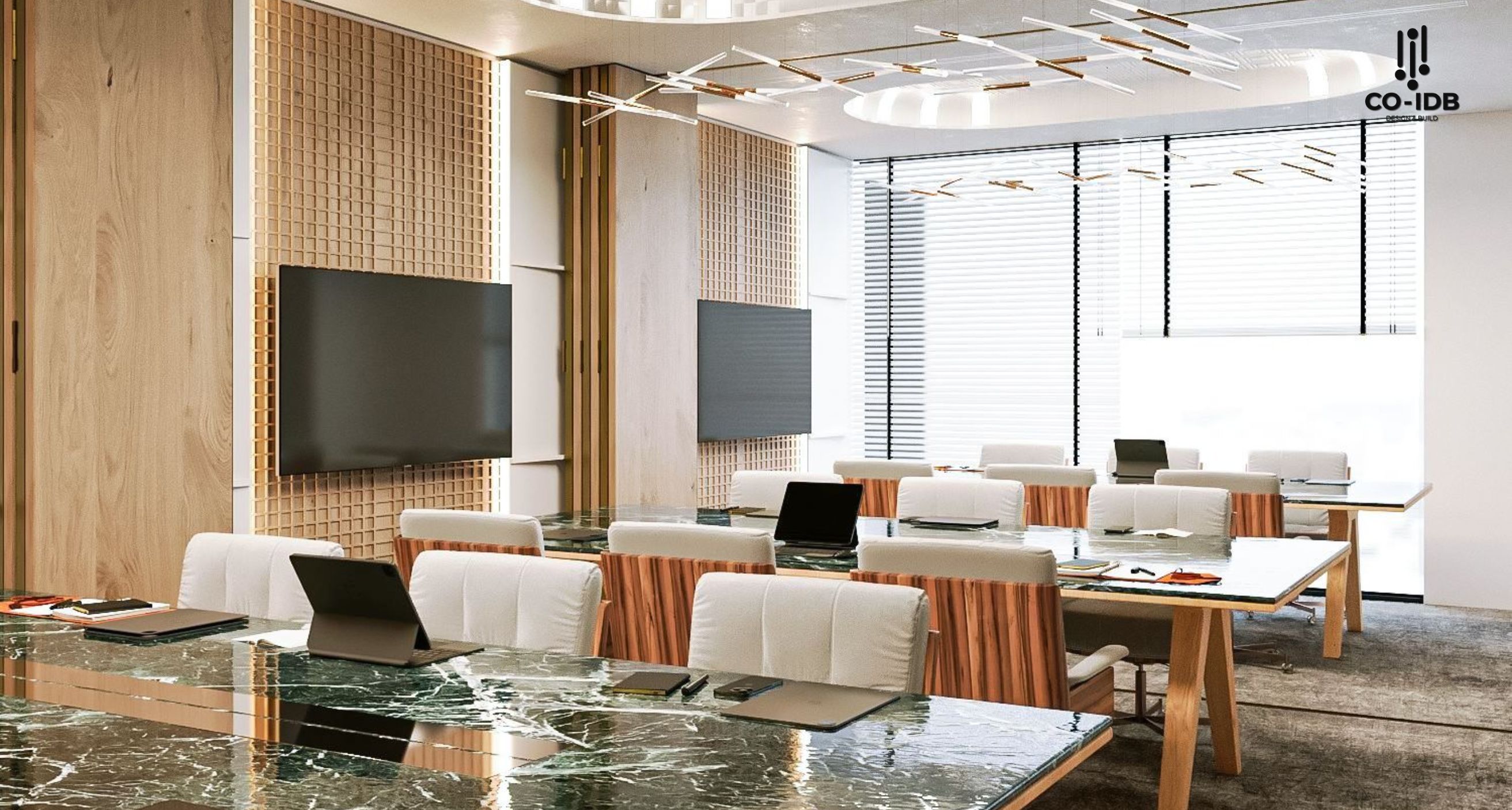
If you love the classical style but still want to embrace modern trends, consider the neoclassical office trend. The neoclassical style combines classical beauty with modern elements, bringing a highly aesthetic and luxurious workspace.
This style often uses dominant colors that are deep and warm combined with white, light yellow, and earth brown to create a classic and cozy space. At the same time, classical-inspired furniture and decoration equipment are harmoniously combined with modern equipment.
Brand Storytelling Style
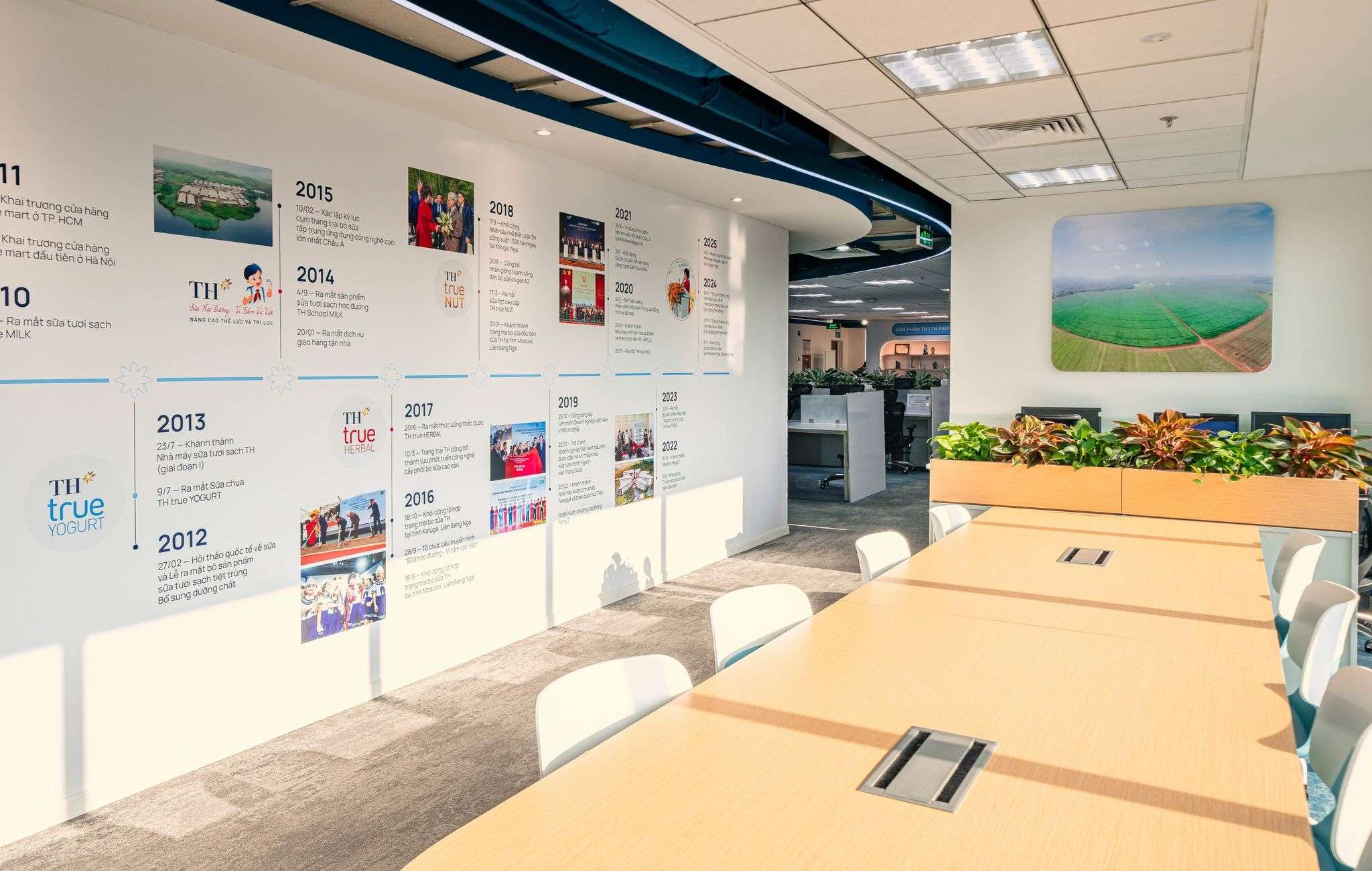
In every company, there is a unique business story and development history. Modern office design trends that incorporate brand identity have become popular, with the goal of clearly defining the business’s story and values.
Globally, this style has been widely applied, but in Vietnam, many businesses have not yet fully exploited the potential of designing a workspace that reflects the brand’s identity.
Office design according to the brand story not only actualizes cultural values but also vividly commercializes the business’s value, helping to distinguish the office space from conventional offices. The brand story is conveyed by the architect through the use of identity images, colors, logos, patterns, furniture, and decorative service products within the company.
Industrial Style
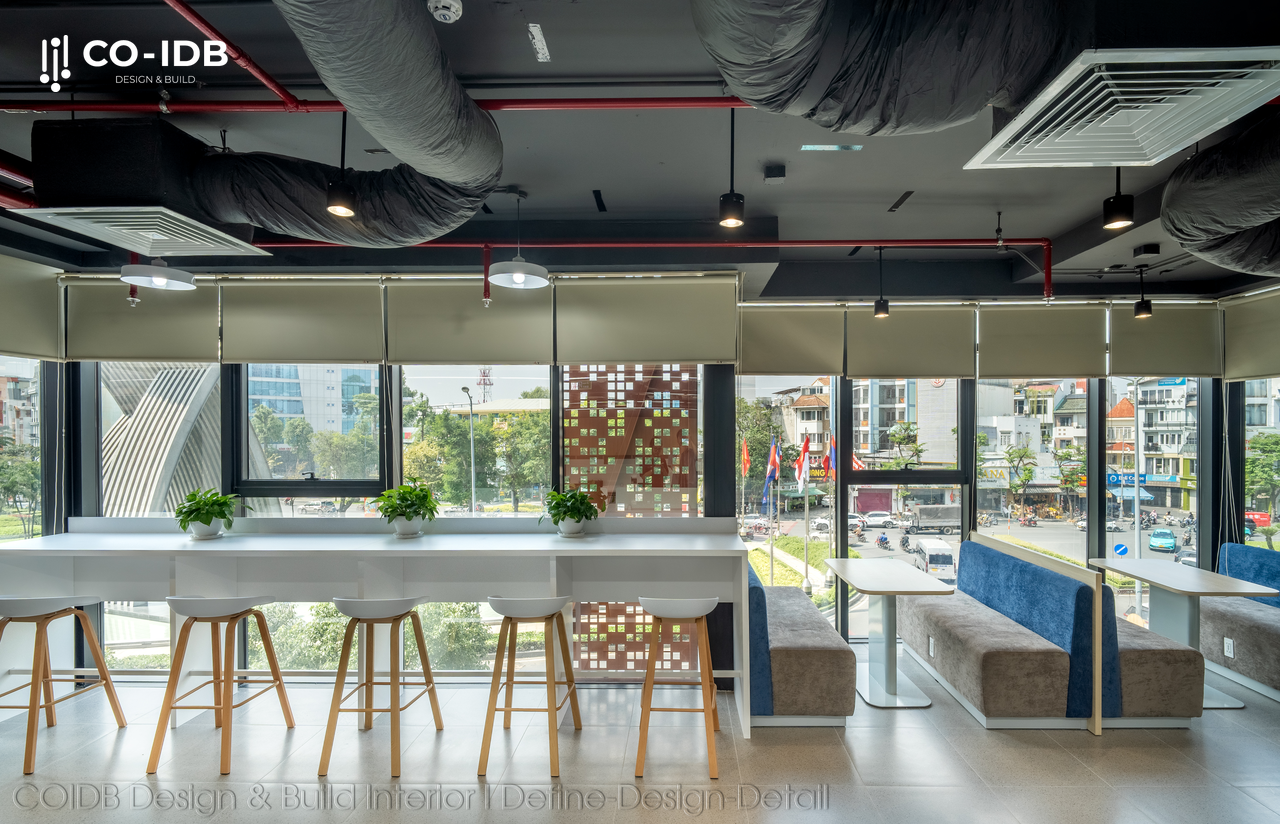
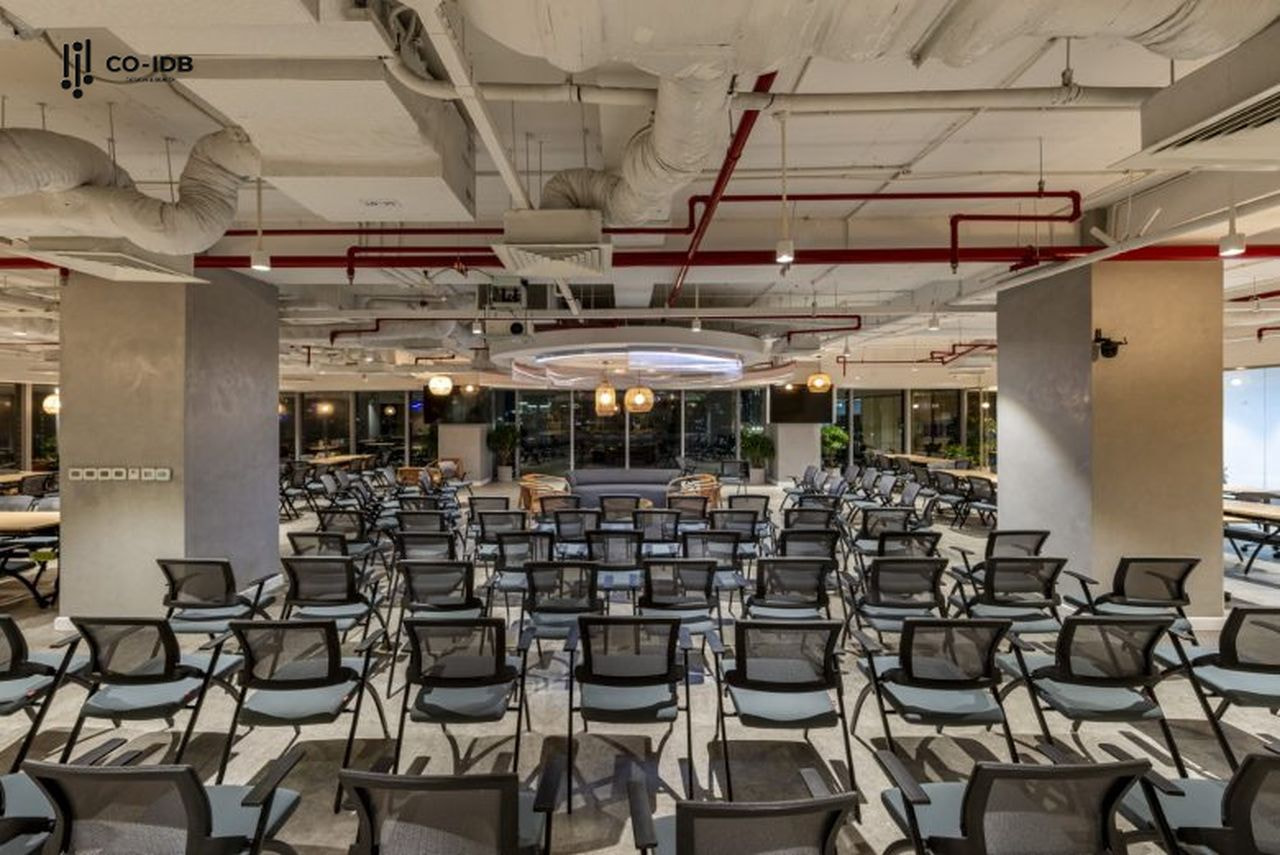
Industrial office design, also known as the Industrial style, uses wood and iron materials to create a rustic, familiar yet fully functional space. Although the design may seem raw, it does not compromise the utility of other furniture. The industrial design style brings novelty and impression, with work areas separated by distinctive details rather than solid walls. Businesses favor and choose this style for many reasons:
-
The impressive and unique industrial style office interior design brings excitement to employees when working.
-
Cost savings on construction with concrete floors and pristine wall systems.
-
Creative workspace layout, creating a youthful and dynamic environment.
-
Utilizing natural light to bring a comfortable workspace.
>> See more: Popular office design styles today
Office Interior Design Trends Forecast for 2026 – 2027
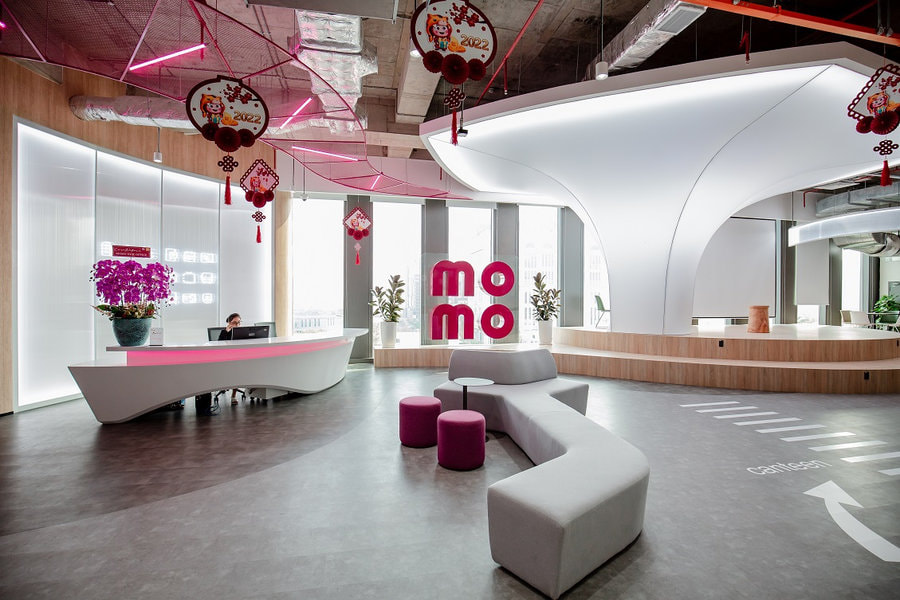
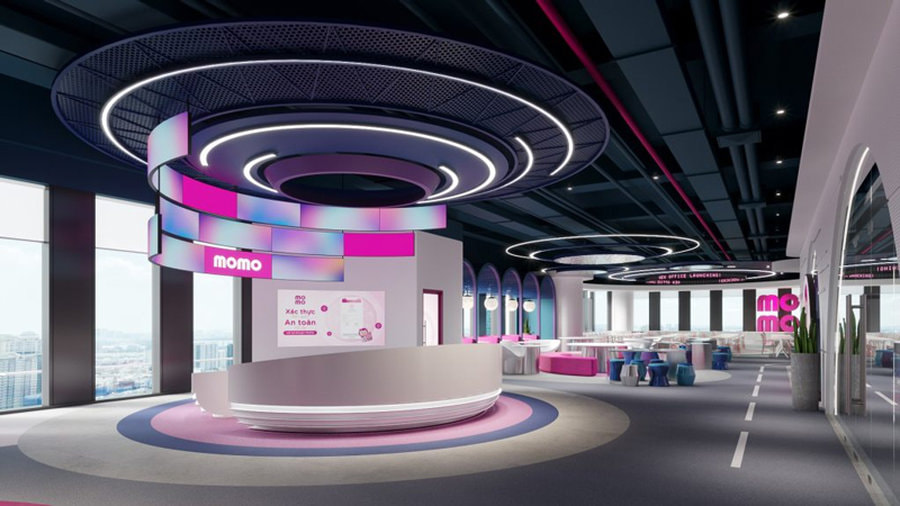
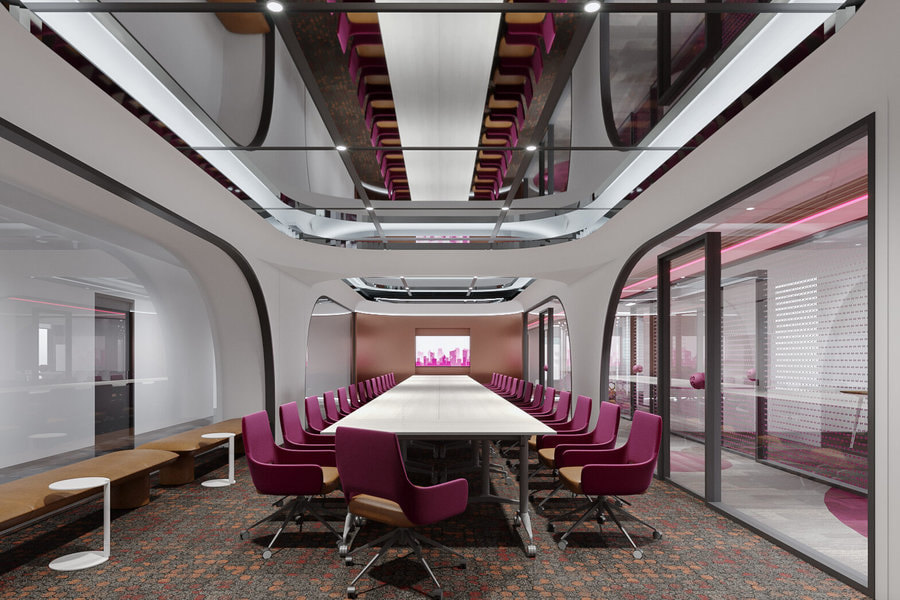
Looking ahead to the 2026 – 2027 period, office interior design will enter a new chapter where technology, sustainability, and human experience are closely intertwined. The future office will not just be a workplace, but an intelligent “ecosystem” where every detail is optimized based on data and artificial intelligence.
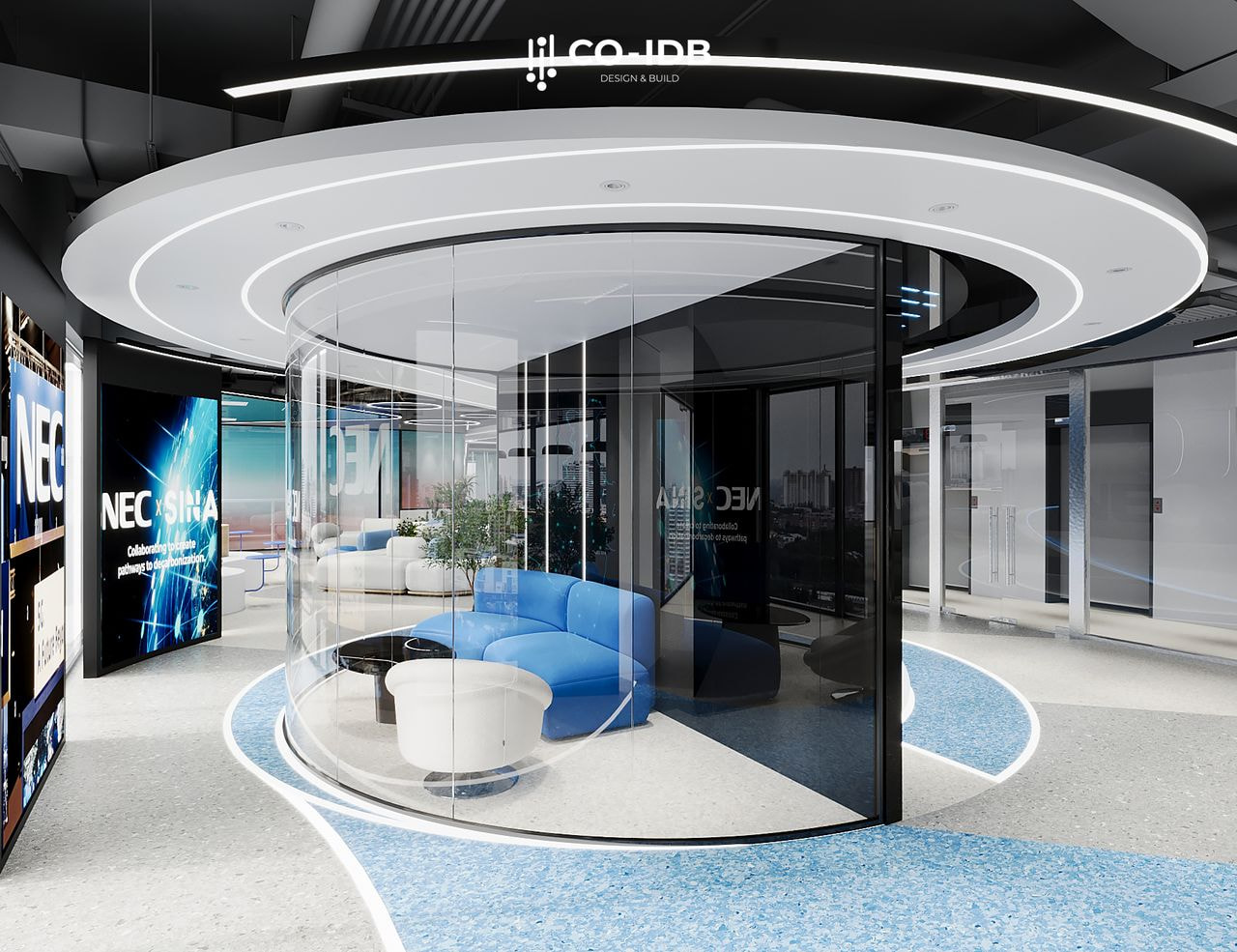
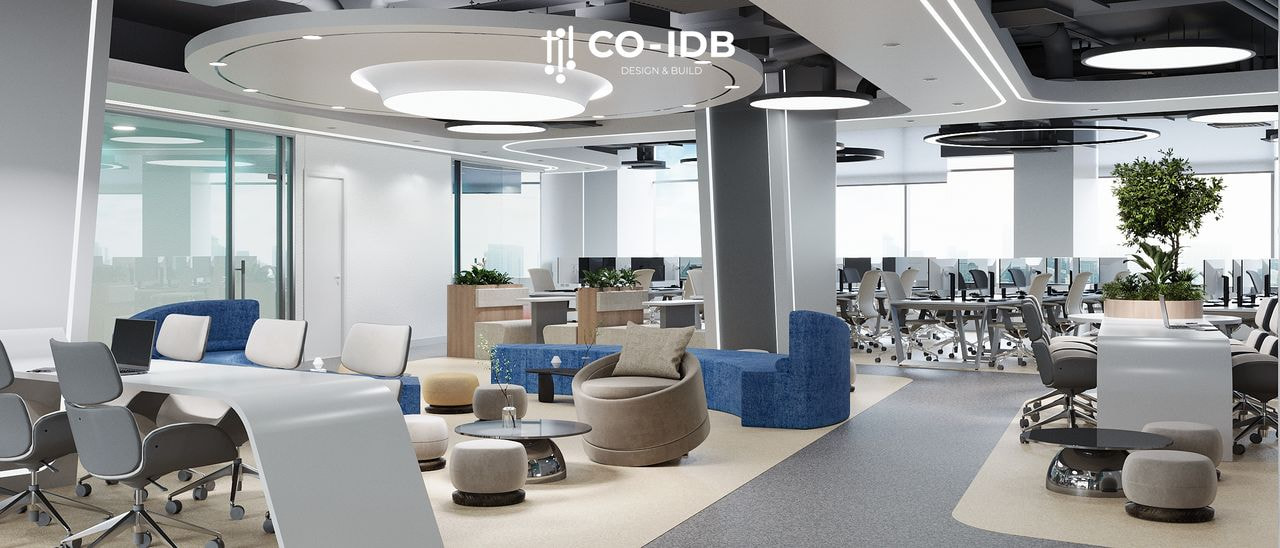
AI-driven systems will analyze space usage behavior to suggest the most appropriate layout, lighting, and environment at different times of the day, helping to enhance employee productivity and comfort.
Advice from Co-IDB for Implementing Design Trends for Businesses
To effectively grasp and apply these trends, businesses need to start by clearly defining strategic goals and priorities: do you want to optimize work performance, elevate brand image, or create an inspiring environment for personnel? From there, choose the right design solution, balancing modern elements with operational feasibility.


A crucial factor is selecting a design – construction partner with comprehensive capabilities, who both understands trends and has practical implementation experience, ensuring the idea is realized in the right spirit and within budget.
>>> See more: